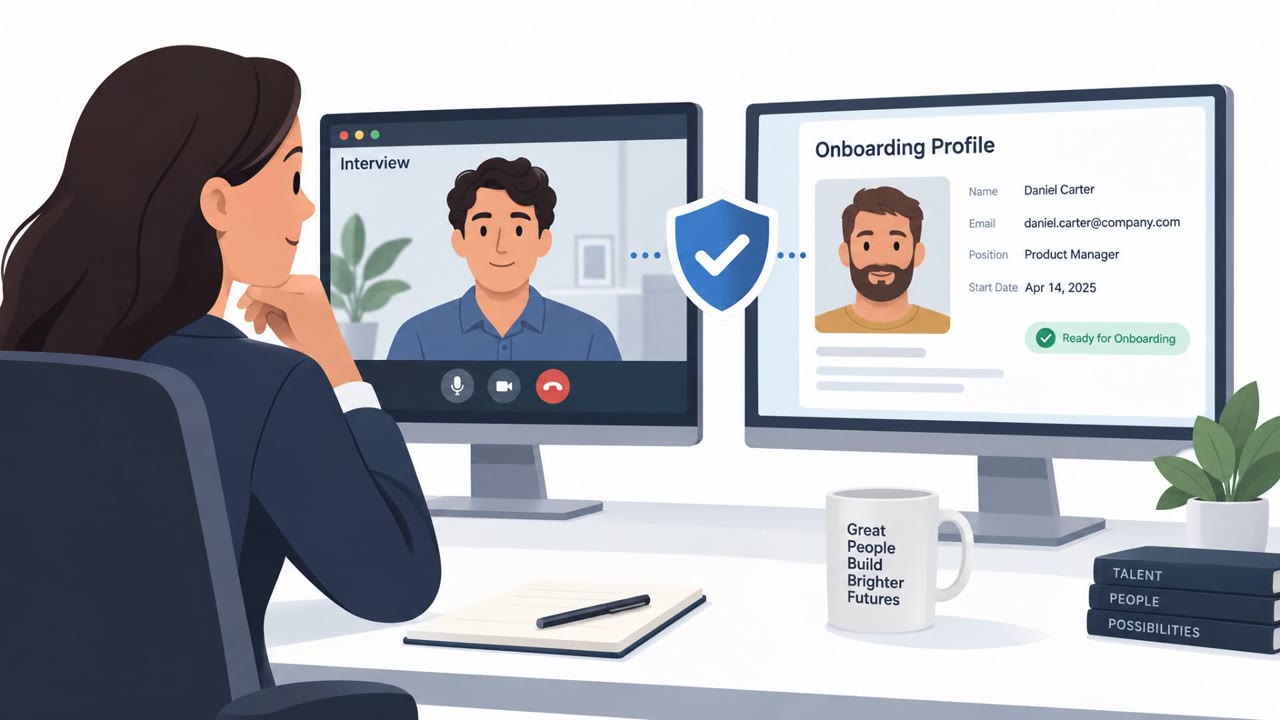
The article describes real North Korean IT-worker fraud in which operatives use stolen or fabricated identities to obtain remote technical jobs, sometimes using deepfakes during interviews. It also gives a concrete example of a candidate whose email was tied to a Justice Department disclosure and whose interview IP location conflicted with a claimed Texas residence. The broader article focuses on tools intended to detect this fraud during hiring, onboarding, account recovery, and high-risk help-desk requests.
How the Fraud Scheme Worked
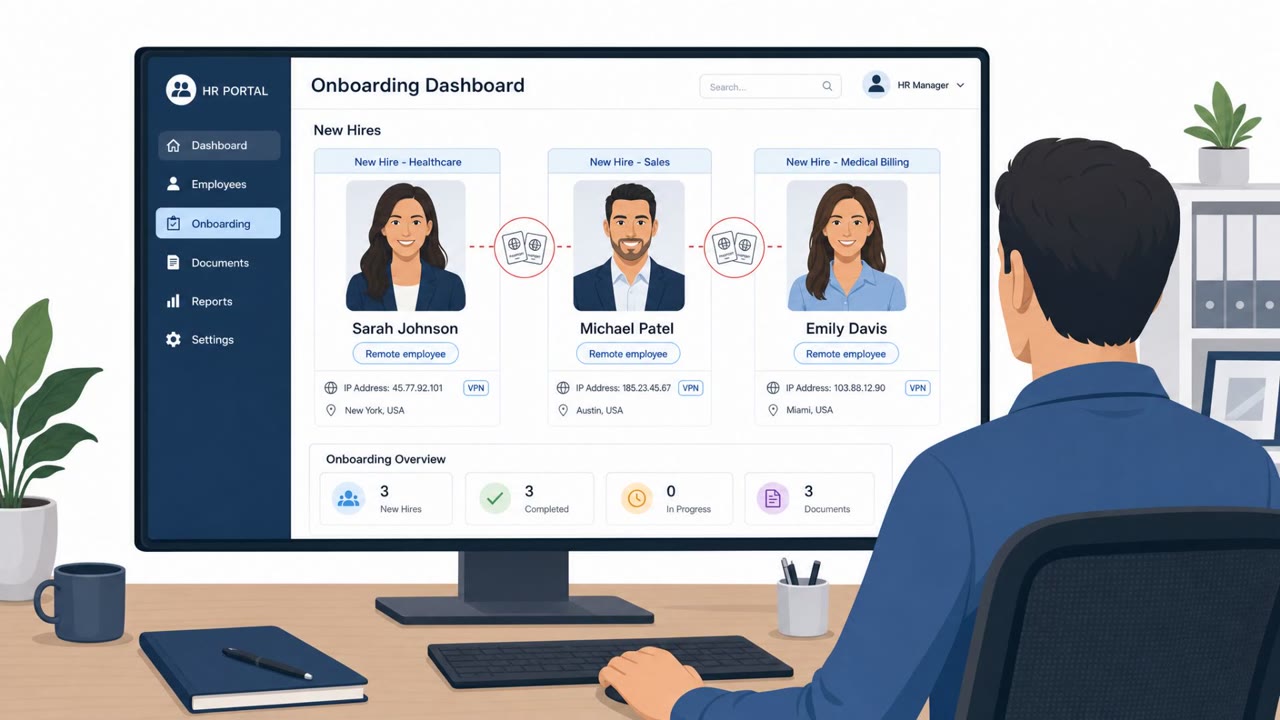
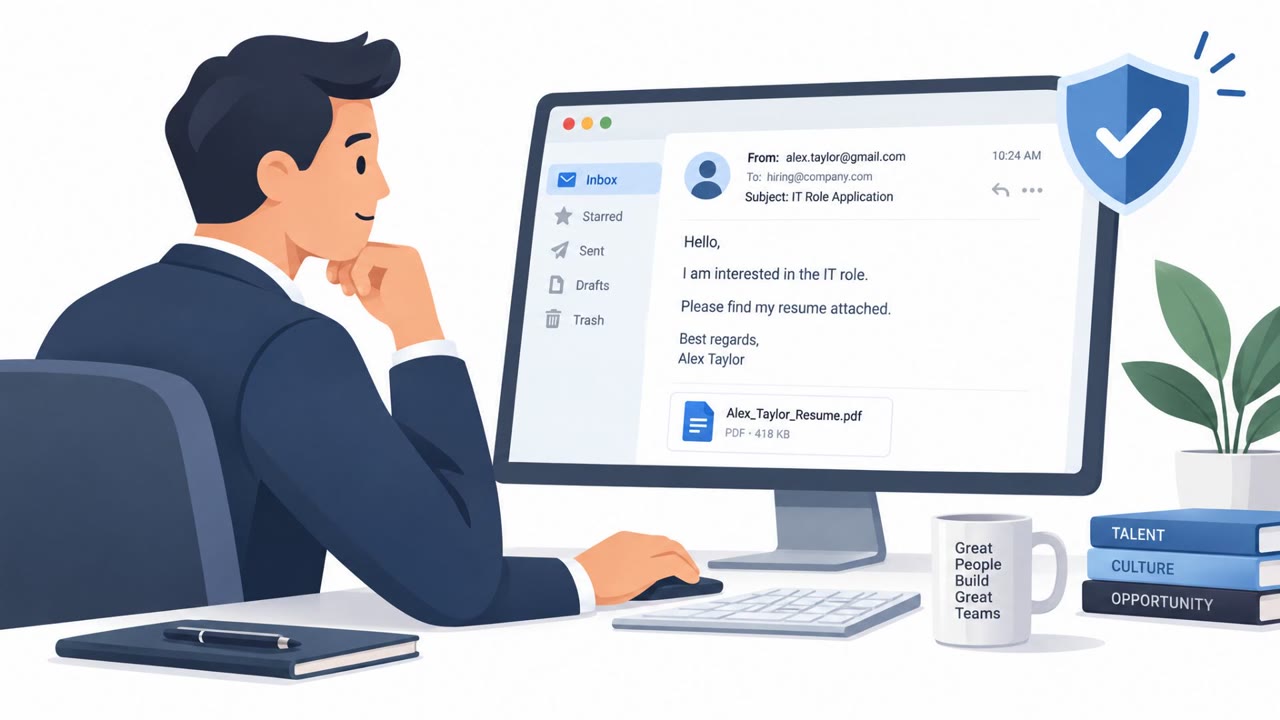
This case centers on North Korean operatives who use stolen or fabricated identities to land remote technical jobs. Wages earned from these positions are sent back to the regime, while U.S.-based facilitators host employer-issued laptops so that overseas workers appear to be located domestically. In at least one documented case, an applicant's email address was tied to a Justice Department disclosure about North Korean IT-worker schemes, and the interview's detected IP location did not match the candidate's stated home in Texas.
Why Deepfakes Make This Harder to Catch
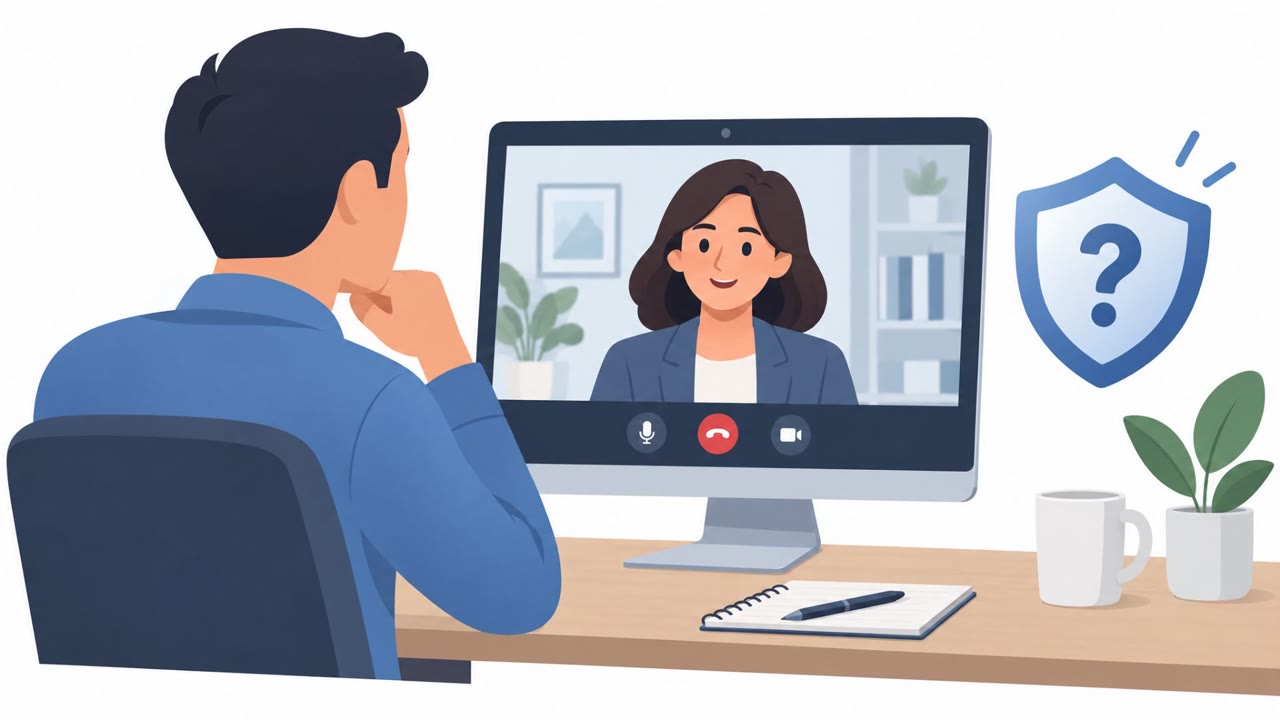
The fraud goes beyond fabricated paperwork. According to the source, a notable share of applicants suspected of North Korean links used deepfakes during their interviews. This means hiring teams cannot rely solely on seeing a face on a video call to confirm that an applicant is who they claim to be. Combined with fabricated identity documents and mismatched location signals, these techniques are designed to pass through standard recruiting and interview processes undetected.
What Recruiters and IT Teams Should Watch For
Key red flags identified in real cases include:
- An applicant email address linked to known fraud reporting or disclosures
- An interview IP address or location that conflicts with the candidate's claimed residence
- Audio or video that shows possible signs of synthetic media during an interview
These signals are most relevant to recruiters, hiring managers, technical interviewers, and IT help desk staff, since risk does not end once someone is hired. Help-desk MFA resets, password resets, account recovery, and executive video calls are called out as high-risk moments where identity should be reverified.
Building Resistance Across the Hiring Lifecycle
Organizations can reduce exposure by treating identity verification as a formal hiring control rather than an assumption. This means confirming that a remote candidate is genuinely the person represented in their application before granting system access or shipping equipment. Recruiters and interviewers should be trained to escalate suspicious signals, such as location mismatches or possible synthetic media, rather than making a fraud determination on their own. The same scrutiny should extend past onboarding to account recovery and password reset requests, since these moments are also targeted. Ultimately, confirming an account, password, or device is not the same as confirming the person behind it, so sensitive decisions should rely on an independent, trusted verification method rather than visual or credential-based assumptions alone.
Key findings
- North Korean operatives use stolen or fabricated identities to obtain remote technical jobs and route wages back to the regime.
- Pindrop reported that one in four applicants suspected of North Korean links used deepfakes during interviews.
- A real candidate investigation identified an email address tied to a Justice Department disclosure and an interview IP location that did not match the candidate's stated Texas home.
- U.S.-based facilitators can host employer-issued laptops to make overseas workers appear to be local.
- The article identifies help-desk MFA resets, password resets, account recovery, and executive video calls as high-risk identity-verification moments.
Who’s being targeted
- Commonly targeted roles: Recruiters, Human Resources, Hiring Managers, Technical Interviewers, IT Help Desk, Identity and Access Management Teams, Security Operations, Finance Approvers, Executive Assistants.
- Affected industries: Information technology, Professional services, Human resources and recruiting, Technology companies, Organizations employing remote technical workers.
- Attack channels: website.
- Impersonated: A legitimate remote technical-job applicant.
Red flags to watch for
- The applicant's email address is associated with known fraud reporting.
- The interview IP location does not match the location the candidate claims as home.
- Audio or video shows signs of synthetic media or deepfake use.
Frequently asked questions
How do North Korean operatives get hired into remote technical jobs?
They use stolen or fabricated identities to apply for remote technical roles, sometimes using deepfakes during virtual interviews, and route wages back to the regime while U.S.-based facilitators host employer-issued laptops to make them appear local.
What red flags can identify a fraudulent remote job applicant?
Warning signs include an applicant email tied to known fraud reporting, an interview IP location that does not match the candidate's claimed home address, and audio or video showing possible signs of synthetic media.
Why is identity verification important beyond the hiring stage?
Attackers also target moments like help-desk MFA resets, password resets, and account recovery, so organizations should apply independent verification steps at these high-risk moments as well.
Can interviewers rely on video presence alone to confirm identity?
No, the article notes that confirming an account, password, or device is not the same as confirming the person, so a trusted verification method is needed for sensitive hiring or access decisions.
Read the video transcript
That remote tech candidate says they live in Texas. Do they? North Korean IT-worker fraud uses stolen identities to land jobs. Some interviews use deepfakes; a U.S.-hosted company laptop can make an overseas worker appear local. In one real case, the applicant’s email appeared in a Justice Department disclosure, and their interview IP didn’t match their claimed Texas home. A face on video isn’t proof of identity. Before access or equipment goes out, flag identity, location, or deepfake concerns to your hiring security team for verification.