North Korean operators behind “FaceStealer” hijacked accounts and used recordings of real people in fake Zoom and Microsoft Teams meetings. They used the familiar faces of trusted contacts to convince targets to install supposed fixes for technical problems, enabling malware installation, account takeover, and cryptocurrency theft. The same approach was used against software maintainers, creating potential supply-chain risk for organizations that use compromised software packages.
How the attack worked
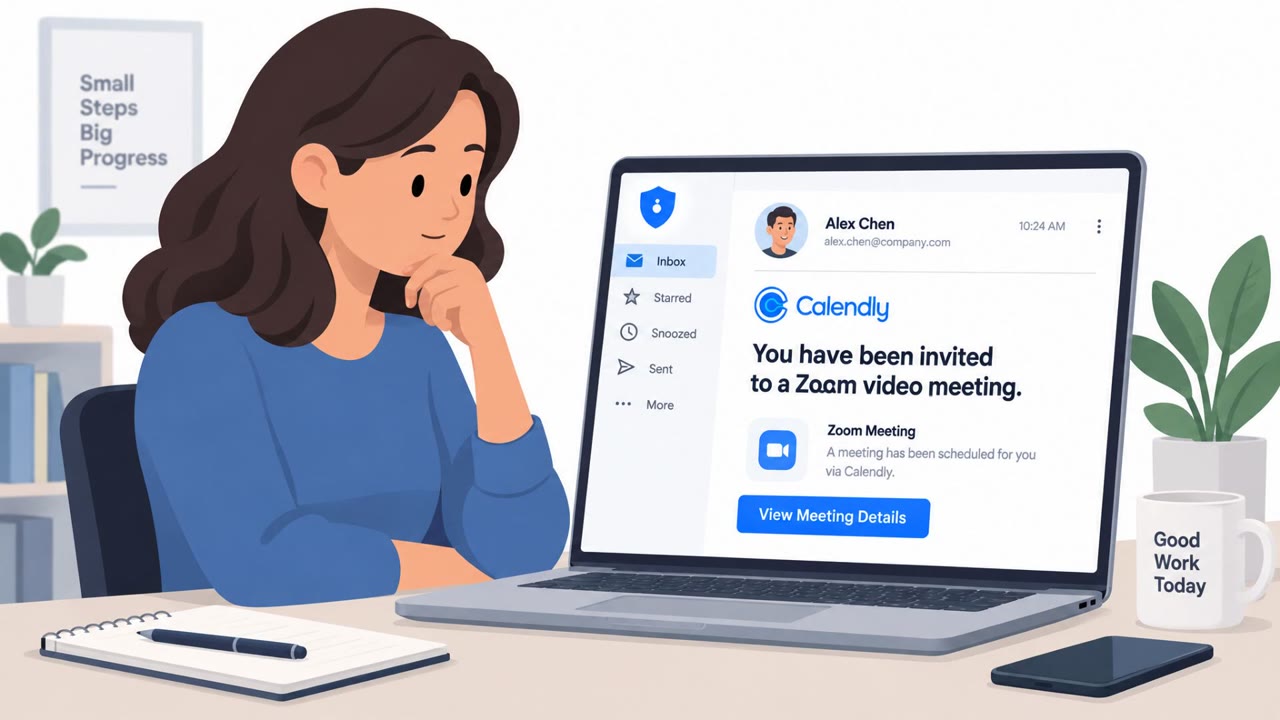
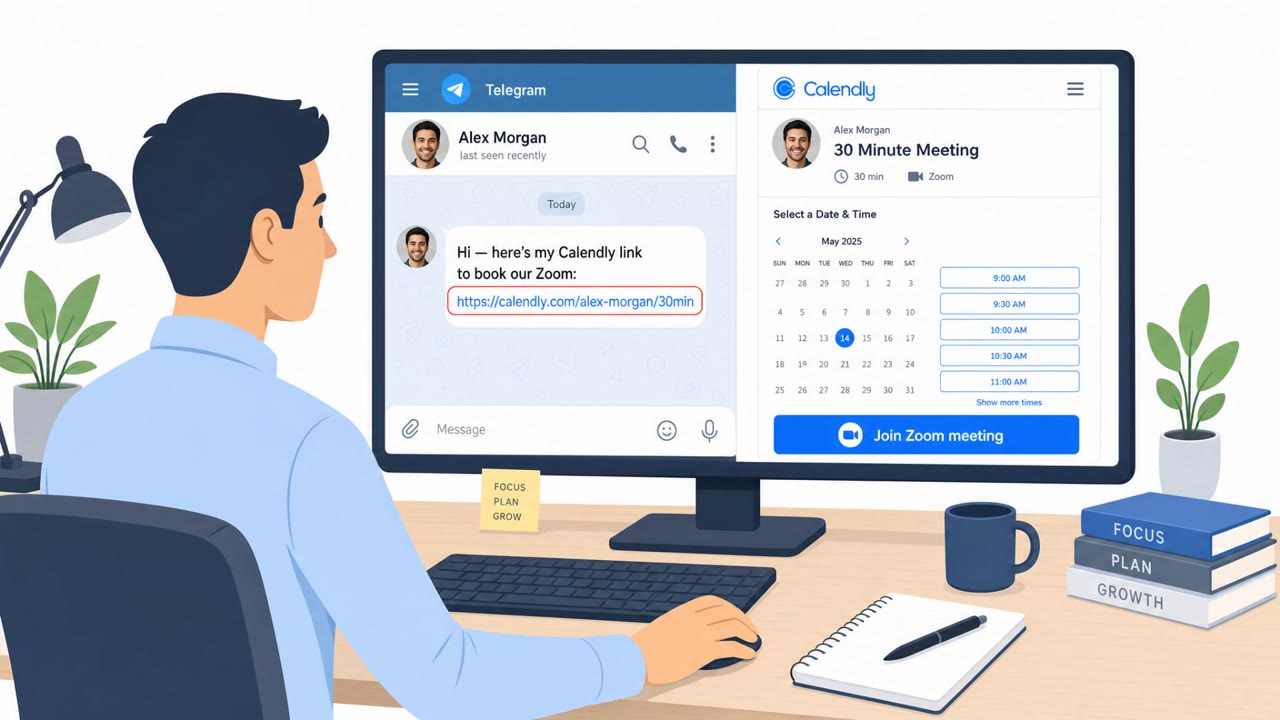
This campaign relied on hijacked Telegram and other messaging accounts to invite a victim's real contacts into counterfeit Zoom or Microsoft Teams meetings. The invitation looked routine, often supported by a legitimate scheduling tool, which added credibility before the target ever joined a call. Once in the fake meeting, prerecorded footage or AI-generated video made it appear that trusted colleagues were present, reinforcing the sense that the meeting was genuine.
Shortly after joining, attackers manufactured a technical problem, typically a microphone issue, and offered a fix. That fix was actually an instruction to install an update, run a script, or type commands into a terminal. Those actions installed malware capable of harvesting browser cookies, recording keystrokes, capturing screens, and establishing persistent access to the victim's machine.
Why it succeeded
The technique succeeded because it exploited a basic human assumption: seeing a familiar face during a video call suggests that person is really there. Investigators found attackers had collected faces and voices from public sources such as YouTube interviews and conference presentations, which let them produce convincing impersonations. Combining a familiar face with a plausible technical glitch gave targets a reason to act quickly rather than question the request.
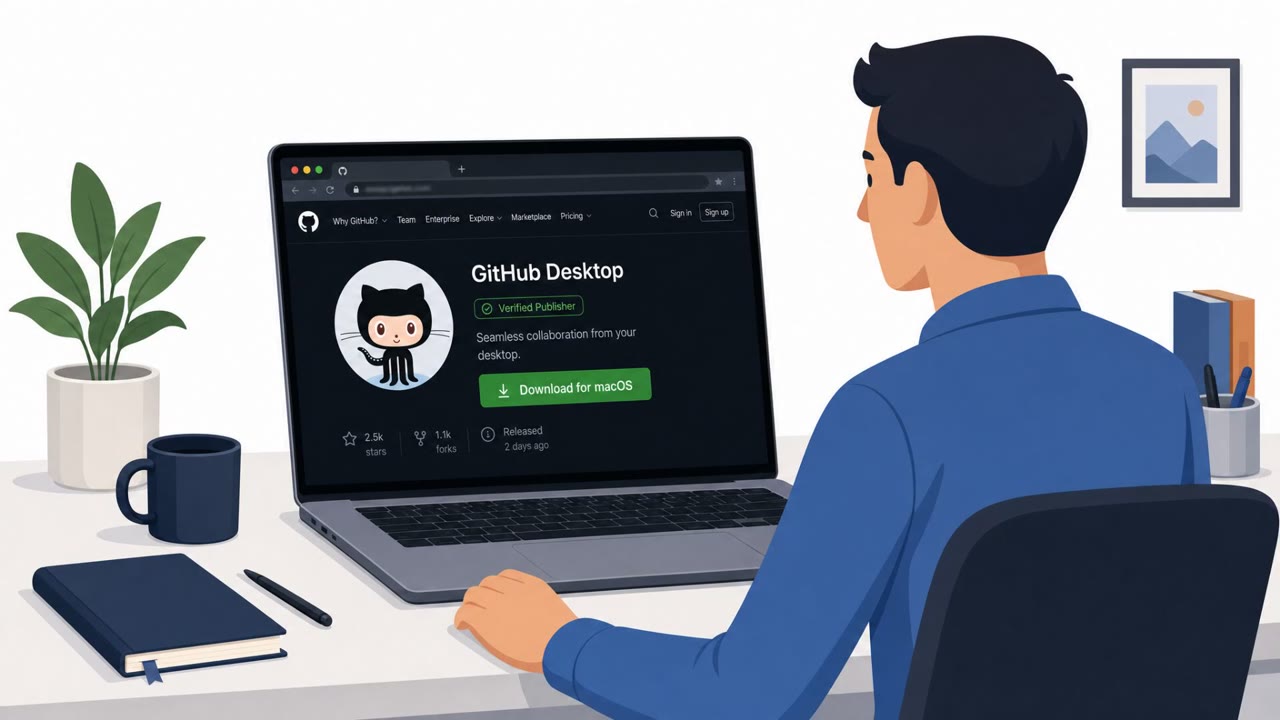
The campaign also targeted people whose compromise had outsized impact, including open-source software maintainers and senior executives. Founders and senior executives accounted for the large majority of identified targets, and compromising a single maintainer account created the potential for malicious code to spread through legitimate software packages to organizations with no direct connection to the original victim.
What to watch for
- An unexpected meeting invitation arriving through a messaging account rather than a normal scheduling channel
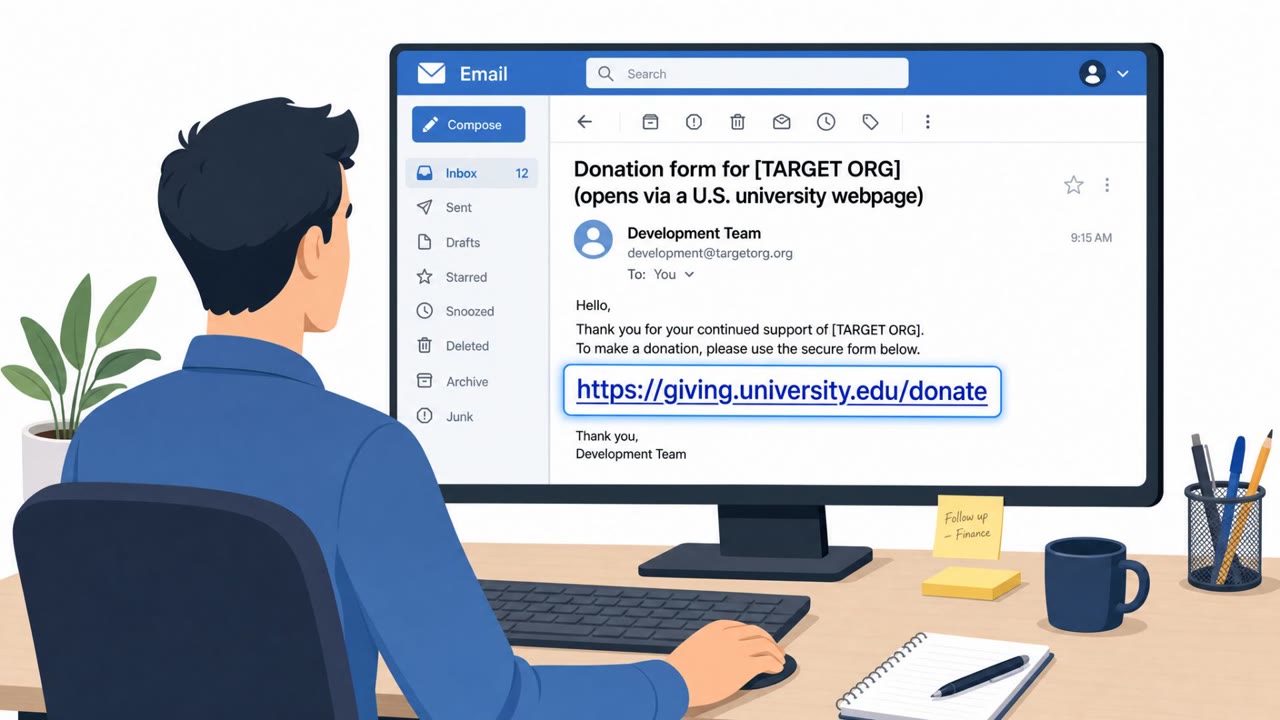
- A video-conferencing link that looks correct but does not match the usual address
- A participant on a call claiming a microphone or audio problem and asking you to install software or run commands to fix it
- A new Slack workspace or meeting created for an unfamiliar project discussion
Building resistance
Organizations can reduce exposure to this kind of attack by treating a familiar face on video as a reason to verify rather than as proof of identity, especially when the request involves installing software or changing system settings. Unusual requests should be confirmed through a known phone number or a separately verified channel rather than accepted inside the meeting itself.
Teams should also route any software installation or script execution through approved IT support procedures, never through instructions given mid-meeting. Extra attention and verification steps should go to people who can publish software, approve payments, or manage cryptocurrency and other high-value systems, since compromising one trusted account in these roles can have consequences that extend well beyond the original target.
Key findings
- The operation reportedly stole more than $400 million in cryptocurrency over 18 months and collected more than 900 webcam recordings of victims.
- Attackers used hijacked Telegram or other communications accounts to invite a victim's real contacts to counterfeit Zoom or Microsoft Teams meetings.
- During fake meetings, prerecorded footage or AI-generated video made it appear that trusted contacts were attending.
- Attackers manufactured microphone problems and instructed targets to install an update, run a script, or enter terminal commands, resulting in malware installation.
- The campaign targeted open-source software maintainers; compromise of a maintainer account could enable malicious code to be published through legitimate software packages.
- Arctic Wolf Labs identified material targeting 677 people in 58 countries, with founders and senior executives accounting for 84% of identified targets.
Who’s being targeted
- Commonly targeted roles: Founders and senior executives, Software developers, Open-source maintainers, Package and repository administrators, Cryptocurrency and finance teams, IT support personnel, All employees who attend external video meetings.
- Affected industries: Cryptocurrency and financial services, Software development and open-source projects, Technology companies, Organizations using affected software packages.
- Attack channels: telegram, website, slack, teams.
- Impersonated: A trusted professional contact using their legitimate Telegram account or another hijacked platform, Recognizable colleagues and meeting participants displayed through prerecorded or synthetic video, A purported company founder and apparent collaborators.
Red flags to watch for
- The meeting link resembles, but is not, the normal Zoom or Microsoft Teams address.
- An unexpected meeting invitation arrives through a messaging account rather than an established scheduling channel.
- The invitation pressures the recipient to use a specific external conferencing link.
- A video-call participant asks you to install software or run commands to solve an audio issue.
- The meeting requires technical steps that bypass normal IT support or approved software-update procedures.
- A familiar face on video is treated as proof of identity, despite the possibility of prerecorded or AI-generated footage.
- A new Slack workspace is created for an unexpected project discussion.
- A meeting participant asks a package maintainer to make technical changes or run commands during a call.
- The request is unusual or urgent and is not verified through a known, independent contact method.
Frequently asked questions
How did attackers use fake video meetings to steal cryptocurrency?
Attackers hijacked Telegram or other communications accounts and invited real contacts to counterfeit Zoom or Microsoft Teams meetings, using prerecorded or AI-generated video of trusted contacts to gain credibility before manufacturing a technical problem that led targets to install malware.
Why were software maintainers targeted in this campaign?
Maintainer accounts can publish updates to widely used software packages, so compromising a maintainer's credentials could let attackers distribute malicious code through legitimate downloads, creating supply-chain risk for many downstream organizations.
What is the typical pretext used to install malware in these meetings?
A participant in the fake meeting claims the target's microphone is malfunctioning and instructs them to install an update, run a script, or enter terminal commands, which actually installs malware.
Who was most targeted by this operation?
Founders and senior executives made up the large majority of identified targets, alongside software developers, open-source maintainers, and package administrators.
Read the video transcript
Your colleague’s face is on the call. But are they? FaceStealer hijacks a contact’s Telegram account, sends a routine Zoom or Teams invite, then shows prerecorded or AI-generated faces in a counterfeit meeting. Then comes the trap: 'Your microphone is broken. Run this terminal command.' A familiar face isn’t proof, and a meeting shouldn’t require a script. If a meeting asks for an audio fix, stop. Call that contact on a number you already know.