The article describes a real campaign attributed by the US Justice Department and FBI to North Korean government hackers. The attackers used secretly recorded webcam footage and AI-generated deepfakes to impersonate trusted contacts, persuade victims to install malware, and steal cryptocurrency. Open-source maintainers were increasingly targeted, putting software supply chains at risk.
How the Attack Worked
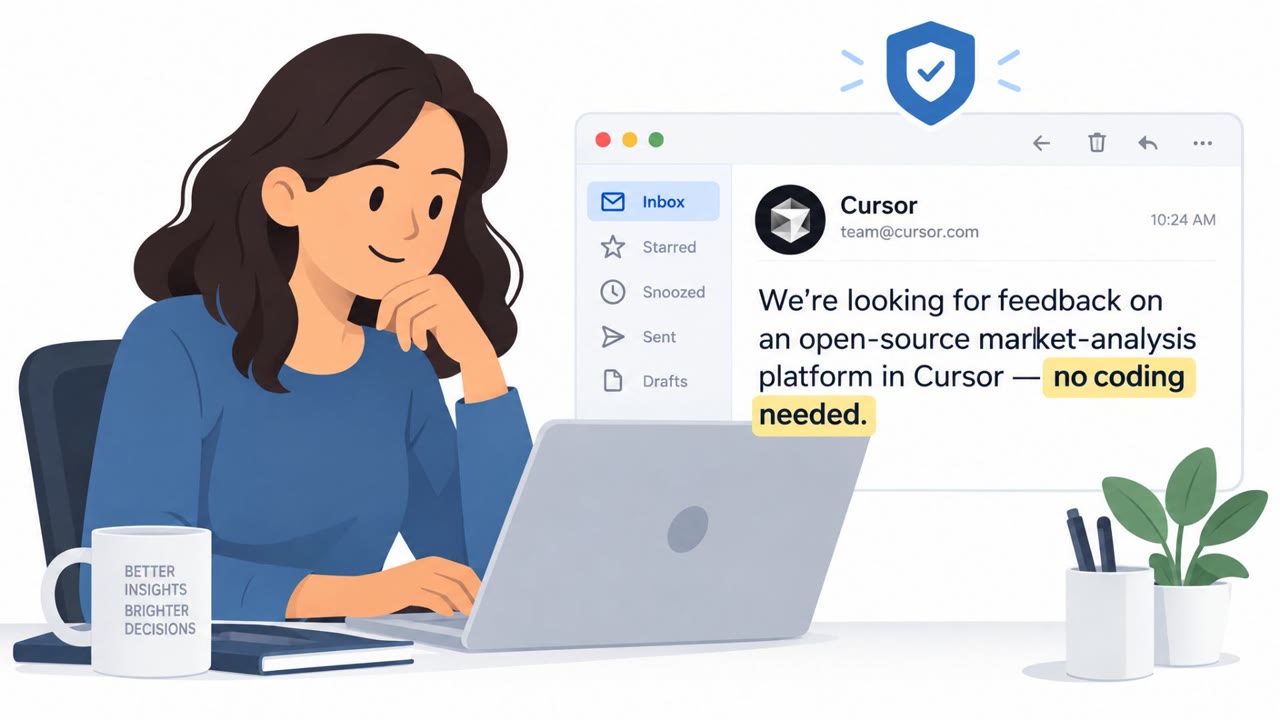
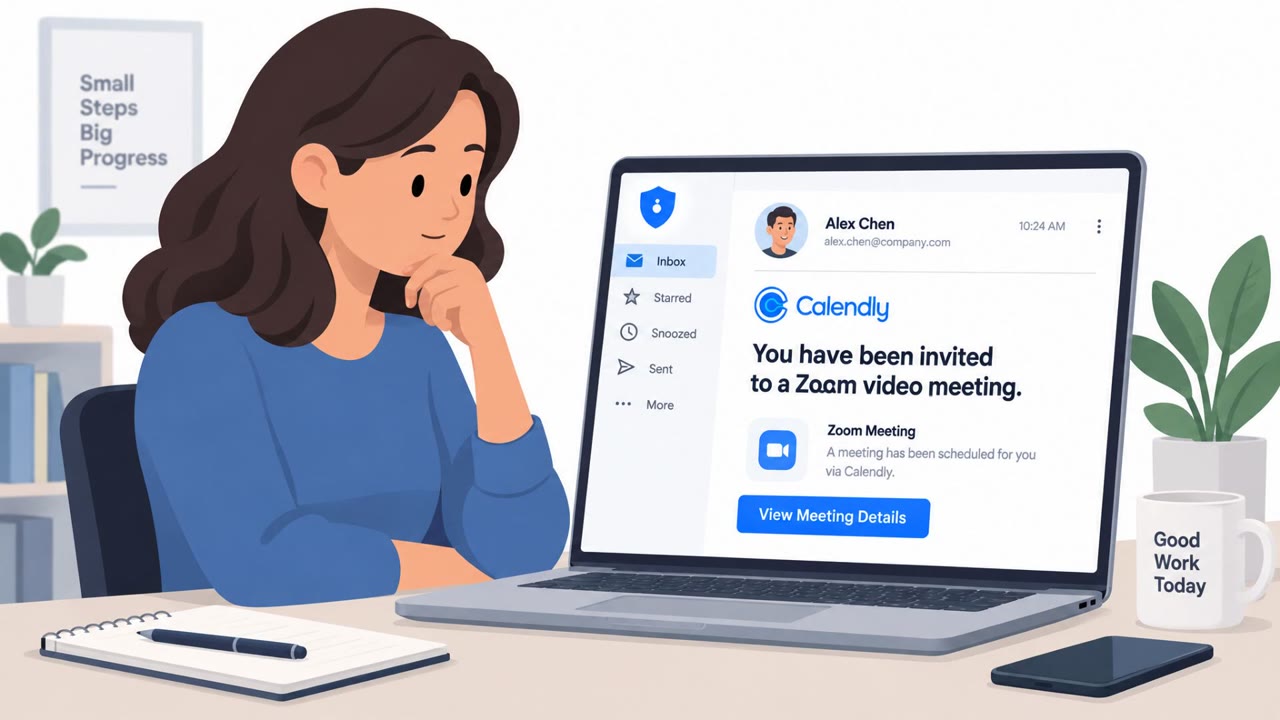
According to the US Justice Department and FBI, North Korean government hackers ran a campaign that combined secretly recorded webcam video with AI-generated deepfakes to impersonate trusted contacts. In a typical scenario, a target, often an open-source maintainer or developer, received a video call from what appeared to be someone they knew. The caller asked them to install a file or tool to help resolve a technical issue. Once installed, the software delivered malware that the attackers used to steal cryptocurrency.
This technique relies on the believability of the video call itself. A deepfake overlay on a familiar face, combined with a plausible work-related request, lowers the target's guard far more effectively than a text-based phishing message.
Why It Succeeded
The campaign succeeded because it exploited trust built into everyday collaboration. Open-source maintainers and developers regularly receive requests to test, review, or install code from people they know only through online interaction. A video call featuring a familiar face adds a layer of credibility that text or email alone cannot provide. Authorities noted that open-source maintainers were increasingly targeted, which connects this identity deception directly to software supply chain risk: compromising one maintainer can open access to downstream projects and users.
What to Watch For
- An unexpected request to install software during a video call
- A familiar-looking caller making an urgent request that cannot be verified through a known channel
- A request paired with a file, download, or installation instruction rather than normal project collaboration
- Any unusual pressure to act quickly on a technical ask from a
Key findings
- The US Justice Department and FBI attributed the FaceStealer campaign to North Korean government hackers.
- Attackers used secretly recorded webcam video and AI-generated deepfakes to impersonate trusted contacts.
- The impersonation was used to convince victims to install malware and enabled cryptocurrency theft.
- Authorities said open-source maintainers were increasingly targeted.
- The Department of Justice seized campaign infrastructure and more than 900 victim videos.
Who’s being targeted
- Commonly targeted roles: Open-source maintainers, Software developers, Engineering leaders, Security teams, Cryptocurrency and finance staff.
- Affected industries: Software and open-source development, Cryptocurrency, Technology.
- Attack channels: vishing.
- Impersonated: A trusted contact of the target.
Red flags to watch for
- An unexpected request to install software during a video call.
- A familiar-looking caller makes an urgent request that cannot be verified through a known channel.
- The request comes with a file, download, or installation instruction rather than normal project collaboration.
Frequently asked questions
Who was behind the FaceStealer campaign?
The US Justice Department and FBI attributed the campaign to North Korean government hackers who used deepfakes and secretly recorded webcam video to impersonate trusted contacts.
How did attackers trick victims into installing malware?
Attackers used AI-generated deepfakes and secretly recorded video to appear as a trusted contact on a video call, then convinced the victim to install a file or tool, which deployed malware and enabled cryptocurrency theft.
Why were open-source maintainers targeted?
Authorities said open-source maintainers were increasingly targeted because compromising them can give attackers access into software supply chains.
What did authorities seize in this case?
The Department of Justice said it seized campaign infrastructure and more than 900 victim videos connected to the operation.
Read the video transcript
That familiar face on your video call? It might not be them. In the FaceStealer campaign, secretly recorded webcam footage helped create AI deepfakes of trusted contacts. On the call: ‘Hi, it’s me, install this tool so we can resolve an issue.’ That’s the tell: a work issue suddenly needs a download. The file installs malware, not a fix. Authorities linked this campaign to cryptocurrency theft and seized over 900 victim videos. Before installing anything from a call, message that contact through a channel you already know.