Ransomware Crew Used Trusted IT Referral

Krebs on Security · Medium sophistication
Last updated October 19, 2026

Federal investigators are examining alleged links between ShinyHunters and ransomware negotiation executives. The article also documents a real Dharma ransomware exchange in which the attacker steered a victim toward an alleged Canadian IT intermediary, using a reassuring “guarantees” offer to keep the victim moving toward payment.

Key findings

  • Investigators reportedly believe an executive at a U.S.-based consulting firm helped operate ShinyHunters' Shinywire extortion site.
  • The Shinywire site displayed samples of stolen files and told victims to negotiate payment or face publication of their data.
  • A documented 2018 Dharma ransomware exchange referred a victim seeking assurances to an alleged Canadian IT-company contact, framing the intermediary as a trusted source of guarantees.
  • The article warns that paying a ransom does not reliably result in deletion of stolen information and may not prevent later extortion attempts.

Who’s being targeted

  • Commonly targeted roles: IT leadership, Information security teams, Incident response teams, Legal and compliance, Executive leadership, Procurement and vendor management.
  • Affected industries: Cybersecurity and incident response, Information technology services, Medical technology, Education technology, Government.
  • Attack channels: email.
  • Impersonated: A trusted Canadian IT company recommended by the ransomware group.

Awareness takeaways

  • Independently verify any incident-response or ransom-negotiation firm; do not use a contact supplied by the attacker.
  • Treat promises that stolen data will be deleted after payment as unverified and unreliable.
  • Escalate extortion demands through pre-approved legal, incident-response, and executive contacts rather than responding directly under attacker-set deadlines.

Red flags to watch for

  • The alleged trusted adviser is recommended by the extortionist rather than independently selected by the victim.
  • The message pressures the victim to continue toward payment: “You’ll still have to pay.”
  • The contact address is a consumer privacy-email account rather than a verified business contact.
Try Mirage

Mirage safely runs attacks like this one against your own team, so you find out what happens before a real adversary does.

Get a demo
Read the video transcript

A ransomware crew offers you a trusted IT contact. Trusted by whom? In a Dharma ransomware email, the reply said, 'If you want guarantees, you can write to the IT company.' It pointed to ghostbyte@tutanota.com, then pushed a phone call and services contract. Here’s the catch: the extortionist picked your adviser. The email even says, 'You’ll still have to pay.' And payment can’t prove stolen files were deleted. Don’t contact their referral. Send the demand to your pre-approved incident-response team.

MITRE ATT&CK techniques

Similar attacks

Extortion Gang Plots Office Infiltration of Law Firms

Extortion Gang Plots Office Infiltration of Law Firms

Leaked chat logs linked to the Silent Ransom Group describe efforts to pressure U.S. law firms through extortion and, unusually, by sending in-person “agents” to physically enter offices and copy data. The FBI previously warned that people tied to the group were posing as IT staff to gain access,…

October 8, 2026
Fake Ransomware “Rescue” Firm Allegedly Took Millions

Fake Ransomware “Rescue” Firm Allegedly Took Millions

U.S. prosecutors say the owner of MonsterCloud told ransomware victims he could recover data with proprietary tools and avoid paying criminals, but instead allegedly paid the ransom and charged clients far more. The scheme reportedly used a paid “analysis” step where clients shared the ransom note…

October 8, 2026
Fake Cops Threaten Arrest to Force Payments

Fake Cops Threaten Arrest to Force Payments

The FBI warns about phone scams where callers impersonate police or federal agents and threaten arrest unless the victim pays immediately. The scams use pressure tactics (keeping victims on the phone, urging secrecy) and push hard-to-trace payments like prepaid cards, crypto, wire transfers, or…

September 21, 2026
FBI: Fake Cops Swindle $1.6B via Threat Calls

FBI: Fake Cops Swindle $1.6B via Threat Calls

The FBI says scammers posing as law enforcement or government officials stole over $1.6B since January 2025, mainly by calling victims and threatening arrest, fines, or legal trouble unless they pay. Variants include jury-duty threats, targeted calls to medical professionals about license issues,…

September 18, 2026
Revolut Tricked by Fake “Emergency” Data Requests

Revolut Tricked by Fake “Emergency” Data Requests

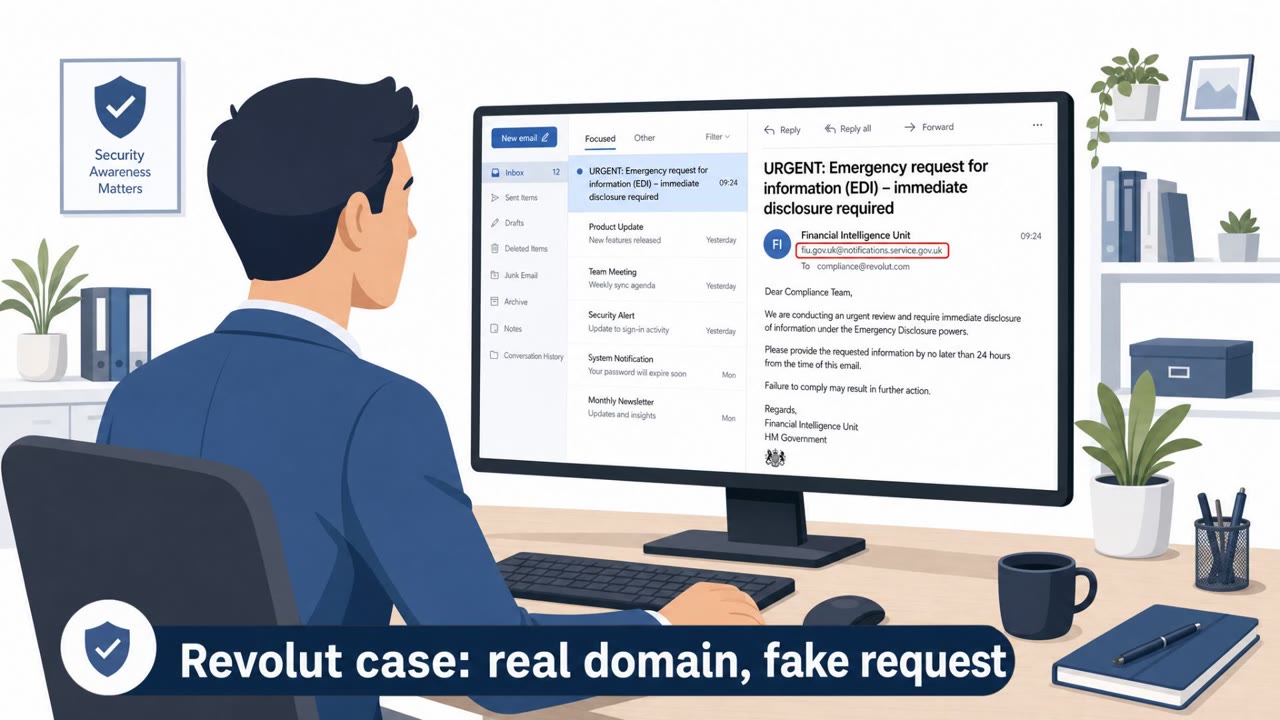
Revolut confirmed it disclosed sensitive customer information after fraudsters sent “emergency” information requests from a legitimate government email domain. The attackers appear to have targeted high-net-worth customers, including people involved in crypto, and attempted to extort Revolut to…

September 14, 2026
Fake “Ransom Busters” Hijacks Ransom Payments

Fake “Ransom Busters” Hijacks Ransom Payments

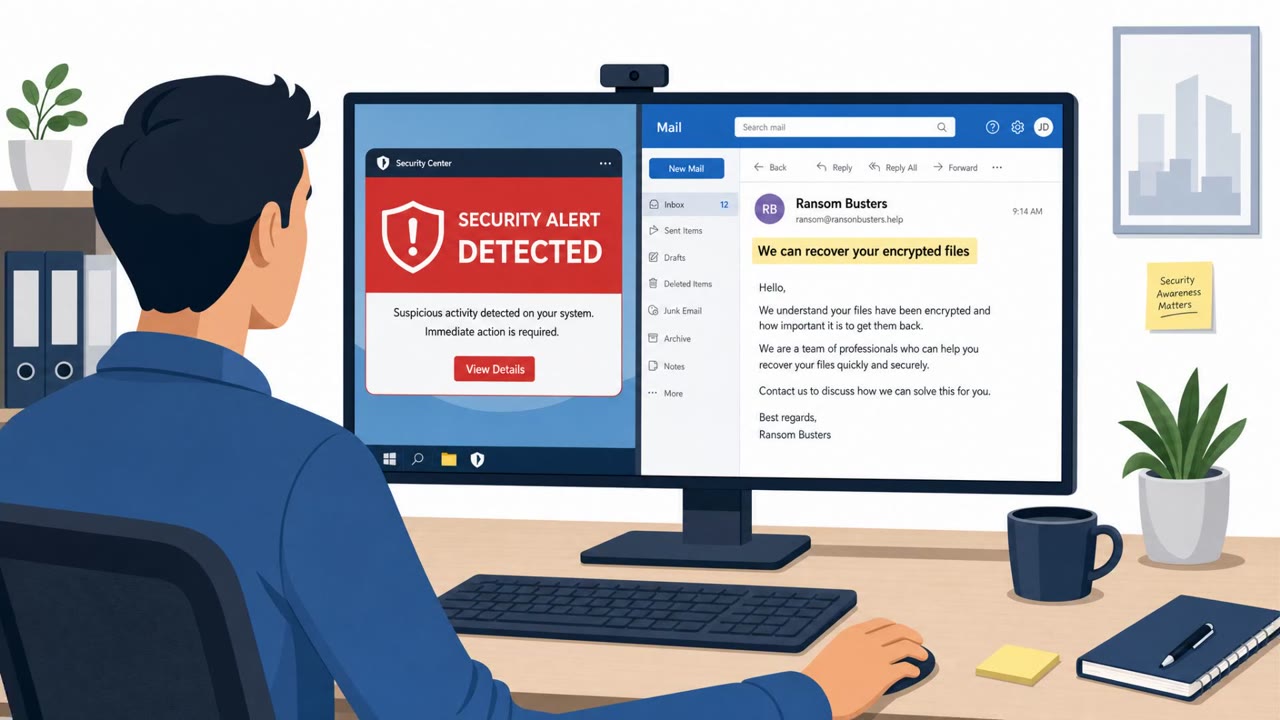
Researchers say a group calling itself “Ransom Busters” contacted ransomware victims before the attacks became public, pretending to be a recovery firm. The emails offered to delete stolen data and provide decryption keys for $20,000–$60,000, likely diverting payments away from the victim’s…

August 20, 2026