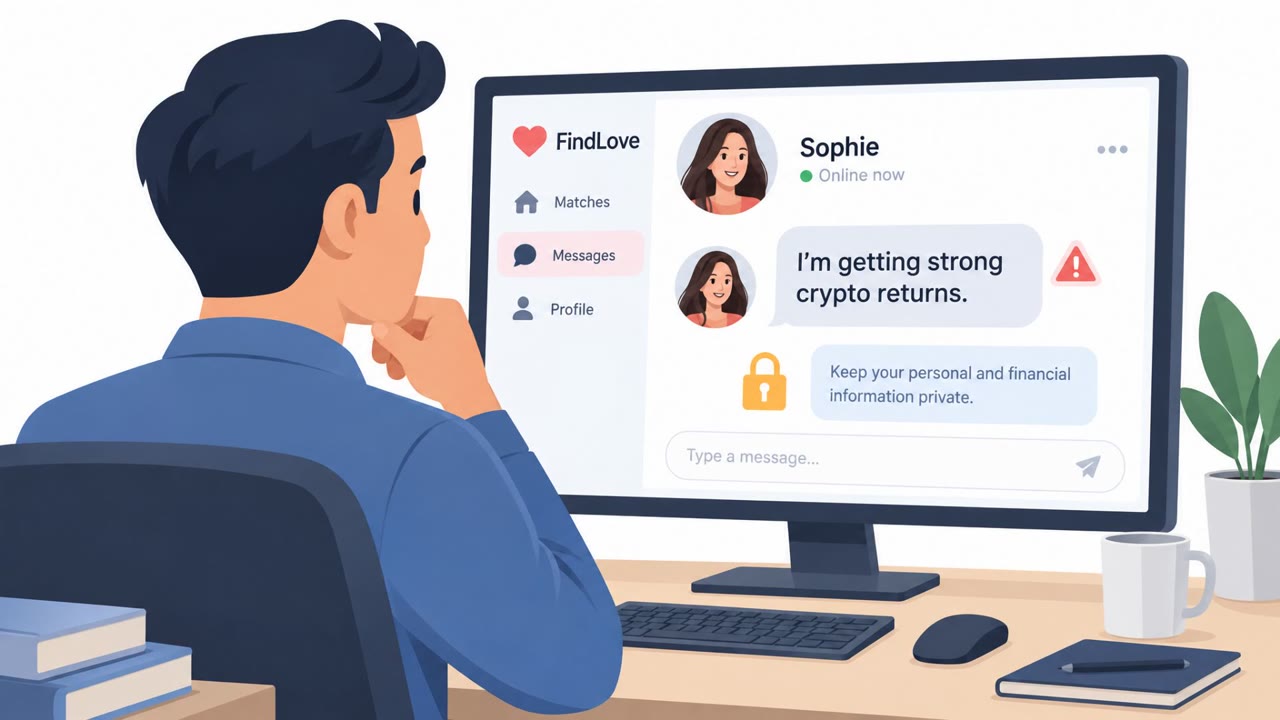
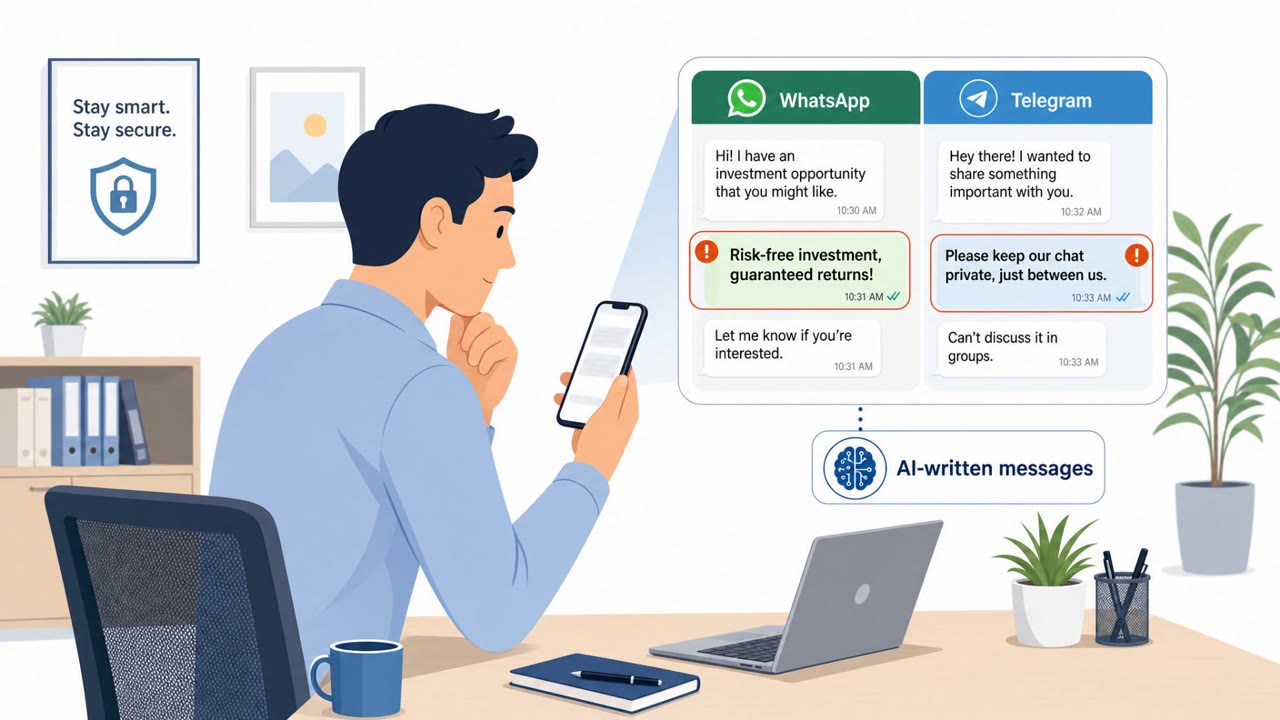
U.S. prosecutors indicted six people over a Madagascar-based scam operation that allegedly stole more than $516,000 from U.S. victims. The group reportedly used dating sites, posed as attractive women, and persuaded victims to connect cryptocurrency wallets to fraudulent NFT websites, then pressured them to add more funds while the money was drained.
How the Attack Worked
This case involved an alleged scam operation that used dating sites as the entry point for financial fraud. According to the indictment, scammers posed as attractive women to build rapport with victims over time. Once trust was established, victims were steered toward a supposed investment opportunity involving nonfungible tokens, or NFTs. The pitch required victims to connect a cryptocurrency wallet to a website presented as a legitimate NFT investment platform. From there, the group used scripted scenarios and pictures to maintain the illusion of legitimacy and encourage continued investment.
Why It Succeeded
The scheme combined emotional manipulation with financial pressure. By first establishing a romantic connection through dating sites, the scammers lowered victims' skepticism before introducing a financial ask. The investment pitch relied on prepared scripts and curated images rather than verifiable information, making it difficult for victims to distinguish the scheme from a genuine opportunity. Once a wallet was connected, victims were repeatedly pushed to add more funds, a pressure tactic that kept money flowing even as losses mounted. More than $516,695 was reportedly drained from 74 cryptocurrency wallets belonging to victims across multiple U.S. states, reflecting the scale this approach can reach when sustained over time.
What to Watch For
- An online romantic contact who introduces an investment opportunity, especially one involving cryptocurrency
- A request to connect a cryptocurrency wallet to an unfamiliar or unverified website
- Investment pitches built around polished images or pre-written stories instead of independently checkable facts
- Repeated pressure to deposit additional funds into an existing investment
Building Resistance
Individuals and organizations with employees who use dating apps or hold cryptocurrency should treat unsolicited investment advice from online contacts as a significant warning sign. Wallets should never be connected to a platform promoted by someone who cannot be independently verified, and any pressure to make repeated deposits should prompt a pause rather than action. Compelling stories and professional-looking materials are not proof of legitimacy; they can be part of a scripted scam. Encouraging employees and consumers to independently research investment platforms before committing funds, and to be wary of romantic contacts who pivot to financial requests, can reduce exposure to this type of scheme.
Key findings
- The alleged operation stole more than $516,695 from 74 cryptocurrency wallets belonging to victims across several U.S. states.
- Scammers used dating sites as the initial contact channel and posed as beautiful women.
- Victims were directed to connect cryptocurrency wallets to fraudulent websites presented as NFT investment platforms.
- Workers used scripts containing fake scenarios and pictures, and received commissions based on money obtained from victims.
- The operation reportedly shifted from Cambodia to Madagascar following law-enforcement pressure in Southeast Asia.
Who’s being targeted
- Commonly targeted roles: All employees, Finance and treasury teams, Employees who use cryptocurrency, Executives, Employees using dating apps or social media.
- Affected industries: Cryptocurrency and digital-asset services, Online dating platforms, Financial services, Individual consumers.
- Attack channels: website.
- Impersonated: An attractive woman presented as a romantic or dating-site contact, A fraudulent NFT investment platform, Representatives of a purported NFT investment opportunity.
Red flags to watch for
- An online romantic contact promotes an investment opportunity.
- A new contact asks the victim to link a cryptocurrency wallet to an unfamiliar website.
- The contact repeatedly pressures the victim to deposit additional funds.
- An unfamiliar website asks to connect a cryptocurrency wallet.
- The apparent investment platform was introduced by an unverified online contact.
- The investor is pressured to keep adding funds.
- A polished investment story or pictures are used in place of independently verifiable information.
- The recipient cannot independently confirm that the platform is legitimate.
- The opportunity depends on repeated deposits.
Frequently asked questions
How did the scammers initially contact victims?
The operation used dating sites as the initial contact channel, with scammers posing as attractive women to build trust before introducing an investment opportunity.
What made victims connect their cryptocurrency wallets?
Victims were directed to fraudulent websites presented as legitimate NFT investment platforms and asked to connect their wallets to begin investing.
Why did victims keep sending more money?
Scammers pressured victims to continue adding funds to their wallets even as money was being siphoned out, a tactic designed to maximize losses before the scheme was discovered.
What red flags should people watch for in similar scams?
Warning signs include a new online romantic contact promoting an investment, requests to link a cryptocurrency wallet to an unfamiliar site, and repeated pressure to deposit additional funds.
Read the video transcript
Your new dating-site match has an NFT tip? Pause. In this scam, contacts posing as attractive women used scripted stories and pictures, then said, ‘Connect your cryptocurrency wallet to our NFT investment website to begin investing.’ Here's the tell: the person you met for romance is selling an investment. Once wallets connected, victims were pushed to add funds while money drained. If a dating match sends an NFT site, don't connect your wallet.