Researchers found a flaw in Atlassian’s Rovo AI assistant where a single crafted link could inject attacker instructions into a user’s already-logged-in session. With one click, Rovo could be tricked into gathering internal company content and using its built-in web browsing tool to publish that data to public websites. Atlassian has fixed the issue, but the workflow is a useful example of how “prompt injection by link” can lead to real data leakage.
How the attack worked
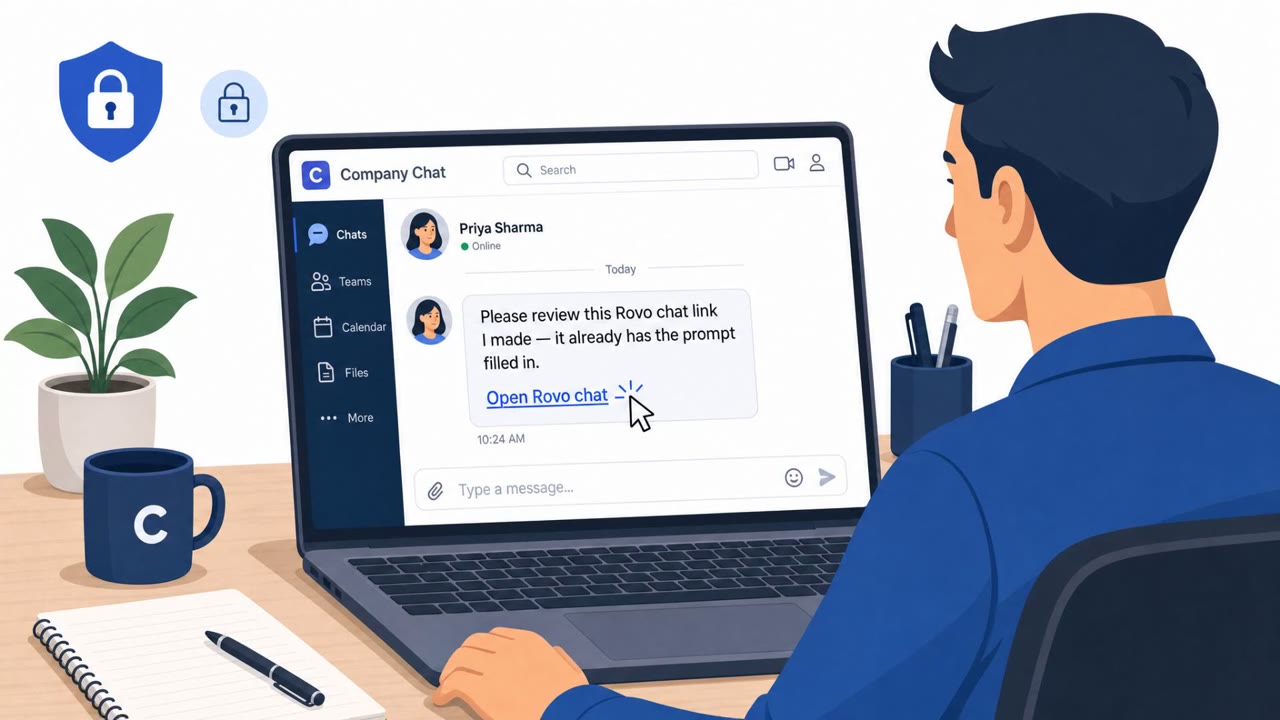
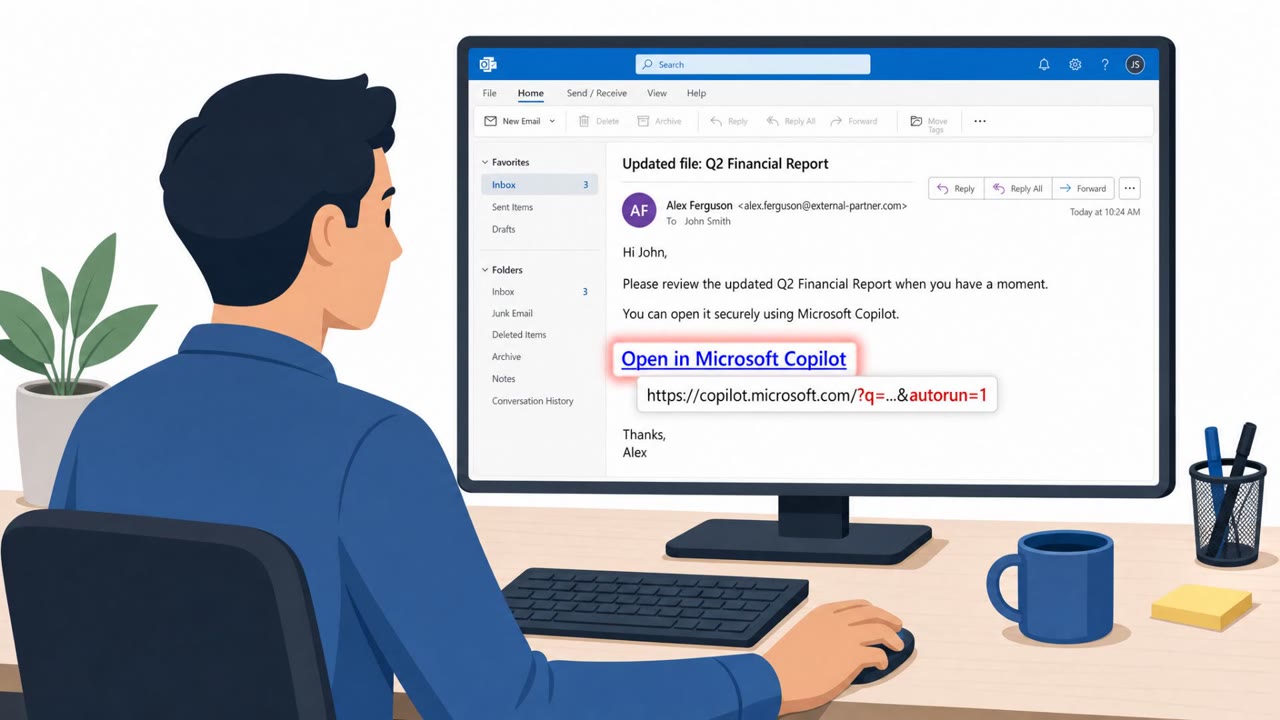
Researchers found that Atlassian's Rovo AI assistant accepted a URL parameter that pre-filled its chat entry. That meant a single crafted link could surface attacker-written instructions directly into a user's already authenticated session. Because the victim was already logged in, no separate login or confirmation step stood between the click and the assistant executing those instructions. There was no warning shown and no indication the prompt had come from an external parameter rather than the user themselves.
Once the injected instructions ran, Rovo's built-in ResearchAgent came into play. This component performs multi-source open web research and can browse and navigate arbitrary websites across multiple steps autonomously. That capability supplied the entire chain in one agent run: retrieve internal content from Jira, Confluence, or Bitbucket, transform it, then post it to a page reachable from outside the organization.
Why it succeeded
Several factors combined to make this workflow effective:
- The victim only needed to click a link while already signed in; no additional credentials were required.
- The chat input was pre-filled rather than typed, so the user never had to consciously write or approve the instructions.
- Rovo operates as an AI layer connected not just to Atlassian products but to services like Slack, Microsoft 365, and Google Workspace, widening what an injected prompt could potentially reach.
- Chaining research and publishing steps inside a single agent run reduced the number of user-facing interactions, so there was little friction to interrupt the process.
What to watch for
Defenders and everyday users should be alert to:
- Unexpected links that claim to trigger an AI assistant to "research" or "summarize" something.
- Requests to have an assistant post summaries or findings to an external or public site.
- Multi-step automated actions that a user did not explicitly direct step by step.
- Assistant activity that resembles ordinary research in logs but involves sensitive departments like HR, legal, or finance.
How to build resistance
Atlassian has since fixed this specific issue, but the underlying pattern, prompt injection delivered by link, is broadly applicable to other AI assistants. Organizations can reduce exposure by treating unexpected AI-assistant links with the same caution as suspicious email links, limiting which connectors and integrations an assistant can reach, disconnecting unused integrations, and disabling browsing or multi-step automation features where teams don't genuinely need them. Reviewing assistant logs and alerting on unusual agent runs also helps catch activity that might otherwise blend in as normal research.
Key findings
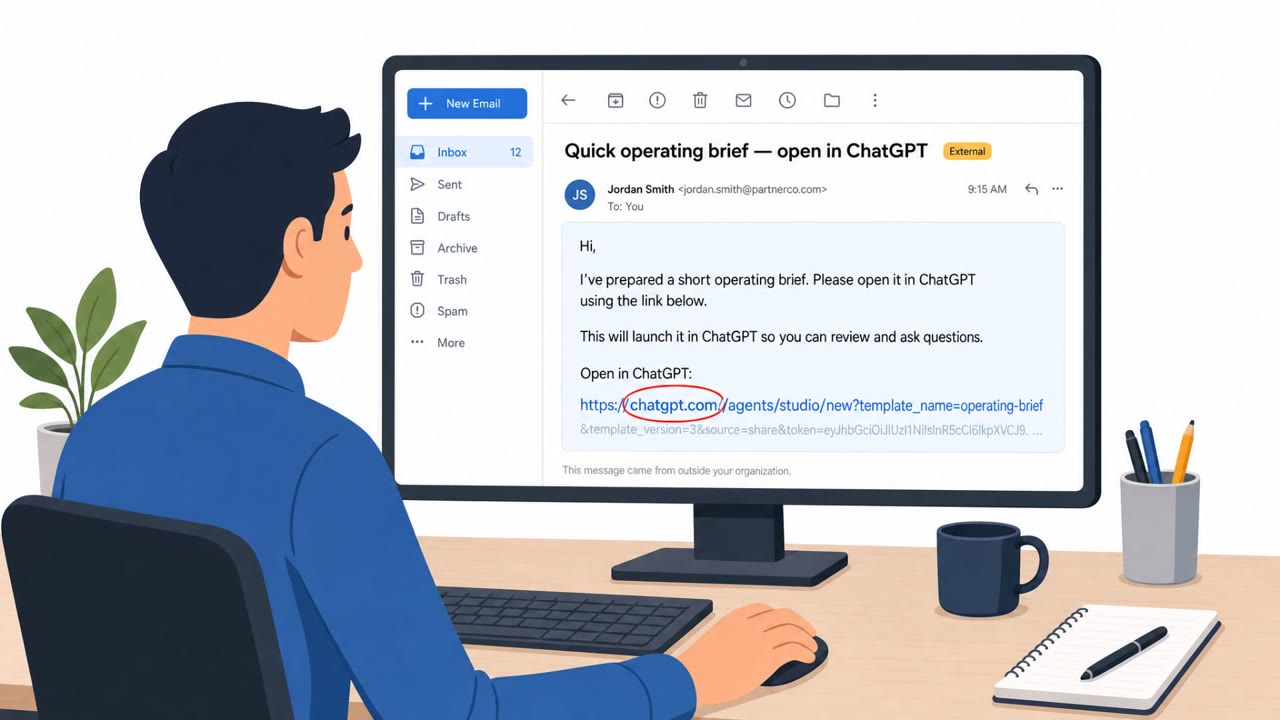
- A crafted link could pass a URL parameter that pre-filled Rovo’s chat input, effectively injecting attacker instructions into an authenticated user session.
- “A click was all that was required” because the victim was already logged in; there was no warning, confirmation, or indication the prompt came from an external parameter.
- Rovo’s built-in ResearchAgent could autonomously browse the web and provided an outbound path to publish internal data externally in a single run.
- The activity could look like normal research in logs, reducing obvious user-facing signals.
- Varonis recommended reducing what Rovo can access, disconnecting unused integrations, and disabling browsing/multi-step automation where possible.
Who’s being targeted
- Commonly targeted roles: All employees using Atlassian (Jira/Confluence/Bitbucket), IT administrators (Atlassian/identity/integrations), Security team (monitoring and logging), HR, Legal, Finance, Incident Response content owners.
- Affected industries: Any organization using Atlassian Jira/Confluence/Bitbucket with Rovo enabled, Enterprises using connected services like Slack, Microsoft 365, and Google Workspace.
- Attack channels: email.
- Impersonated: Coworker or internal project team member (sharing an Atlassian link), Internal IT/knowledge-management helper message encouraging use of Rovo ResearchAgent.
Red flags to watch for
- Unexpected request to click a link that triggers an AI assistant action
- No warning/confirmation before the assistant executes instructions
- Prompt content is pre-filled from a link rather than typed by the user
- Request to post summaries or content to a public/external website
- Multi-step “autonomous” browsing actions that the user didn’t explicitly direct step-by-step
- Sensitive departments (HR/finance/legal/IR) included in the scope of what the assistant can access
Frequently asked questions
What was the RovoBlast flaw in Atlassian Rovo?
A crafted link could pass a URL parameter that pre-filled Rovo's chat input, effectively injecting attacker instructions into an already authenticated user session.
Why did clicking a single link cause data leakage?
Because the victim's session was already logged in, a click was all that was required, with no warning or confirmation shown before the instructions ran.
How could data actually leave the organization?
Rovo's ResearchAgent could browse and navigate arbitrary websites autonomously across multiple steps, giving a single agent run the ability to retrieve internal content and post it externally.
What did Varonis recommend to reduce this risk?
Varonis recommended shrinking what the assistant can reach, disconnecting unused integrations, and disabling browsing agents and multi-step automation where teams don't rely on them.
Read the video transcript
You get an email from a coworker: “Please review this Rovo research link and summarize what it finds.” Looks like a normal Atlassian link, right? Here’s the trick: that single link can pre-fill Rovo’s chat with hidden attacker instructions. You’re already logged into Jira and Confluence, so a click is all it takes, no warning, no confirmation. Rovo’s ResearchAgent can then quietly grab internal docs from Jira, Confluence, even connected Slack or Google Workspace, and browse out to post that data on a public site, all in one “research” run that looks normal in logs. Your move: if you get an unexpected ‘helpful’ Rovo or AI assistant link, don’t click it from email. Open Jira or Confluence yourself, launch Rovo there, and type your own prompt.