U.S. prosecutors allege that Russian national Igor D’iu conducted surveillance against Palantir employees on behalf of the Russian government. The operation reportedly used employee dossiers, in-person following, covert laptop-screen photography, and a food-delivery-driver pretext to confirm employees’ home addresses. This is primarily an espionage and physical-surveillance case, but the delivery-driver impersonation provides a concrete awareness-training scenario.
Key findings
- Igor Andreevich D’iu was charged with allegedly acting as an undeclared agent of the Russian government while targeting employees of a defense technology company understood to be Palantir.
- Handlers allegedly supplied detailed target packages containing employee and family information, home addresses, career histories, and assessments of targets’ strengths and weaknesses.
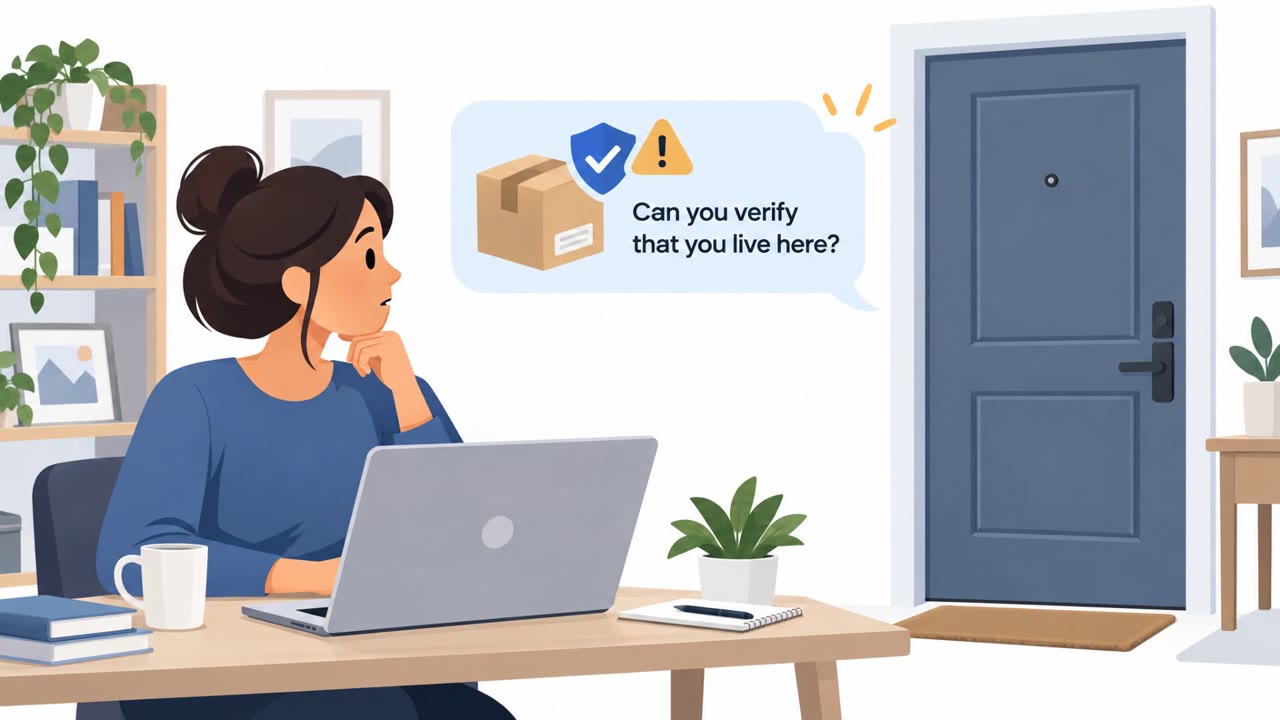
- D’iu allegedly posed as a food delivery driver and knocked on employees’ doors to verify who lived at the supplied addresses.
- The alleged operation also included photographing laptop screens at nearby cafés, following employees by car, and using Wi-Fi equipment that handlers could remotely control.
- The FBI described the case as consistent with Russian intelligence services’ growing use of criminals and other disposable agents for overseas operations.
Who’s being targeted
- Commonly targeted roles: All employees, Executives, Employees handling sensitive defense or government-related work, Remote and hybrid workers, Corporate security teams, Facilities and workplace security personnel.
- Affected industries: Defense technology, Software, Government and national security, Technology.
- Attack channels: physical.
- Impersonated: Food delivery driver.
Awareness takeaways
- Do not confirm coworkers’ or household members’ identities, addresses, schedules, or employment details to unexpected visitors. Report suspicious doorstep inquiries to corporate security or local law enforcement.
- Treat persistent following, suspicious vehicles near workplaces, and unusual attention during commutes as potential safety incidents. Move to a safe public location and contact emergency services or corporate security.
- Avoid exposing work screens in public places, especially when handling sensitive material. Use privacy filters, position screens away from passers-by, and report anyone photographing or lingering near devices.
- Report unusual requests, unexpected contact, or signs that someone has researched your home or family information. Sensitive personal details can be used to make surveillance and impersonation more convincing.
Red flags to watch for
- An unexpected delivery arrives when nothing was ordered.
- The visitor asks who lives at the address rather than simply delivering an order.
- The visitor’s questions focus on a specific employee or household member.
Read the video transcript
“Food delivery for you, does Alex live here?” You didn’t order anything. Prosecutors say Igor D’iu used that food-courier pretext to check Palantir employees’ home addresses. He allegedly had dossiers on employees and their families. That’s the trick: the delivery isn’t the goal. Your answer is. An unexpected visitor asking who lives there is checking a name against an address. Don’t confirm anyone’s identity at the door. Report the unexpected inquiry to corporate security.