US prosecutors allege that Russian national Igor D'iu was directed through Telegram to spy on employees of a Palo Alto defense technology company, widely reported to be Palantir. The alleged operation included photographing screens in coffee shops, following employees, placing remotely controlled equipment near homes, and posing as a food delivery worker to verify employees' addresses.
How the Alleged Operation Worked
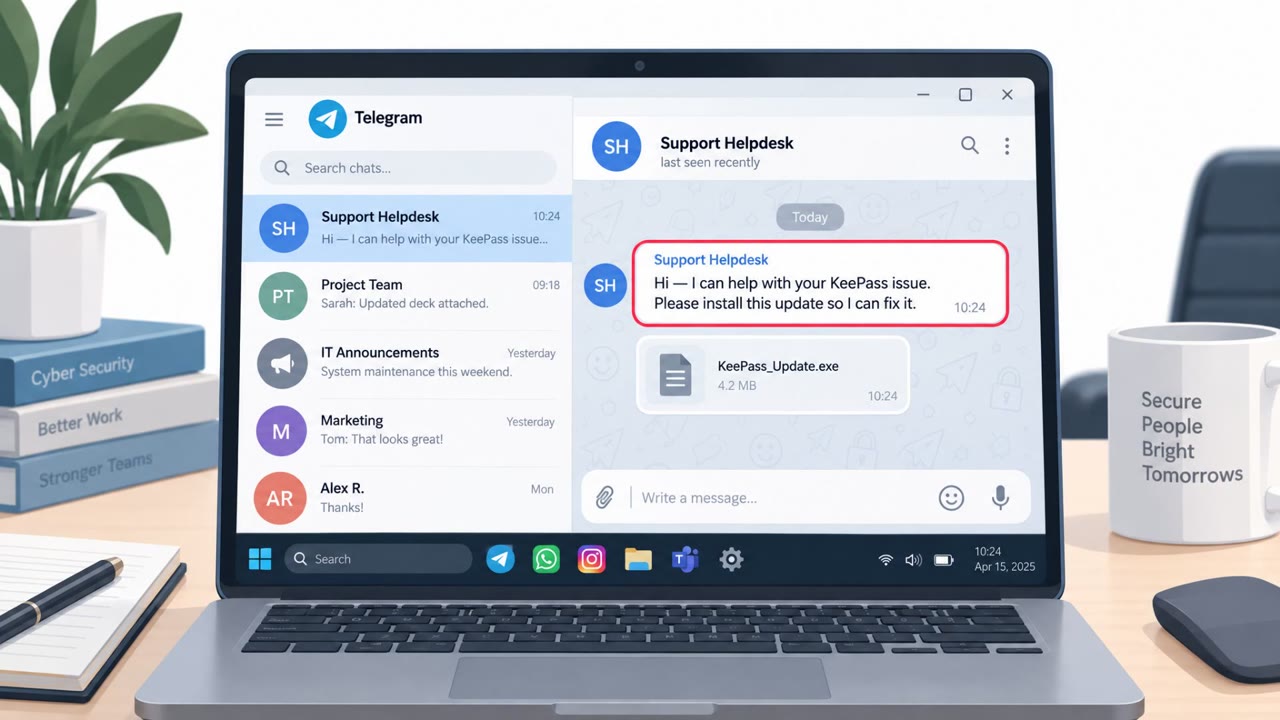
According to federal prosecutors, Igor D'iu received instructions through Telegram from contacts believed to be linked to Russia's FSB. The alleged target was a large Palo Alto technology and defense company, widely reported as Palantir, and its employees. The operation reportedly combined several tactics: photographing employee laptop screens at coffee shops, following employees in vehicles, placing remotely controlled devices near residences, and physically visiting employee homes.
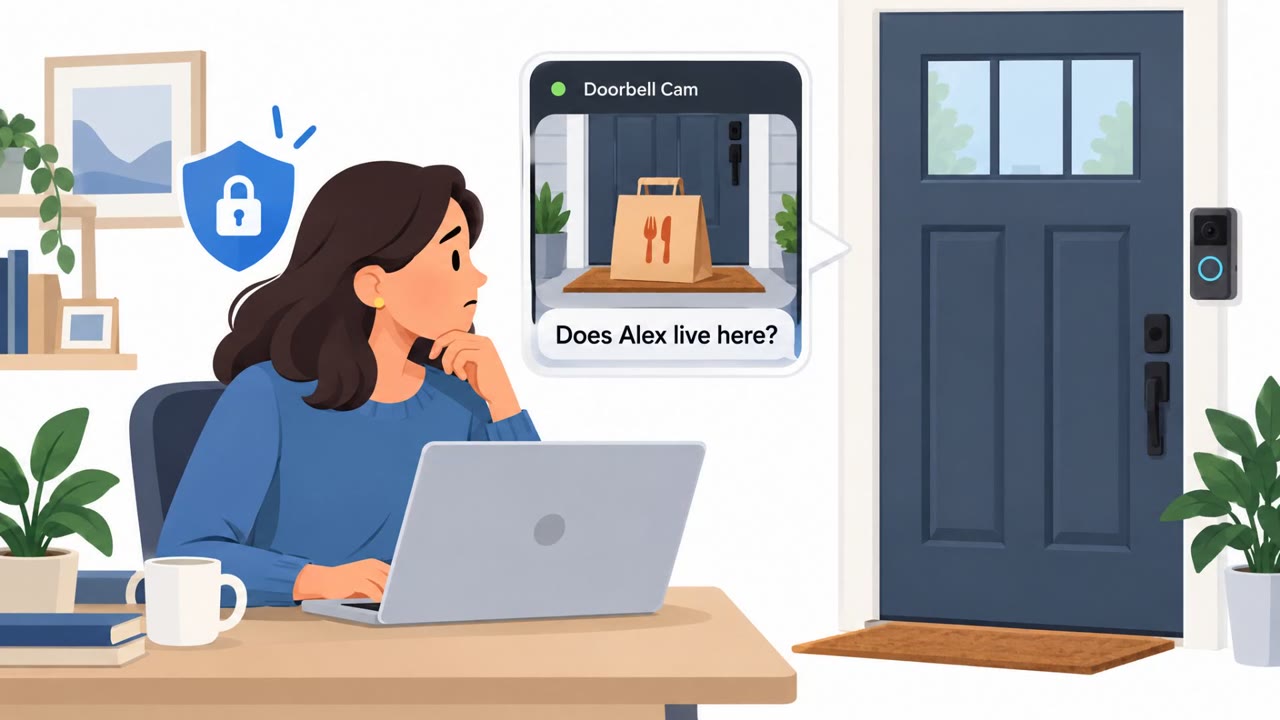
One alleged tactic stands out because it relies entirely on everyday trust rather than technical skill. A Telegram handler allegedly sent D'iu photographs and home addresses of at least four employees, along with instructions to dress as a food delivery worker and ask whoever answered the door whether they lived there. This single step allegedly let the operation confirm sensitive personal details, home addresses tied to specific individuals, using a disguise that rarely draws suspicion.
Why This Pretext Succeeded
A food delivery visit is one of the most unremarkable interactions a person has in daily life. Few people question a delivery worker's presence or credentials, which makes the pretext effective for verifying information without raising alarm. Investigators reportedly recovered employee profile packages containing personal histories, relatives' names, and strengths and weaknesses assessments, suggesting the physical verification step fed into a broader intelligence-gathering effort rather than standing alone.
What to Watch For
- An unexpected delivery worker who asks identity or residency questions instead of completing a delivery
- A visitor with no order details, recipient name, or verifiable delivery information
- Requests focused on confirming personal information rather than finishing a transaction
- Repeated contact or vehicles that appear to follow an employee's route home
- Anyone photographing laptop screens or work materials in public spaces like coffee shops
How to Build Resistance
Organizations and individuals in defense technology and similar fields can reduce exposure to this kind of physical social engineering by training employees to treat unexpected questions about addresses, routines, or colleagues as potential reconnaissance. Employees should avoid confirming residency or identity to unexpected visitors and instead verify deliveries through official apps or customer service channels. Screens should be positioned away from public view when working remotely, and any sense of being followed or tracked should be reported immediately to corporate security or law enforcement. Because this alleged operation blended digital coordination with low-tech physical tactics, awareness training needs to cover both domains rather than focusing solely on phishing or network intrusion.
Key findings
- The FBI alleges Igor D'iu received operational instructions from Telegram contacts believed to be linked to Russia's Federal Security Service (FSB).
- The alleged target was a large Palo Alto technology and defense company, widely reported as Palantir, and its employees.
- The operation allegedly combined in-person surveillance, screen photography at coffee shops, employee stalking, and remotely operated devices placed near employee residences.
- A Telegram contact allegedly provided employee photographs and home addresses, then instructed D'iu to impersonate a food delivery worker and confirm whether people lived at those locations.
- Investigators reportedly seized employee profile packages containing personal histories, relatives' names, and assessments of strengths and weaknesses.
Who’s being targeted
- Commonly targeted roles: Defense technology employees, Remote workers, Executives and senior leaders, Employees who work from coffee shops or other public locations, Corporate security teams, Reception and facilities staff.
- Affected industries: Defense technology, Information technology, Government contractors, Defense and national security.
- Attack channels: physical.
- Impersonated: Food delivery worker.
Red flags to watch for
- An unexpected delivery worker asks identity or residency questions instead of delivering an order.
- The visitor has no order details, recipient name, or verifiable delivery information.
- The request concerns personal information rather than completing a delivery.
Frequently asked questions
What happened in this alleged espionage case?
US prosecutors allege Igor D'iu was directed through Telegram contacts to surveil employees of a Palo Alto defense technology company, including photographing screens in coffee shops, following employees, and posing as a food delivery worker to confirm home addresses.
Why did the suspect pose as a food delivery worker?
A Telegram contact allegedly sent D'iu photos and addresses of employees and instructed him to dress as a food delivery worker, visit the locations, and ask whoever answered to verify they lived there.
What should employees do if a delivery worker asks unusual questions?
Do not confirm identity, address, or employer details to an unexpected visitor. Verify any delivery through the official app or customer service line, and report suspicious visits to corporate security.
What other surveillance tactics were allegedly used?
Investigators allege the operation combined in-person stalking, photographing employee laptop screens in coffee shops, remotely operated devices near homes, and detailed profile packages on targeted employees.
Read the video transcript
“Can you verify that you live here?” That’s not a delivery question. Prosecutors allege Igor D'iu got employee photos and addresses through Telegram, then posed as a food delivery worker to check who lived there. Palantir employees were reportedly targeted. The giveaway: no order details, no recipient name, just questions about you. Investigators also allege screen photos at coffee shops and surveillance near employees’ homes. Unexpected delivery asking who lives here? Don’t answer. Check the order in your delivery app.