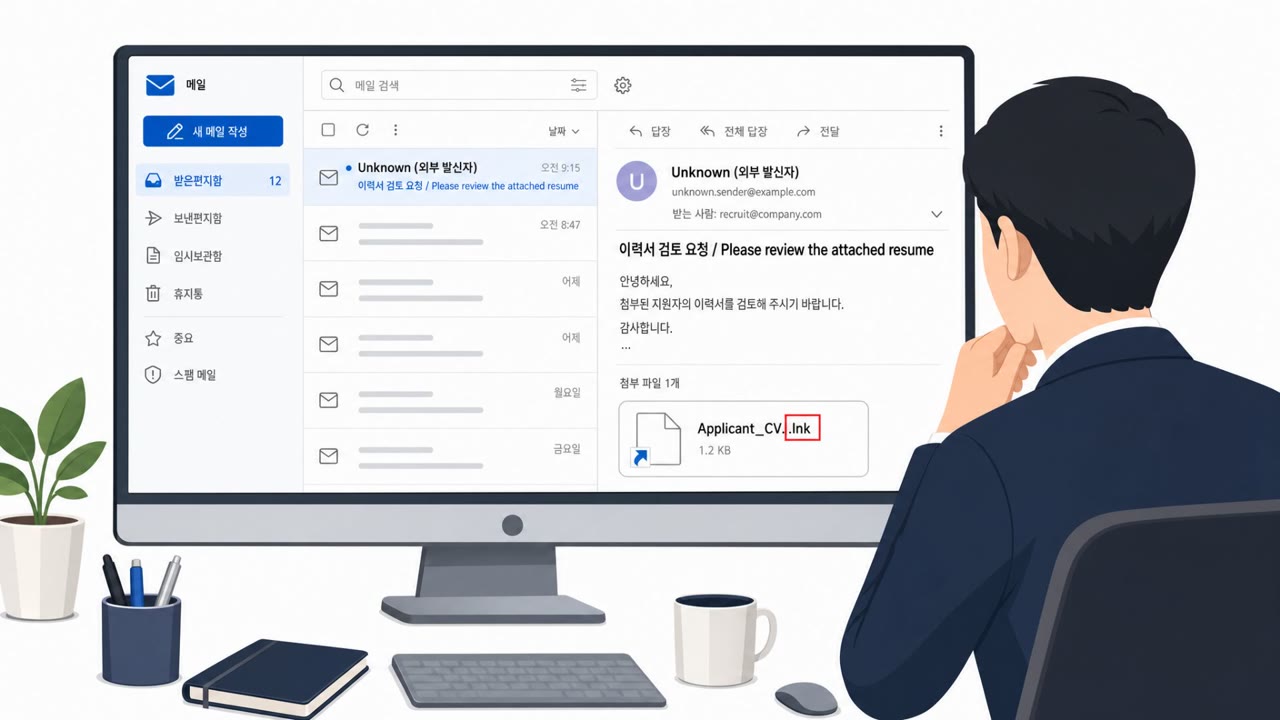
Researchers tracked Kazakhstan-nexus group UAT-6275 (TAG-193) targeting government organizations across Central Asia and the wider CIS using convincing decoy documents tied to diplomacy and energy. The campaigns used malicious files (macro-enabled Word docs, shortcuts, and a WinRAR exploit) to install remote-access tools, and also included at least one credential-harvesting site impersonating a government service.
Key findings
- UAT-6275/TAG-193 targeted government organizations across the CIS; artifacts also indicate interest in water resources and energy.
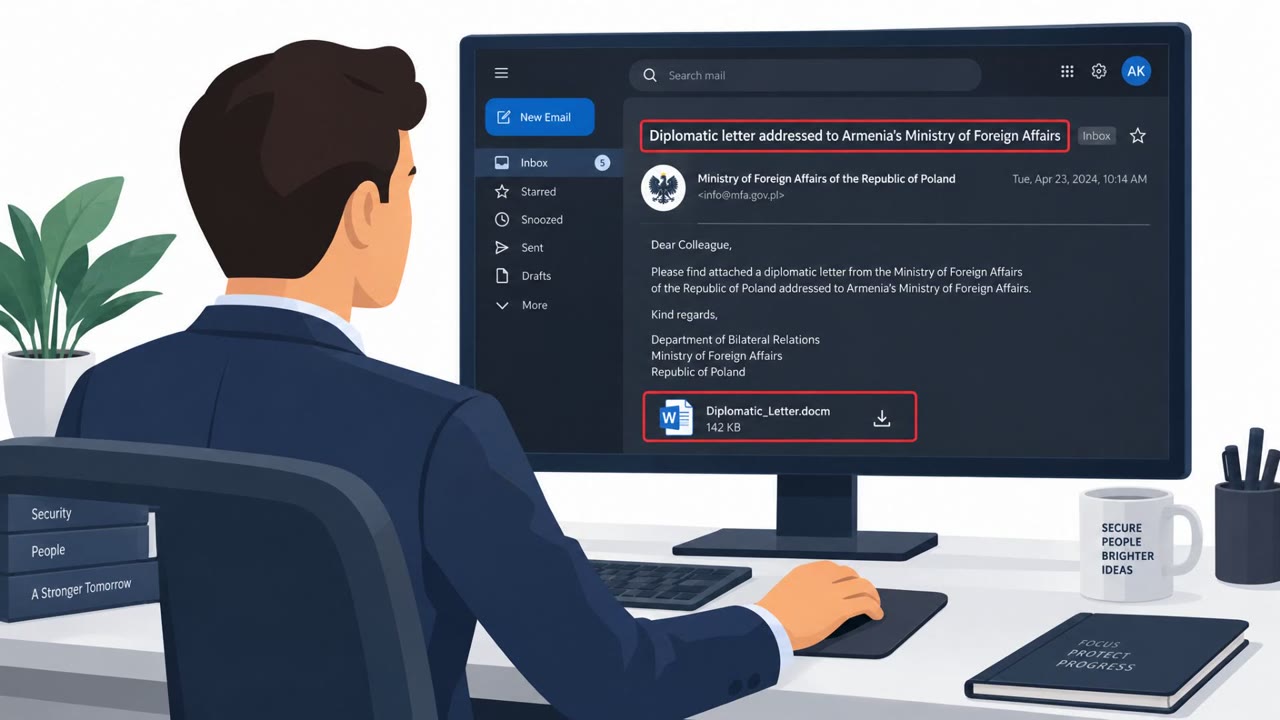
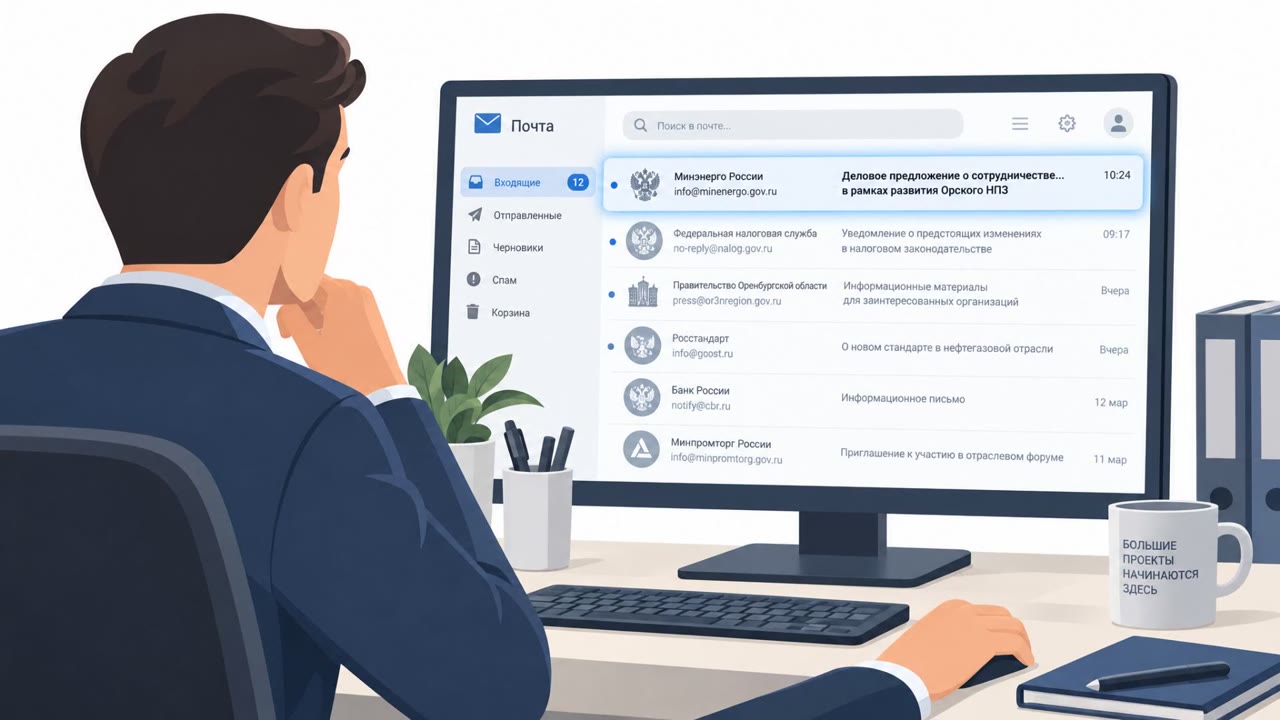
- Decoy documents were used to socially engineer victims, including diplomatic and energy-themed content.
- Multiple delivery methods were observed: macro-enabled Word documents, PS2EXE-based downloaders, shortcut-launched PowerShell fetching payloads from GitHub, and a crafted WinRAR archive exploiting CVE-2025-8088.
- The campaign included 'a credential-harvesting site impersonating Azerbaijan’s State Agency for Public Service.'
- Exposed staging directories and GitHub history provided visibility into malware builds, tooling, and C2 changes.
Who’s being targeted
- Commonly targeted roles: Government leadership, Diplomatic affairs / foreign ministry staff, Energy and environmental agency staff, Executive assistants, IT and security operations.
- Affected industries: Government, Diplomatic affairs / foreign ministries, Environmental management / water resources, Energy / oil and gas.
- Attack channels: email, website.
- Impersonated: Russian diplomatic sender / diplomatic mission, Turkmennebit (state oil company) or Orsk Oil Refinery management, Azerbaijan’s State Agency for Public Service.
Awareness takeaways
- Treat unexpected “official” diplomatic or government documents as high risk, verify via known, separate channels before opening attachments.
- Be cautious with proposal-themed attachments (especially archives): attackers may use realistic energy/resource topics to get recipients to open malicious files.
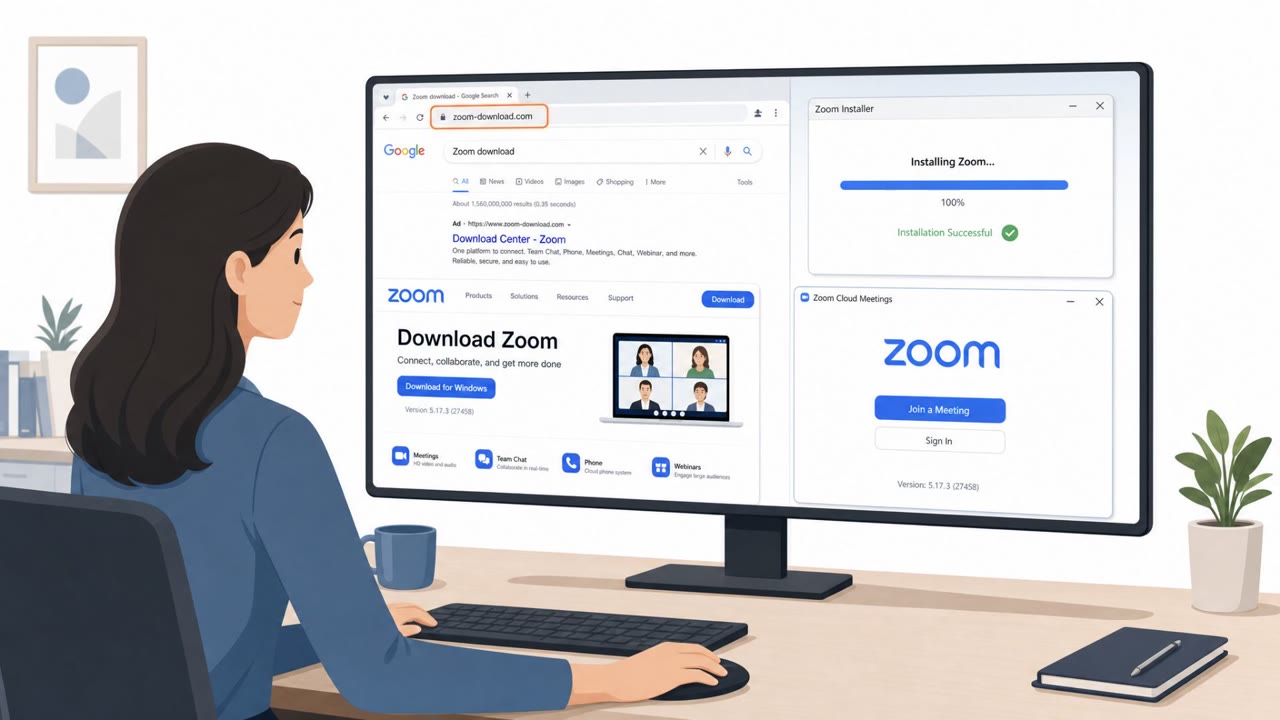
- Don’t enter credentials into lookalike government portals; verify the exact URL and use bookmarks or known official links.
- For IT teams: watch for unusual PowerShell activity and downloads from public code-hosting sites; these can be signs of malware delivery.
Red flags to watch for
- Unexpected diplomatic document arriving by email
- Attachment requires enabling macros/active content
- Sender identity is difficult to verify independently
- Unsolicited 'proposal' sent as an attachment
- Pressure to review an attachment instead of using official channels
- Attachment format could be unusual for business proposals (e.g., archive file)
- Login page URL/domain does not match the official government domain
- Unexpected login request not initiated by the user
- Page design/content looks slightly off or incomplete
Read the video transcript
You get an email: “Subject: Congratulatory letter (diplomatic correspondence)” from a supposed Russian mission, with an attached Word file. This is Silent Lynx, UAT-6275, going after CIS officials with fake diplomacy and energy documents, Word macros, shortcut files, even a booby-trapped WinRAR archive exploiting CVE-2025-8088. The hook is realism: a diplomatic letter to Armenia’s MFA, or a “Cooperation proposal with Orsk Oil Refinery,” plus a fake portal mimicking Azerbaijan’s State Agency for Public Service to steal your login. If you get an unexpected “official” letter or proposal, don’t open the attachment or log in via that link, call or message the contact through your usual government channel and confirm it first.