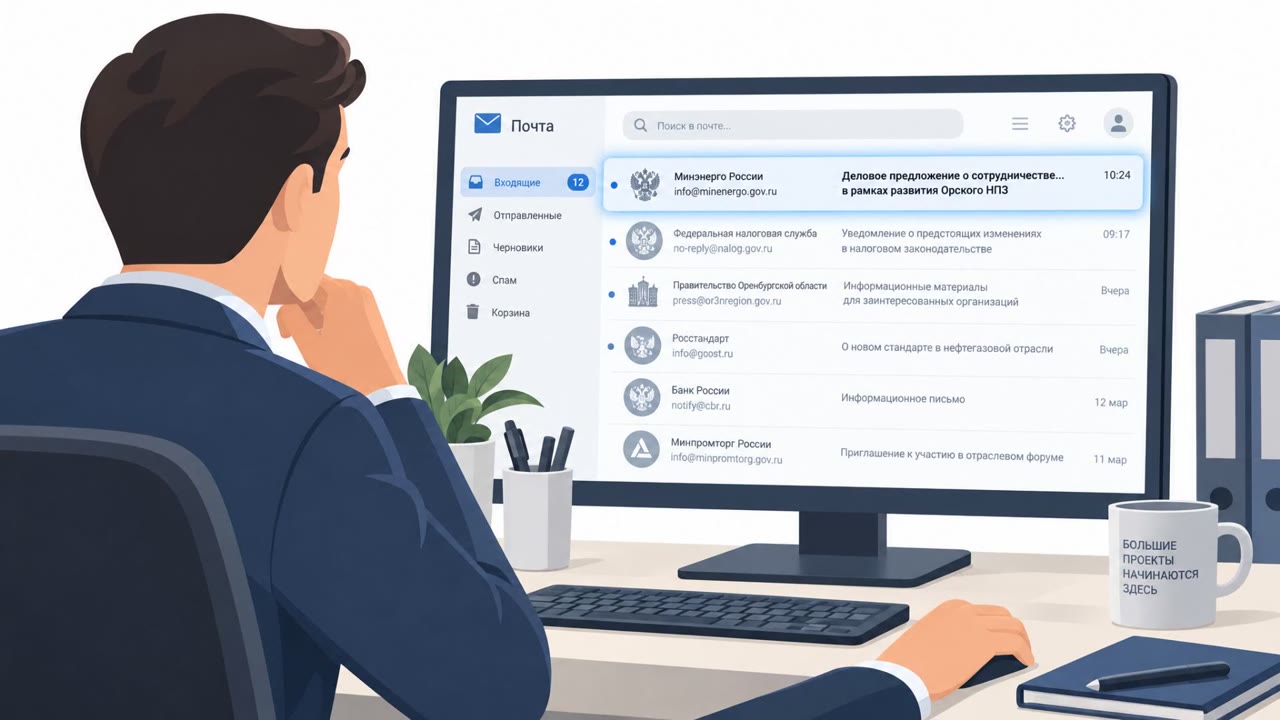
Researchers report that the threat actor Silent Lynx ran multiple real-world spear‑phishing campaigns against government organizations across Central Asia and the wider CIS region. Victims were lured with official-looking documents (e.g., diplomatic letters, airspace applications, and oil refinery business proposals) that led to malware delivery and remote access via custom reverse shells.
Key findings
- Silent Lynx (tracked as UAT-6275 / TAG-193) targeted government organizations across Central Asia and the CIS using spear‑phishing and official-looking decoy documents.
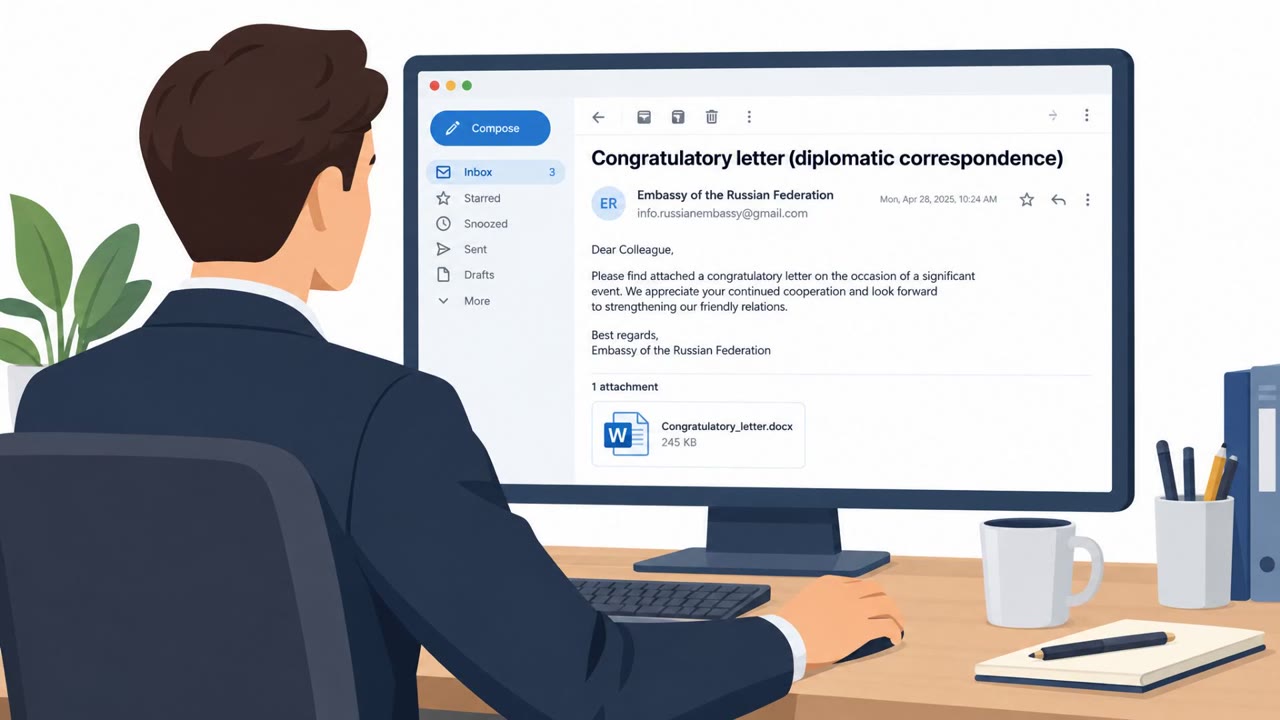
- Lures included a diplomatic letter, an airspace application form, and a business proposal related to an oil refinery, and emails were sent from compromised government accounts.
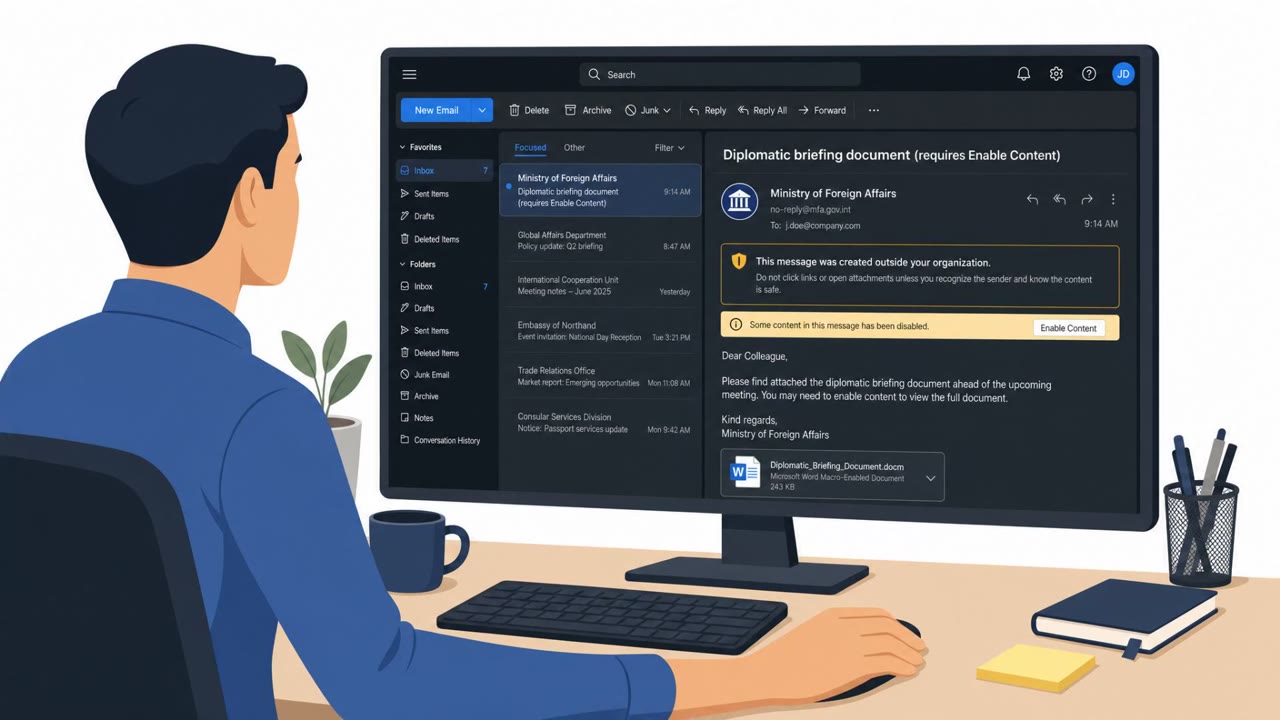
- Multiple delivery chains were observed, including macro-enabled documents, PowerShell downloaders, GitHub-hosted scripts, and crafted RAR archives (including one exploiting CVE-2025-8088).
- Payloads included custom reverse shells (FoalShell, Chvost, Laplas, PickleShell) enabling interactive remote access.
- Later activity included weaponizing a WinRAR vulnerability to drop malware into the Windows Startup folder for persistence.
Who’s being targeted
- Commonly targeted roles: Government staff, Executive leadership in government agencies, Foreign affairs / diplomacy, Economic ministries, Energy and environmental agencies, Aviation/transportation administration, Administrative assistants and operations teams.
- Affected industries: Government, Energy, Utilities, Environmental agencies.
- Attack channels: email.
- Impersonated: Compromised government account (official sender).
Awareness takeaways
- Treat unexpected ‘official’ attachments as suspicious, even if they look like legitimate government paperwork.
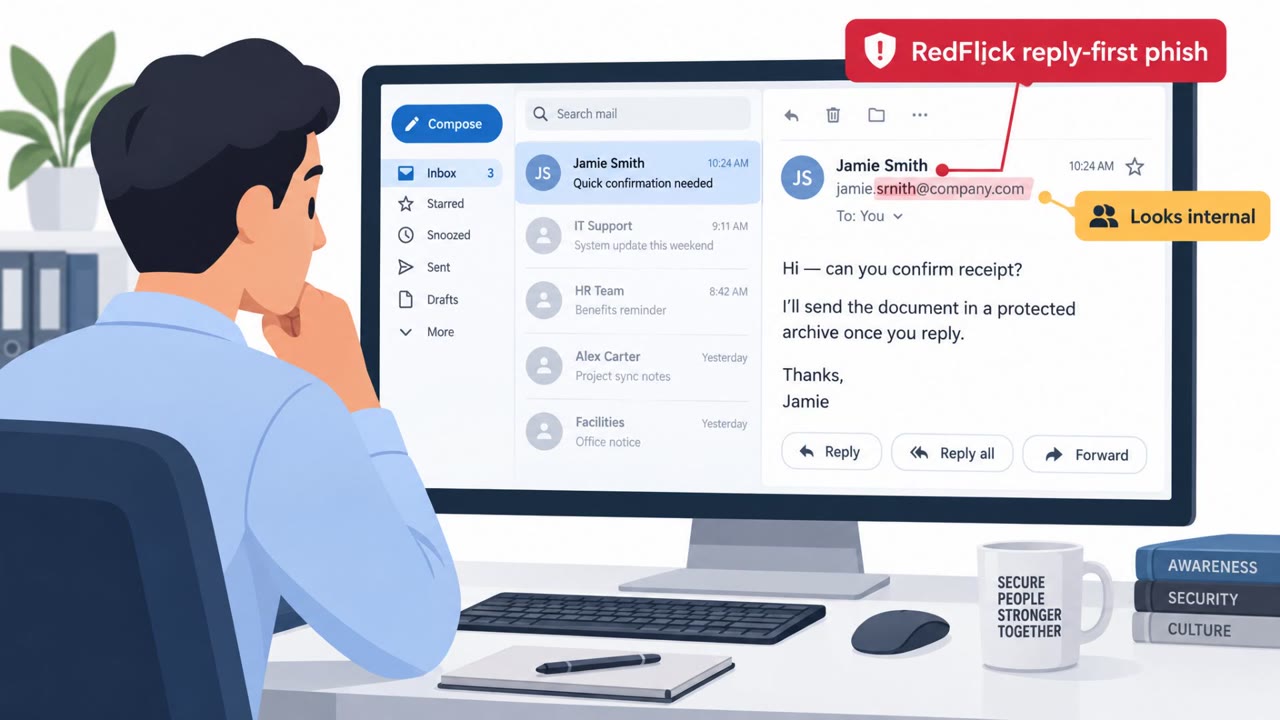
- Do not trust an email just because it appears to come from a real government address; compromised accounts can be used to target colleagues and partners.
- Be especially cautious with attachments tied to diplomatic, trade, energy, or aviation topics, attackers tailor lures to your mission.
- Report and isolate suspicious documents immediately; these campaigns are designed to lead to remote access on the victim’s computer.
Red flags to watch for
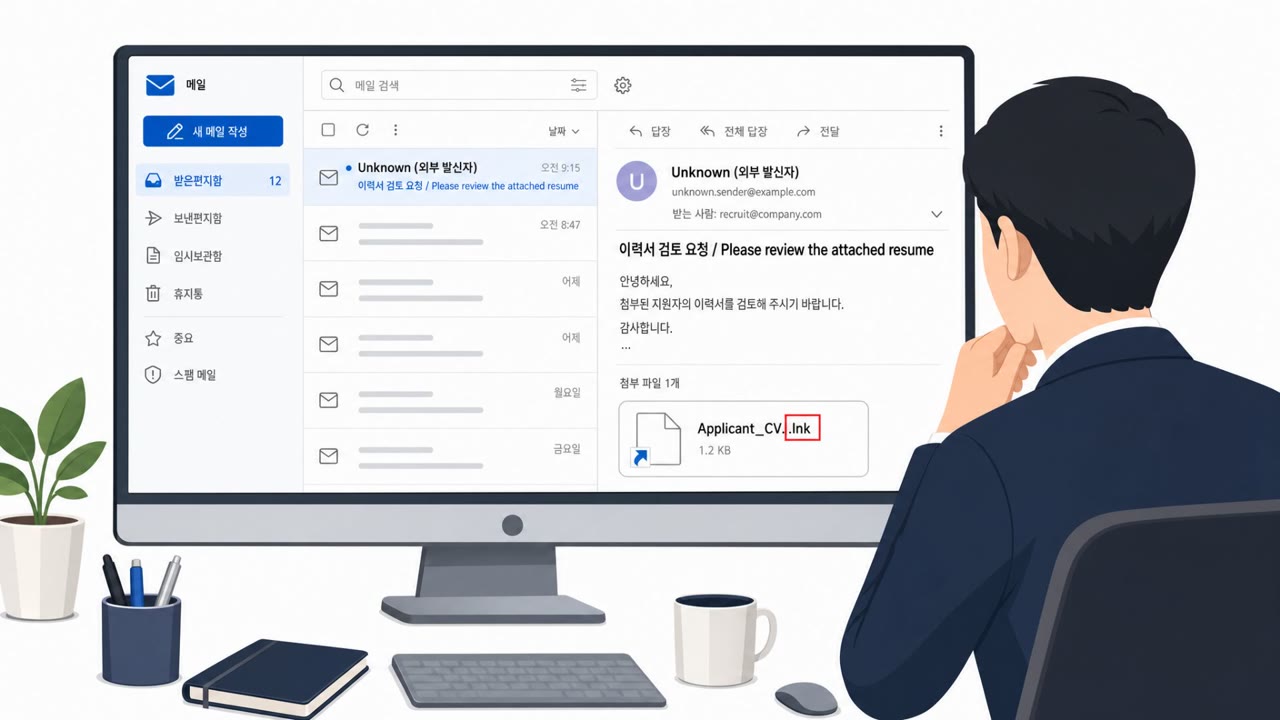
- Unexpected diplomatic document sent as an attachment
- Sender appears official but comes from a compromised account (trust abuse)
- Pressure to open a document tied to sensitive international matters
- Unexpected form attachment related to airspace/aviation
- Official-looking document used to build trust
- Attachment-driven workflow (document open is the key step)
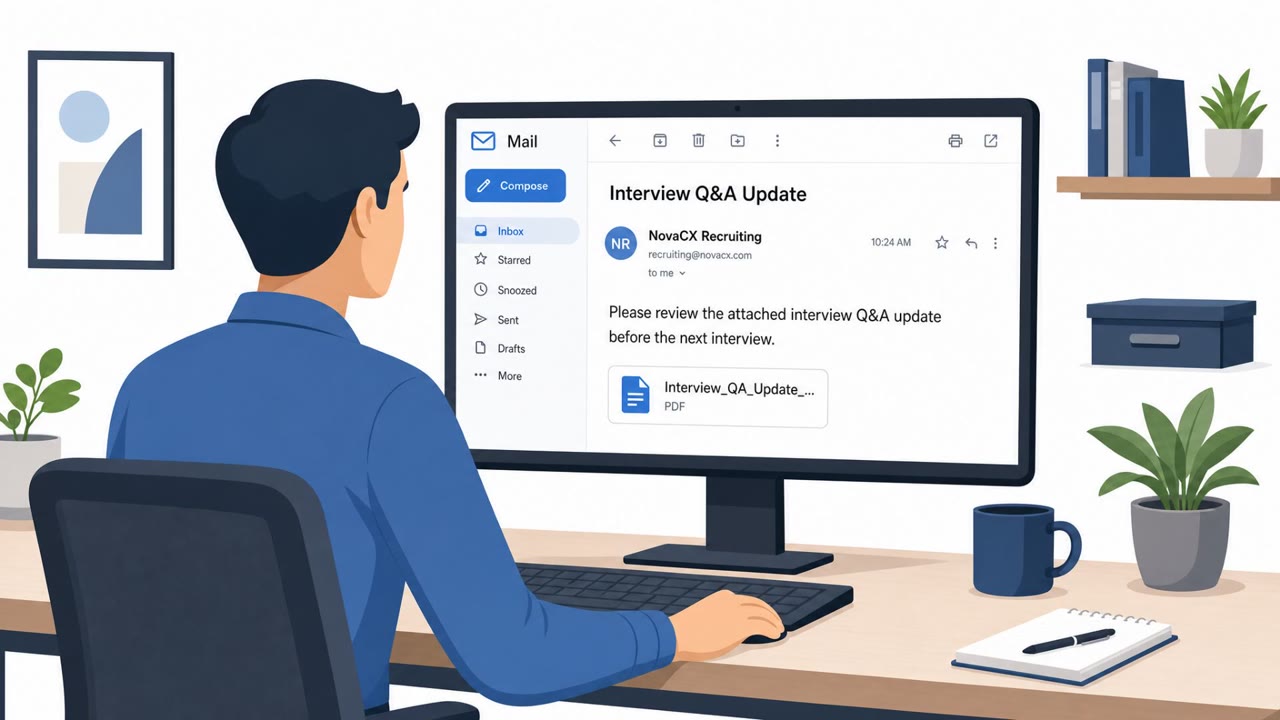
- Unsolicited business proposal attachment
- Document theme tailored to recipient’s sector (economic/energy)
- Trust cue: appears to come from an official government mailbox
Read the video transcript
Imagine this: “Subject: Diplomatic letter addressed to Armenia’s Ministry of Foreign Affairs” lands in your inbox, looks 100% official. Silent Lynx, tracked as UAT-6275 and TAG-193, sends these from compromised government accounts, diplomatic letters, Turkmenistan airspace forms, even oil refinery proposals, each attachment wired to macros, PowerShell, GitHub scripts, or booby-trapped RAR files. Open it, and you’re not just reading a letter, you’re handing them remote access via custom shells like FoalShell, Chvost, Laplas, or PickleShell. The trick? They abuse your trust in that familiar government sender and the ‘this looks like normal paperwork’ feeling. If you get an unexpected diplomatic, airspace, trade, or energy document, even from a real government address, stop. Don’t open it. Report it to security and forward the email so they can isolate it.