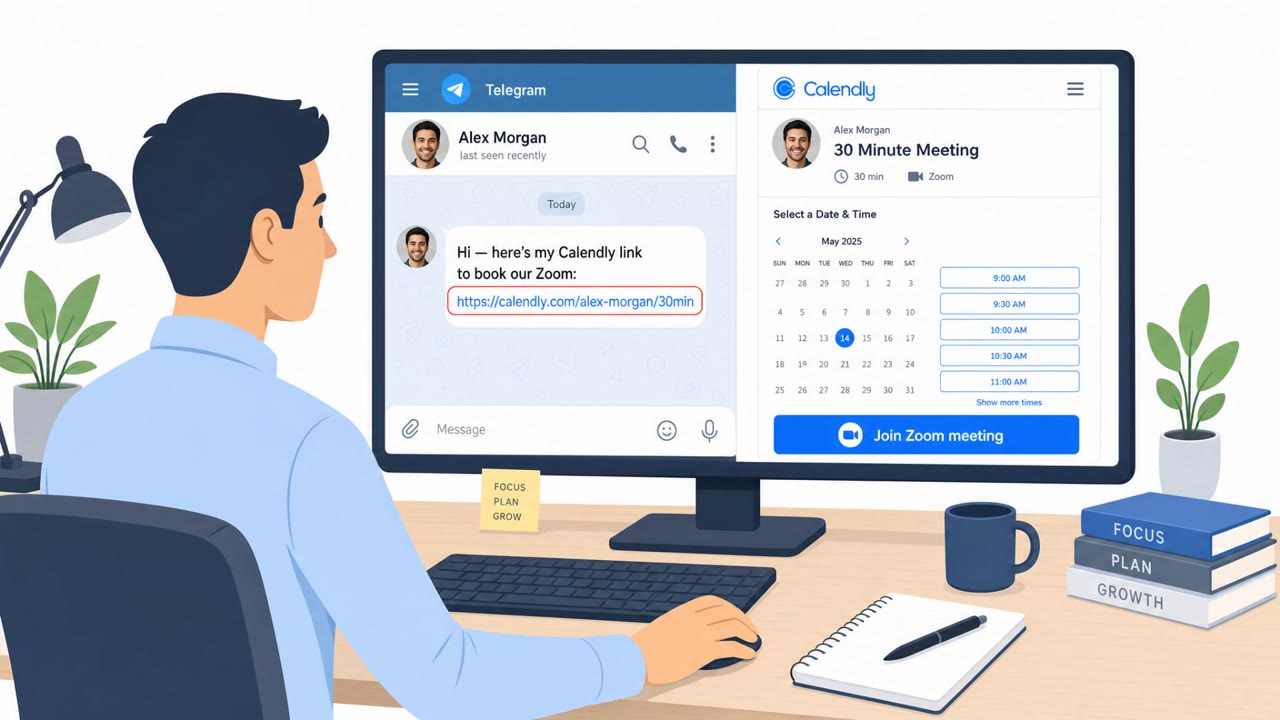
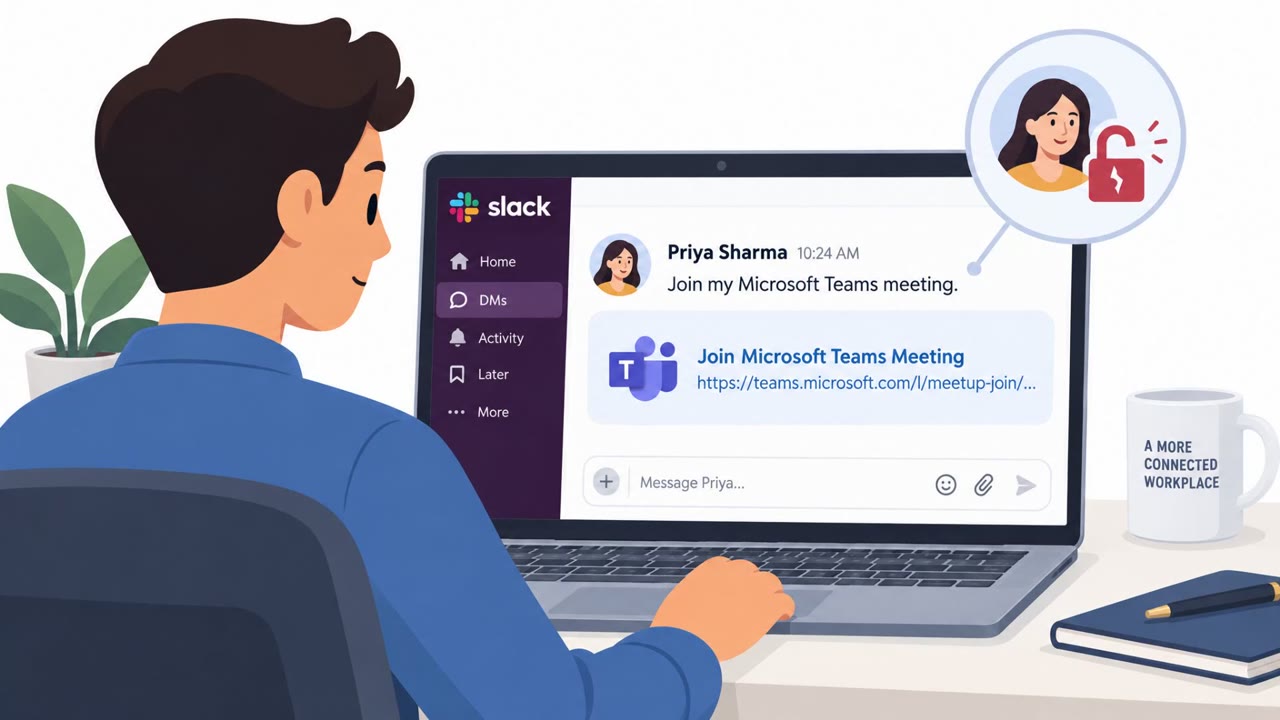
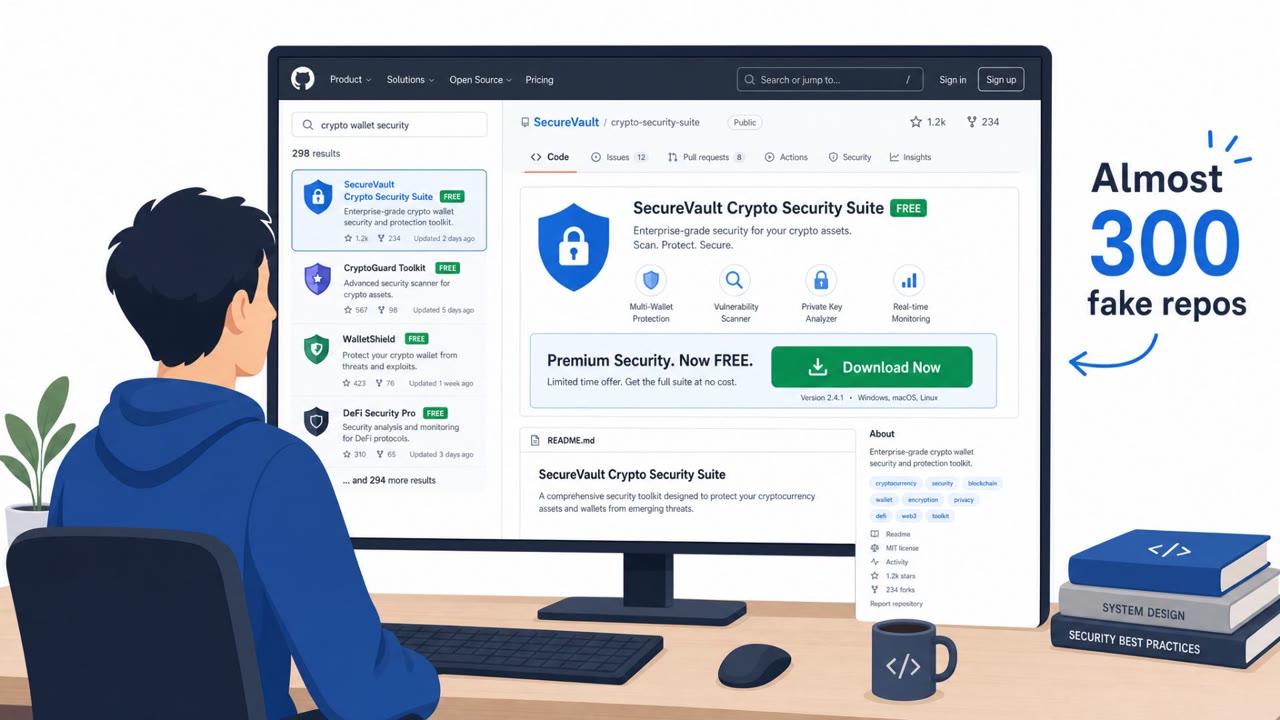
U.S. authorities disrupted FaceStealer, a North Korean social-engineering operation that used stolen accounts, fake Zoom or Teams invitations, and recorded or AI-generated video to trick people into installing malware. The scheme targeted cryptocurrency organizations and open-source software developers, then used each compromised person’s accounts, contacts, and webcam recordings to make later scams more convincing.
Key findings
- The FBI and Justice Department disrupted FaceStealer infrastructure used by North Korean hackers to steal more than $400 million in cryptocurrency over 18 months.
- Attackers sent Calendly invitations for Zoom or Teams meetings using accounts stolen from prior victims.
- Meeting links led to attacker-controlled fake domains, where a supposed technical fix installed malware before or during a fake video meeting.
- Attackers used prior victims’ videos, webcam recordings, chat histories, and sometimes AI deepfakes to impersonate trusted contacts and make meetings appear legitimate.
- The malware could harvest browser cookies, record keystrokes, capture screens, and provide attackers with ongoing access.
- Targets included cryptocurrency-industry personnel, open-source software developers, maintainers, and maintainers of high-download software libraries.
Who’s being targeted
- Commonly targeted roles: Cryptocurrency and digital-asset staff, Software developers, Open-source maintainers, Engineering leaders, IT support teams, Employees using Zoom or Microsoft Teams, Staff with administrator access or access to sensitive accounts.
- Affected industries: Cryptocurrency and digital-asset services, Open-source software, Software development, Technology.
- Attack channels: email, website, vishing, telegram, linkedin, slack, discord.
- Impersonated: A known contact whose account was previously compromised, Trusted contacts and apparent meeting participants, A trusted colleague, professional contact, or developer contact.
Awareness takeaways
- Treat video-meeting invitations as untrusted when they arrive unexpectedly, including invitations sent by people you know. Confirm the request through a known, separate contact method before joining.
- Do not install software, browser extensions, or meeting ‘fixes’ offered during a call. End the call and use your organization’s approved support channel instead.
- Check meeting links carefully and access Zoom or Teams through the official application or known corporate portal rather than through an invitation link that leads to an unfamiliar domain.
- Do not assume a realistic face, voice, personal detail, or apparent group meeting proves that a request is genuine. Deepfakes and recordings can make fraud look like a trusted conversation.
Red flags to watch for
- The invitation or meeting URL leads to a domain that is not an official Zoom or Microsoft Teams domain.
- A meeting request arrives unexpectedly, even if it appears to come from a known contact.
- The meeting link asks the user to download or run something before the meeting starts.
- A video-meeting participant asks the target to install a fix through a link or prompt.
- The meeting contains prerecorded or artificial-looking participants rather than normal live interaction.
- The technical support action occurs outside the official Zoom or Teams application workflow.
- A familiar contact unexpectedly moves a conversation to a video meeting.
- The message uses personal or work context but requests an unusual external meeting link.
- The invitation comes after a long period without contact or contains an unexpected urgency to meet.
Read the video transcript
Your colleague invites you to Zoom. But is it really them? In FaceStealer, stolen accounts sent Calendly invites. The Zoom or Teams link opened a fake domain, then a meeting filled with recordings or AI deepfakes of familiar faces. Here’s the tell: 'You cannot be heard. Install this fix.' That download is malware. A familiar face, even your colleague’s, doesn’t make the link safe. Unexpected meeting invite or audio fix? Call that colleague using a number you already know, before joining or downloading.