Proofpoint linked multiple real-world email campaigns to “Cruciferra,” a commercial crypter service that helps criminals hide malware from security tools. The campaigns used familiar social-engineering themes, tax documents, U.S. Social Security Administration messages, and even bed-bug complaints, to trick recipients into clicking to fake pages or opening disguised files that delivered malware.
How the Attack Worked
Proofpoint traced several seemingly unrelated malware-delivery campaigns back to a shared component: a crypter-as-a-service called Cruciferra. A crypter does not deliver malware itself, it wraps and obscures other payloads so they are harder for security tools to detect. Because different threat actors used the same wrapper, campaigns with very different lures and final payloads shared a common thread underneath.
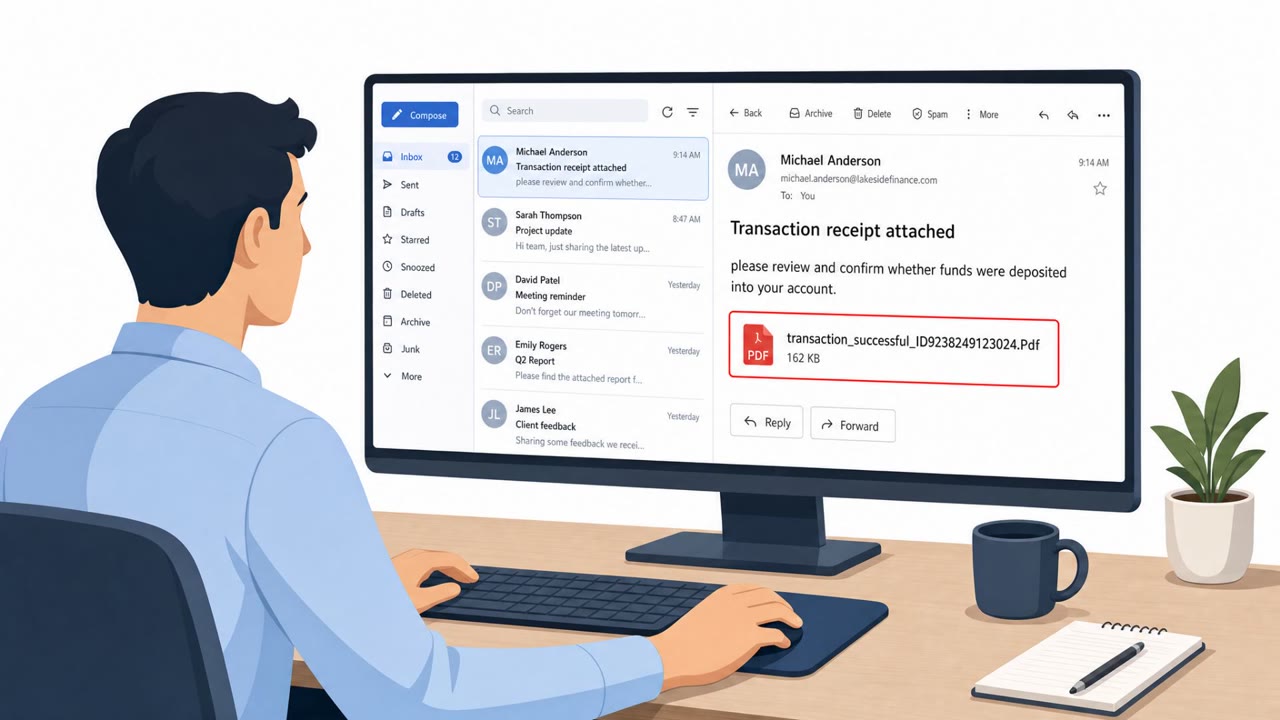
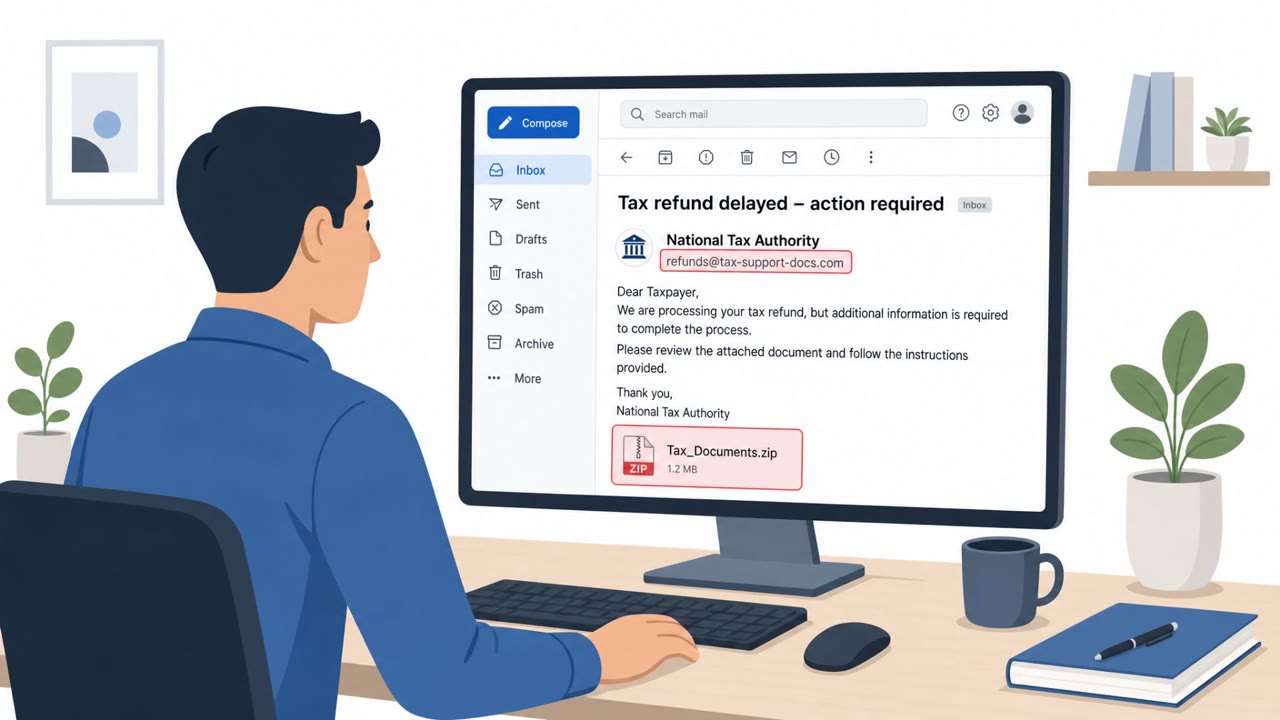
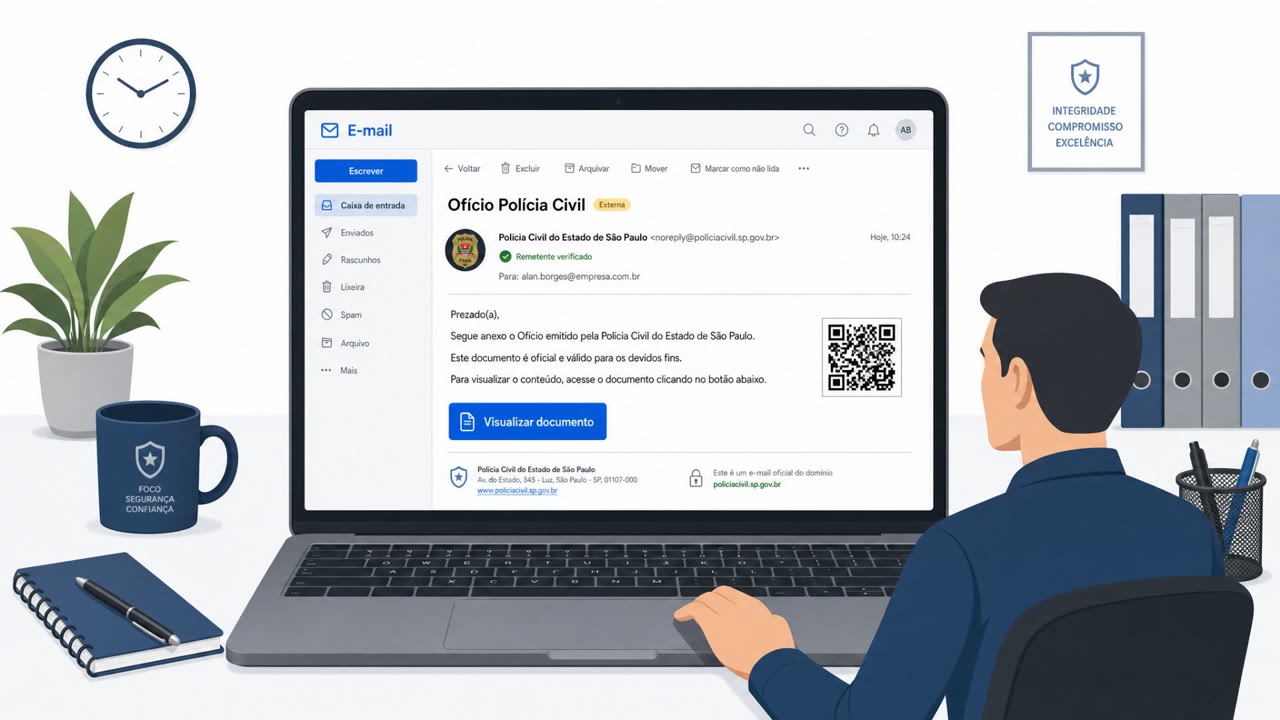
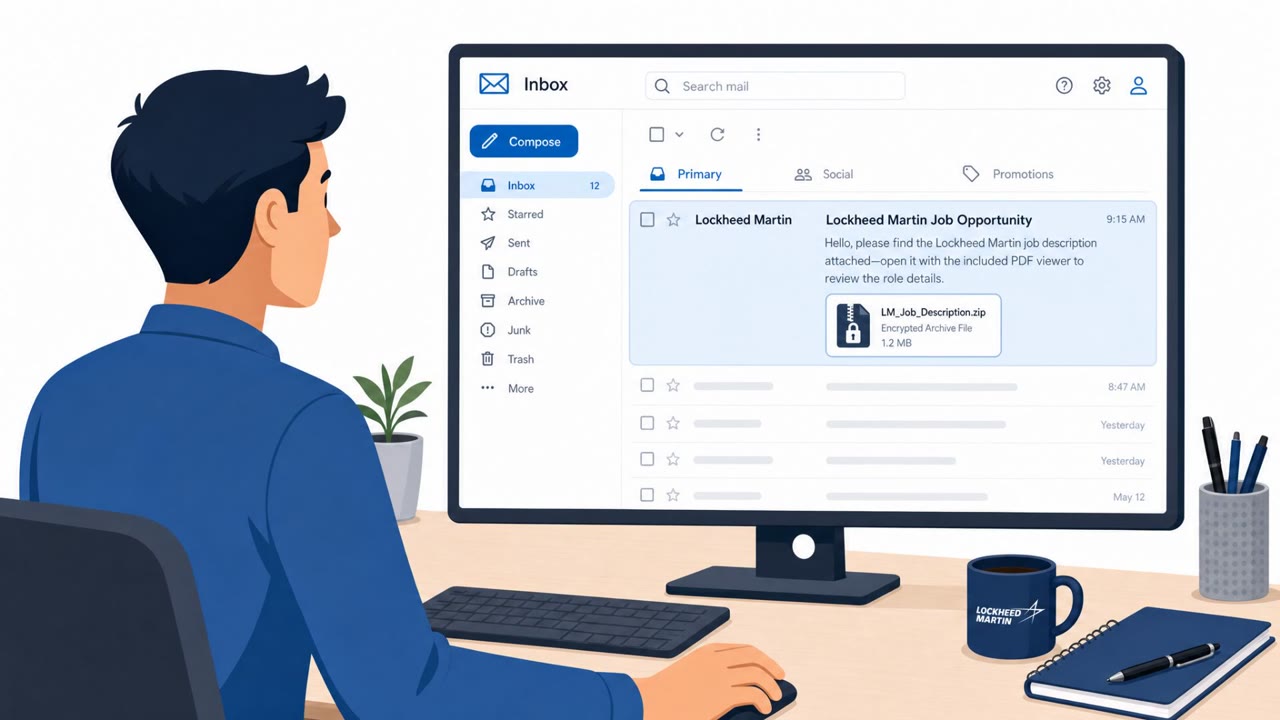
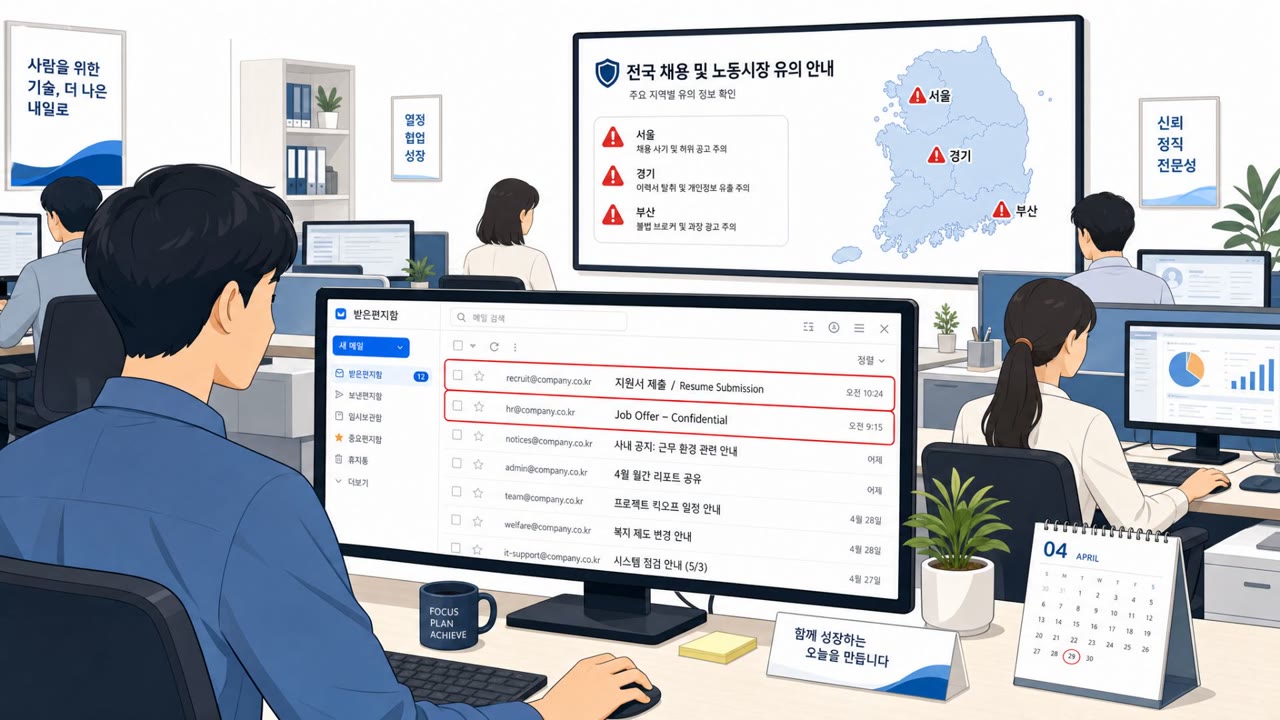
One actor, tracked as TA4922, ran an income-tax-themed campaign targeting Indian taxpayers, tax professionals, and corporate finance teams. Victims were directed to fake landing pages hosting ZIP files disguised as tax documents, with four separate waves identified between April and early June 2026. A separate, unrelated wave impersonated the U.S. Social Security Administration, sending emails about tax documents to deliver malware. A third campaign used complaints about bed bugs to target hotels and travel companies, ultimately delivering different malware than the other two campaigns.
Why It Succeeded
Each lure leaned on a theme that triggers quick action: tax deadlines, a government agency, or a customer complaint that demands a response. Tax and government-related themes are frequent favorites of cybercriminals because they create urgency and a sense of obligation to act. Hospitality and travel staff, who are trained to respond promptly to guest complaints, faced a similarly effective pretext built around routine customer service expectations rather than an obviously suspicious request.
What to Watch For
- Tax or government-themed emails that push you toward downloading a "document," especially as a ZIP file
- Links that lead to landing pages instead of an official portal you normally use
- Government-agency emails referencing dates or deadlines that don't line up with your actual filing calendar
- Unsolicited complaint emails, particularly in hospitality or travel roles, that include a link or attachment as part of the "complaint"
One SSA-themed wave referenced items needing completion by January 2026, a date inconsistency that suggests a reused or repurposed lure rather than a legitimate communication.
Building Resistance
Organizations can reduce exposure to these lure types by reinforcing a few habits across finance, tax, HR, and customer-facing teams:
- Route all tax-document requests through known, verified channels rather than links in email
- Treat ZIP file downloads from unfamiliar landing pages as a strong warning sign
- Train hospitality and travel staff to verify complaint emails through established customer service workflows before opening attachments or links
- Encourage employees to notice small inconsistencies, like mismatched dates or unusual formatting, since these often indicate a repurposed or fraudulent lure
Because the underlying wrapper technology can support many different lure types, awareness training that focuses on recognizable behavioral patterns, urgency, document downloads, and unexpected requests, is more durable than training aimed at any single theme.
Key findings
- Proofpoint traced multiple malware-delivery campaigns to a shared “crypter-as-a-service” called Cruciferra.
- Campaign lures included income-tax themes targeting Indian taxpayers, tax professionals, and corporate finance teams.
- One actor (TA4922) used fake landing pages hosting ZIP files disguised as tax documents across multiple waves (April–early June 2026).
- Other unrelated campaigns used different pretexts (SSA tax document emails; bed-bug complaints to hotels/travel) but the same underlying crypter infrastructure to conceal malware.
- The article describes impersonation-based email lures and a click/open workflow that can be recreated in awareness simulations.
Who’s being targeted
- Commonly targeted roles: Corporate Finance, Tax/Accounting, HR, Executives (approval chains), Hospitality customer support / front desk, Travel operations, All employees (phishing awareness).
- Affected industries: Professional services (tax professionals), Corporate finance (cross-industry), Hospitality (hotels), Travel, Individual taxpayers.
- Attack channels: email, website.
- Impersonated: Tax authority / tax-document sender (not specifically named), U.S. Social Security Administration (SSA), Customer/guest (complainant).
Red flags to watch for
- Tax-themed urgency pushing you to download a ZIP file
- Link leads to a landing page (not an official portal you normally use)
- Unexpected tax document delivery outside normal process
- Sender claims to be SSA but uses an unexpected channel/context for corporate users
- Suspicious/inconsistent timing: references items due by January 2026
- Unsolicited government-themed document request
- Unexpected complaint email pressuring immediate action
- Unclear or mismatched sender identity/details
- Any included file/link is unnecessary to validate a complaint
Frequently asked questions
What is Cruciferra?
Cruciferra is a commercial crypter-as-a-service that helps criminals hide malware from security tools, and it was linked by Proofpoint to multiple unrelated malware-delivery campaigns.
What lures were used in these campaigns?
Campaigns used income-tax themes targeting Indian taxpayers and finance teams, fake SSA emails about tax documents, and bed-bug complaint emails aimed at hotels and travel companies.
How did the tax-themed campaign work?
An actor tracked as TA4922 sent victims to fake landing pages hosting ZIP files disguised as tax documents, with four separate waves identified between April and early June 2026.
Why is a fake SSA email considered a red flag?
One SSA-impersonation wave referred to items needing completion by January 2026, an inconsistency that suggests the actor reused or mistakenly copied an old lure.
Read the video transcript
You get an email about urgent tax documents or an SSA form due soon. Looks official, sounds serious… and there’s a download link. Behind the scenes, many of these are tied to a service called Cruciferra that hides malware. One campaign sent Indian taxpayers to fake tax pages with ZIP files disguised as documents, four waves from April through early June 2026. Same Cruciferra setup, different costumes: SSA emails about tax documents due by January 2026 showing up in May, and even bed-bug complaint emails to hotels. The clue isn’t the logo, it’s the weird timing and the push to download or open a file. If any tax, SSA, or complaint email tells you to download a ZIP or document from a link, stop. Don’t click, go to the official portal or system you normally use and check for the document there.