Wallet Leaks Fuel Support-Scam Calls

Protos · Medium sophistication
Last updated October 26, 2026

Keystone confirmed that an attacker accessed customer shipping and order information, and a customer reported a social-engineering phone call using those details. The exposed information can make fake support messages and calls about refunds, replacement devices, or order fixes sound credible. Foundation Passport users also received phishing emails sent from Foundation’s official domain after API keys were compromised.

Key findings

  • Keystone confirmed that a third party obtained customer names, contact details, shipping addresses, and order details from its official Shopify site.
  • A Keystone customer reported a social-engineering call in which the caller used Keystone order information.
  • Keystone warned that scammers may impersonate its staff and offer refunds, replacement devices, or fixes for an order or address.
  • Foundation confirmed that phishing or spam emails were sent from its official domain after one or more Cloudflare API keys were compromised.
  • Foundation reported more than 20,000 phishing attempts across its systems.
  • Keystone said the attacker also obtained the WebAuth key used to verify whether a device is genuine.

Who’s being targeted

  • Commonly targeted roles: Cryptocurrency users, Hardware wallet customers, Customer support teams, E-commerce operations teams, Security awareness teams.
  • Affected industries: Cryptocurrency and digital assets, Consumer hardware wallets, E-commerce, Financial services.
  • Attack channels: vishing, email.
  • Impersonated: Keystone customer support, Foundation Passport.

Awareness takeaways

  • Treat unsolicited calls about an order, refund, replacement device, or address correction as suspicious, even when the caller knows real order details. End the call and contact the vendor using a known official channel.
  • Do not rely only on the apparent sender domain. A message can come from an official domain and still be malicious if the sender’s systems or API keys have been compromised.
  • Be especially cautious of urgent security warnings that use fear about a device fault or recent breach to prompt immediate action.
  • Limit the information shared with unexpected support contacts. Exposed names, addresses, and order details can make an impersonation attempt appear trustworthy.

Red flags to watch for

  • The caller knows order details but asks the customer to act urgently.
  • The caller offers an unsolicited refund, replacement, or account/order fix.
  • The request is unexpected and cannot be verified through Keystone’s official support channel.
  • A frightening device-security claim creates pressure to act immediately.
  • The message may appear to come from an official company domain.
  • Verify any device warning independently through the vendor’s official website or established support channel.
Try Mirage

Mirage safely runs attacks like this one against your own team, so you find out what happens before a real adversary does.

Get a demo
Read the video transcript

“We’re calling about your Keystone order and shipping address.” Sounds convincing? Keystone says customer names, addresses, and order details were exposed. A caller used those details, then offered a refund, replacement device, or address fix. Here’s the twist: real details don’t prove it’s support. Foundation Passport phishing emails even came from its official domain after Cloudflare API keys were compromised. Unexpected wallet-support contact? Use the vendor’s website to contact support yourself.

Similar attacks

AI-Aided Crypto Scam Used Phishing + Vishing Combo

AI-Aided Crypto Scam Used Phishing + Vishing Combo

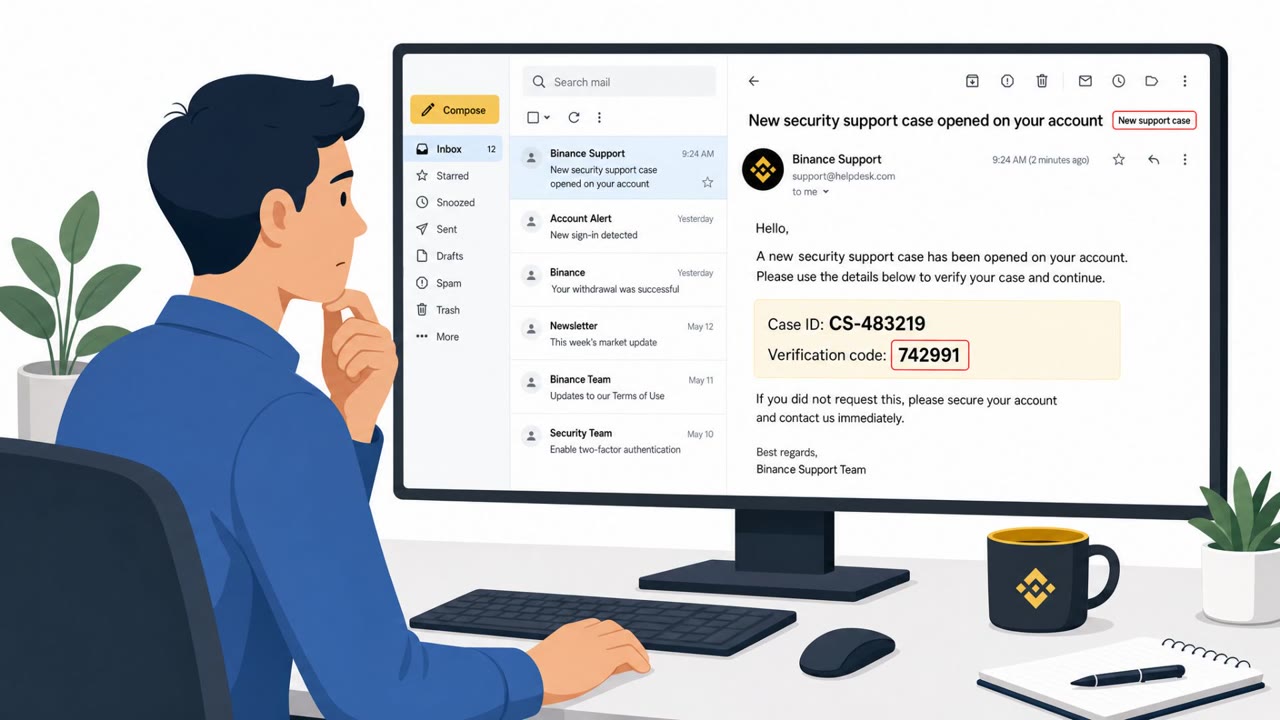
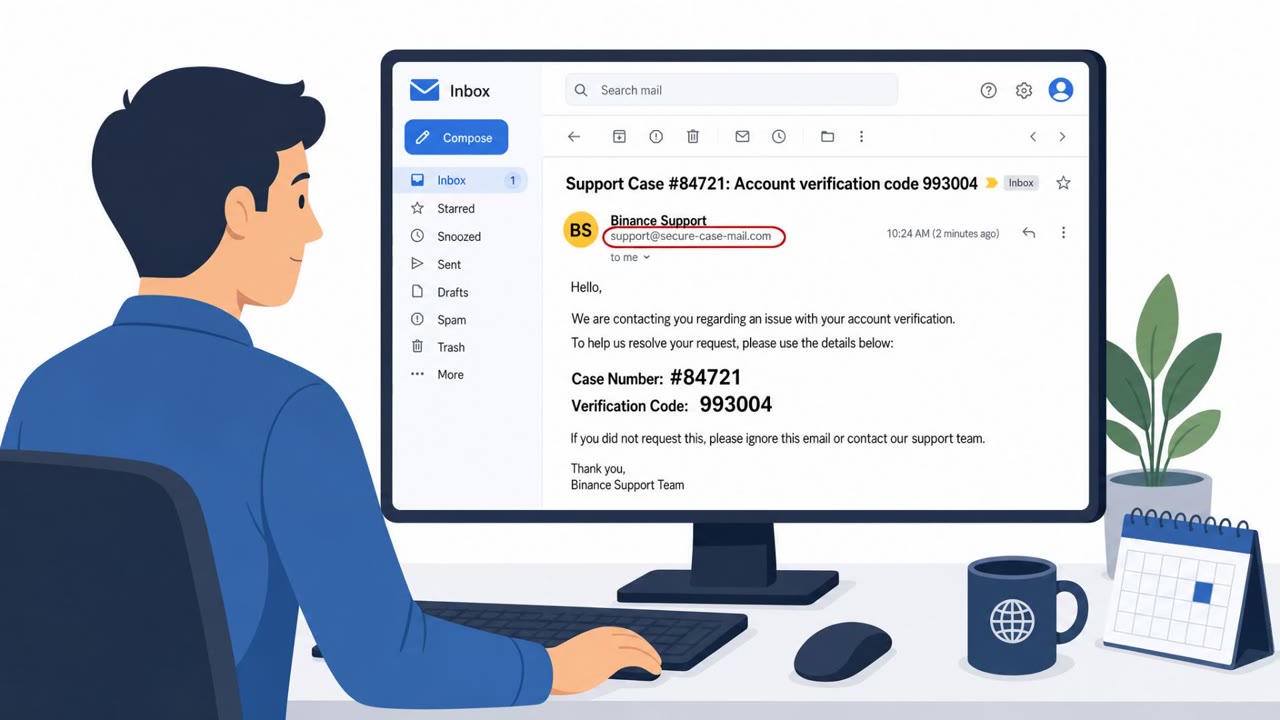
Researchers found a crypto fraud operation that used AI-assisted tooling to sift and verify over 100,000 phone numbers, then target confirmed crypto users. The campaign used a one-two approach: phishing messages that included a case/verification code, followed by phone calls that referenced those…

August 19, 2026
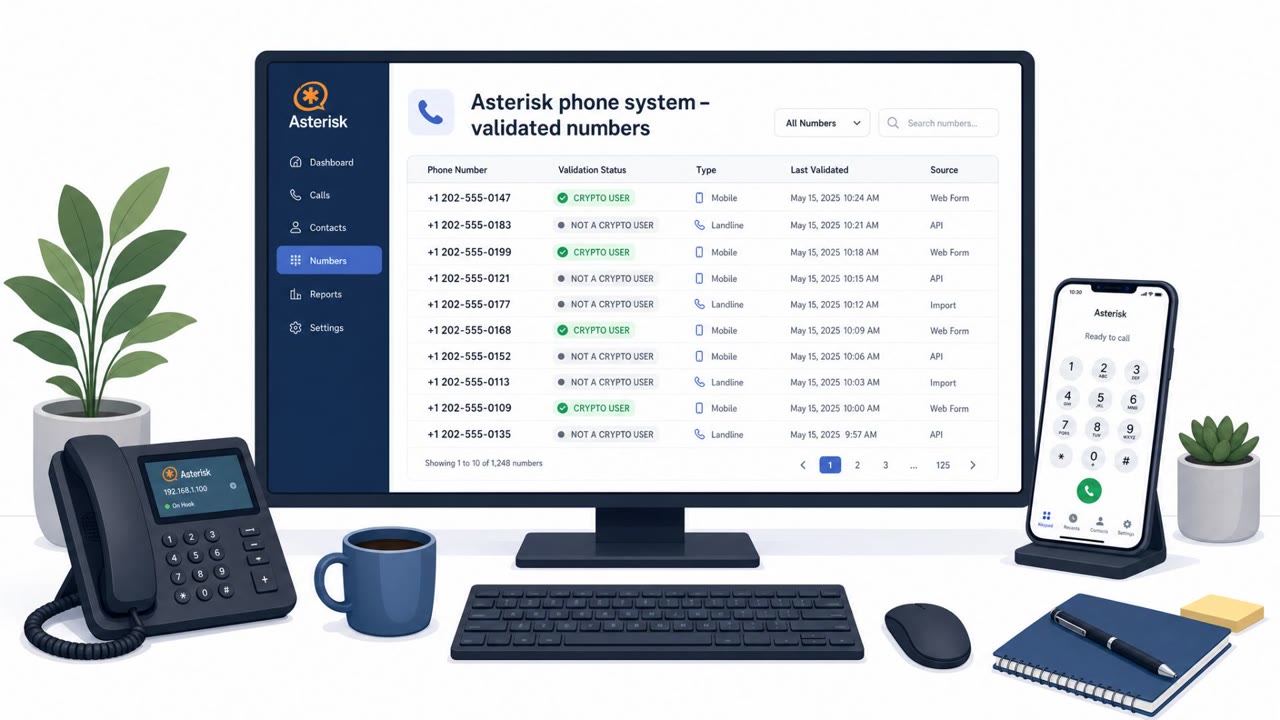
Fraud Ring Targets Crypto Users via Phone + Phish

Fraud Ring Targets Crypto Users via Phone + Phish

Researchers described a real fraud operation that first verified which phone numbers were tied to cryptocurrency exchange accounts, then targeted confirmed owners. The attackers used phishing emails, vishing calls, and fake wallet apps while impersonating popular hardware/software wallet brands,…

August 18, 2026
Crypto Scam Used Email + Vishing + Fake Wallet Apps

Crypto Scam Used Email + Vishing + Fake Wallet Apps

Rapid7 uncovered an active cryptocurrency fraud operation that combined phishing emails, follow-up phone calls, and counterfeit wallet apps to trick victims into handing over wallet recovery (seed) phrases. The attackers validated and enriched phone-number leads first, then used matching “support…

August 17, 2026
Fake IRS Letters Push Crypto “Compliance Portal”

Fake IRS Letters Push Crypto “Compliance Portal”

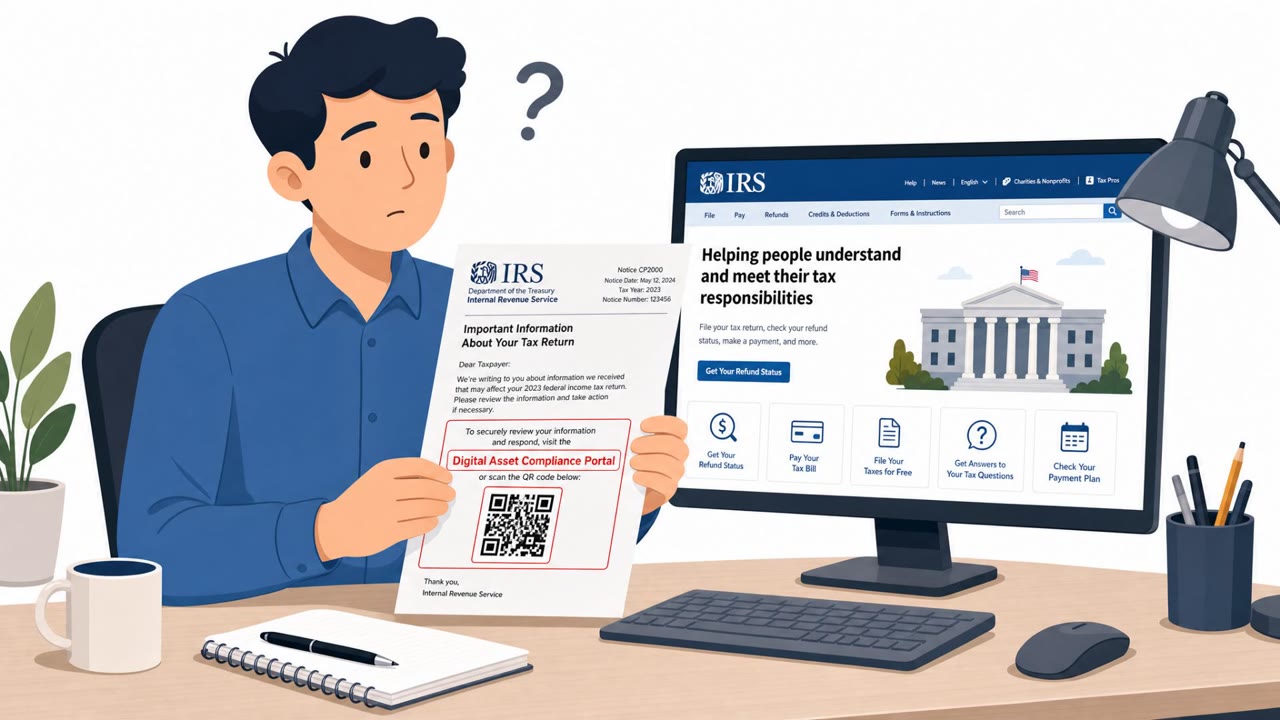
Scammers are mailing official-looking “IRS” letters to cryptocurrency holders, urging them to scan a QR code and enroll in a fake “Digital Asset Compliance Portal.” The QR code leads to a fraudulent IRS-lookalike site that gathers wallet/exchange details and then prompts victims to provide a phone…

August 4, 2026
SafePal Breach Spurs Phishing & Fake Support Scams

SafePal Breach Spurs Phishing & Fake Support Scams

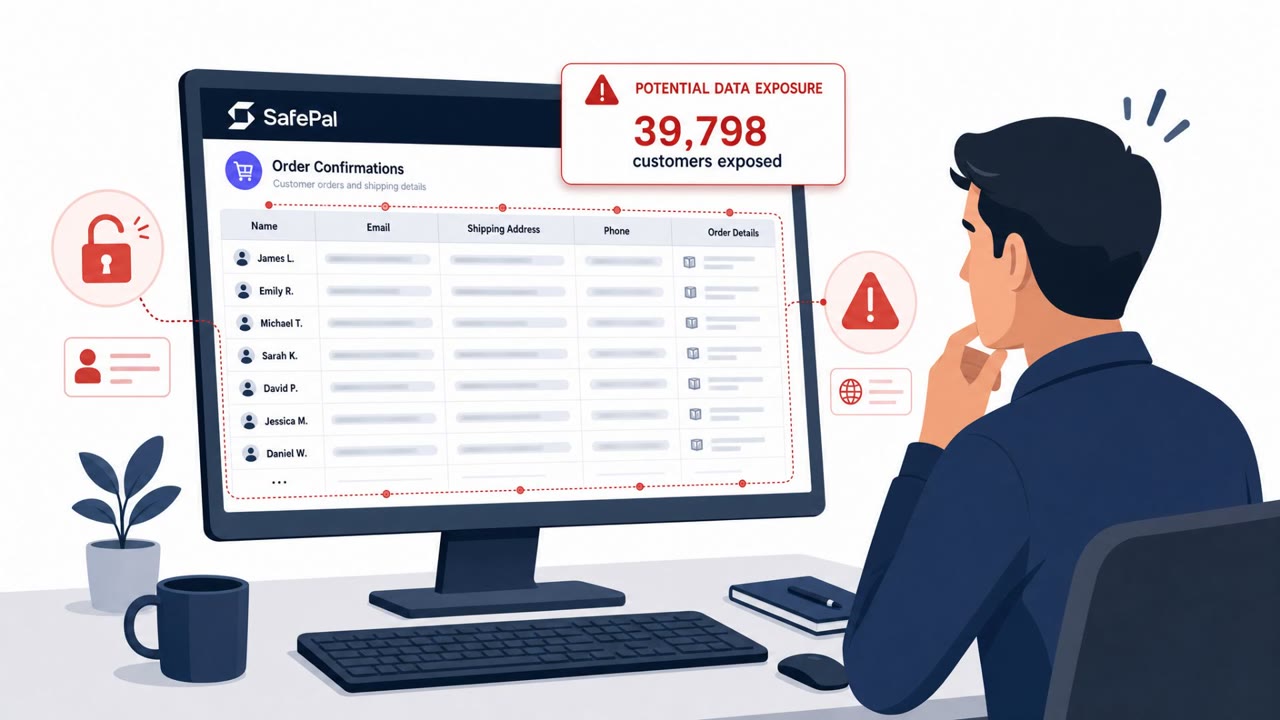
SafePal disclosed a breach that exposed order and contact details for nearly 40,000 customers, and warned the stolen data may be used to run targeted phishing and impersonation scams. The company cautioned customers to expect fake support messages, refund offers, and firmware-update requests…

August 17, 2026
Familiar Brands Fuel Account Takeover Scams

Familiar Brands Fuel Account Takeover Scams

TransUnion reports that criminals are using trusted brands and compromised customer information to trick people into sharing details, one-time passcodes, or access to their accounts. The scams exploit normal-looking security requests and can lead to account takeovers, redirected payments, and…

October 26, 2026