X is investigating a wave of unsolicited password-reset emails and codes being sent to users, which may be attackers trying to take over accounts as X Money becomes more available. X says it has found no evidence of a breach or successful account takeovers so far, but warns the reset-email “flood” could also help scammers hide phishing attempts among legitimate messages.
Key findings
- Users reported “unexpected password-reset emails and codes” starting September 1.
- X stated it has “no evidence of any breaches” and “no evidence of a breach or successful account takeovers so far.”
- The activity appears consistent with bulk password-reset requests (reset flooding), which can be used as cover for scams or to pressure users into unsafe actions.
- X Money’s rollout may increase attacker interest in X accounts, especially those with payments access or high-value influence.
Who’s being targeted
- Commonly targeted roles: All employees, Executives, Social media/communications teams, Finance teams, Customer support/helpdesk.
- Affected industries: Social media / online platforms, Financial services (embedded payments), Consumer internet services.
- Attack channels: email.
- Impersonated: X (account security / password reset system).
Awareness takeaways
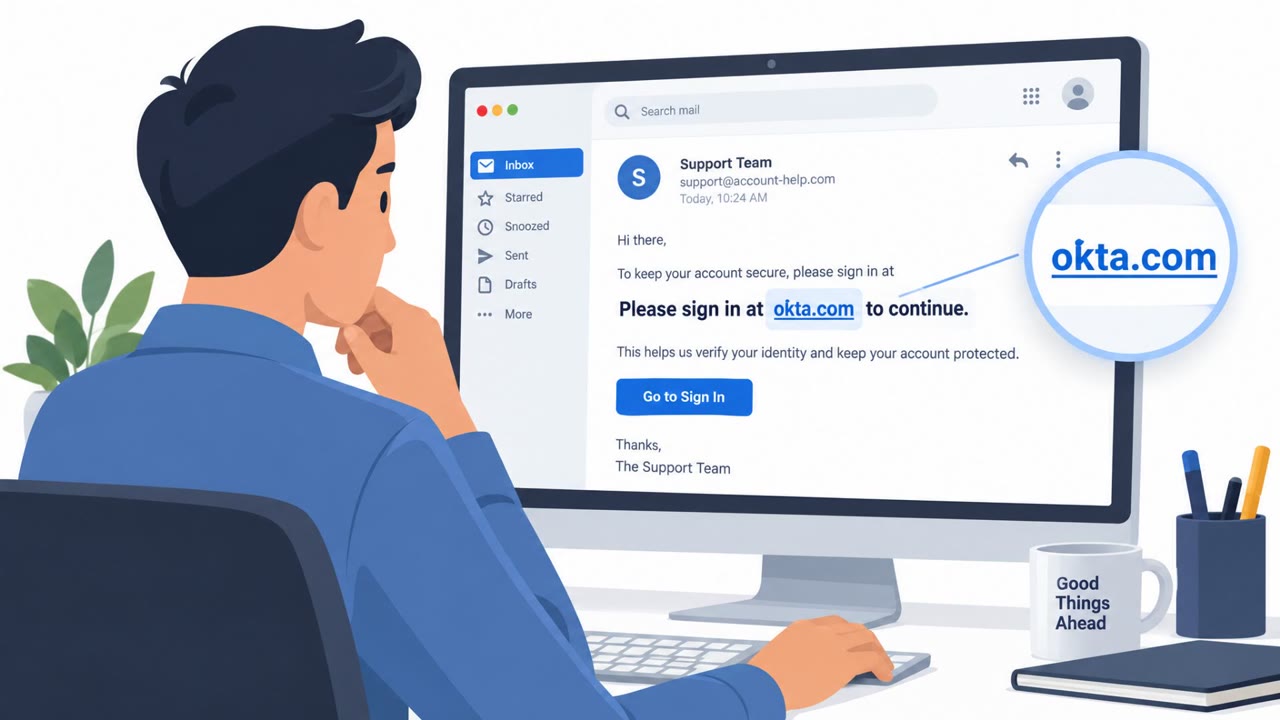
- If you get an unexpected password-reset message, don’t click it, go directly to the app/site yourself.
- Never share password reset codes or MFA/2FA codes, even if someone claims to be ‘support’ or ‘security.’
- Treat alert ‘floods’ as a warning sign, attackers may be trying to hide a more serious scam in the noise.
- Enable stronger account protections (reset protection and 2FA) to reduce account-takeover risk.
Red flags to watch for
- You did not request a password reset but receive repeated reset emails/codes
- High volume of messages intended to create urgency and confusion
- Any request to share a reset code or 2FA code
Read the video transcript
On September first, people on X started getting a wave of password‑reset emails and codes they never asked for. X says there’s no evidence of a breach or takeovers so far. This is classic reset flooding: attackers hammer the reset button to spam you, then slip in a fake email or DM saying, 'We saw unusual activity, click here or send us your code to secure your account.' Your red flags: you didn’t request a reset, but you’re flooded with emails or codes. Someone emails or messages you asking for that reset code or your 2FA code. They claim to be X support, security, or helping with X Money access. If you get an unexpected X password‑reset message, ignore the link and any request for codes, open the X app or type x.com yourself if you actually want to check or change your account.