319 Chrome Extensions Hijack User Searches

eSecurity Planet · Medium sophistication
Last updated October 30, 2026

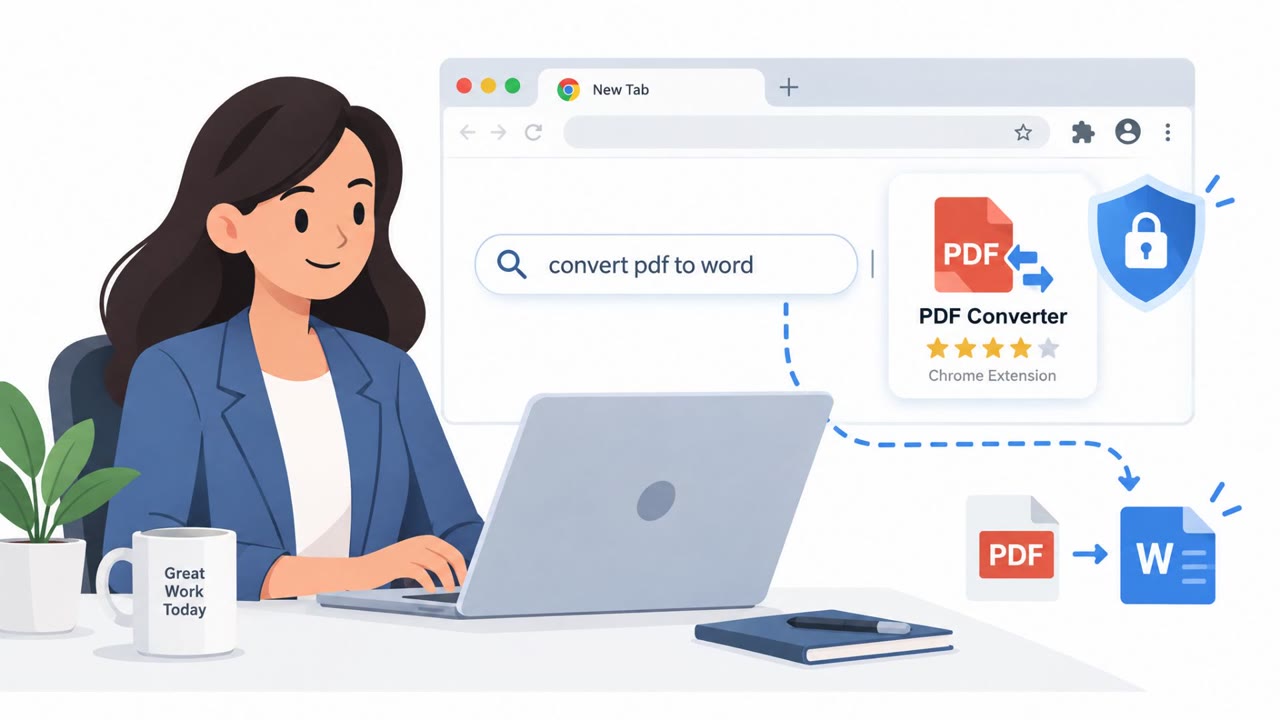
Researchers found 319 Chrome extensions, with 13.4 million reported installs, that quietly changed users’ default search settings and routed searches through operator-controlled servers. The extensions were promoted as useful tools through paid ads and installed through the normal Chrome Web Store process, while allowing operators to monitor searches, earn referral revenue, and potentially redirect users to harmful sites later.

Key findings

  • Socket identified 319 Chrome extensions associated with 13.4 million reported installations.
  • The extensions changed Chrome’s default search provider using the built-in chrome_settings_overrides feature.
  • Operators routed search queries through servers they controlled, enabling search monitoring and advertising referral revenue.
  • Many extensions were unlisted in the Chrome Web Store and were promoted through paid advertising campaigns, including Google Ads and Bidbrain.
  • Because operators control the intermediary search servers, they could change destinations later and potentially send users to malicious websites without updating the extension.

Who’s being targeted

  • Commonly targeted roles: All employees, Chrome users, IT support, Security awareness teams, Endpoint management teams.
  • Affected industries: Consumers, All industries using Google Chrome.
  • Attack channels: website.
  • Impersonated: An advertised Chrome utility extension.

Awareness takeaways

  • Do not install browser extensions solely because they appear in an advertisement; independently verify the publisher and extension identity first.
  • Review installed browser extensions regularly, especially unfamiliar PDF, search, manual, and security-related tools.
  • Treat an unexpected change to your browser’s default search engine or repeated redirects as a warning sign and report it to IT or security.
  • Remove suspicious extensions promptly because their operators may later redirect searches to malicious destinations.

Red flags to watch for

  • The extension is promoted through an advertisement rather than being found through a trusted internal software catalog.
  • The extension is unlisted or cannot be found through normal Chrome Web Store searches.
  • The extension changes the browser’s default search provider after installation.
Try Mirage

Mirage safely runs attacks like this one against your own team, so you find out what happens before a real adversary does.

Get a demo
Read the video transcript

That advertised PDF converter could take over your searches. Researchers found 319 Chrome extensions with 13.4 million reported installs. Ads on Google and Bidbrain led to Web Store installs; chrome_settings_overrides then changed the default search provider. Aha: the Web Store install looks normal, but your searches now pass through their server. They can monitor queries, collect referral revenue, or change where searches go later. If search suddenly changes or redirects, report it to IT. Include the extension name.

MITRE ATT&CK techniques

T1176 - Browser ExtensionsT1036 - Masquerading

Similar attacks

319 Chrome Extensions Quietly Hijack Searches

319 Chrome Extensions Quietly Hijack Searches

Researchers identified 319 suspicious Chrome extensions tied to roughly 13.4 million reported users. The extensions were promoted as useful tools, such as PDF converters and safe-search utilities, but silently changed the browser’s default search provider to route searches through…

October 29, 2026

Fake PDF Tools Hijacked 13.4M Chrome Searches

Fake PDF Tools Hijacked 13.4M Chrome Searches

A long-running operation used ads for seemingly useful Chrome extensions, including PDF converters, manual finders, safe-search tools, and AI search tools. Once installed, the extensions redirected users’ searches through operator-controlled servers, exposing search activity and generating referral…

October 30, 2026
Amatera Uses Fake AI Tools to Steal Data

Amatera Uses Fake AI Tools to Steal Data

Amatera is a subscription-based information stealer that affiliates distribute through fake AI-tool download pages, compromised websites, paid search ads, phishing, and deceptive ClickFix prompts. The scams convince people to copy and run a command to supposedly fix a CAPTCHA, browser error, or…

October 30, 2026
Fake AI Apps Hide Yoba Crypto Miner

Fake AI Apps Hide Yoba Crypto Miner

A real campaign called Yoba used fake GitHub projects for supposed ChatGPT and Claude desktop applications to lure people into downloading malicious ZIP installers. The installers included legitimate signed OpenAI or Anthropic programs alongside malicious files, ultimately installing a…

October 30, 2026
Fake ChatGPT Downloads Hide Yoba Malware

Fake ChatGPT Downloads Hide Yoba Malware

Attackers used GitHub and search results to promote counterfeit ChatGPT and Claude desktop downloads. The ZIP files bundled real signed OpenAI or Anthropic executables with malicious files, tricking Windows users into launching malware that can persist on the device and install a cryptocurrency…

October 29, 2026
Fake Download Sites Hide Selective Malware Chains

Fake Download Sites Hide Selective Malware Chains

The article describes real malware-delivery operations that use fake open-source download sites, advertising redirects, and device profiling to decide who receives malicious content. Attackers hide the final payload behind ordinary-looking pages and scripts, while sending researchers, bots, and…

October 28, 2026