Fake ChatGPT Downloads Hide Yoba Malware

eSecurity Planet · High sophistication
Last updated October 29, 2026

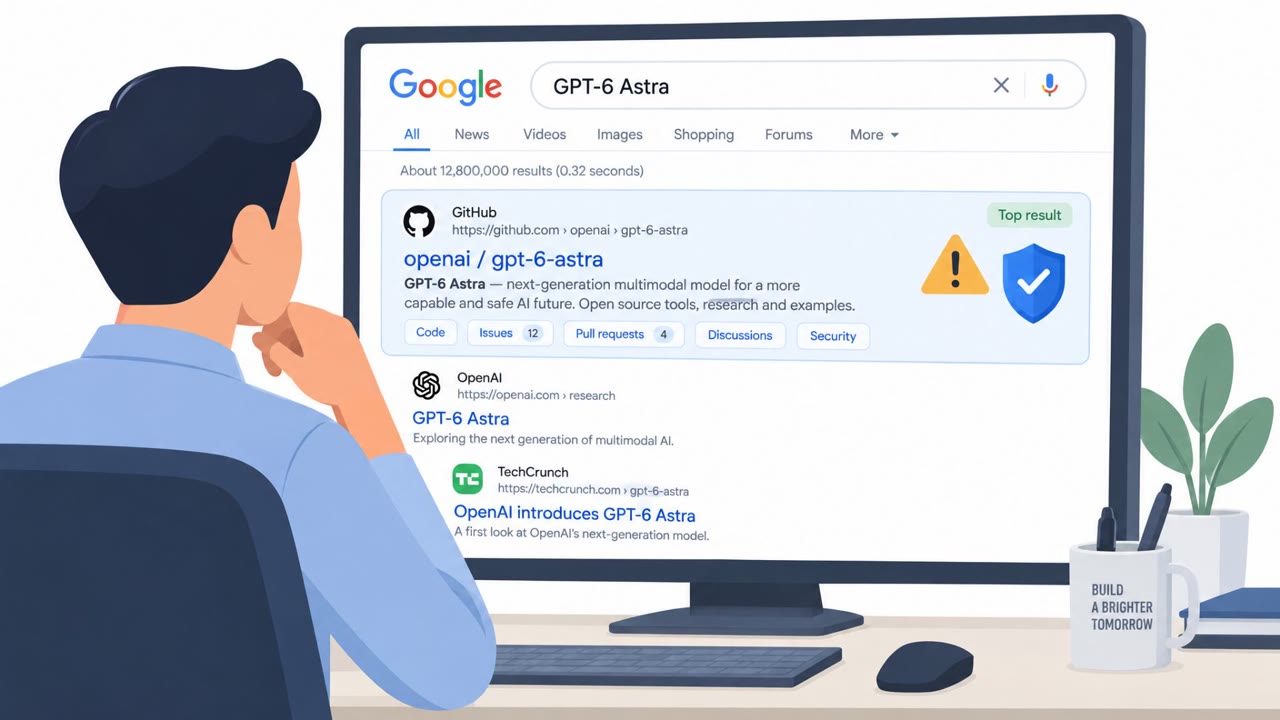
Attackers used GitHub and search results to promote counterfeit ChatGPT and Claude desktop downloads. The ZIP files bundled real signed OpenAI or Anthropic executables with malicious files, tricking Windows users into launching malware that can persist on the device and install a cryptocurrency miner.

Key findings

  • Attackers promoted fake GitHub repositories and GitHub Pages sites offering supposed desktop versions of ChatGPT and Claude.
  • Some malicious projects appeared prominently in Google Search results, consistent with SEO poisoning.
  • The counterfeit ZIP archives combined signed OpenAI or Anthropic Setup.exe files with malicious DLL files.
  • Launching the installer triggered DLL sideloading, allowing malicious code to run alongside a legitimate signed executable.
  • Yoba established persistence through a scheduled task disguised as a Windows Media Player operation and ultimately deployed the XMRig cryptocurrency miner.

Who’s being targeted

  • Commonly targeted roles: All Windows users, Employees using AI tools, Developers, IT professionals, Help desk teams, Security operations teams.
  • Affected industries: Organizations using AI tools, Information technology, Professional services, Education, All Windows-based organizations.
  • Attack channels: website.
  • Impersonated: OpenAI or Anthropic.

Awareness takeaways

  • Download AI software only from approved, official distribution channels, not from search results, GitHub projects, or promotional download pages.
  • Do not treat a signed installer or familiar brand as proof that an entire download is safe.
  • Avoid approving administrator prompts for software downloaded from an unverified source; report the download to IT or security instead.
  • If a fraudulent installer may have run, report it immediately so security can isolate and investigate the device rather than simply deleting the visible miner.

Red flags to watch for

  • The software is offered through an unofficial GitHub repository or GitHub Pages site.
  • The product name suggests an unverified or unusually new release, such as GPT-6 Astra.
  • A ZIP archive contains extra files alongside a supposedly legitimate installer.
Try Mirage

Mirage safely runs attacks like this one against your own team, so you find out what happens before a real adversary does.

Get a demo
Read the video transcript

Google shows “Download GPT-6 Astra for Windows.” Tempting? That GitHub page offers a ZIP. Inside: a real, signed OpenAI Setup.exe, and an extra winmm.dll. Run Setup, and DLL sideloading runs the hidden code too. That’s the trap: the installer is genuine; the ZIP isn’t. Yoba can create a fake Windows Media Player scheduled task, then install the XMRig crypto miner. Skip the search-result download. Get ChatGPT or Claude only through your company’s approved software channel.

MITRE ATT&CK techniques

T1036 - MasqueradingT1204.002 - User Execution: Malicious File · User ExecutionT1574.002 - Hijack Execution Flow: DLL Side-LoadingT1053.005 - Scheduled Task/Job: Scheduled Task · Scheduled Task/JobT1059.001 - Command and Scripting Interpreter: PowerShell · Command and Scripting InterpreterT1105 - Ingress Tool Transfer

Similar attacks

Fake AI Apps Abuse Signed ChatGPT Files

Fake AI Apps Abuse Signed ChatGPT Files

Attackers used fake ChatGPT, Claude, and Cursor AI application listings to trick Windows users into downloading malware. The downloads appeared trustworthy because they were hosted through GitHub and included real, digitally signed OpenAI or Anthropic executables, but malicious files alongside them…

October 28, 2026

Fake AI Apps Use GitHub to Mine Crypto

Fake AI Apps Use GitHub to Mine Crypto

The Yoba malware campaign uses fake GitHub projects and search-result manipulation to make counterfeit ChatGPT and Claude downloads look trustworthy. Victims receive a real, signed installer alongside malware, so the application appears legitimate while the malicious software installs and…

October 30, 2026
Fake AI Apps on GitHub Deliver Yoba Malware

Fake AI Apps on GitHub Deliver Yoba Malware

A real malware campaign called Yoba used fake GitHub projects advertising supposed ChatGPT and Claude desktop applications. Victims were lured by high-ranking Google results and download buttons, then ran ZIP-packaged installers that appeared legitimate but gave attackers control of the device. The…

October 27, 2026
Amatera Uses Fake AI Tools to Steal Data

Amatera Uses Fake AI Tools to Steal Data

Amatera is a subscription-based information stealer that affiliates distribute through fake AI-tool download pages, compromised websites, paid search ads, phishing, and deceptive ClickFix prompts. The scams convince people to copy and run a command to supposedly fix a CAPTCHA, browser error, or…

October 30, 2026
Rogue AI Relays Reroute Enterprise Prompts

Rogue AI Relays Reroute Enterprise Prompts

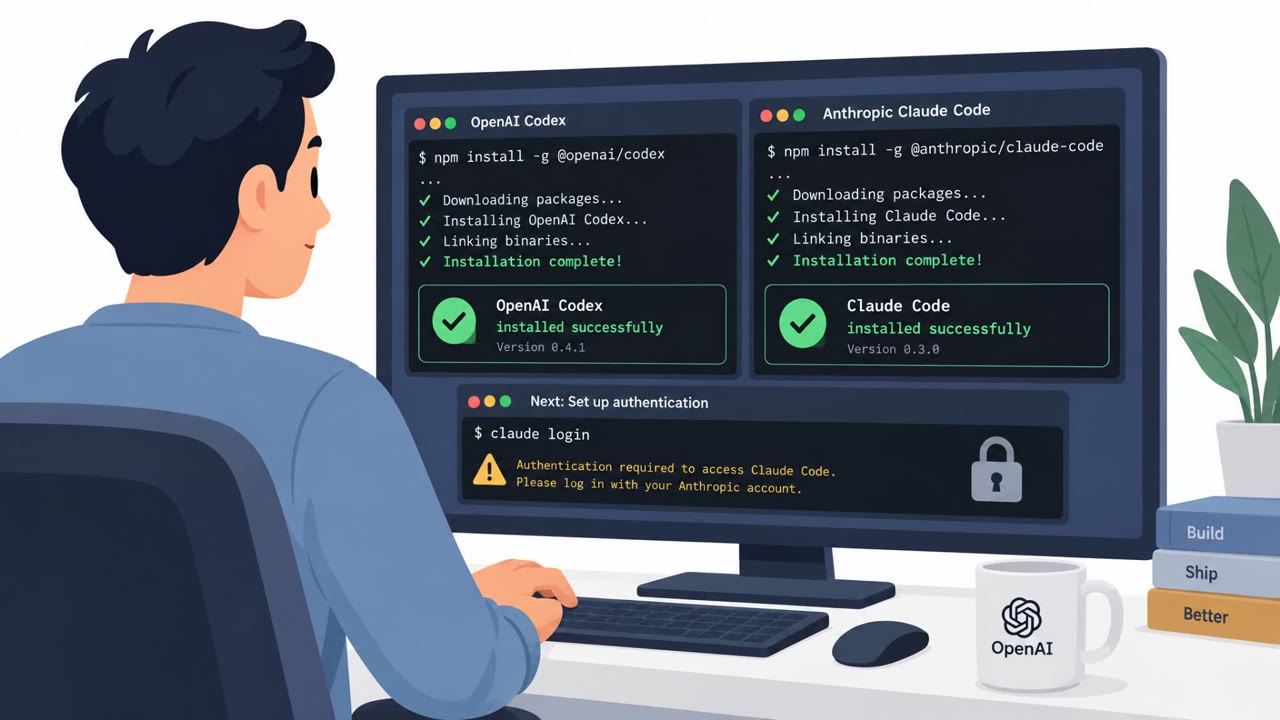
A gray-market service persuaded employees to install genuine OpenAI Codex and Anthropic Claude Code tools, then run a follow-up setup command that redirected the tools through relay servers it controlled. The configuration changes could expose every prompt, file, and login token sent through the…

October 30, 2026
Fake AI Apps on GitHub Deliver Yoba Malware

Fake AI Apps on GitHub Deliver Yoba Malware

Check Point Research identified a real campaign, tracked as Yoba, that uses fake GitHub projects and websites posing as new ChatGPT and Claude desktop applications. Victims searching for AI tools can be directed to convincing pages for supposed releases such as GPT-6 Astra and Claude Opus, then…

October 27, 2026