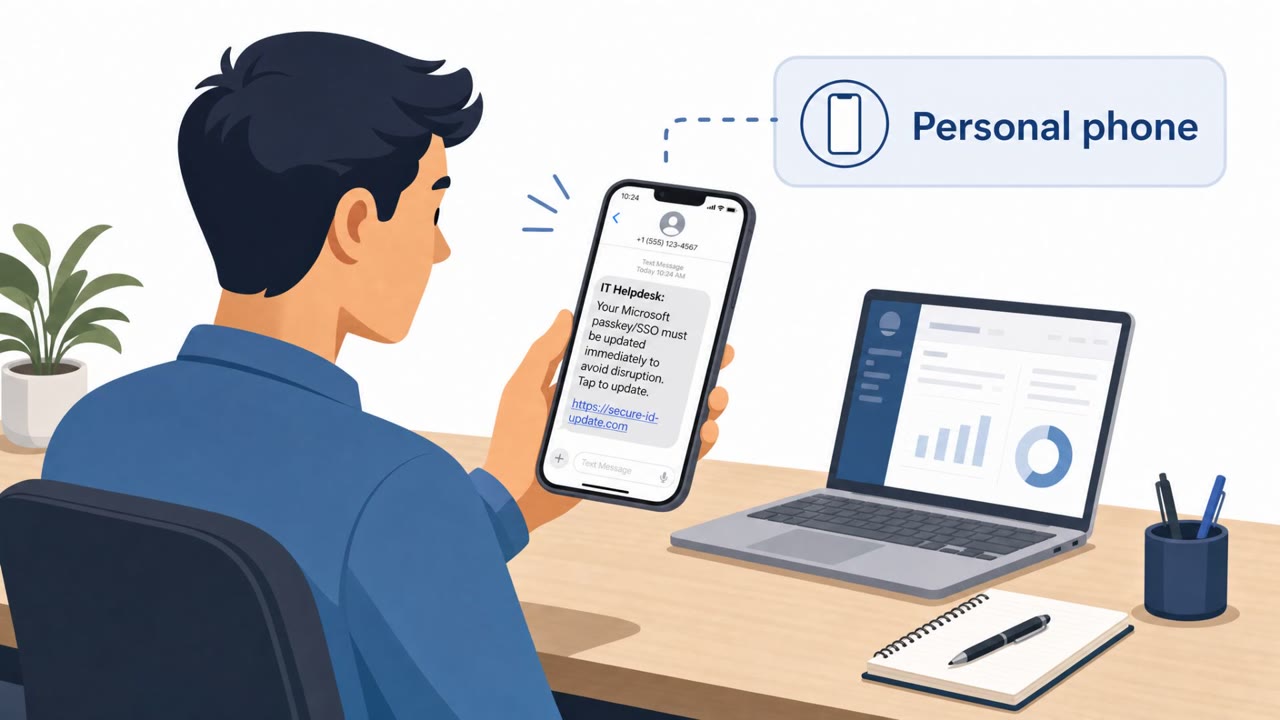
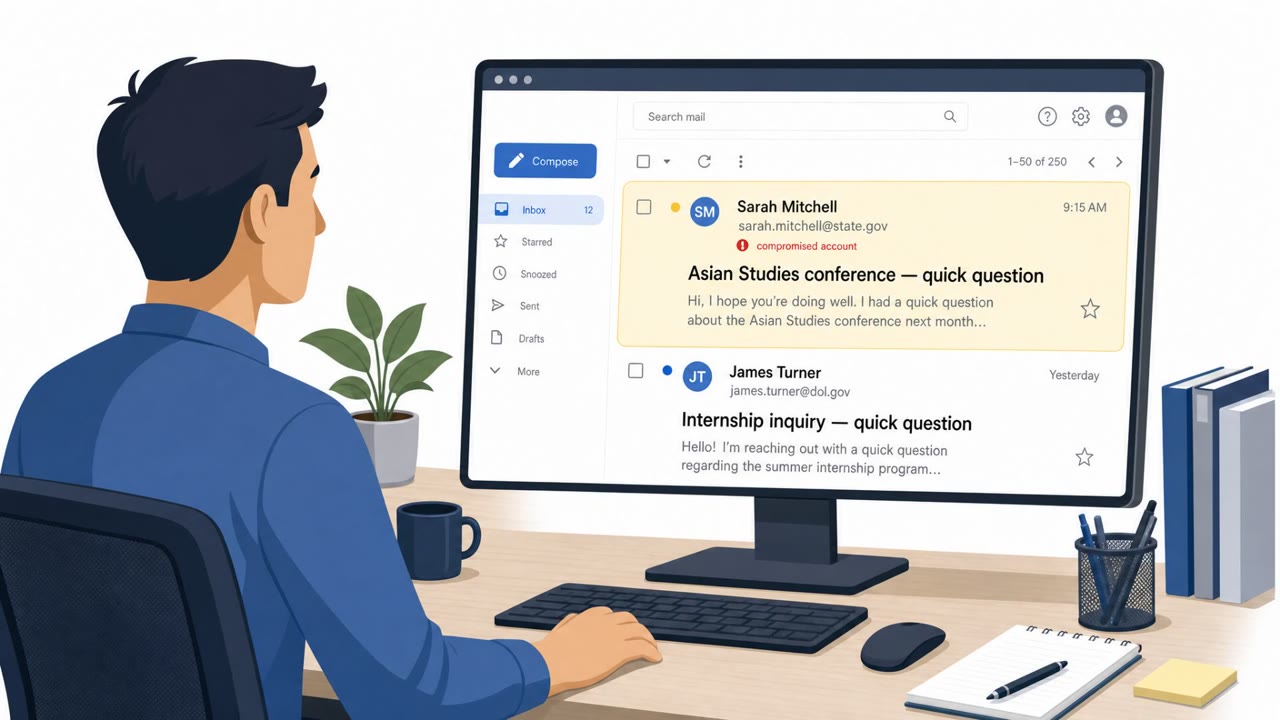
Scammers are using realistic LinkedIn recruiter profiles and even verified company pages to post fake jobs that push people to off-platform sites or email addresses. The scams aim to take money (e.g., paid “resume help”) or collect sensitive personal data like driver’s licenses or Social Security numbers. A job seeker tracking these schemes says some attackers hijack dormant verified accounts to look legitimate while targeting applicants.
How the Attack Worked
Scammers built out fake job listings across LinkedIn using several tactics at once. Some created polished recruiter profiles from scratch, often in batches using copied photos and similar account details, to reach out to job seekers directly. Others went further and hijacked dormant, verified LinkedIn accounts, changing the work history to make the account holder appear to be a recruiter for a legitimate business. A third approach placed fraudulent job ads directly on legitimate, verified company pages, then routed applicants to outside websites or email addresses that had nothing to do with the real employer.
Why It Succeeded
The scams worked because they borrowed credibility from real platforms and real companies. A verified company page or a recruiter profile with a professional photo and consistent details reads as trustworthy to most job seekers, especially those who are recently laid off or applying for entry-level roles and eager to respond quickly. Attackers reportedly used AI to tailor job pitches to a person's résumé or career history, making outreach feel personalized rather than generic. Because verification does not guarantee legitimacy, applicants had little reliable way to distinguish a real recruiter from a fake one just by looking at a profile.
What to Watch For
- Unsolicited critique of your résumé paired with a request for payment
- Job ads on a trusted company page that link out to a site the company says it is not affiliated with
- Instructions to email a résumé to an outside address instead of applying through the official careers site
- Obvious errors in job ad content or mismatches with the employer's real job listings
- Pressure to move fast or take the conversation off LinkedIn
Building Resistance
Organizations and job seekers can reduce exposure to these scams with a few consistent habits:
- Independently confirm recruiter identities and job postings against the employer's official career site rather than trusting LinkedIn verification alone
- Never pay a fee for resume help or recruiting services offered through unsolicited outreach
- Avoid sharing high-risk personal information, such as a driver's license or Social Security number, early in a hiring process before the employer and process are verified
- Report and flag profiles that look newly created, use copied photos, or show sudden changes in work history, since these can indicate account takeover
HR, recruiting, and brand protection teams also have a role to play by monitoring for spoofed listings tied to their company name and by educating applicants on the official channels used for real job postings.
Key findings
- Scammers use polished LinkedIn job listings, recruiter profiles, and even verified company pages to lure job seekers.
- Some scams push applicants off-platform to external websites or to email a resume to an outside address.
- Scammers may hijack dormant, verified LinkedIn accounts and change work history to appear affiliated with legitimate companies.
- Lures include charging a fee for “resume help” and harvesting high-value personal data (e.g., driver’s license, Social Security number).
- Attackers are described as increasingly sophisticated, including using AI to tailor job pitches to a victim’s résumé or career history.
Who’s being targeted
- Commonly targeted roles: All employees (job seekers), HR / Talent Acquisition, Recruiters, Hiring managers, Corporate communications / brand protection teams.
- Affected industries: Online platforms / social networking, Recruiting / staffing, Financial services, Automotive / manufacturing.
- Attack channels: linkedin, website, email.
- Impersonated: Recruiter (using a copied or fake LinkedIn recruiter profile), A legitimate employer brand (using the employer’s verified LinkedIn company page), A legitimate employer (via fraudulent postings on/through LinkedIn).
Red flags to watch for
- Unsolicited critique of your résumé paired with a request for payment
- Recruiter profile appears newly created or mass-produced (similar photos/details)
- Pressure to move fast or take the conversation/payment off LinkedIn
- Job ad on a trusted page links to an external site "not affiliated" with the company
- Obvious errors in the job ad content
- Application path doesn’t match the employer’s official careers site process
- Application requires emailing to an "outside address" rather than applying via official careers portal
- Job listing leads to an unaffiliated website or non-company domain
- Mismatch between LinkedIn job title and the company’s real career site listings
Frequently asked questions
How do scammers make fake LinkedIn job posts look legitimate?
They use polished recruiter profiles, copied photos, and in some cases hijacked dormant verified accounts or even legitimate verified company pages to make fraudulent postings appear trustworthy.
What do these fake job scams try to get from applicants?
Some scams charge a fee for supposed resume help, while others try to collect high-value personal data such as a driver's license or Social Security number.
Does LinkedIn's recruiter verification guarantee a job posting is real?
No. Verification is a trust signal, not proof of legitimacy, since scammers can still create convincing profiles or take over verified accounts.
What red flags should job seekers watch for?
Unsolicited resume criticism paired with a payment request, links to external sites not affiliated with the employer, and instructions to email a resume to an outside address instead of using the official careers portal.
Read the video transcript
That “perfect” LinkedIn job from a verified company page? It might be one of 60,000 fake listings built to drain you, not hire you. Scammers hijack or copy recruiter profiles, even on verified company pages, then post roles like data-entry or customer service that send you to an outside site or email. Next, the 'recruiter' says your résumé needs work and offers paid help or asks for your driver’s license or Social Security number. Here’s the twist: LinkedIn verification and slick AI-written messages make this look real. But the tell is the path. If a verified page sends you to a site not affiliated with the company, or a recruiter wants to move fast, go off LinkedIn, and get paid to 'fix' your résumé, it’s a scam. One move: before you click or pay, pause and independently check that job and recruiter on the company’s official careers site, if it’s not there, walk away.