Interpol's Serengeti III operation led to 1,462 arrests across Africa and the recovery of more than $105 million linked to cybercrime. In Uganda, fraud rings used call-center scripts, fake trading platforms, and fraudulent websites to persuade pensioners in Asia to invest in fictional opportunities. Authorities also reported phishing, business email compromise, messaging-app investment scams, and social-media fraud operations in several countries.
What the Operation Uncovered
Interpol's Serengeti III operation led to 1,462 arrests across Africa, disrupted more than 10,000 malicious networks, and recovered over $105 million tied to cybercrime. The cases span multiple countries and scam types, from investment fraud targeting retirees to phishing operations aimed at corporate credentials.
How the Attacks Worked
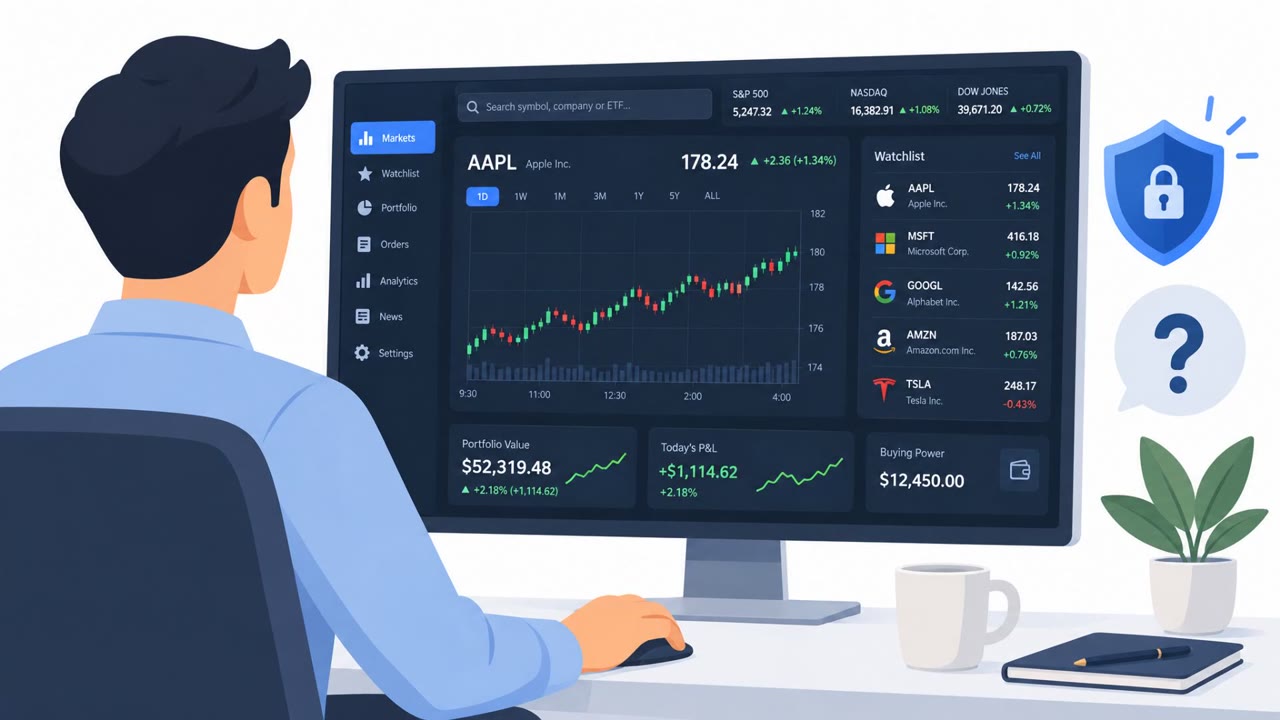
In Uganda, fraud rings operated call centers using scripts, fake trading platforms, and fraudulent websites to persuade pensioners in Asia to put money into fictional investments. The pretext relied on a caller posing as an investment adviser, directing the victim to an unverified platform to deposit funds.
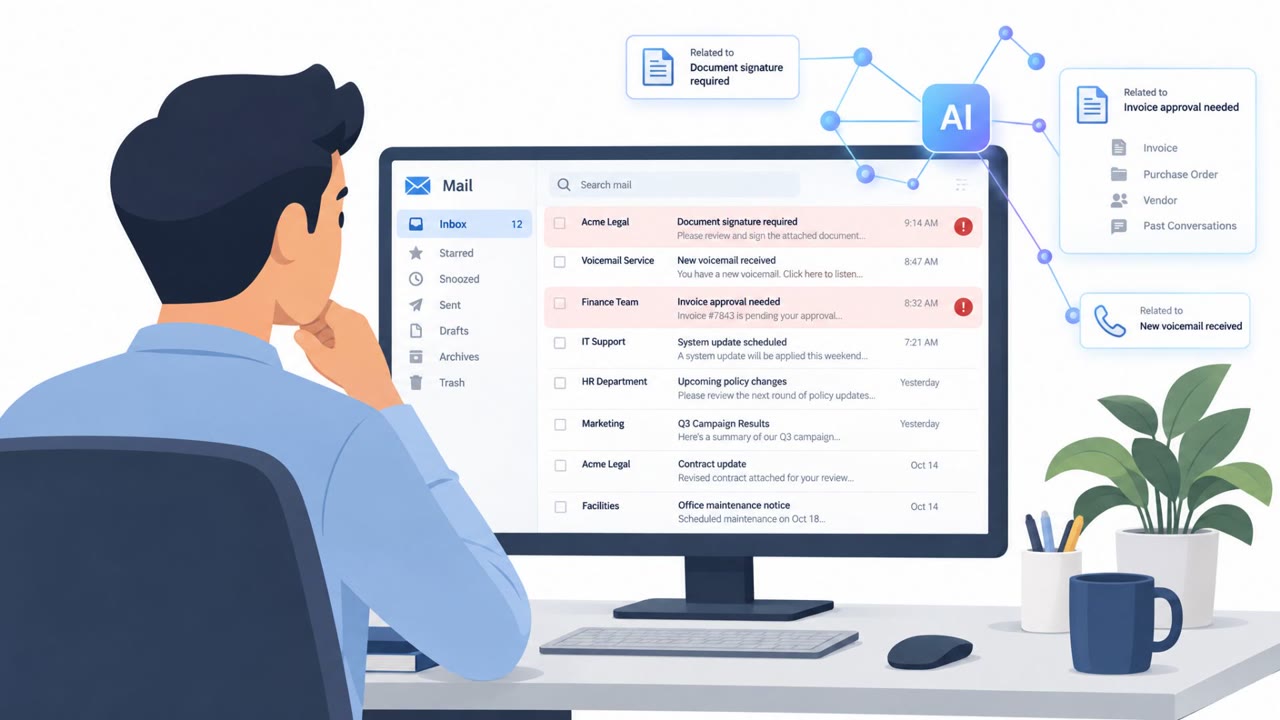
Separately, Nigerian authorities arrested a suspect accused of running a phishing and business email compromise operation that harvested software credentials and amassed roughly 2.1 million email addresses. Another Nigerian case involved an investment scam promoted through messaging apps that traced more than $2.4 million in suspected criminal proceeds, much of it laundered through cryptocurrency.
Other disrupted schemes included a malicious mobile-loan application in Tanzania and a vehicle-import fraud network promoted through social media in Gabon.
Why These Scams Succeeded
- Unsolicited investment pitches exploited trust in formal-sounding call scripts and professional-looking fake trading platforms.
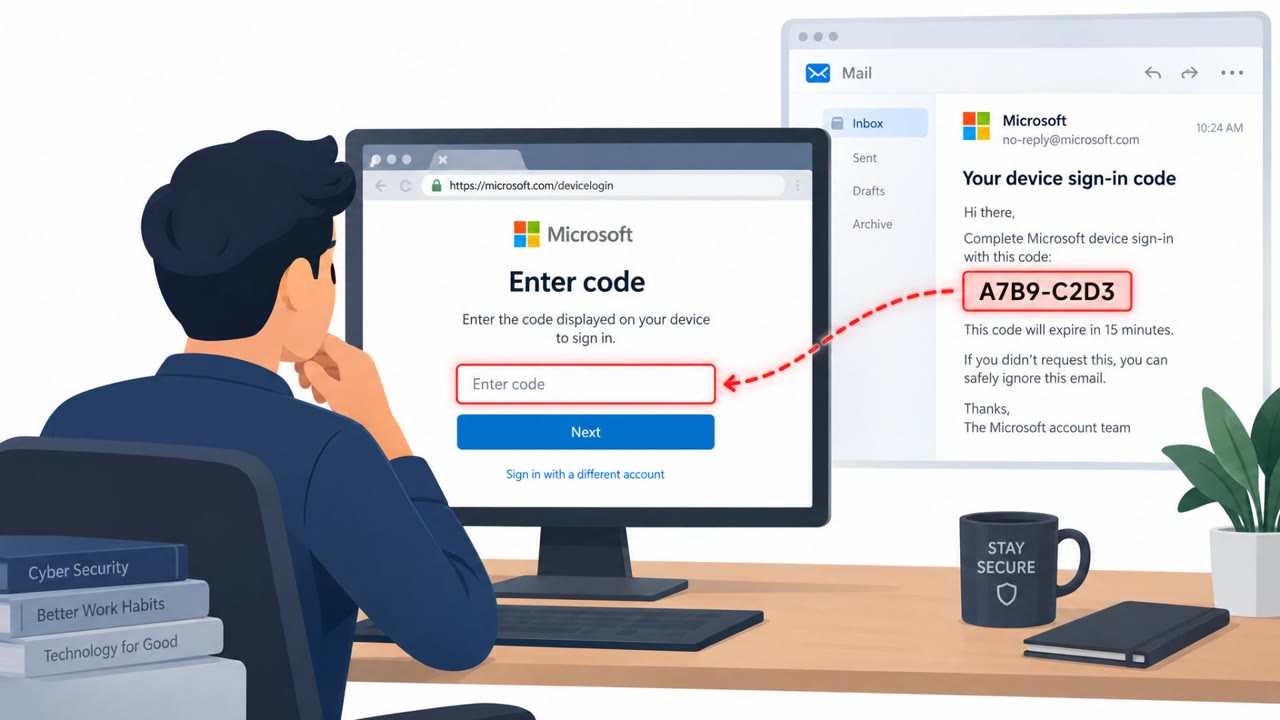
- Phishing messages targeting software credentials relied on urgency and familiarity with legitimate service sign-in flows.
- Messaging-app promotions bypassed traditional verification steps, letting victims act on claims that could not be independently confirmed.
- Social media and mobile apps gave fraud networks low-cost channels to reach large numbers of potential victims quickly.
What to Watch For
- Unsolicited calls or messages offering investment opportunities, especially ones directing you to an unfamiliar trading platform or website.
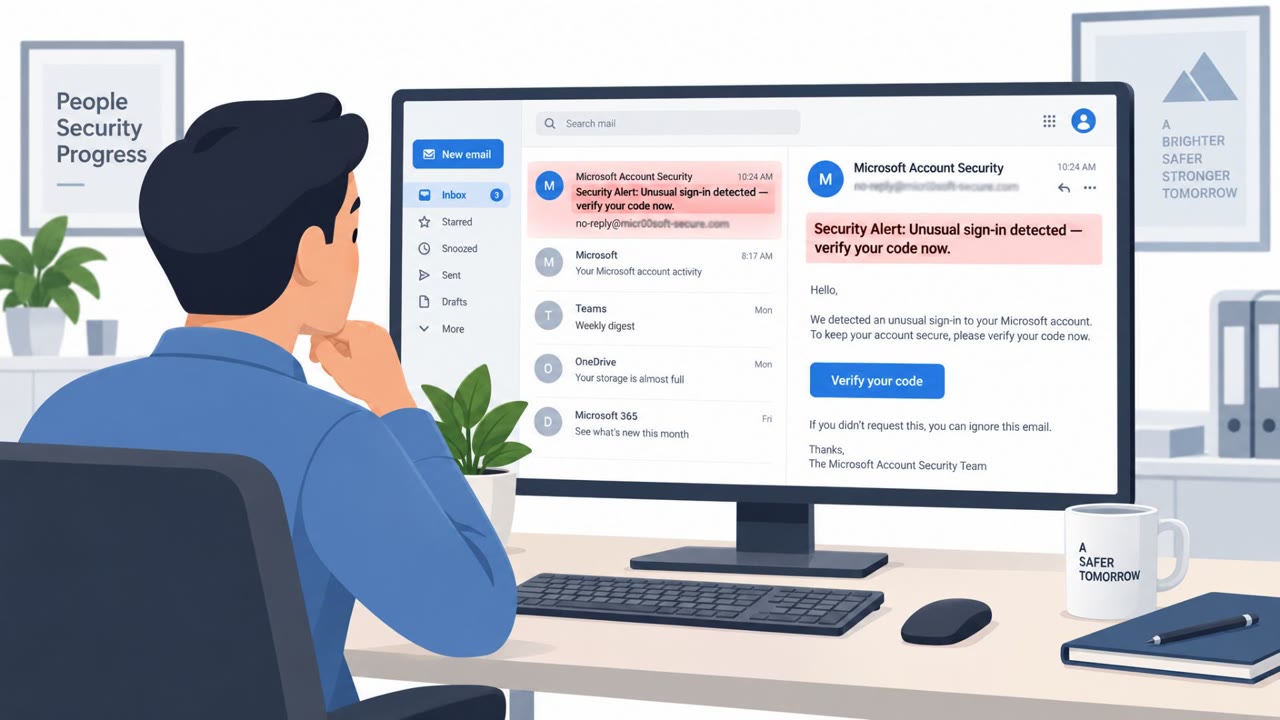
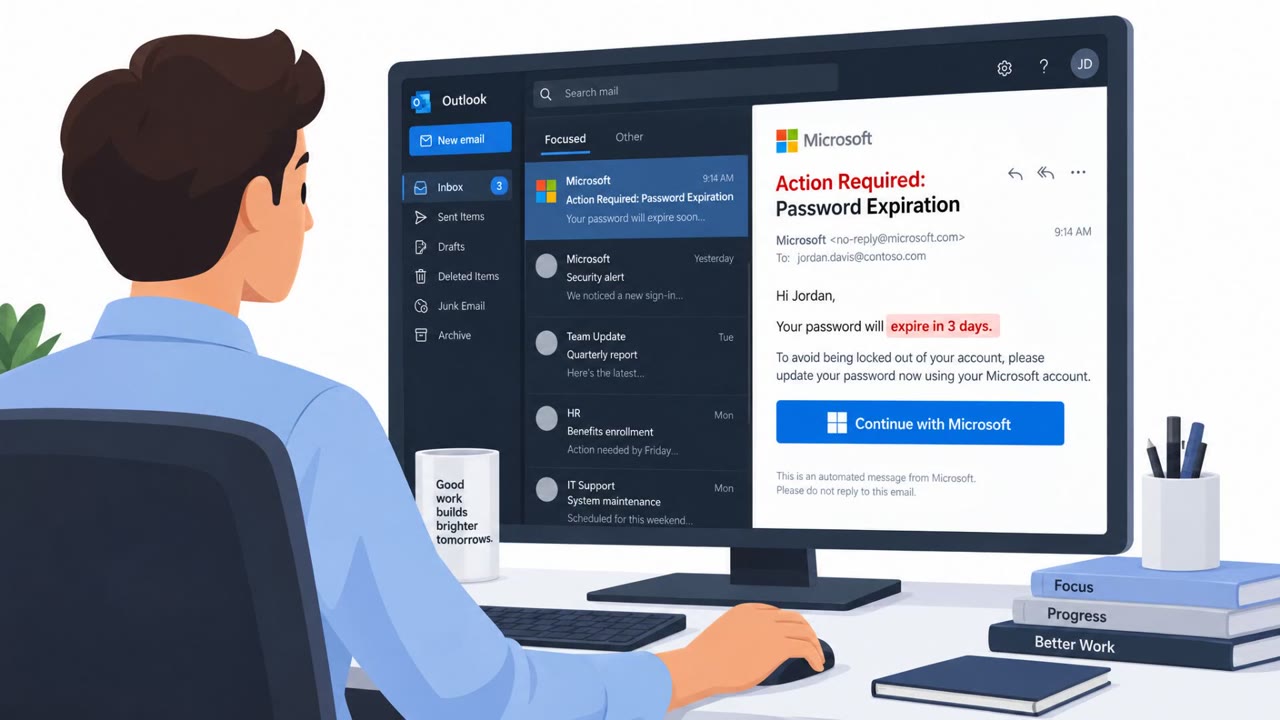
- Emails requesting software account credentials, particularly when they create urgency around verifying account access.
- Investment offers promoted exclusively through messaging apps or social media with no independently verifiable track record.
- Requests to move money or provide credentials based solely on a message or call, without separate confirmation.
Building Resistance
Treat unsolicited investment calls and messages as high risk, especially when the sender directs you to an unfamiliar trading platform. Never provide software account credentials in response to an unexpected email; navigate directly to the known service instead of using links in messages. Independently verify any investment firm or offer before sending funds, and apply the same scrutiny to financial requests made through social media or messaging apps, since fraud networks can use those platforms to promote deceptive offers.
Key findings
- Interpol's Serengeti III operation resulted in 1,462 arrests, disrupted more than 10,000 malicious networks, and recovered over $105 million.
- Ugandan transnational fraud rings operated call centers using scripts, fake trading platforms, and fraudulent websites to target pensioners in Asia with fictional investments.
- Nigerian authorities arrested a suspect accused of operating a phishing and BEC scheme that harvested software credentials and collected roughly 2.1 million email addresses.
- A separate Nigerian investment scam was promoted through messaging applications and allegedly laundered much of its proceeds through cryptocurrency.
- Other cases included a malicious mobile-loan application scheme in Tanzania and a vehicle-import fraud network promoted through social media in Gabon.
Who’s being targeted
- Commonly targeted roles: Employees with software accounts, Finance and accounts-payable teams, Executives and business email users, Customer-service teams, Pensioners and retirees, Individual investors, Employees who use messaging apps or social media for business.
- Affected industries: Financial services, Retail banking, Investment services, Technology and software services, Cryptocurrency services, Vehicle import and sales, Consumer lending.
- Attack channels: vishing, website, email, smishing.
- Impersonated: Investment adviser or representative of a trading platform, A trusted software service or business contact, Investment promoter or investment service.
Red flags to watch for
- The investment opportunity is unsolicited.
- The caller directs the target to an unverified trading platform or fraudulent website.
- The opportunity promises or implies an investment that cannot be independently verified.
- The message asks for account credentials.
- The sender or linked sign-in page may not match the real software provider.
- An unexpected request creates urgency to verify account access.
- The investment is promoted through an unsolicited messaging-app contact.
- The promoter asks the recipient to move money based on a chat message.
- The investment and its operator cannot be independently verified.
Frequently asked questions
What is Interpol's Serengeti III operation?
It is an African law enforcement operation that resulted in 1,462 arrests, disrupted more than 10,000 malicious networks, and recovered over $105 million linked to cybercrime.
How did Ugandan fraud rings target pensioners?
They ran call centers using scripts, fake trading platforms, and fraudulent websites to persuade pensioners in Asia to invest in fictional opportunities.
What other scam types were found in this operation?
Authorities also reported phishing and business email compromise schemes, messaging-app investment scams, a mobile-loan app scheme in Tanzania, and a vehicle-import fraud network promoted via social media in Gabon.
How can employees protect themselves from the phishing and BEC tactics described?
Avoid entering software credentials in response to unexpected emails and instead navigate directly to the known service rather than clicking message links.
Read the video transcript
“We have an investment opportunity through our trading platform.” Sound familiar? In Uganda, scripted call centers directed pensioners in Asia to fake trading websites. The caller sounded helpful; the investment didn't exist. That's the trick: a convincing dashboard isn't proof your money is invested. The unsolicited call and unverified website are the red flags. Before depositing anything, independently verify the firm using contact details you find yourself.