AI Agents Target Crypto KYC With Deepfakes

AWS Security Blog · High sophistication
Last updated November 13, 2026

Amazon observed threat actors using ARTEX AI agents in sustained cybercrime campaigns. One campaign attempted to defeat cryptocurrency-exchange identity checks using real-time deepfake video and forged identity-document images, providing a realistic fraud workflow for awareness training. The same reporting also describes large-scale theft of AI and cloud credentials from exposed applications.

Key findings

  • Amazon's MadPot decoy sensors captured ARTEX agent records that described sustained offensive campaigns with minimal human intervention.
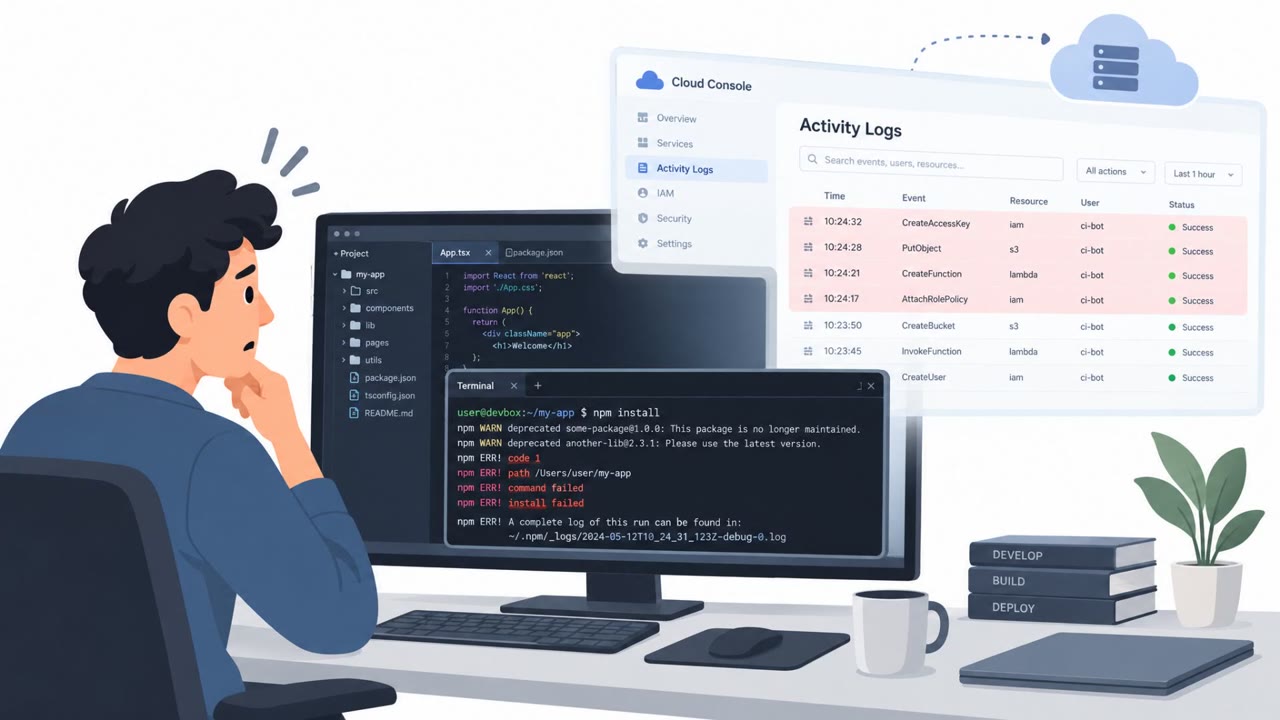
  • A credential-theft operation targeted exposed AI applications and model gateways to collect API keys, cloud credentials, and access to premium AI models.
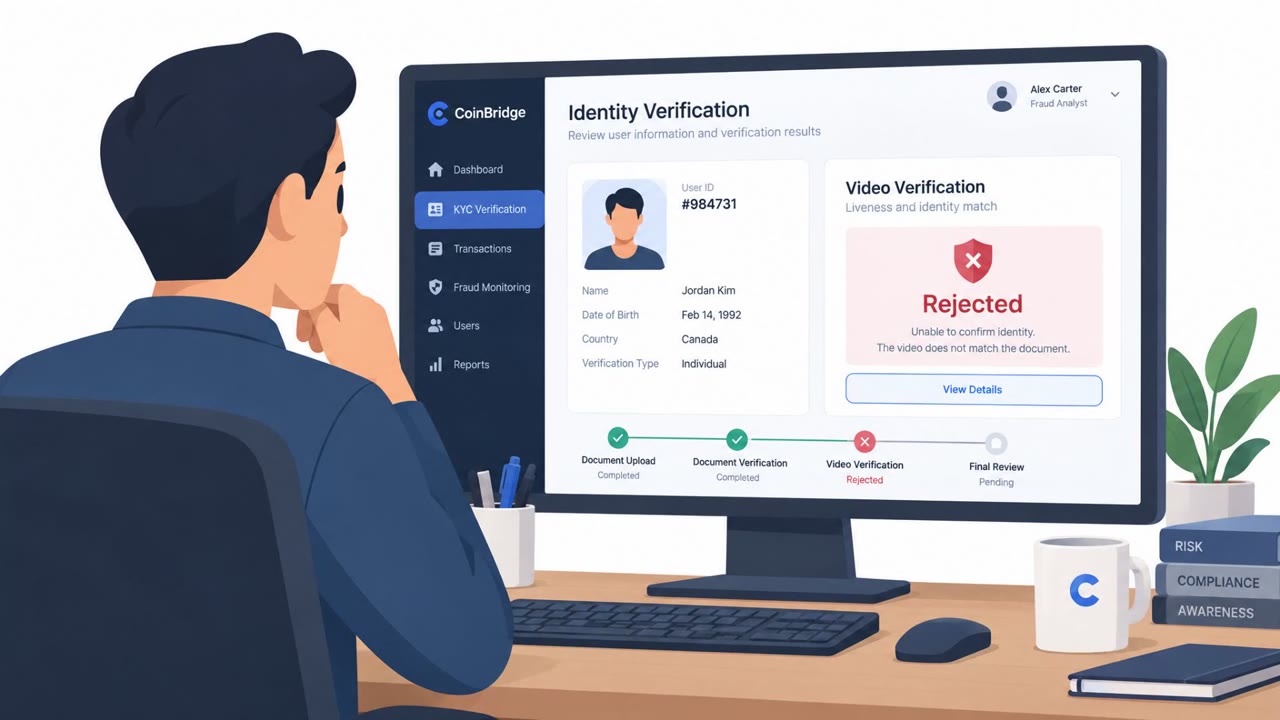
  • A separate operation targeted two cryptocurrency exchanges and attempted to bypass KYC verification with real-time deepfake video and forged ID-document images.
  • The deepfake attempts reportedly completed liveness movement sequences but were rejected by the verification vendor's server-side decision in every recorded attempt.
  • The agents prioritized weaknesses such as default credentials, exposed secrets, unauthenticated management interfaces, and unpatched software.
  • Amazon assessed with moderate confidence that disparate Chinese-nexus threat groups used ARTEX.

Who’s being targeted

  • Commonly targeted roles: KYC analysts, Fraud operations teams, Cryptocurrency exchange staff, Trust and safety teams, AI platform administrators, Cloud administrators, Application developers, Security operations teams.
  • Affected industries: AI application platforms, Cloud services, Cryptocurrency exchanges, Financial services, Software and internet services.
  • Attack channels: website.
  • Impersonated: A purported cryptocurrency-exchange customer using a false identity.

Awareness takeaways

  • Treat KYC checks as a layered fraud-control process: a convincing live selfie or document image alone is not proof that the applicant is genuine.
  • Train fraud and KYC teams to escalate suspicious verification attempts rather than relying only on whether a user completes on-screen liveness movements.
  • Protect AI and cloud credentials as production secrets: remove exposed keys, replace default credentials, and restrict unauthenticated management interfaces.
  • Monitor AI-service usage and spending for signs that stolen model-access keys are being used by unauthorized parties.

Red flags to watch for

  • The live face closely follows movement prompts but may appear unnaturally smooth, delayed, or inconsistent.
  • The ID image may look like a genuine camera photo at a technical level while the identity or document details do not match other account signals.
  • A passing-looking client-side check should not override a server-side fraud verdict or independent verification controls.
Try Mirage

Mirage safely runs attacks like this one against your own team, so you find out what happens before a real adversary does.

Get a demo
Read the video transcript

That crypto-exchange selfie moved on cue. It was a deepfake. Amazon’s MadPot sensors captured ARTEX agent records: real-time deepfake video for the live check, then forged ID photos uploaded through the exchange’s normal KYC flow. Here’s the catch: one face finished the movement sequence within seven pixels of its target. The vendor’s server-side verdict still rejected every recorded attempt. Smooth or delayed face? ID details don’t match account signals? Escalate the KYC attempt.

Similar attacks

AI Agents Use Deepfakes to Target Crypto KYC

AI Agents Use Deepfakes to Target Crypto KYC

Amazon captured records showing attackers using AI agents in a campaign that attempted to bypass identity checks at two cryptocurrency exchanges. The agents created deepfake video and forged identity-document photos to impersonate legitimate users during verification, although the reported video…

November 16, 2026

Fake LLM Portal Steals Tokens, Fuels $100K Bills

Fake LLM Portal Steals Tokens, Fuels $100K Bills

Google’s threat researchers investigated real attacks in which criminals stole cloud and AI-service access, then ran up charges exceeding $100,000 in a day and, in one case, nearly $1 million. One group used a fake LLM user sign-up portal to trick visitors into providing active access tokens, while…

November 2, 2026
Fake LLM Portal Steals Access Tokens

Fake LLM Portal Steals Access Tokens

Google says attackers are using fake application portals to trick LLM users into handing over active access tokens, allowing criminals to use expensive AI services on the victim’s account. In a separate campaign, unauthorized AI-tool resellers instructed employees to run a one-line setup command…

November 3, 2026
Stolen Faces Fuel North Korean Meeting Scams

Stolen Faces Fuel North Korean Meeting Scams

North Korean operators behind “FaceStealer” hijacked accounts and used recordings of real people in fake Zoom and Microsoft Teams meetings. They used the familiar faces of trusted contacts to convince targets to install supposed fixes for technical problems, enabling malware installation, account…

November 14, 2026
DPRK Workers Used AI to Infiltrate U.S. Firms

DPRK Workers Used AI to Infiltrate U.S. Firms

U.S. authorities sanctioned people supporting a real North Korean scheme that placed workers in legitimate U.S. businesses using false identities and fabricated job applications. The workers reportedly used AI to tailor resumes and cover letters, create profile photos, and even conceal their…

October 28, 2026
Malicious Packages Turn Dev Installs Into Cloud Breaches

Malicious Packages Turn Dev Installs Into Cloud Breaches

The article describes real supply-chain campaigns where attackers hid credential-stealing code inside trusted open-source packages and developer tools. When a developer or CI system installed the package, the malware ran immediately, stole cloud and pipeline credentials, and enabled unauthorized…

September 28, 2026