Bank Scams Coach Victims to Hand Over Devices

Biometric Update · Medium sophistication
Last updated October 21, 2026

BioCatch reports that social engineering scams are rising in Spain, where criminals manipulate legitimate bank customers into giving attackers access to their screens or devices. The report also links increased malware activity to job and investment scams that persuade victims to install fake work portals or trading applications.

Key findings

  • Reported mule sessions at U.S. mid-market financial institutions increased 25 percent, despite an 11 percent decline in overall fraud sessions.
  • Mules reportedly switch devices and split incoming funds into smaller outbound transfers to make investigations more difficult.
  • In Spain, social engineering scams accounted for 43 percent of all fraud and 60 percent of fraud losses over the previous 12 months.
  • Spanish financial institutions reported a 150 percent increase in fraud using stolen devices and a 46 percent increase in attempted scam sessions.
  • BioCatch linked a 35 percent rise in malware-related sessions in Spain to job and investment scams that direct victims to install bogus apps or work portals.

Who’s being targeted

  • Commonly targeted roles: Retail banking customers, Financial-services employees, Employees with access to payment systems, Job seekers, Employees likely to consider investment opportunities.
  • Affected industries: Banking, Credit unions, Financial services.
  • Attack channels: website.
  • Impersonated: A trading or investment platform, An employer or recruitment work portal, A malicious third party posing as a trusted helper or service.

Awareness takeaways

  • Never install a trading, banking, or work application solely because an unsolicited job or investment contact directs you to do so; independently verify the organization and use official channels.
  • Do not grant screen-sharing, remote-control, or device access to an unverified person, especially while logged in to financial accounts.
  • Treat unexpected requests involving a new device, unfamiliar transfers, or multiple smaller payments as possible financial fraud and verify them through established bank contacts.

Red flags to watch for

  • An investment offer requires installing an unfamiliar app.
  • The app is obtained outside an official app store or trusted company site.
  • The supposed investment platform pressures the victim to install software before providing normal account access.
  • A job process requires software installation before a normal interview or verification process.
  • The recruiter directs the candidate to an unfamiliar work portal.
  • The portal or app is presented as mandatory without a verifiable employer contact.
  • An unexpected party asks for remote access to a device.
  • The request seeks screen sharing or device control rather than normal support verification.
  • The person pressures the victim to grant access while handling a financial account.
Try Mirage

Mirage safely runs attacks like this one against your own team, so you find out what happens before a real adversary does.

Get a demo
Read the video transcript

That investment offer has a catch: install their app first. The page sends you to a download outside the app store. A job offer can use the same trick: 'Install the work portal to continue your application.' Both downloads can carry malware. Here's the tell: normal account access or an interview shouldn't depend on installing mystery software. Some scams then coach you to share your screen or hand over device access while banking. Before installing anything or sharing your screen, contact the organization through its official website.

Similar attacks

Fake Bank Calls Trick Victims Into NFC Card Fraud

Fake Bank Calls Trick Victims Into NFC Card Fraud

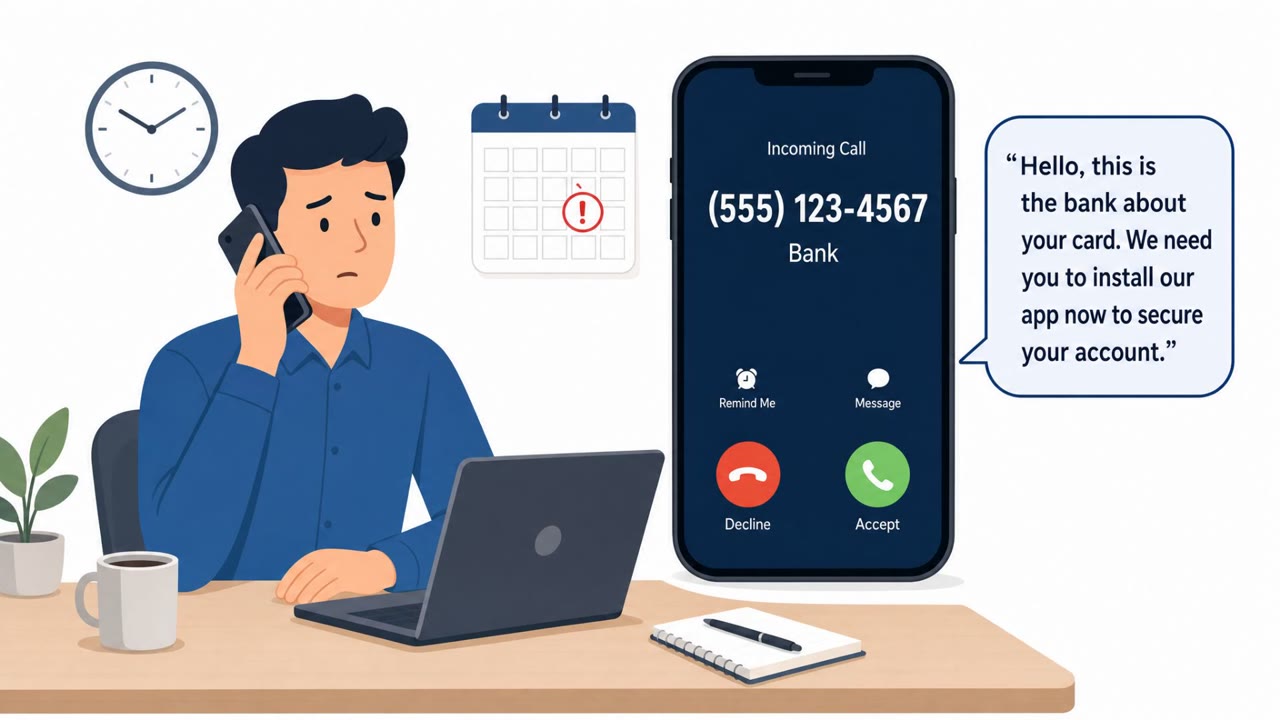
Researchers described a real scam where criminals called victims pretending to be bank support and convinced them to install a “legitimate” Android app. The app was actually SpyNote malware, giving the attacker remote control of the phone, after which a second tool (WindRelay) was used to relay…

August 14, 2026

Fake AI Trading Bot Steals Crypto Wallet Passwords

Fake AI Trading Bot Steals Crypto Wallet Passwords

Researchers observed real campaigns where a fake “AI crypto trading agent” website tricked victims into downloading malware that silently replaces browser wallet extensions and steals the wallet password when it’s typed. The same reporting also describes invoice emails using QR codes to push…

September 17, 2026
Fake Claude & Perplexity Lures Push Malware

Fake Claude & Perplexity Lures Push Malware

Sophos reports real incidents where attackers impersonated well-known AI brands (especially Claude) to trick people into installing malware. The lures included polished fake installer pages that instruct victims to copy/paste commands, and browser extensions that look legitimate via high ratings…

August 21, 2026
Fake Bank Call Triggers “Ghost Tapping” Card Fraud

Fake Bank Call Triggers “Ghost Tapping” Card Fraud

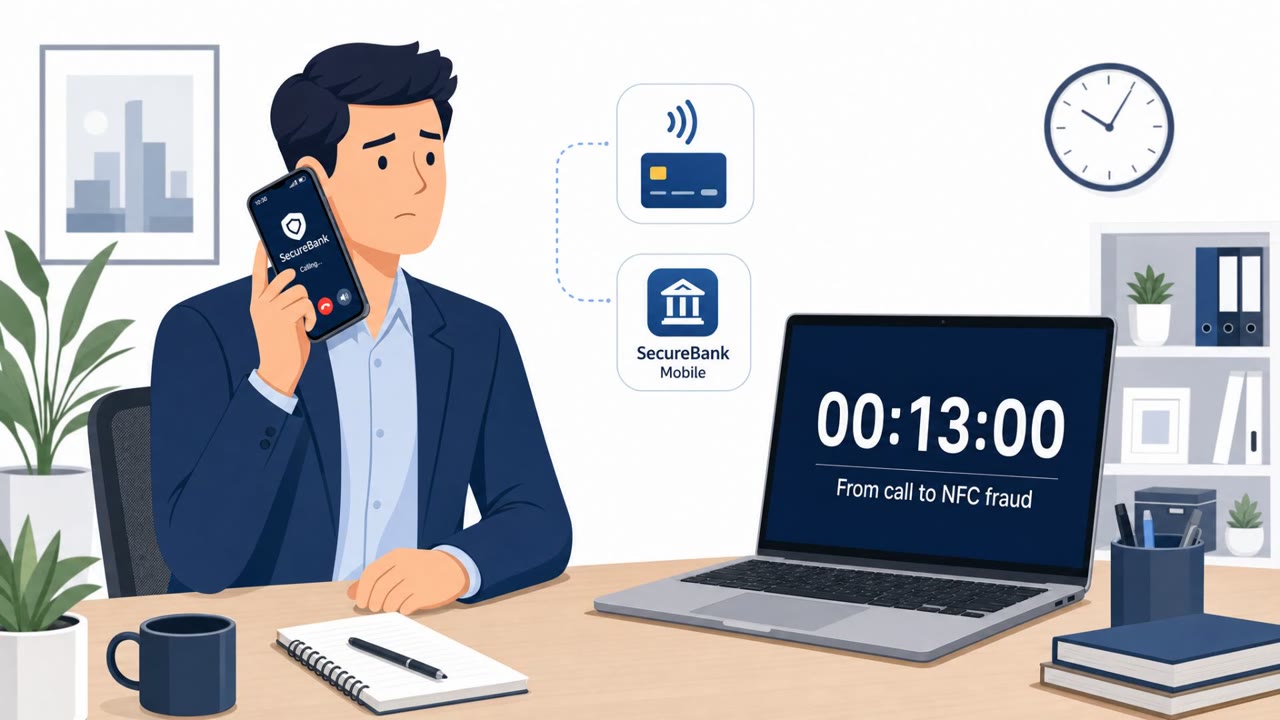
Researchers described a real scam where criminals impersonated a bank on a phone call to trick a victim into installing a malicious Android app. The attackers then remotely controlled the phone and guided the victim to tap their payment card and enter their PIN, allowing real-time contactless fraud…

August 13, 2026
PhantomEnigma Phishes via Hijacked .gov.br Sites

PhantomEnigma Phishes via Hijacked .gov.br Sites

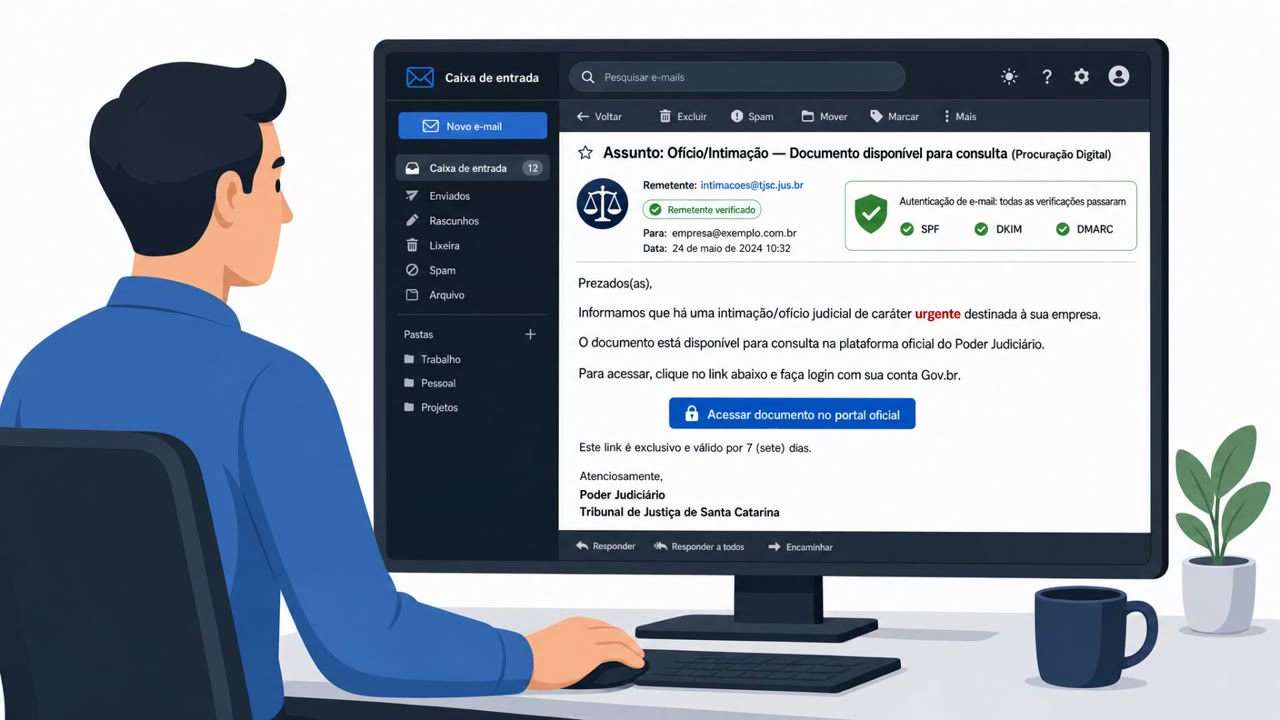
Researchers describe a real phishing-driven malware operation ("PhantomEnigma") that abuses compromised Brazilian government websites and mailboxes to appear trustworthy. Victims are lured with fake law-enforcement style documents (e.g., “Ofício” summons or “Procuração Digital”) and pushed to…

July 28, 2026
Tax and SSA Phish Push Cruciferra Malware Loader

Tax and SSA Phish Push Cruciferra Malware Loader

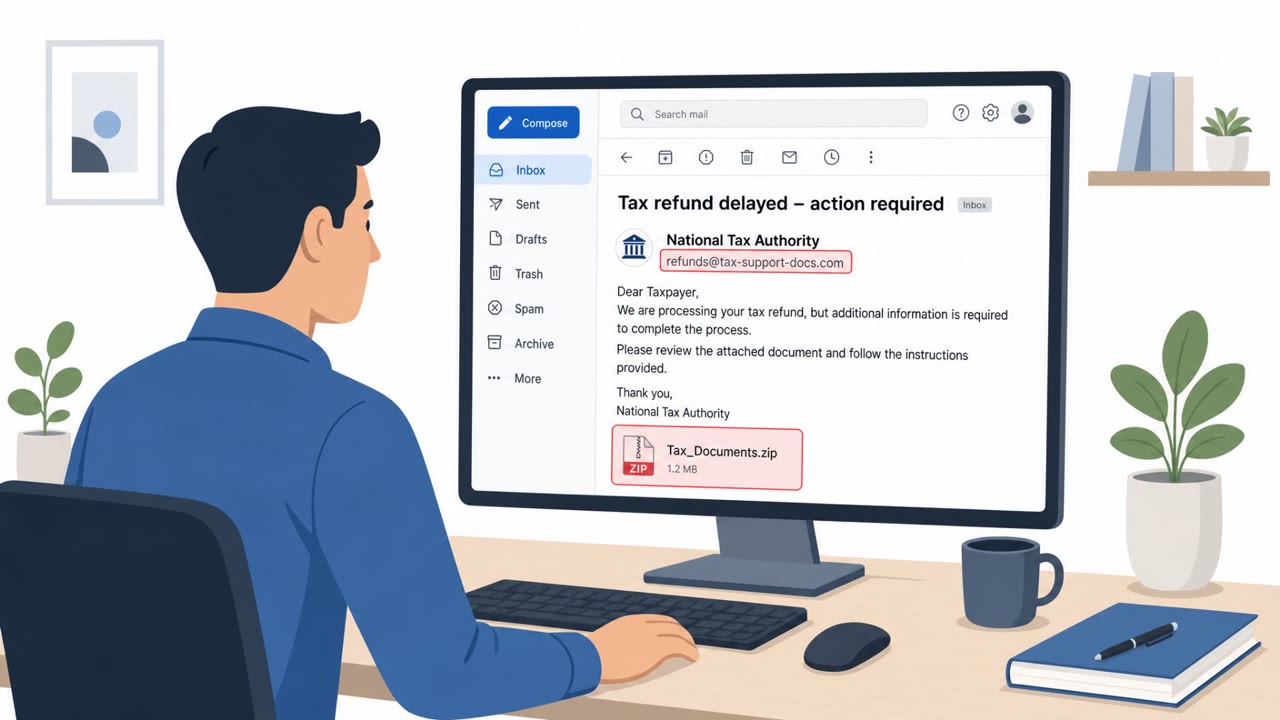
Researchers report multiple real-world email phishing campaigns that used tax and government-benefit themes to trick people into downloading malware. The campaigns used a “crypter” service called Cruciferra to hide malicious files and help malware run while avoiding detection. Targets included…

July 27, 2026