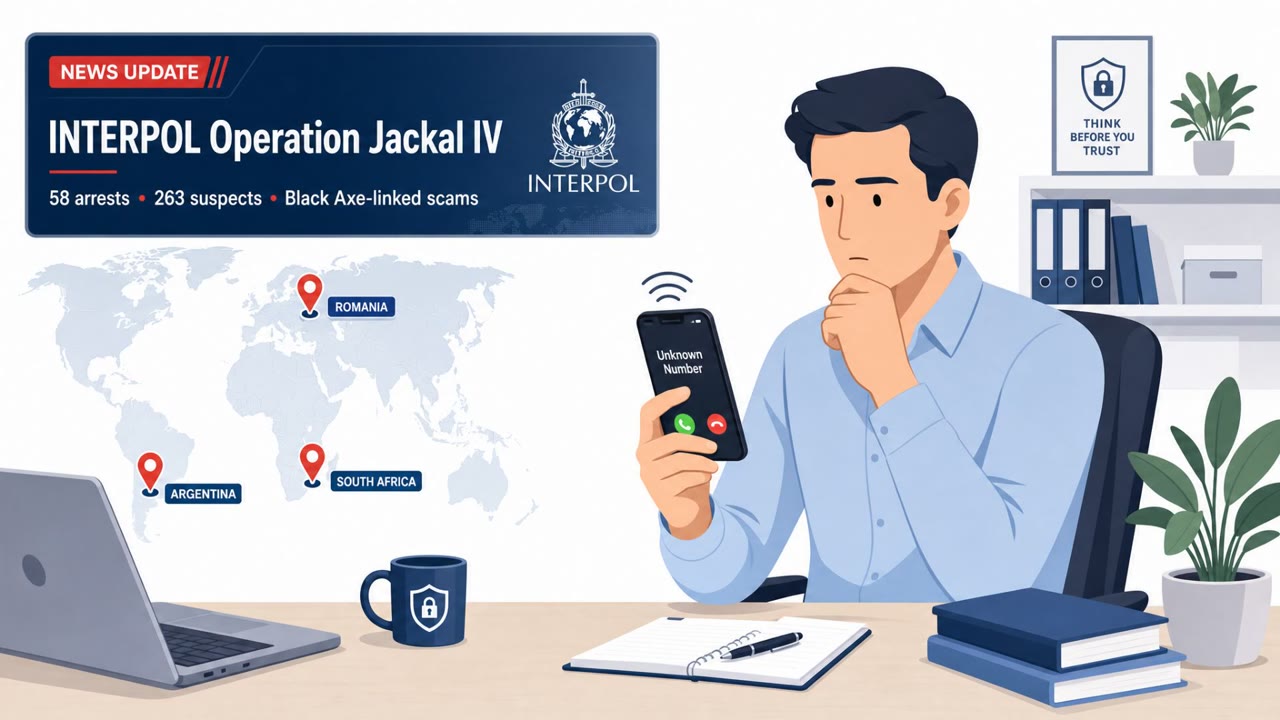
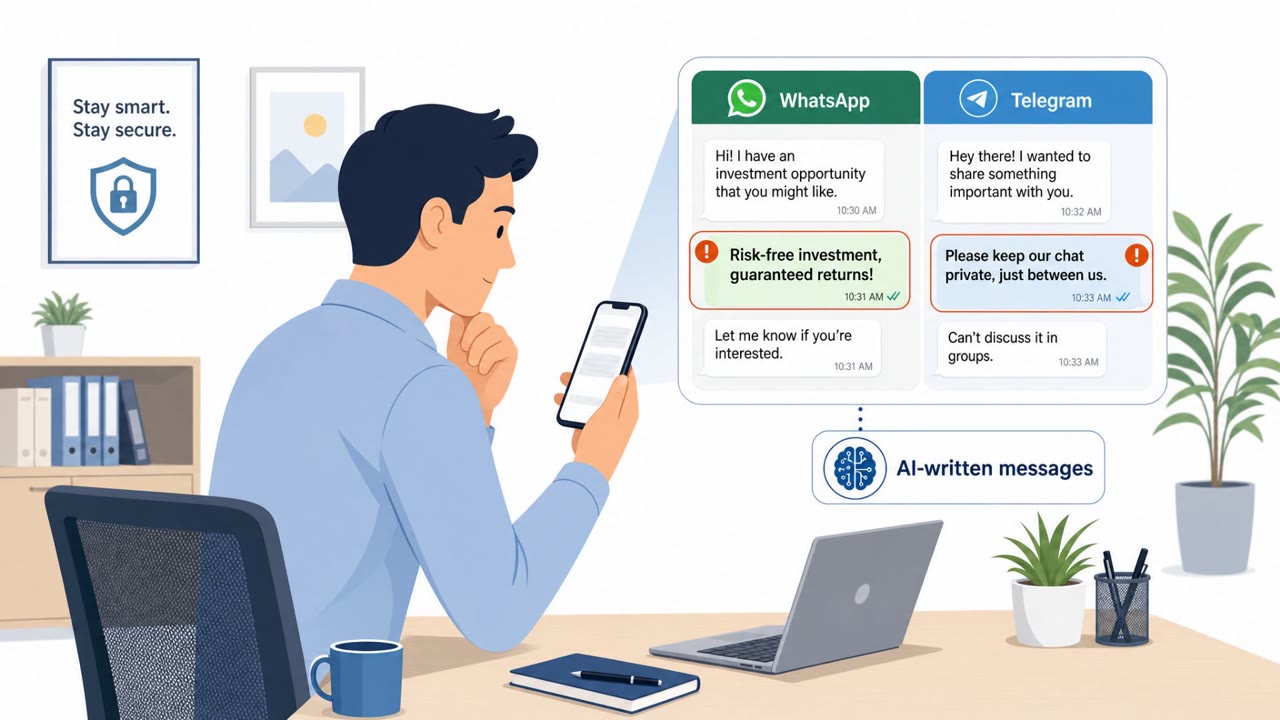
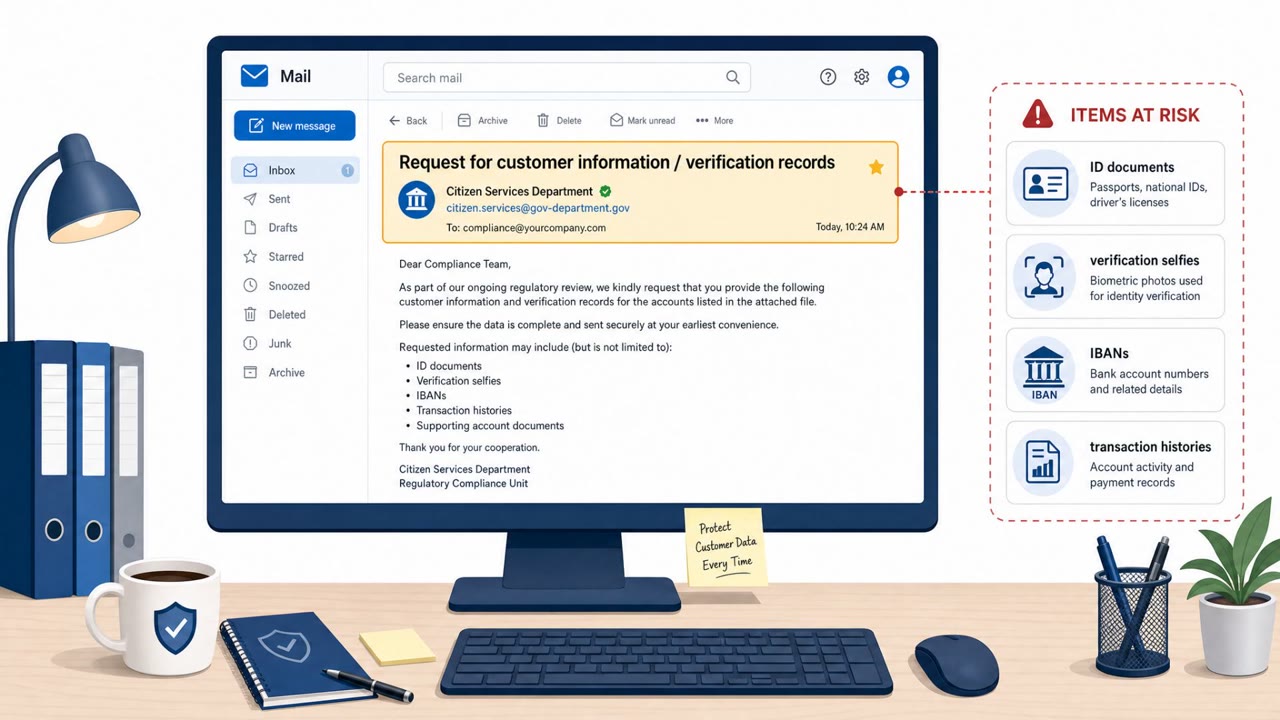
U.S. prosecutors say five alleged leaders of Black Axe’s Cape Town group ran long-running online romance and “advance fee” scams that tricked U.S. victims into sending money. The scammers allegedly used fake identities to pose as love interests or trusted contacts, then pushed for payments using believable hardships like travel problems, inheritance delays, and medical bills, and sometimes threatened to leak sensitive photos if victims hesitated.
What Happened
U.S. prosecutors say five alleged leaders of a Black Axe group based in Cape Town ran long-running online romance and advance-fee scams targeting U.S. victims. The group allegedly used fake identities to pose as love interests, relatives, business partners, or friends in order to persuade people to send money over an extended period.
How the Scam Was Built
The scheme relied on emotional connection rather than technical exploits. Once trust was established through an online relationship or friendship, the scammers introduced a financial hardship story designed to prompt an urgent payment. Common pretexts included:
- Work travel costs
- Construction-site issues
- Delayed inheritance
- Expensive medical bills for a supposed relative
These stories were often framed as short-term loans, which made the requests feel more reasonable and less like an outright scam to the victim.
Why It Worked
The approach succeeded because it exploited emotional trust built over time rather than a single moment of urgency. Victims who believed they were in a real relationship or friendship were less likely to question inconsistent details or verify the story independently. In some cases, the group escalated pressure by threatening to distribute sensitive photos if victims hesitated to pay, turning a financial ask into a coercive extortion attempt. Authorities also allege the group used business entities and access to victims' financial accounts to conceal and move the funds, which helped obscure where money ultimately went.
Red Flags to Watch For
- A new online relationship or contact quickly requests money
- Emotional pressure tied to sudden, unfortunate events
- Requests framed as loans with layered, unverifiable stories
- Threats to release private photos or information if payment is delayed
- Pressure to act quickly and keep the request secret
Building Resistance
Treat any unexpected money request from an online contact as a high-risk signal, regardless of how close the relationship feels. Be skeptical of hard-luck stories involving travel, inheritance, medical costs, or construction problems, since these are common scripts. If anyone threatens to release private images or information, stop engaging and report it rather than paying. Finally, verify any financial request through a trusted, independent channel before sending money, since scammers may rely on multiple identities and accounts to hide their tracks.
Key findings
- Five alleged leaders of Black Axe’s Cape Town group were extradited to the U.S. to face wire fraud and money laundering charges.
- Prosecutors say the group used fake identities to pose as love interests, relatives, business partners, or friends to persuade victims to send money.
- Common money requests cited include travel costs, construction-site issues, delayed inheritance, and expensive health costs for purported relatives.
- In some cases, victims were pressured with threats to distribute sensitive photos if they resisted paying.
- Authorities also allege the group used business entities and access to victims’ financial accounts to conceal and move illicit funds.
Who’s being targeted
- Commonly targeted roles: All employees, Finance, Accounts Payable, Executives.
- Affected industries: Consumers/Individuals, Financial Services.
- Attack channels: website.
- Impersonated: Online love interest using a fake identity, Friend/business partner/relative using a fake identity, Online contact (romance scammer) leveraging previously shared content.
Red flags to watch for
- A new online relationship quickly requests money
- Emotional pressure tied to urgent ‘unfortunate events’
- Requests framed as ‘loans’ with complicated stories (travel, inheritance, medical costs)
- Payment request tied to unverifiable personal story details
- Pressure to act quickly without normal verification
- Payment routed in unusual ways (not described as normal invoicing)
- Threats and intimidation to force payment
- Demands to keep the situation secret
- Sudden escalation when the victim hesitates to pay
Frequently asked questions
What is the Black Axe romance scam case about?
U.S. prosecutors say five alleged leaders of Black Axe's Cape Town group ran long-running romance and advance-fee scams that tricked U.S. victims into sending money using fake identities.
What kinds of stories did the scammers use to request money?
Common requests cited include travel costs, construction-site issues, delayed inheritance, and expensive health costs for purported relatives.
Did the scammers use threats to get payment?
Yes, in some cases victims were pressured with threats to distribute sensitive photos if they resisted paying.
How did the group conceal the money it collected?
Authorities allege the group used business entities and access to victims' financial accounts to conceal and move illicit funds.
Read the video transcript
Five alleged leaders of a Black Axe scam ring just got extradited for one thing: faking love and friendship to drain people’s bank accounts. They build trust as an online partner or “relative,” then drop a story: “I hate to ask, but something terrible happened and I need your help right now” for travel, a delayed inheritance, construction problems, or medical bills. Here’s the gut-check: the moment a new online relationship or “short-term loan” story turns into a money request, especially with emotional pressure or threats to leak private photos, that’s not romance, that’s a scam playbook. Your move: if any online contact asks for money or threatens to leak anything, stop, don’t pay, and report it to Security and HR immediately.