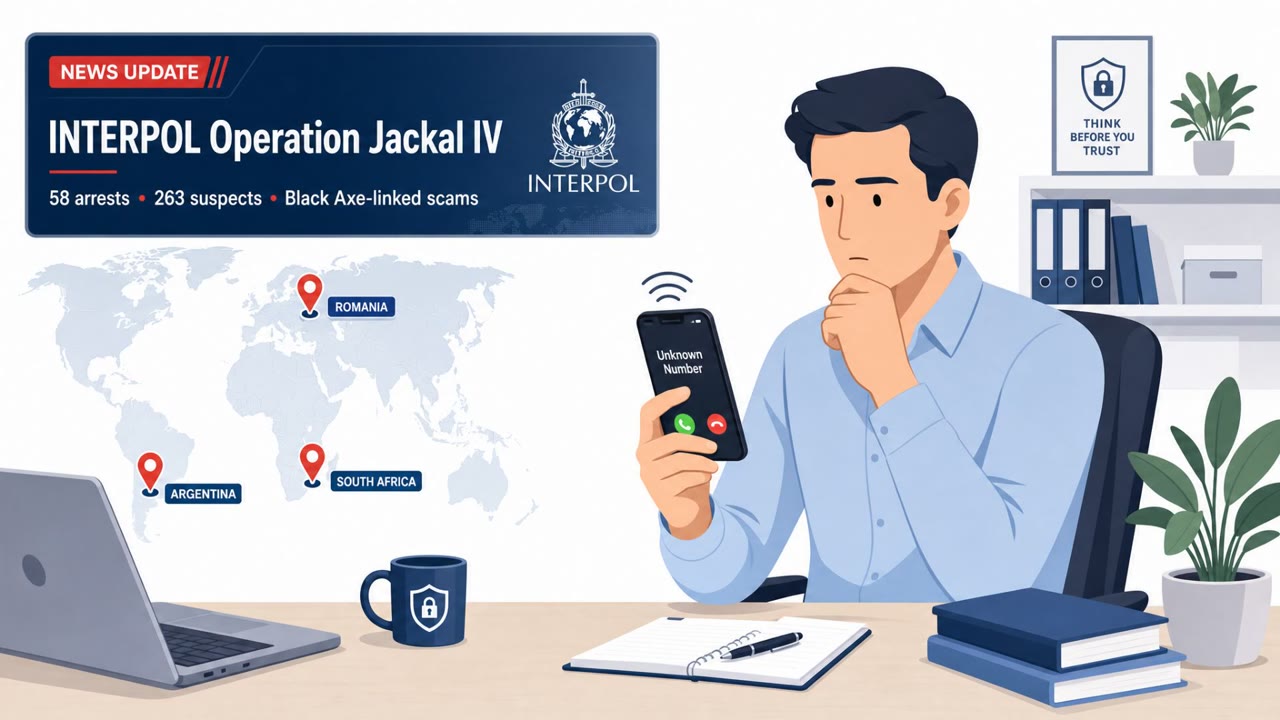
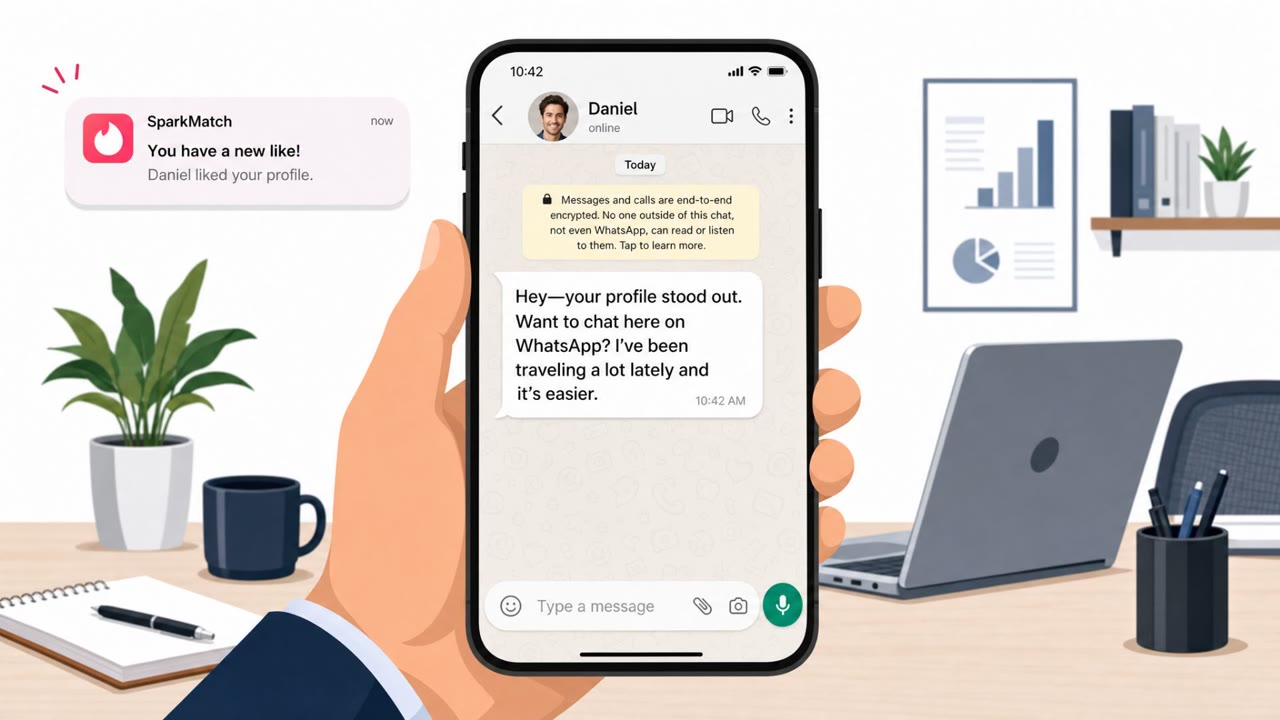
OpenAI says it disrupted a Cambodia-based scam network that used ChatGPT to run investment and romance scams, impersonate law enforcement, and recruit workers using fake job ads aimed at people in India. The group used the tool to create believable personas, translate scam messages, and generate fake documents and images to convince victims.
Key findings
- OpenAI says it banned accounts tied to scam centers in Cambodia after being tipped off by WhatsApp officials.
- The operation combined multiple scam types (investment, romance, gambling, and law-enforcement impersonation) and targeted people in India with fake job ads.
- ChatGPT was used to create fake personas, generate/translate scam messages, and create promotional content supporting fraudulent schemes.
- The scammers generated fake images including passports, legal notices, stock purchase confirmations, and gambling platform pages.
- OpenAI noted indications of human trafficking/forced labor supporting the scam operation, including discussions of detention and escape attempts.
Who’s being targeted
- Commonly targeted roles: All employees, HR/Recruiting, Finance, Executive assistants, Employees who handle payments, Employees likely to be targeted personally (job seekers/investors).
- Affected industries: Financial services, Consumers/individual investors, Online gambling.
- Attack channels: whatsapp.
- Impersonated: Recruiter / overseas employer, Law enforcement / government authority, Investment advisor / trading platform support.
Awareness takeaways
- Treat unsolicited job offers promising free travel/visas as a high-risk scam and verify the employer independently before sharing any personal documents.
- Be cautious of authority-impersonation messages (police/government) that demand immediate action; use trusted official channels to verify the claim.
- Do not trust images or screenshots as proof of legitimacy for investments, scammers can generate convincing fake confirmations and legal documents.
- Assume scammers can quickly personalize and translate messages at scale; rely on verification steps (known contact methods, official websites) rather than how professional a message sounds.
Red flags to watch for
- Promises of free flights, accommodation, and visas with no verifiable employer details
- Pressure to move the conversation quickly and share sensitive documents
- Recruitment message appears mass-produced/translated and not personalized
- Unsolicited message claiming urgent legal action
- Authority-pressure tactics and demand for immediate compliance
- Requests for personal information or payments via chat
- Investment pitch delivered via chat from an unknown contact
- Fake 'proof' documents/images used to validate legitimacy
- Vague or unverifiable platform details and pressure to deposit funds
Read the video transcript
Imagine this WhatsApp: “Job opportunity: Free flights + accommodation + work visa provided. Apply now.” Looks legit, polished… and it was written by AI in a scam center. OpenAI just shut down accounts linked to Cambodian scam centers using ChatGPT to blast out fake overseas jobs to people in India, then flip to romance, investment, even law-enforcement impersonation scams, all from the same WhatsApp threads. Behind the scenes, ChatGPT was used to create fake recruiter personas, translate messages, and even generate images of passports, legal notices, stock purchase confirmations, and gambling platform pages, so the scam looks official when they pressure you for your ID or money. Here’s the move: if a WhatsApp message offers free flights, housing, or urgent “law enforcement” help, don’t reply or send documents, close the chat and look up the employer or agency yourself using their official website or known contact number.