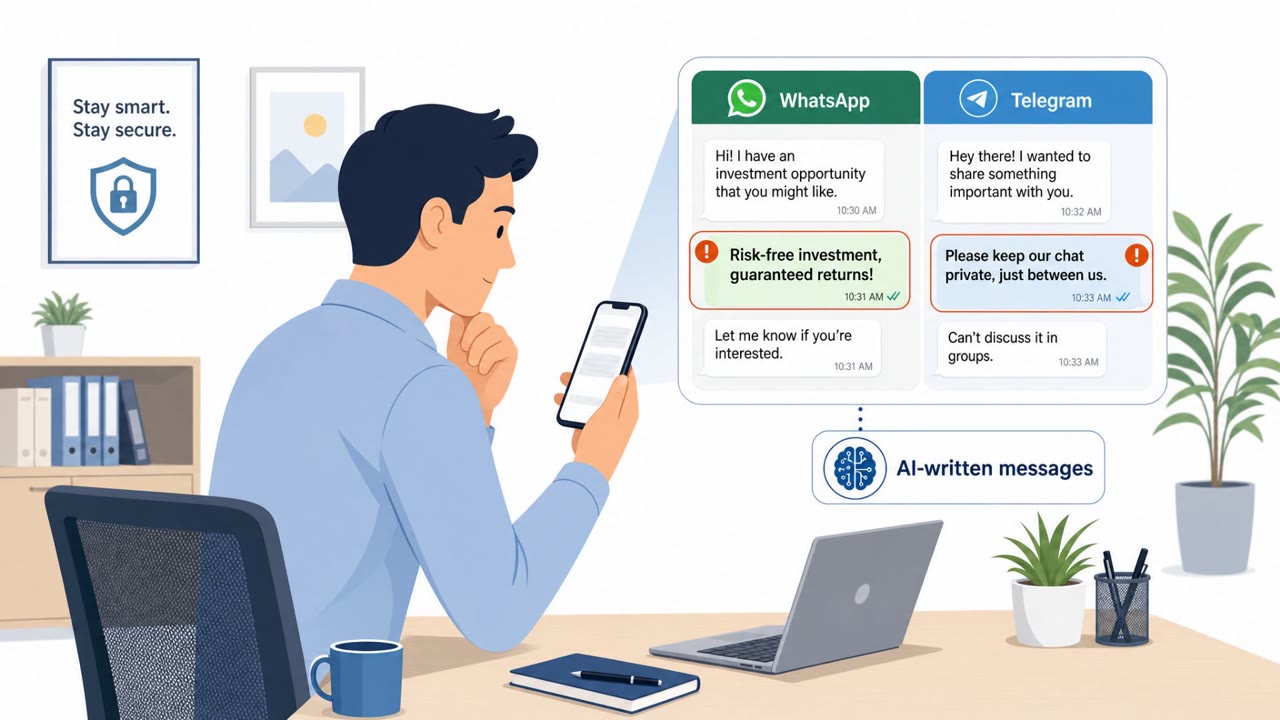
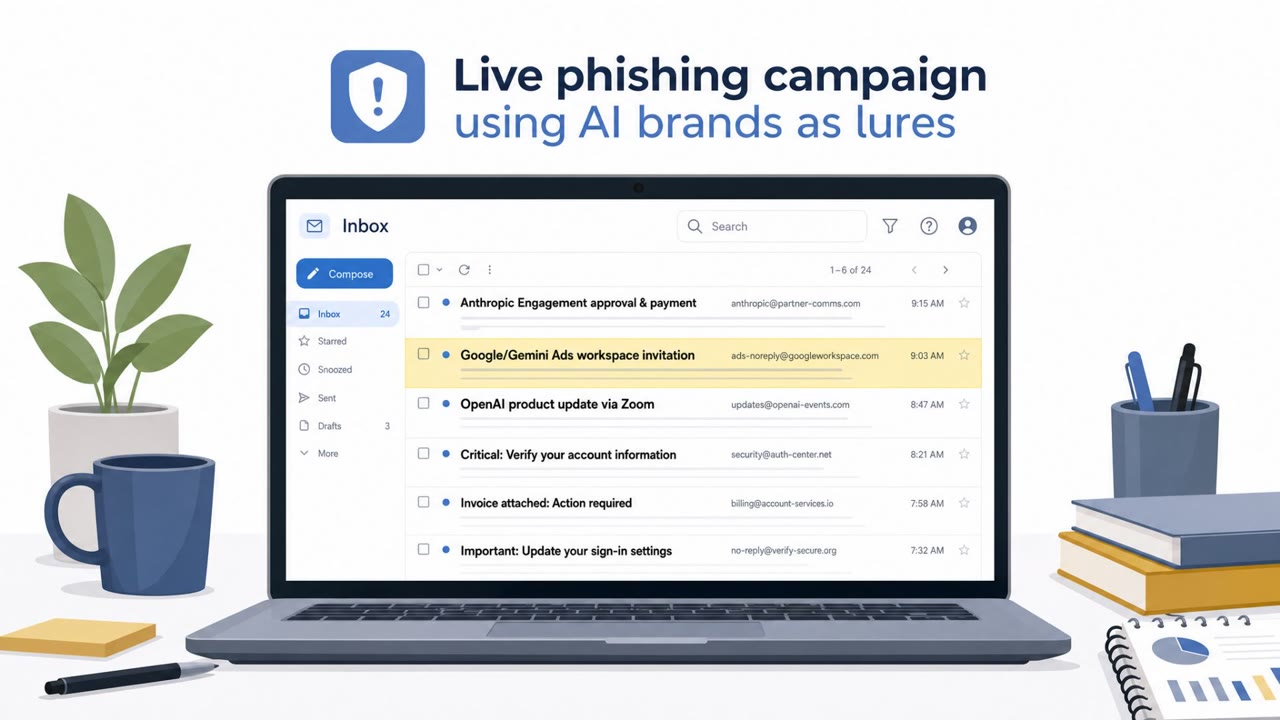
A Cambodia-based scam network used ChatGPT to run multiple social-engineering schemes at once, including romance scams that pivoted into fake crypto/gold investments. The same operators also posed as online gambling reps offering fake winnings and as law enforcement demanding “fines,” using forged documents to make the stories feel real.
Key findings
- OpenAI disrupted a Cambodia-based social-engineering group that used ChatGPT as part of its scam operations.
- The network ran several scam types in parallel and mixed them (romance/dating trust-building followed by fraudulent investment pitches).
- Operators impersonated multiple roles (dating personas, investment experts, gambling platform reps, and law enforcement).
- They generated forged documents and fake interfaces (e.g., passports, legal notices, stock purchase confirmations, gambling platform UIs) to support the deception.
Who’s being targeted
- Commonly targeted roles: All employees, Executives, Finance/AP (for payment/fraud awareness), HR (general scam awareness for employee targeting).
- Affected industries: Consumers/General public, Financial services (investment/crypto), Online gambling.
- Attack channels: website.
- Impersonated: A dating match (fictitious identity) and/or a “fictitious investment expert”, “Representatives of online gambling platforms”, Law enforcement agency.
Awareness takeaways
- Treat sudden investment advice from an online relationship as a red flag and do not send money or crypto based on chat-only trust.
- Be skeptical of “you won” messages, bonuses and winnings are a common hook to get you to click, pay fees, or hand over details.
- If someone claims to be law enforcement and demands payment, stop and verify through official public channels (don’t use their provided contact info).
- Polished documents and images can be forged; verify claims using trusted sources rather than screenshots, “legal notices,” or IDs sent in chat.
Red flags to watch for
- A new online relationship quickly pivots to investment opportunities
- Pressure to invest in crypto/spot gold with promises of easy gains
- Use of unverifiable “experts” and polished but untrusted documentation/screenshots
- Unexpected winnings/bonuses from a platform you didn’t use or can’t verify
- Requests to pay fees/taxes first to receive winnings
- Links lead to lookalike gambling interfaces
- Threats, urgency, and fear used to force immediate payment
- Demands for payment through unusual methods rather than official channels
- Use of “legal notices” that are images/screenshots rather than verifiable official documents
Read the video transcript
Some scammers now use tools like ChatGPT to run romance, jackpot, and fake law-enforcement scams all at once. Example: a new dating match says, “I’ve really enjoyed talking with you. Have you ever invested in cryptocurrencies or spot gold trading?” Then they show slick screenshots of a fake platform and a made-up ‘investment expert.’ Same network also sends messages like, “Good news, your account qualifies for a bonus and you have winnings ready to claim,” plus forged passports, legal notices, or gambling interfaces to prove it’s real. Here’s the move: if a new online relationship or surprise bonus asks you to send money or crypto, stop. Don’t pay from chat, verify the story yourself using official websites and contacts you find on your own.