Russia-linked Cold Relic used information stolen from one U.S. organization to convincingly impersonate an employee and compromise a second organization. The group contacted a target through a secure messaging app, claimed to be sharing a document about a technical issue, and sent a link designed to steal Microsoft Entra ID credentials and authentication tokens.
How the attack unfolded
Cold Relic, a Russia-linked group, built its second intrusion on the back of its first. After compromising a U.S. organization by combining stolen Super Admin credentials with an MFA push-notification fatigue attack, the group waited for the victim to accept one of the repeated approval requests. Once inside, the attackers registered their own device to retain access and exported organization-wide data through Google Takeout, including cloud-drive files and employee lists.
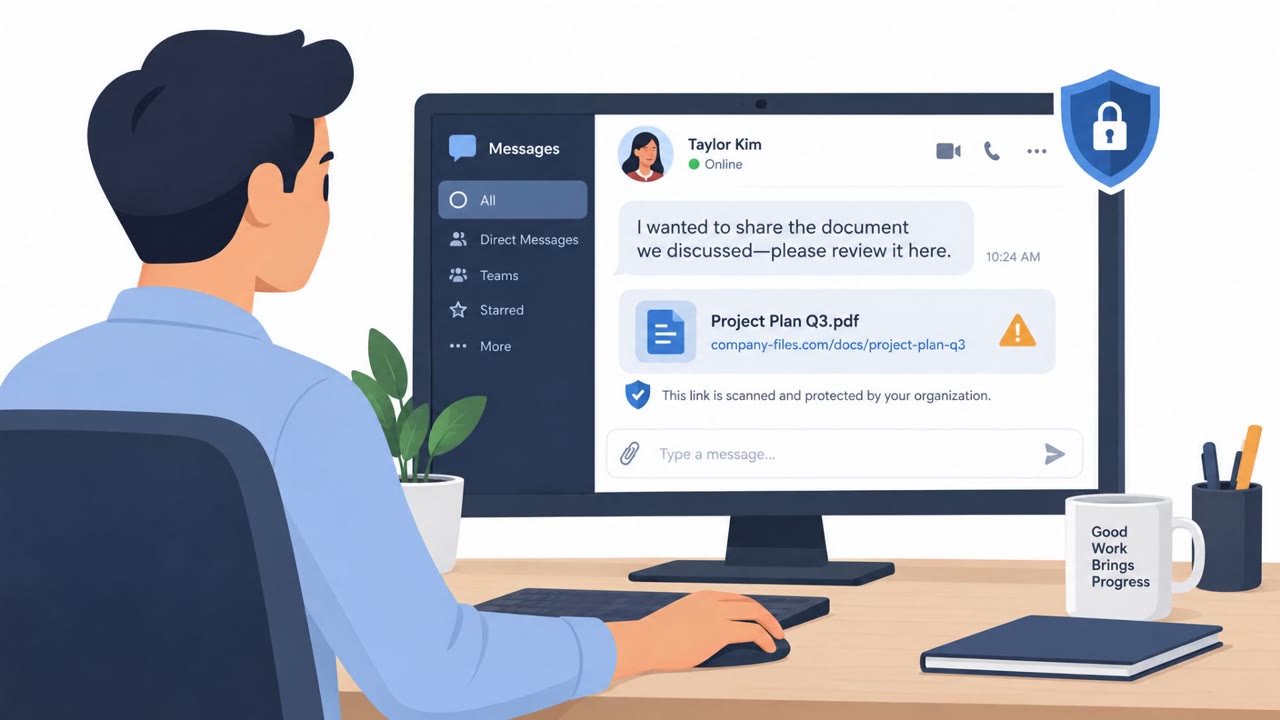
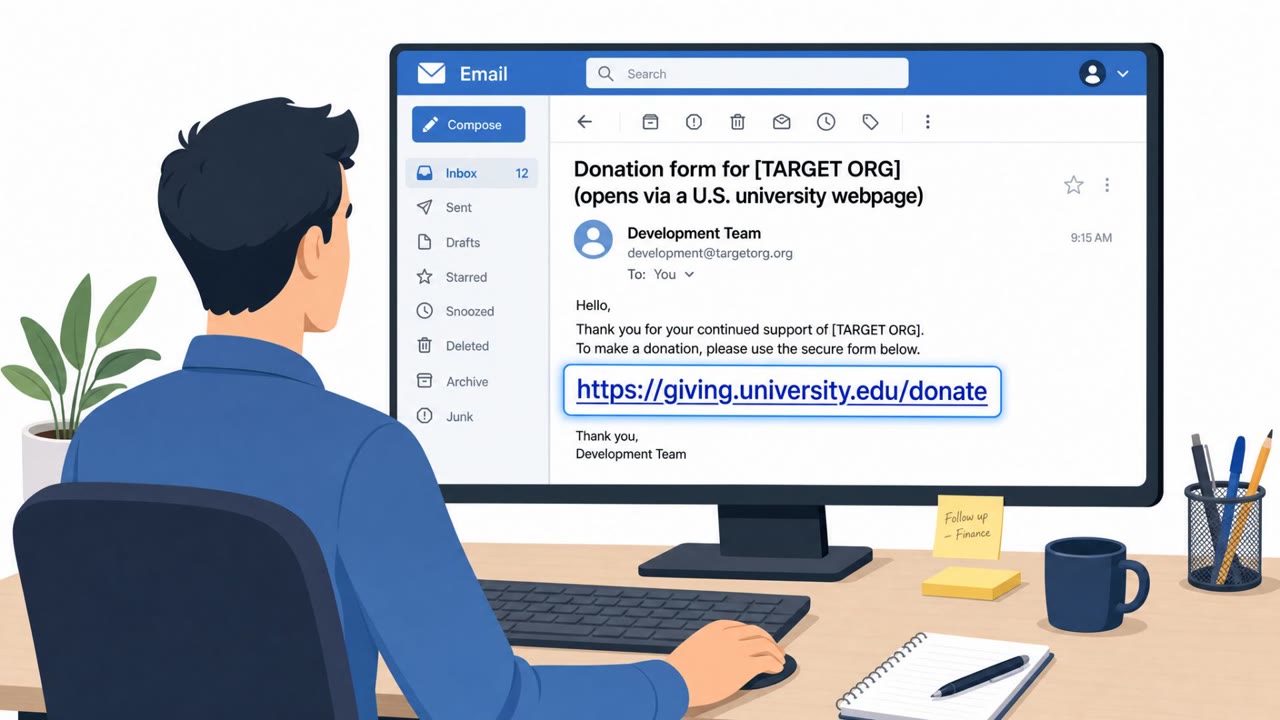
That stolen data became the raw material for the next attack. Using employee directories and emails from the first victim, Cold Relic impersonated a known employee over a secure messaging app and contacted a new target. The pretext was simple: sharing a document with details about a technical issue. The link in that message was designed to harvest Microsoft Entra ID credentials and authentication tokens, and after a successful login, the attackers enrolled a new MFA device in the SSO solution to persist in the account.
Why this approach succeeded
The second phishing attempt worked because it came from someone the target already trusted. By using real names, emails, and professional context pulled from the first breach, Cold Relic increased the credibility of the approach far beyond a generic phishing message. The MFA fatigue tactic in the first intrusion also exploited a human limit: repeated prompts eventually wear down even cautious users, especially administrators who may assume a flood of requests reflects a system glitch rather than an attack.
What to watch for
- Unexpected MFA prompts when you are not actively signing in, especially if they arrive repeatedly in a short span
- A document-sharing message, even from a known contact, that leads to a credential sign-in page
- A technical-issue document that unexpectedly asks you to authenticate with your work or Entra ID account
- New MFA device enrollments or unfamiliar passkeys appearing on an account
Building resistance
Organizations and individuals can reduce the risk of this chained attack pattern by:
- Treating any MFA request you did not initiate as a possible attack and reporting it immediately rather than approving it to make it stop
- Verifying unexpected document links or technical-issue requests through a separate, known communication channel, even when the sender appears to be a trusted professional contact
- Monitoring for and promptly investigating new MFA-device or passkey enrollments, since these can let attackers persist even after password or session resets
- Treating stolen data from one breach as a potential input for future attacks against partners, vendors, and professional contacts, not just the original victim
Key findings
- Cold Relic used employee directories, emails, and other data stolen from an initial U.S. victim to build credible impersonation pretexts against people in the same professional network.
- The group used MFA push-notification fatigue against a Google Workspace Super Admin account; the victim accepted a request, allowing the attackers to enroll their own device.
- After gaining administrative access, the attackers exported organization-wide data, including cloud-drive files, employee lists, and domain-wide data through Google Takeout.
- For the second intrusion, the attackers impersonated an employee from the first victim over a secure messaging app and sent a phishing link under the guise of sharing details of a technical issue.
- The link sought Entra ID credentials and authentication tokens. After successful login, the group enrolled a new MFA device to maintain access.
Who’s being targeted
- Commonly targeted roles: All employees, IT administrators, Google Workspace Super Admins, Microsoft Entra ID administrators, Security and identity teams, Technical staff, Employees with external professional networks.
- Affected industries: Government, Defense contractors, Non-governmental organizations, Professional services.
- Attack channels: vishing, website.
- Impersonated: No human or organization impersonation specified; the prompts appear as MFA requests for the victim's own account., An employee of the first compromised U.S.-based organization..
Red flags to watch for
- Unexpected MFA prompts when the user is not signing in
- Repeated prompts arriving in quick succession
- A request to approve authentication without an IT change or login attempt
- An unexpected document link, even when sent by a known contact
- A document-sharing request that leads to an Entra ID sign-in page
- A technical-issue document that unexpectedly requests credentials or authentication
Frequently asked questions
How did Cold Relic gain initial access to the first organization?
The group used stolen credentials for a Google Workspace Super Admin account combined with an MFA push-notification fatigue attack, gaining access after the victim accepted an MFA request.
How did the attackers use the first breach to compromise a second organization?
They used employee directories, emails, and other stolen data from the first victim to impersonate one of its employees over a secure messaging app, then sent a phishing link under the pretext of sharing a document about a technical issue.
What happened after the attackers stole Entra ID credentials?
After successful login, the attackers enrolled a new MFA device in the SSO solution to retain access to the account throughout the intrusion.
What is MFA push-notification fatigue?
It is a technique where attackers repeatedly send MFA approval requests until a user, worn down by the prompts, approves one, granting the attacker access.
Read the video transcript
That familiar contact may be using a stolen identity. Cold Relic got into one organization after a Super Admin approved repeated Google Workspace MFA prompts. It exported contacts through Google Takeout, then posed as an employee. The message says, ‘Sharing a document containing details about a technical issue.’ But the link opens an Entra ID sign-in page. That's the trap: a real name, stolen from a real breach. That page can steal your credentials and tokens. Verify unexpected document links by calling your contact on a number you already know.