Russian-linked Cold Relic used data stolen from one organization to impersonate an employee and target a contact at another organization. The group built rapport over an encrypted messaging app, then sent a link to a relevant-looking document to steal Microsoft sign-in details and authentication tokens.
How the attack worked
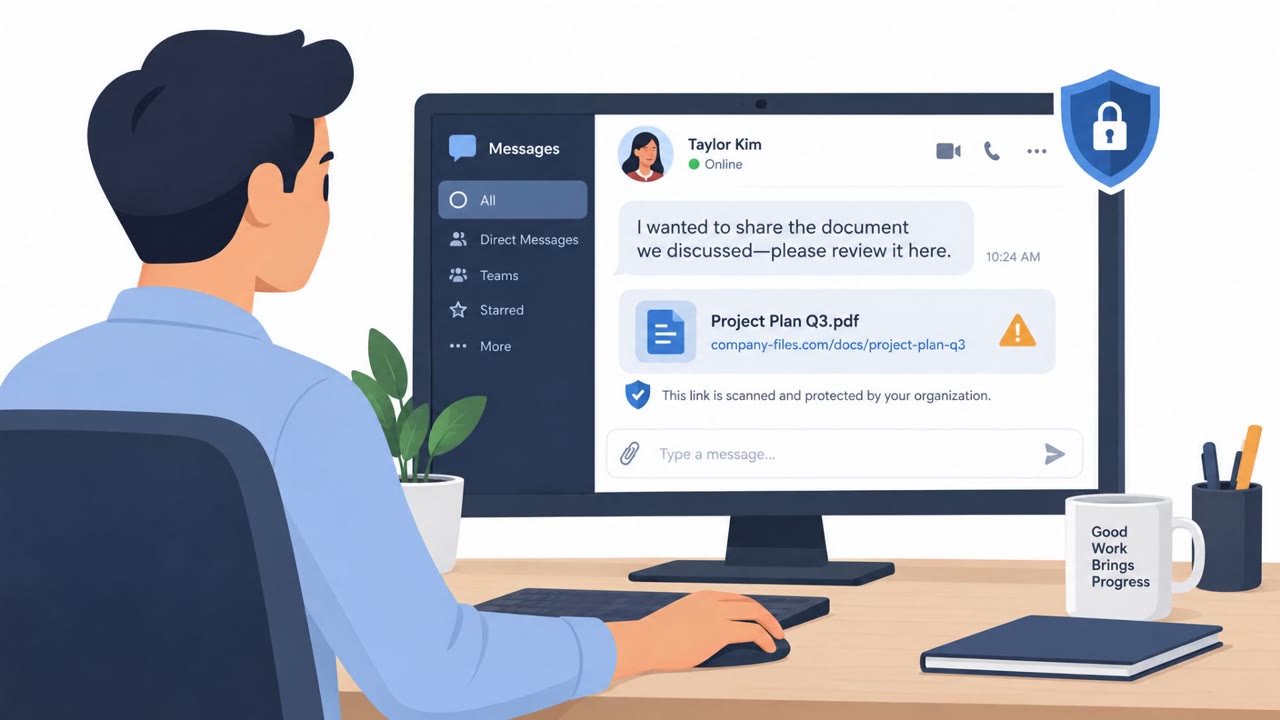
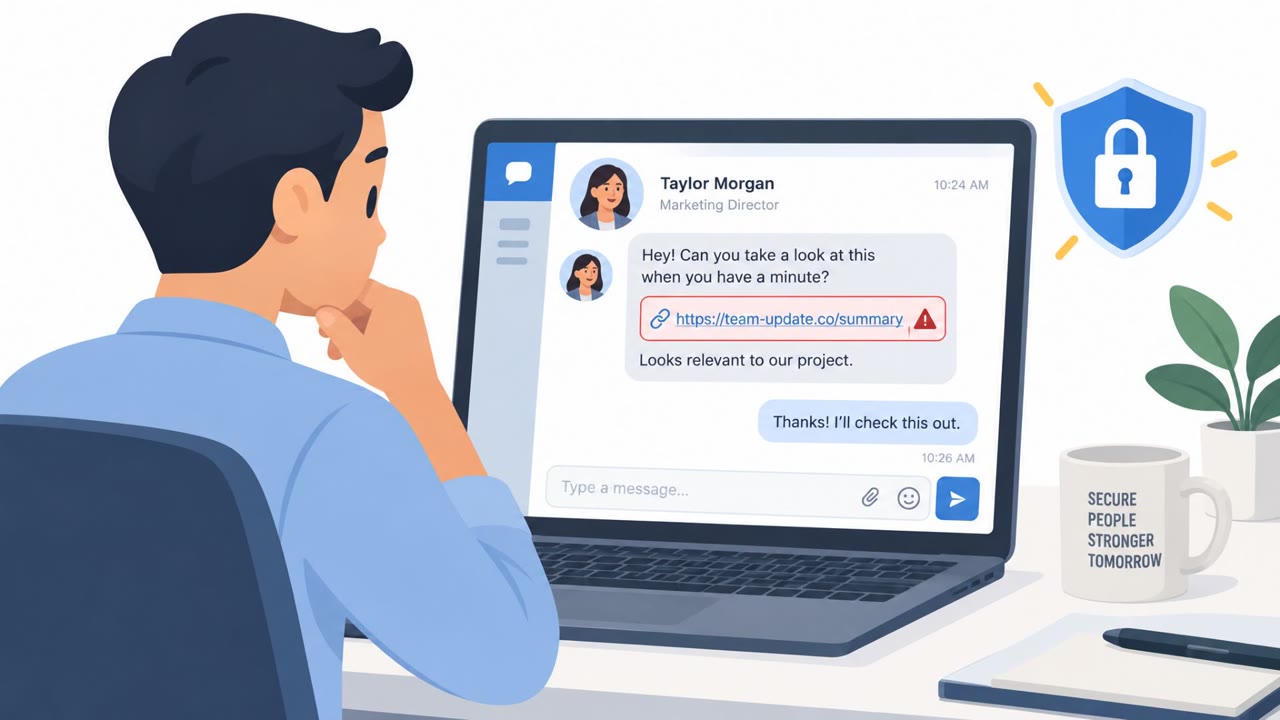
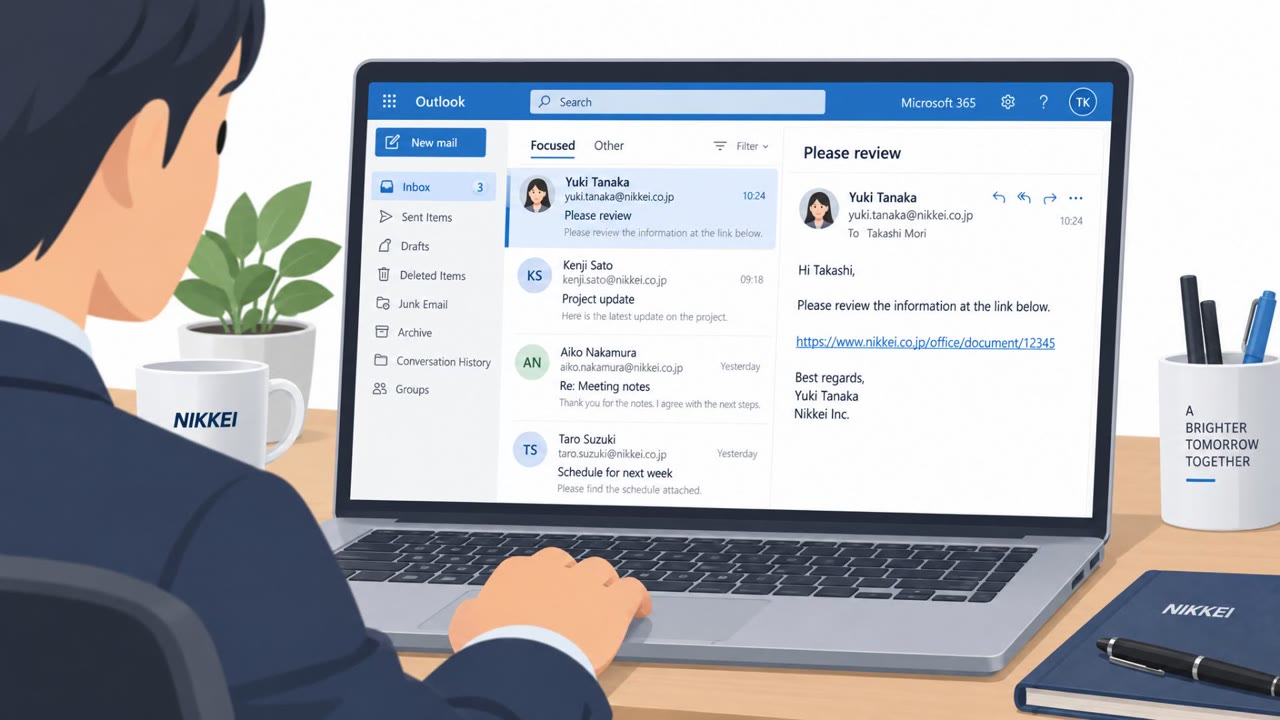
Cold Relic, a group linked to Russian cyber espionage activity, stole an entire cloud drive, employee directories, emails, passwords, and personnel records from a first U.S. organization. Rather than using this stolen data only against the original victim, the group reused it to impersonate an employee of that organization and approach a contact at a second U.S. organization. Attackers initiated contact over an encrypted messaging app and built rapport before introducing a malicious link, posing as a trusted professional contact sharing a document relevant to an ongoing conversation.
Why it succeeded
The attack succeeded because it did not rely on a cold, generic phishing email. The hackers struck up a conversation with the target first, then sent links to documents tied to that conversation, which made the phishing attempt harder to spot. Because the attackers had access to stolen correspondence, employee information, and familiar identities, the resulting messages felt authentic even though they originated from a compromised identity rather than the real employee. The links were designed to steal Microsoft account sign-in details and authentication tokens, giving attackers a path into cloud accounts without needing malware.
What to watch for
- An unexpected sign-in request appears after opening a document link.
- A message from a known contact arrives through an unusual or unverified account.
- A link redirects through another website before displaying the document or sign-in page.
- Cold Relic also uses compromised websites to redirect targets to phishing pages, concealing the real destination and assessing visitors before showing malicious content.
This pattern affects a wide range of targets, including government personnel, defense contractor staff, nonprofit employees, and anyone who regularly communicates with external professional contacts.
How to build resistance
- Treat document links from trusted contacts cautiously when they unexpectedly request a sign-in, and verify such requests through a separate, known contact method before entering credentials.
- Do not assume a familiar name or an existing conversation thread proves a message is legitimate, since attackers can steal correspondence and employee details to impersonate real people.
- Be wary of links that redirect through unrelated sites or present unexpected login pages when accessing shared documents.
- Cloud administrators should pay particular attention to authentication token theft as a goal of these campaigns, since stolen tokens can bypass password-based protections.
These behaviors reflect techniques such as spearphishing via service, impersonation, and use of valid accounts, underscoring why verification habits matter as much as technical defenses.
Key findings
- Cold Relic stole an entire cloud drive, employee directories, emails, passwords, and personnel records from a first U.S. organization.
- The group used information from that breach to impersonate an employee and approach a person at a second U.S. organization.
- Attackers built a conversation before sending malicious links to conversation-related documents, making the credential-theft attempt more believable.
- The links were intended to steal Microsoft account credentials and authentication tokens.
- Cold Relic also uses compromised websites to redirect targets to phishing pages and assess visitors before showing malicious content.
Who’s being targeted
- Commonly targeted roles: All employees, Executives, Government personnel, Defense contractor personnel, Nonprofit staff, Employees with external professional contacts, Cloud administrators.
- Affected industries: Government, Defense contractors, Nonprofit organizations.
- Attack channels: website.
- Impersonated: An employee at a trusted organization whose identity and correspondence were stolen.
Red flags to watch for
- An unexpected sign-in request appears after opening a document link.
- The sender is a known contact, but the message arrives through an unusual or unverified account.
- The link redirects through another website before showing the document or sign-in page.
Frequently asked questions
What is Cold Relic and how does it operate?
Cold Relic is a Russian-linked group that stole an entire cloud drive, employee directories, emails, passwords, and personnel records from a U.S. organization, then used that information to impersonate an employee and target someone at a second organization.
How did Cold Relic make its phishing attempt believable?
The attackers built a conversation with the target over an encrypted messaging app before sending a malicious link to a document related to that conversation, making the credential theft attempt harder to spot.
What were the attackers trying to steal?
The links were designed to steal Microsoft account sign-in credentials and authentication tokens.
How does Cold Relic use compromised websites?
Cold Relic uses compromised websites to redirect targets to phishing pages, concealing the actual destination and allowing attackers to assess visitors before showing malicious content.
Read the video transcript
A contact you know sends the document you just discussed. Seems safe? Cold Relic stole a U.S. organization’s cloud drive, emails, and employee records. Then it posed as an employee, built a conversation, and sent a document link tailored to it. Here’s the tell: the link redirects through another website, then asks for a Microsoft sign-in. That page can steal your password and authentication tokens, even if the conversation feels real. Before signing in, contact that person using a number or account you already know, not the one that sent the link.