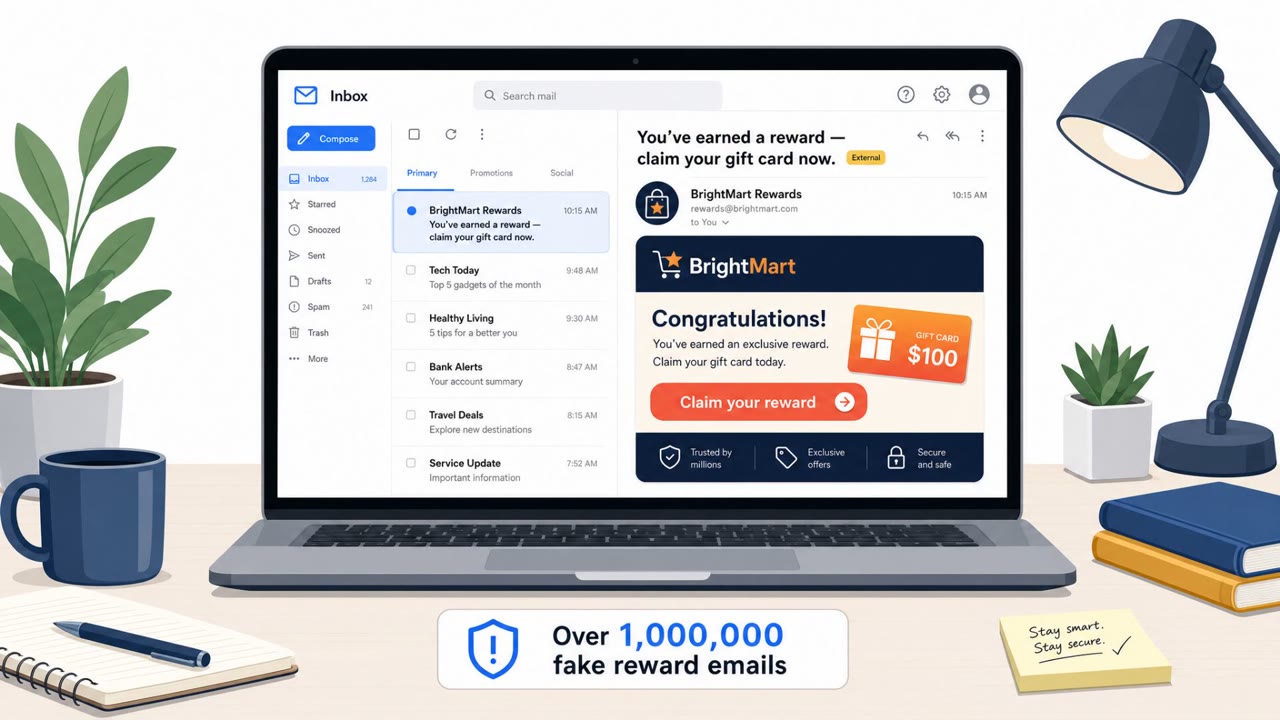
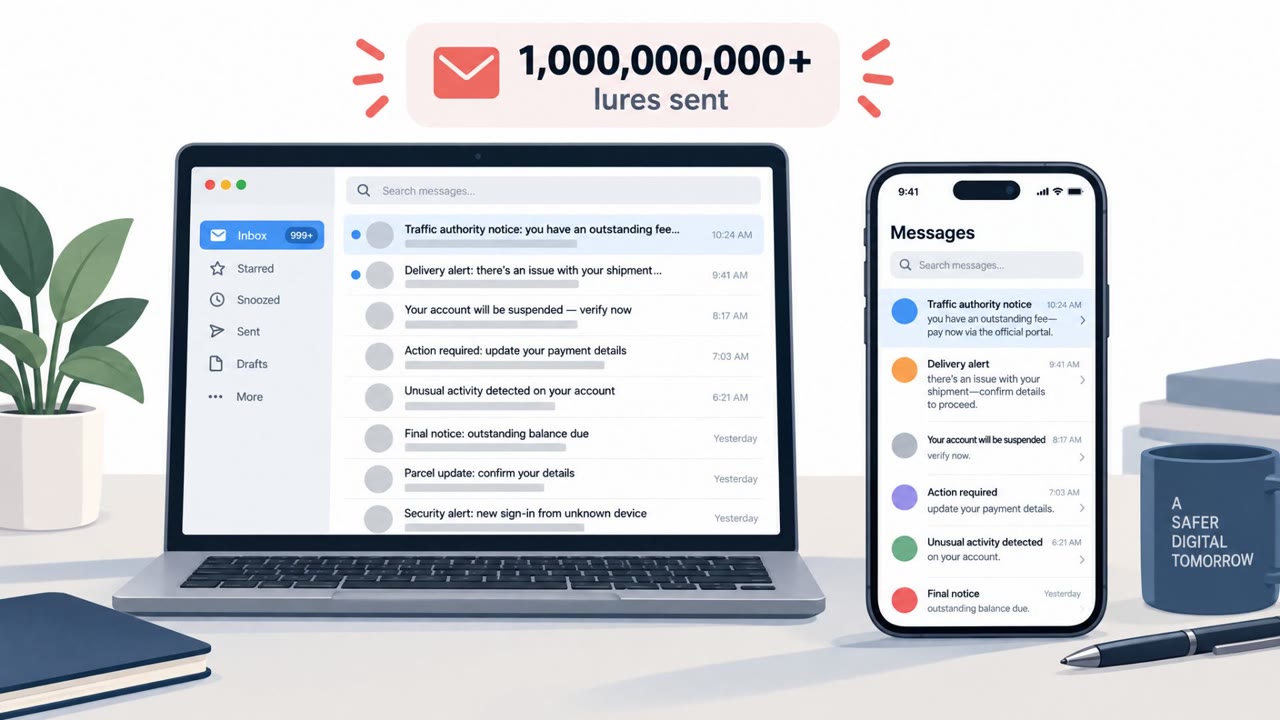
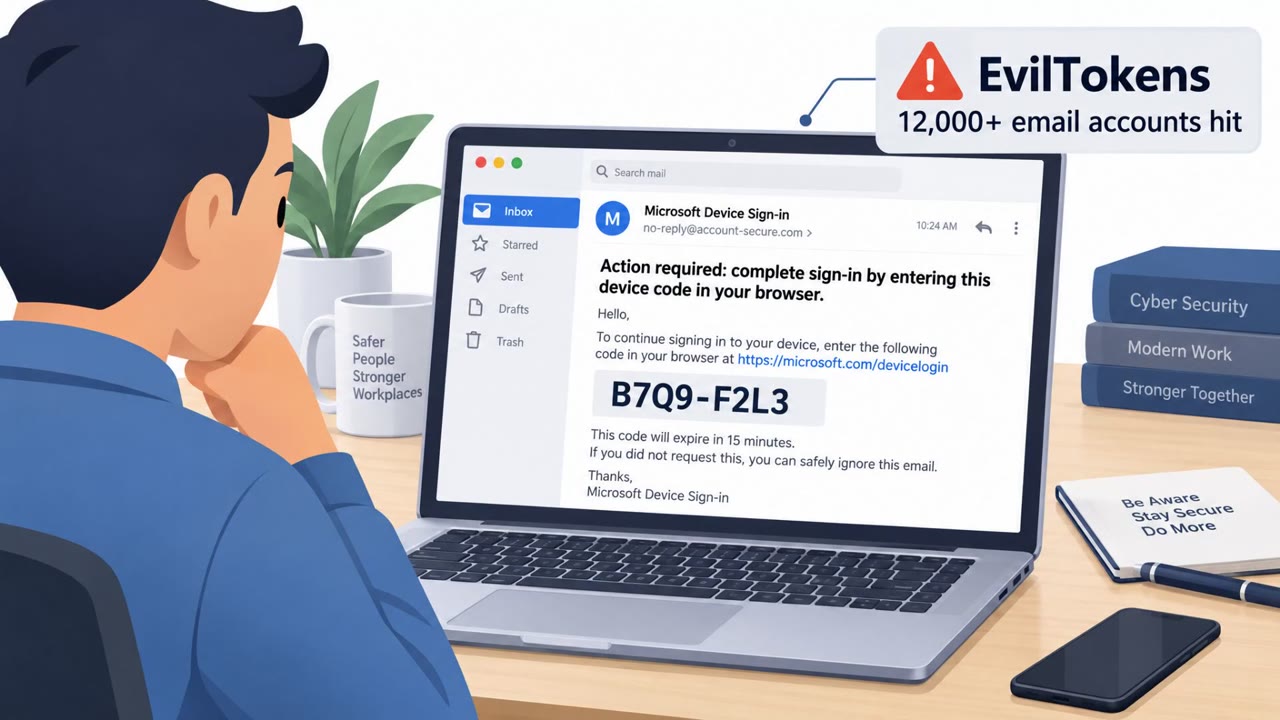
Microsoft and Health-ISAC disrupted a Chinese-language phishing marketplace ecosystem (YAM Store, CoGUI, and Iron Man) that enabled criminals to send over a billion malicious messages globally. The services sold phishing kits, compromised accounts, and infrastructure, and were frequently used to target healthcare organizations. The phishing kits supported country-specific impersonation lures and real-time credential harvesting, including prompts for one-time verification codes.
How the attack worked
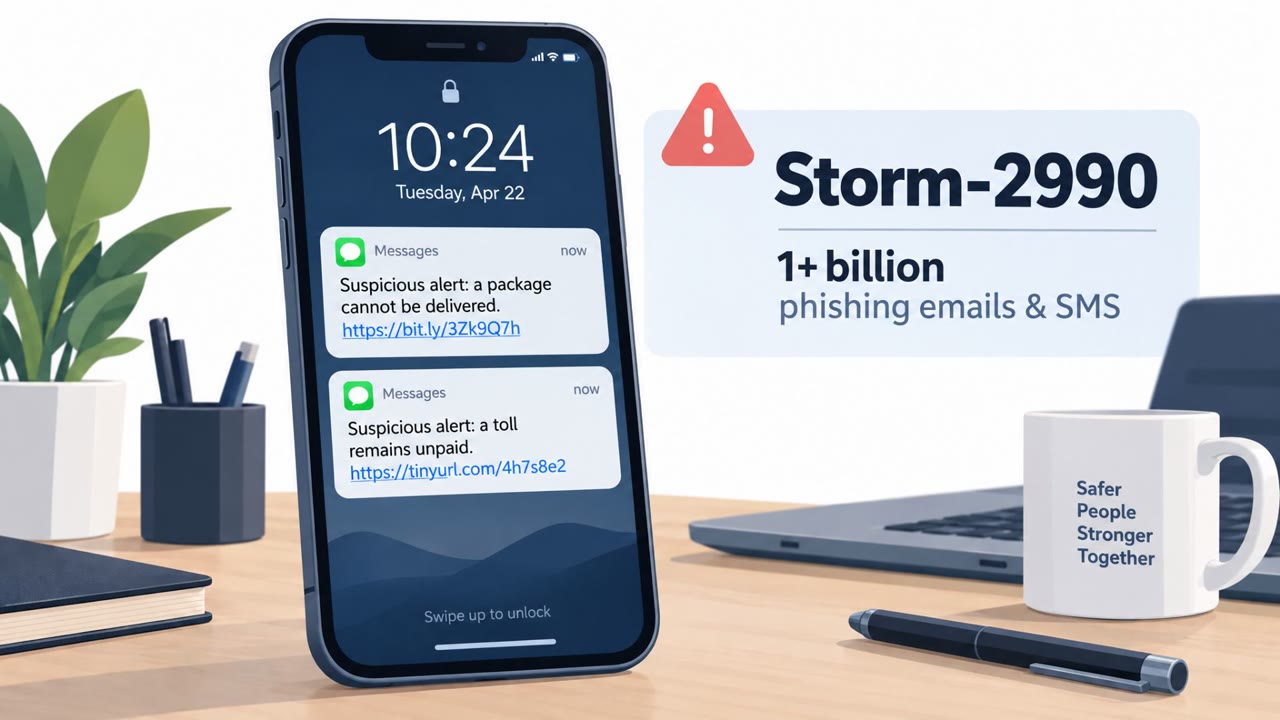
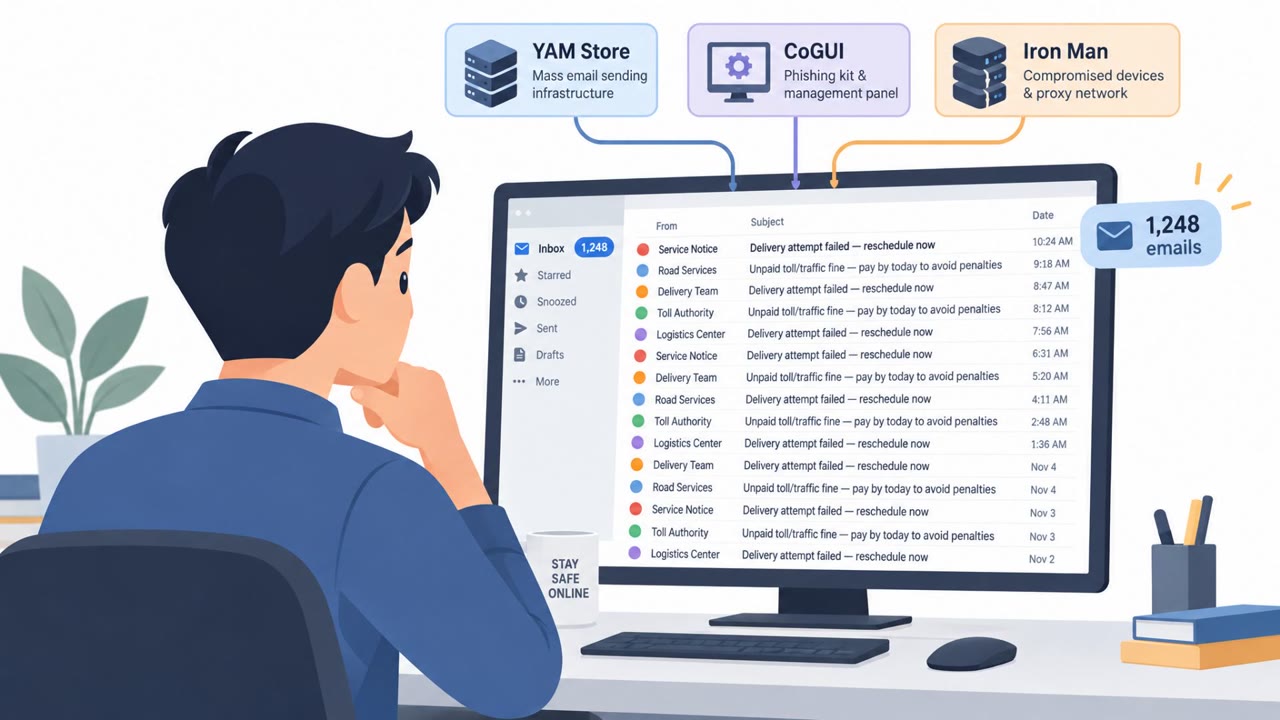
Microsoft and Health-ISAC disrupted a Chinese-language phishing marketplace ecosystem made up of three linked services: YAM Store, CoGUI, and Iron Man. Together these services were used to send more than one billion malicious messages since January 2026, targeting consumers and over 75,000 organizations across more than 150 countries. YAM Store, tracked as Storm-3119, operated as an access broker, hijacking Microsoft 365 and Azure tenants and reselling stolen accounts to other criminal groups, including operators behind kits tracked as Storm-2990. Iron Man supplied thousands of localized templates, with US-focused lures commonly impersonating transportation or government authorities referencing unpaid traffic or parking fees.
Why it succeeded
The phishing kits went beyond static, one-time emails. They functioned as live, interactive platforms for credential harvesting, letting operators monitor victims in real time as they entered information. This allowed attackers to prompt victims for one-time verification codes during the sign-in flow, effectively relaying stolen credentials and codes before a victim could realize the page was fraudulent. Because the underlying infrastructure supported thousands of country-specific templates, messages could be tailored to look locally relevant and legitimate, increasing the odds a recipient would click and comply.
What to watch for
- Unexpected messages demanding payment for traffic or parking fees, especially those impersonating a government or transportation authority
- Sign-in pages reached through an embedded link rather than a trusted, typed URL or bookmarked site
- Login experiences that seem to respond or adapt in real time as you type, rather than a static form
- Any request to enter a one-time verification code on a page you reached from a message link
- Messages aimed at healthcare staff, since attackers frequently targeted hospitals and healthcare organizations through this infrastructure
Building resistance
Organizations, particularly in healthcare, should treat unexpected fee or payment notices as high risk and train staff to verify independently through official channels rather than clicking embedded links. Staff should be reminded that one-time verification codes should never be entered on a page reached from a message link, instead relying on normal, trusted sign-in paths. Because these kits support thousands of localized templates across many countries, awareness training should emphasize that highly polished, locally tailored messages are not proof of legitimacy. Quick reporting of suspicious messages remains one of the most effective defenses against large-scale phishing infrastructure like this.
Techniques referenced in this campaign align with MITRE ATT&CK entries such as T1566.002 for spearphishing links and T1078 for valid accounts obtained through credential theft.
Key findings
- Microsoft and Health-ISAC seized and redirected domains used by YAM Store, CoGUI, and Iron Man, components of a Chinese-language cybercrime marketplace.
- Microsoft says the services were used to send more than one billion malicious messages since January 2026, targeting consumers and 75,000+ organizations in 150+ countries.
- Health-ISAC joined the lawsuit because threat actors frequently used this infrastructure to target hospitals and healthcare organizations.
- Microsoft disabled 20,000+ accounts tied to YAM Store and is blocking 100,000+ domains used for impersonation and fraud.
- YAM Store (tracked as Storm-3119) acted as an access broker, reselling stolen Microsoft 365/Azure tenants and enabling downstream phishing operations (including kits tracked as Storm-2990).
- Iron Man provided thousands of localized templates; in the US, common lures impersonated transportation and government entities and referenced traffic/parking fees.
- The kits supported interactive, real-time credential harvesting and could prompt victims for one-time verification codes.
Who’s being targeted
- Commonly targeted roles: All employees, Healthcare staff, Finance, IT / Helpdesk, Executives.
- Affected industries: Healthcare (hospitals and healthcare organizations), Education (education tenants mentioned as resale targets), Nonprofits (nonprofit environments mentioned as resale targets), Government (impersonated in lures), Transportation (impersonated in lures).
- Attack channels: email, website.
- Impersonated: Transportation or government authority handling traffic/parking fees, Microsoft (sign-in / Microsoft 365 account services).
Red flags to watch for
- Unexpected fee/payment demand pushing you to click and log in
- Impersonation of a government/transportation authority to create urgency
- Login flow asks for an additional one-time verification code in the same session
- Message pressures you to sign in via an embedded link instead of using a known, trusted URL
- Interactive sign-in experience that seems to “react” to what you type (real-time prompting)
- Unusual request to provide a one-time code to a page reached from a message
Frequently asked questions
What was the YAM Store phishing operation?
YAM Store was a Chinese-language cybercrime service tracked as Storm-3119 that acted as an access broker, reselling stolen Microsoft 365 and Azure tenants and enabling downstream phishing kits like Storm-2990.
Why did Health-ISAC join the lawsuit against this phishing infrastructure?
Health-ISAC joined because threat actors frequently used this infrastructure to target hospitals and healthcare organizations, making healthcare a recurring target of the campaigns.
How did these phishing kits harvest credentials?
The kits functioned as live, interactive platforms for credential harvesting, allowing operators to monitor victims in real time and prompt them for one-time verification codes.
What lures were commonly used against US targets?
Most US lures impersonated transportation and government entities, such as authorities handling traffic and parking fees, to create urgency and prompt clicks.
Read the video transcript
You get an email: “Unpaid parking fee – pay now to avoid penalties.” Looks local, looks official… and it’s part of a billion-message phishing bazaar. Behind that one email is a marketplace Microsoft just hit: YAM Store, CoGUI, Iron Man. They pumped out over one billion phishing messages, selling stolen Microsoft 365 accounts and fake login pages tailored to your country and city. Here’s the nasty part: you click, land on a perfect-looking Microsoft or government sign-in page, enter your password… and then it asks for your one-time verification code. Those kits run live, so someone is watching in real time and draining your account the moment you type it. Your move is simple: if a message sends you to a page that asks for a one-time code, stop. Close it, open our normal app or typed URL instead, sign in there, and report that message.