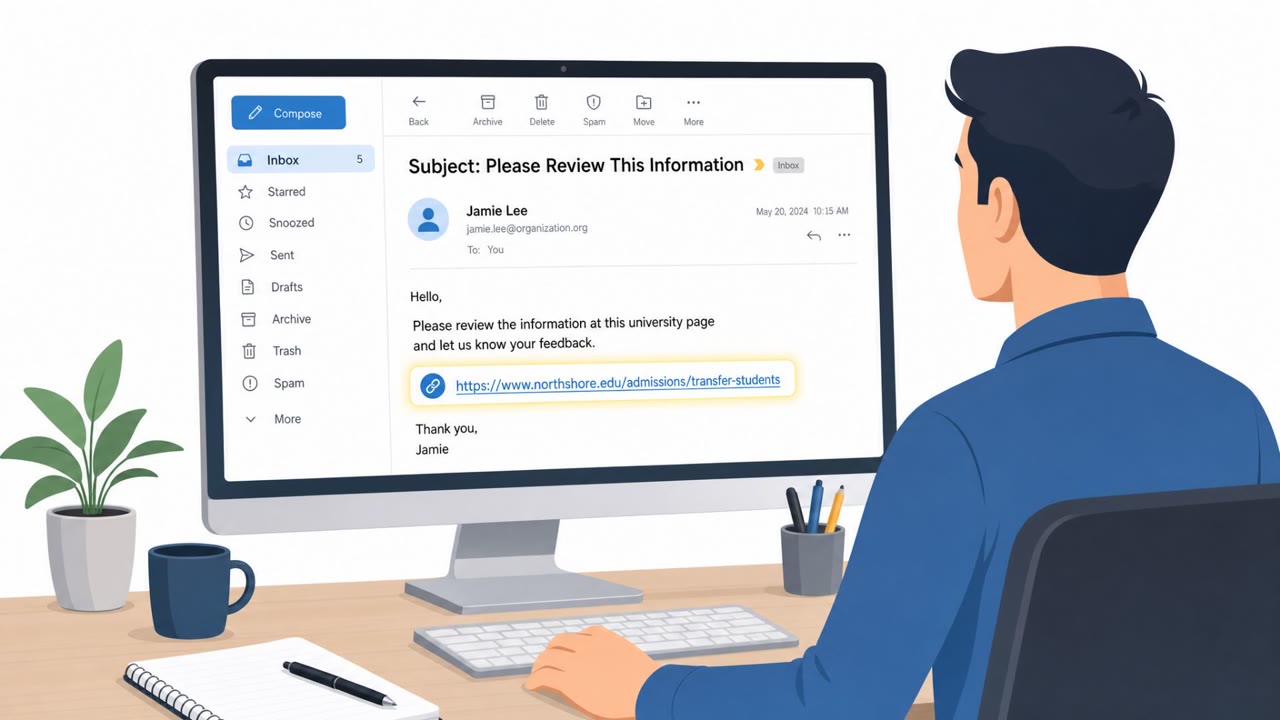
Google reports that the Russian espionage group Star Blizzard used stolen cloud accounts, MFA-prompt fatigue, and impersonation to steal large volumes of organizational data. After compromising one organization, the group used trusted employee identities and information from stolen files to lure people at other organizations into providing credentials and authentication tokens.
Key findings
- Star Blizzard used stolen super-admin credentials and repeated MFA prompts until a victim accepted a request.
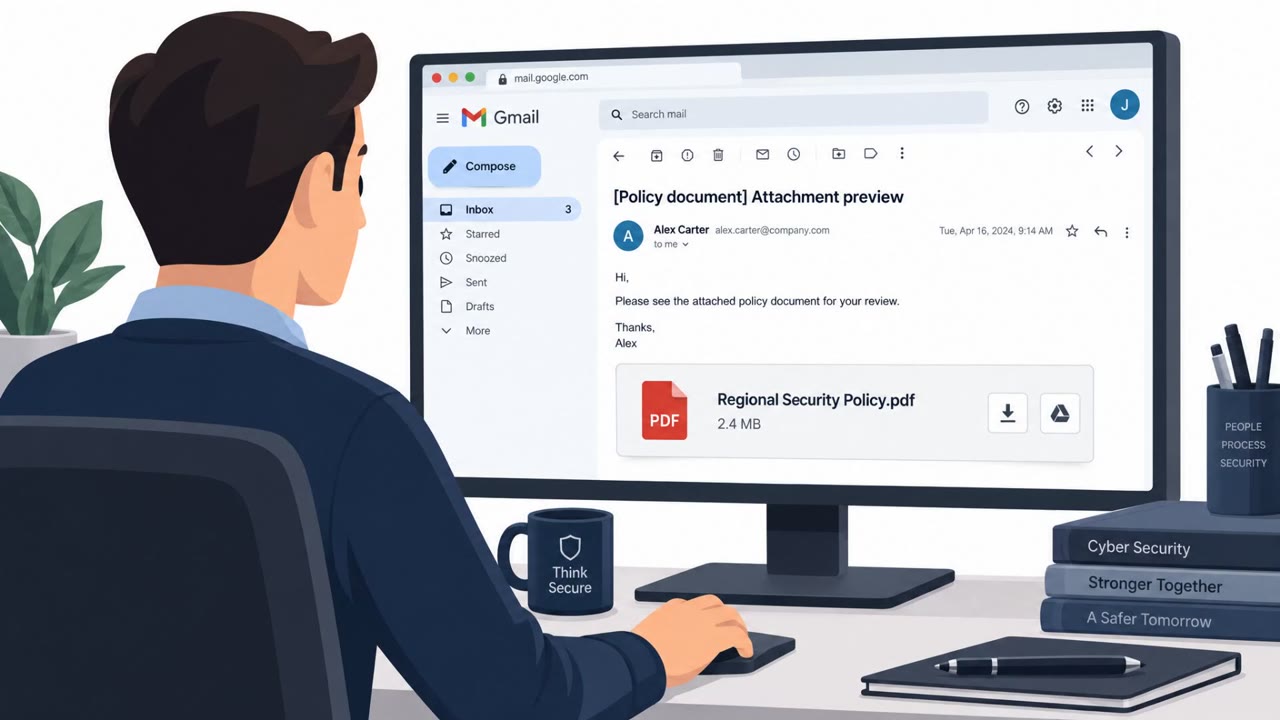
- The group used compromised cloud accounts to export employee lists, download cloud-drive files, and collect email archives and personnel information.
- After losing access to a victim environment, the group impersonated employees from that organization to target people in the same professional circles.
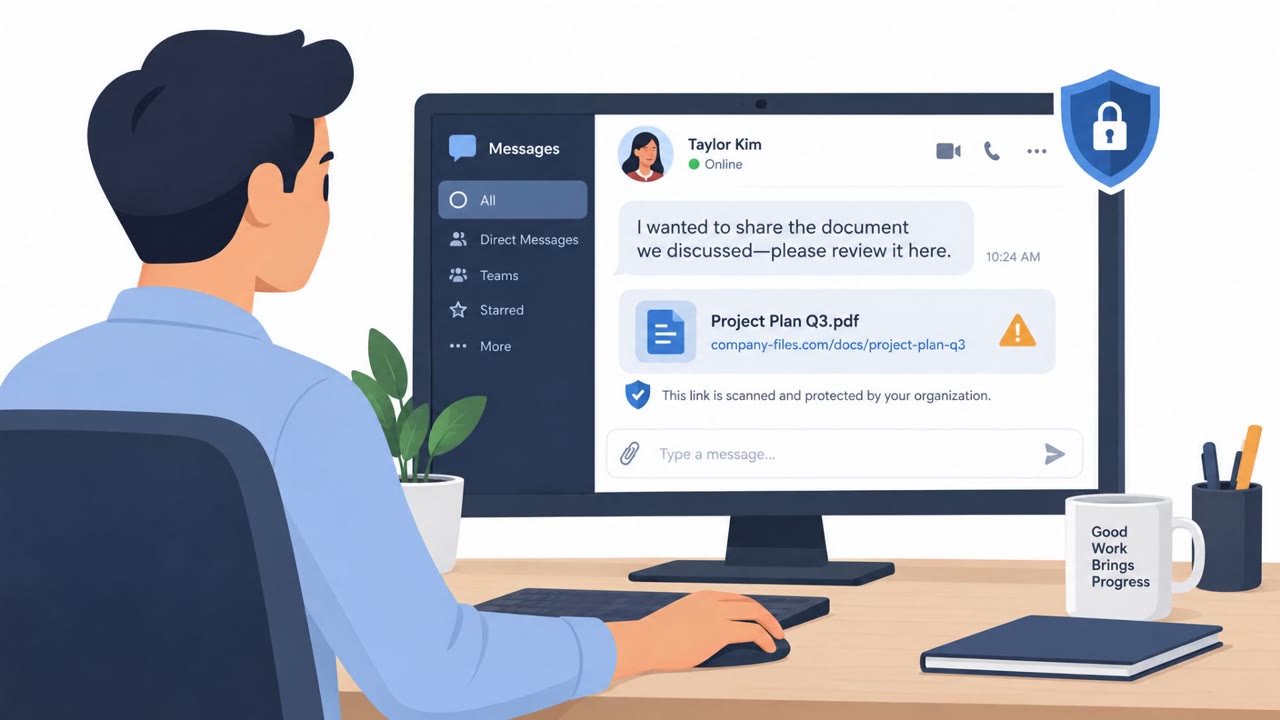
- In a second intrusion, the actor used a secure messaging app and phishing links to steal Entra ID credentials and authentication tokens.
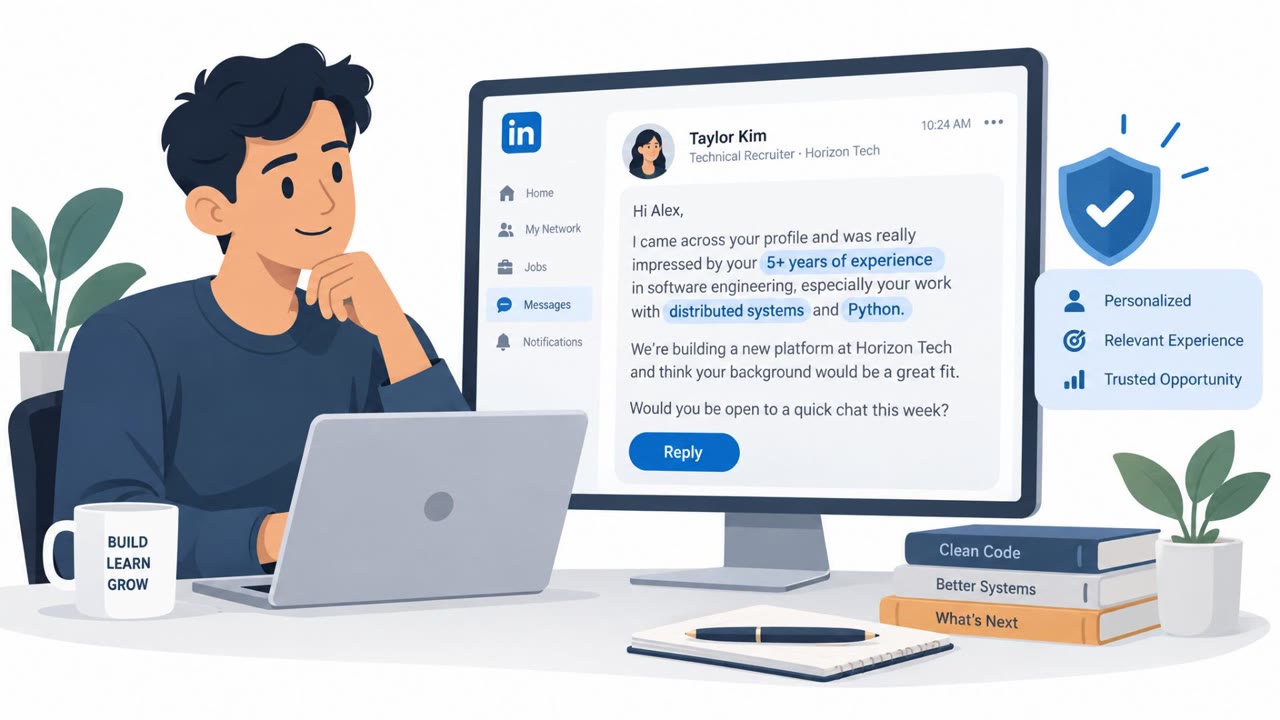
- The group searched stolen information such as contact lists, resumes, rosters, and event schedules to make future phishing approaches more believable.
Who’s being targeted
- Commonly targeted roles: Executives and administrators with privileged accounts, Employees who use MFA, Staff who work with external professional contacts, Cloud productivity-suite users, Identity and access management teams.
- Affected industries: Government and policy organizations, Defense-related organizations, Organizations using cloud productivity and identity services.
- Attack channels: website.
- Impersonated: An employee from a previously compromised organization.
Awareness takeaways
- Do not approve an MFA prompt that you did not initiate; report unexpected prompts immediately.
- Treat links sent by known professional contacts with caution, especially when they lead to a sign-in page. Verify the request through a separate, known contact method before logging in.
- Keep credentials, authentication secrets, and other sensitive information out of broadly accessible cloud-storage files.
- Be alert to convincing messages that refer to real events, contacts, or organizational details; attackers may have obtained this information in an earlier breach.
Red flags to watch for
- An unexpected link is sent through a messaging conversation.
- The sender’s identity is trusted, but the request asks for a new sign-in.
- The conversation creates urgency or familiarity without an independently verifiable reason for the link.
Read the video transcript
A colleague you know sends a link. Would you sign in? Star Blizzard stole a super-admin password, then kept sending MFA prompts until someone approved one. They downloaded files and contact lists, and later posed as employees from that organization. The message says, ‘Hi, this is Alex from your partner organization, I wanted to share this.’ The link opens an Entra ID sign-in. That’s the catch: a familiar name doesn’t make a new login safe. Before signing in, contact that colleague through a number or channel you already know.