ColdRiver Uses Stolen Data as Phishing Bait

About DFIR · High sophistication
Last updated November 19, 2026

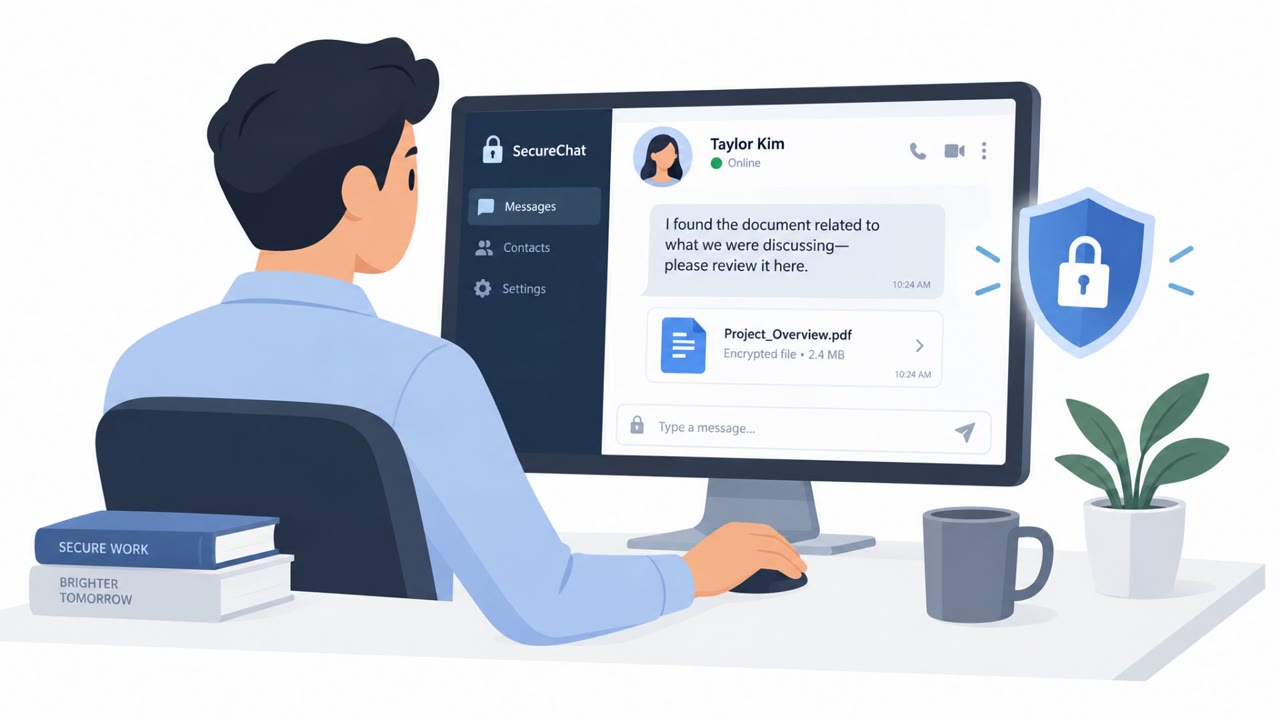
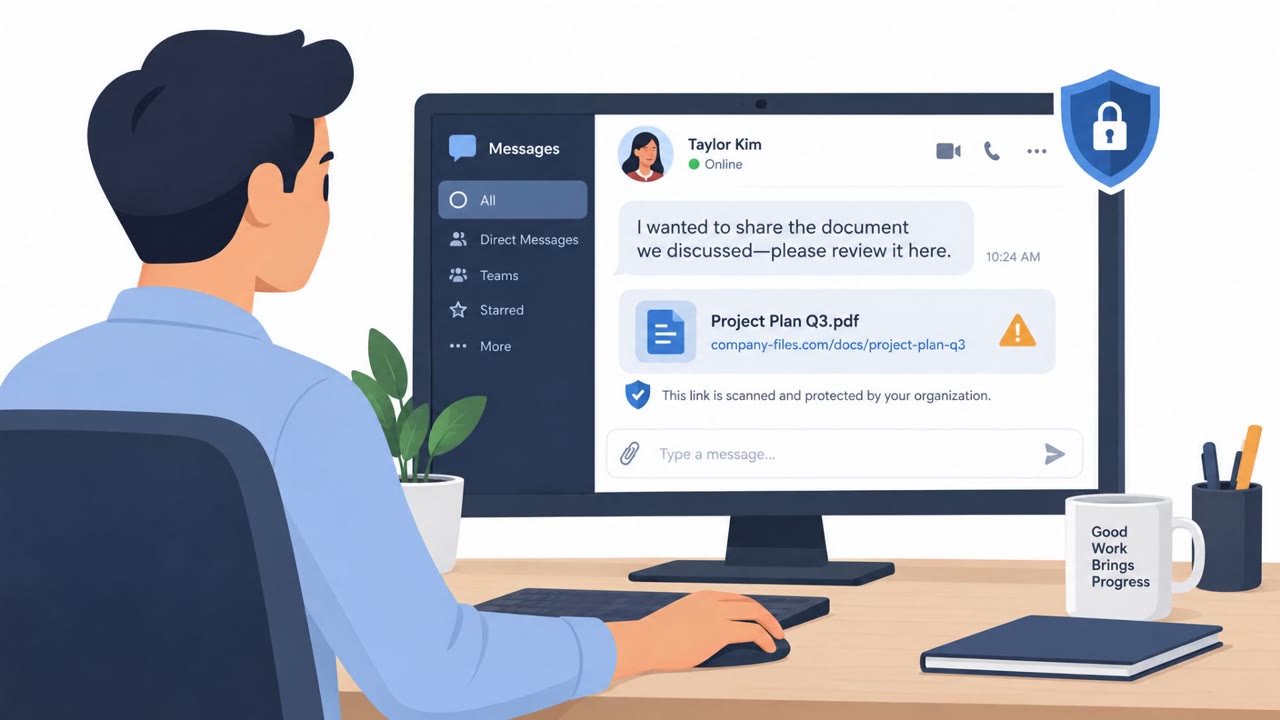
Google says the Russian-linked Cold Relic/ColdRiver group used files and employee information stolen from one organization to convincingly impersonate an employee at another. The attackers contacted a target through an encrypted messaging app and sent links to relevant-looking documents that stole Microsoft credentials and authentication tokens.

Key findings

  • Cold Relic/ColdRiver reportedly stole a full cloud drive and employee directories after taking over an administrator account at a U.S. organization.
  • The group used stolen internal material to impersonate an employee when approaching a contact at a second organization.
  • Conversation-relevant document links harvested Microsoft credentials and authentication tokens, enabling bulk theft of cloud files.
  • The group reportedly uses compromised websites to screen and redirect phishing targets and maintained access despite password and session resets.

Who’s being targeted

  • Commonly targeted roles: All employees, Executives, External-facing teams, Employees with cloud storage access, Identity and access management teams.
  • Affected industries: U.S. organizations, Organizations using cloud file storage and Microsoft identity services.
  • Attack channels: website.
  • Impersonated: An employee at a trusted or previously compromised organization.

Awareness takeaways

  • Treat document links received through messaging apps as untrusted, even when they match a current business conversation. Verify the sender and document using a known contact method before opening the link.
  • Do not enter Microsoft credentials or approve authentication prompts after following an unsolicited document link. Navigate to Microsoft or the document platform directly instead.
  • Account recovery should include reviewing third-party applications and cloud access, not only resetting passwords and sessions.
  • Limit access to cloud drives and employee directories, because stolen internal information can be reused to make later impersonation attempts more credible.

Red flags to watch for

  • An unexpected document link arrives through an informal messaging channel.
  • The link asks for Microsoft sign-in credentials or an authentication token before showing a document.
  • The sender's identity or account details do not match a known contact through a verified channel.
Try Mirage

Mirage safely runs attacks like this one against your own team, so you find out what happens before a real adversary does.

Get a demo
Read the video transcript

A document about your exact project arrives in a chat. Convincing, right? ColdRiver stole a company's cloud drive and employee directory. Then it posed as an employee to someone at another company: 'I found the document relevant to our conversation, please review it here.' Here's the catch: the link can pass through a compromised website, then demand a Microsoft sign-in or authentication approval. That 'document' can hand over your cloud files. Even if the topic fits, don't open that chat link. Call your contact using a number you already know.

Categories

Similar attacks

Cold Relic Uses Stolen Trust to Phish Contacts

Cold Relic Uses Stolen Trust to Phish Contacts

Russian-linked Cold Relic used data stolen from one organization to impersonate an employee and target a contact at another organization. The group built rapport over an encrypted messaging app, then sent a link to a relevant-looking document to steal Microsoft sign-in details and authentication…

November 18, 2026
COLD RELIC Turns Stolen Trust Into Phishing

COLD RELIC Turns Stolen Trust Into Phishing

Russian espionage group COLD RELIC used stolen employee identities, contact lists, and business context from one cloud breach to convincingly target people at other organizations. It impersonated known professional contacts over a secure messaging app, then sent phishing links that led to relevant…

November 17, 2026
Microsoft Takes Down 1B-Message Phishing Bazaar

Microsoft Takes Down 1B-Message Phishing Bazaar

Microsoft and Health-ISAC disrupted a Chinese-language phishing marketplace ecosystem (YAM Store, CoGUI, and Iron Man) that enabled criminals to send over a billion malicious messages globally. The services sold phishing kits, compromised accounts, and infrastructure, and were frequently used to…

October 14, 2026
Nikkei Email Account Hijacked to Send 9,000 Phish

Nikkei Email Account Hijacked to Send 9,000 Phish

Nikkei said an attacker took over an employee’s Microsoft 365 email account and used it to send about 9,000 phishing emails to people who had previously communicated with Nikkei staff, including journalistic sources. The messages contained links leading to malicious websites, creating a high-trust…

October 5, 2026
Fake SSO + MFA Push Used in Real Breaches

Fake SSO + MFA Push Used in Real Breaches

This weekly roundup includes two real social-engineering-driven incidents. Attackers used social engineering to access Apollo Global Management’s cloud platforms and steal sensitive personal data, and separately attempted a ShinyHunters phishing attack against ReliaQuest using a fake SSO login page…

August 28, 2026
Browser Trust Scams: Fake Updates, BitB, ClickFix

Browser Trust Scams: Fake Updates, BitB, ClickFix

Cofense reports multiple real-world campaigns where attackers don’t hack the browser, they trick employees by copying normal browser experiences like login pop-ups, software update prompts, and “verification” checks. The goal is to get users to enter credentials, approve attacker sessions, or run…

August 26, 2026