DHS Used False Child-Abuse Pretext at Airport

404 Media · Medium sophistication
Last updated October 20, 2026

Court records allege that CBP officers used a false claim about searching for child sexual abuse material to pressure activist Samuel Tunick during an airport device search. The records indicate the real stated purpose in an internal alert was an investigation into suspected terrorist activity, while officers sought access to his phone and passcodes.

Key findings

  • An HSI alert instructed CBP personnel to send Samuel Tunick to secondary inspection, retain his electronics, and collect passcodes.
  • The alert described Tunick as under investigation for "suspected terrorist activities."
  • Court filings allege that officers instead suggested they needed to search Tunick's phone for "kiddie porn," despite having no reason to believe he possessed such material.
  • Tunick provided a code that wiped his GrapheneOS phone and now faces a criminal charge related to the alleged deletion of its contents.

Who’s being targeted

  • Commonly targeted roles: Frequent business travelers, Executive assistants, Employees handling sensitive data, Privacy, legal, and security teams, Civil society and activist organization staff.
  • Affected industries: Civil society and activist organizations, Government border and law-enforcement operations.
  • Attack channels: physical.
  • Impersonated: Customs and Border Protection officers acting under a claimed investigative need..

Awareness takeaways

  • Treat unexpected requests to unlock a device or disclose a passcode as high-risk requests, especially when the requester uses fear, urgency, or severe allegations to pressure you.
  • Provide employees who travel with sensitive data with a clear, lawful travel and device-handling policy, including whom to contact when a device is requested or retained.
  • Do not assume that a stated reason for a sensitive access request is complete or accurate; document the request and use approved escalation channels when possible.

Red flags to watch for

  • A highly alarming accusation is used to create urgency and pressure.
  • The stated reason for access differs from the internal investigation purpose described in records.
  • The requester seeks both physical devices and passcodes.
Try Mirage

Mirage safely runs attacks like this one against your own team, so you find out what happens before a real adversary does.

Get a demo
Read the video transcript

At airport secondary inspection, an alarming accusation can become pressure to unlock your phone. Court filings say CBP officers asked activist Samuel Tunick that question. But an HSI alert described suspected terrorist activity and directed officers to retain his electronics and collect passcodes. That's the pretexting: the accusation didn't match the alert. Tunick gave a code that wiped his GrapheneOS phone; he now faces a charge over the alleged deletion. If officials request your work device or passcode, follow their lawful instructions, and contact your company's travel-security team as soon as permitted.

Categories

Similar attacks

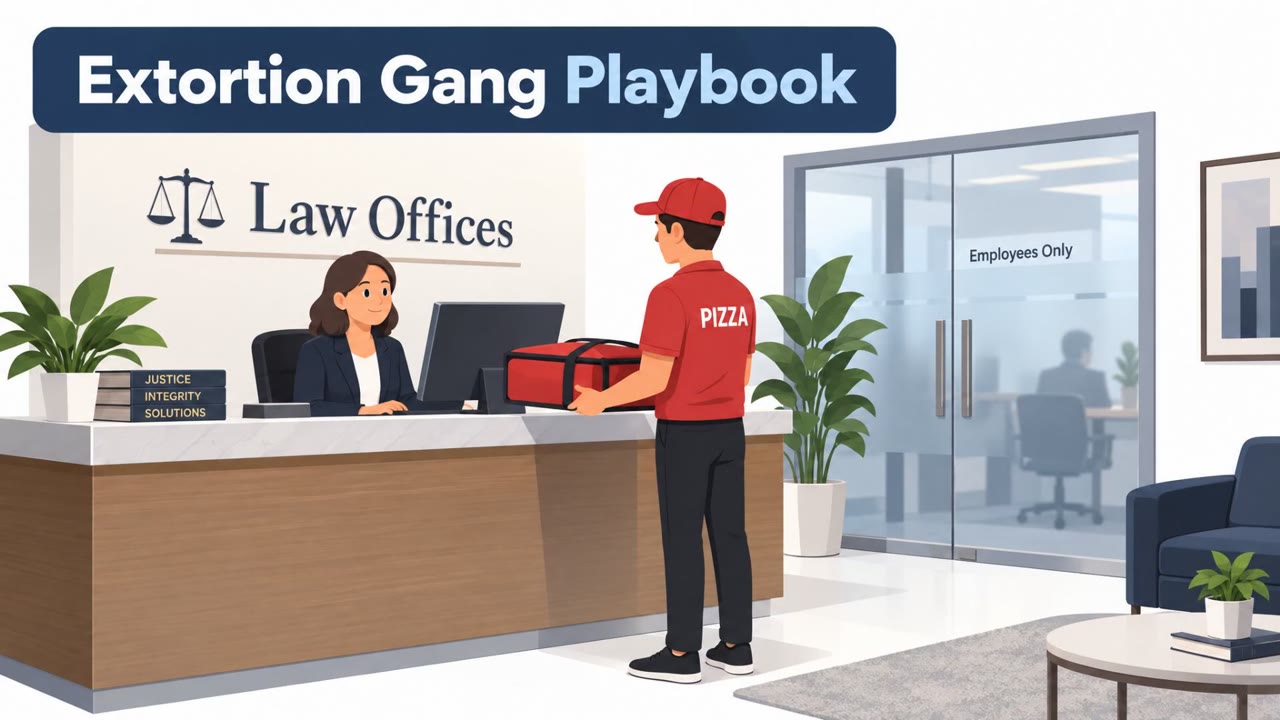
Extortion Gang Plots Office Infiltration of Law Firms

Extortion Gang Plots Office Infiltration of Law Firms

Leaked chat logs linked to the Silent Ransom Group describe efforts to pressure U.S. law firms through extortion and, unusually, by sending in-person “agents” to physically enter offices and copy data. The FBI previously warned that people tied to the group were posing as IT staff to gain access,…

October 8, 2026
Phishing Opened Door for Sandworm Wiper Attack

Phishing Opened Door for Sandworm Wiper Attack

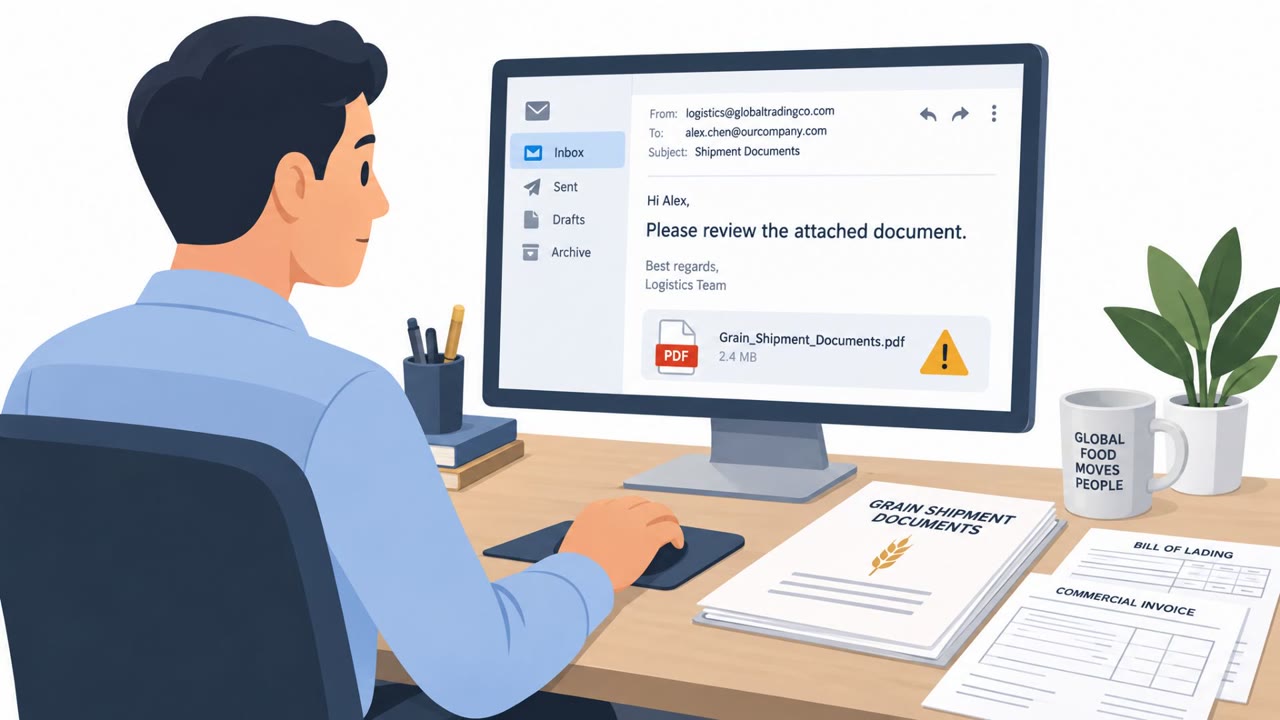
A Ukraine-based grain logistics company was breached through a spearphishing email carrying a malicious attachment. UAC-0099 used the access to install backdoors, then handed access to Sandworm, which later deployed a data-wiping attack. The initial email attachment is a realistic…

October 23, 2026
Interpol Busts Fake Investment Scam Call Centers

Interpol Busts Fake Investment Scam Call Centers

INTERPOL’s Operation Serengeti III arrested 1,462 suspects across 21 countries targeting fraud, phishing, business email compromise, ransomware, and digital extortion. In Uganda, investigators found scam call centres using prepared scripts and fake trading platforms to persuade people, including…

October 23, 2026
Fake Payment Offers and AI Bank Calls Hit Users

Fake Payment Offers and AI Bank Calls Hit Users

This weekly roundup describes several real social-engineering campaigns, including fake government-payment posts that compromised thousands of Bluesky accounts and mobile scams disguised as community activities. It also documents AI-generated bank-helpdesk calls that persuaded victims to install an…

October 22, 2026
OAuth Phishing Turns MFA Into a Bypass

OAuth Phishing Turns MFA Into a Bypass

Attackers are using real OAuth sign-in and consent flows to steal access tokens or trick users into authorizing malicious apps. Because the victim signs in through a legitimate identity provider and completes MFA, attackers can gain durable access that may survive password resets. The article…

October 22, 2026
Fake Browser Errors Push ClickFix Commands

Fake Browser Errors Push ClickFix Commands

This article describes ClickFix attacks in which fraudulent or compromised websites display fake technical warnings and persuade visitors to copy and run harmful commands. The scam may claim a browser update, failed security check, or urgent technical repair is needed, then directs the user to use…

October 22, 2026