DOMDIFFER Uses Fake Voicemail to Steal Logins

The Hacker News · High sophistication
Last updated November 26, 2026

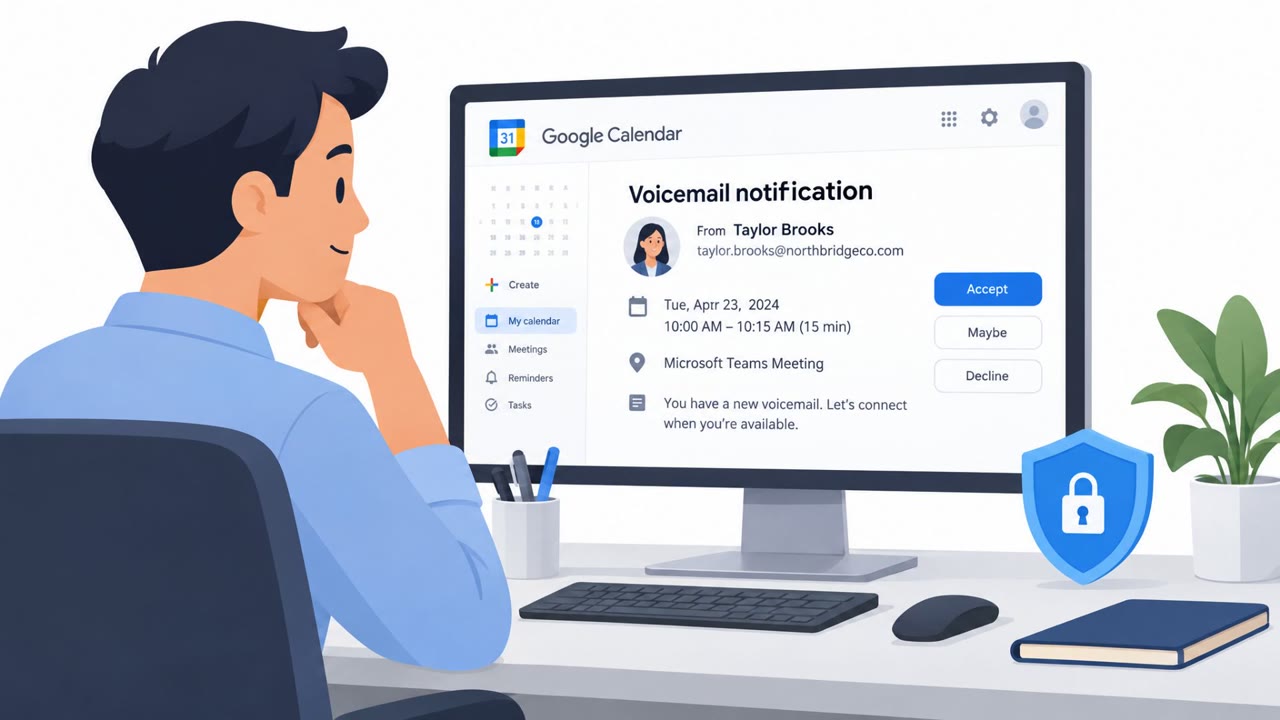
Researchers documented a real DOMDIFFER phishing operation that used a fake Google Voice voicemail notification to lure recipients to a convincing Google sign-in experience. The page mirrors a real Google sign-in page from an attacker-controlled browser, helping criminals capture corporate Google or Microsoft account access while evading many security checks.

Key findings

  • DOMDIFFER was observed targeting corporate Google and Microsoft accounts and ranked highest in breakthrough rate from August through October 2026.
  • Most DOMDIFFER detections during that period came from fake calendar-event lures; one documented attack used a fake Google Voice voicemail notification.
  • The kit uses DOM mirroring: it presents a working version of Google’s real sign-in page relayed from the attacker’s browser rather than a static imitation.
  • The lure link uses a bot check intended to prevent scanners from seeing the phishing content.
  • The article says attackers also use multiple delivery paths, including search ads, chat messages, social media, calendar invitations, and QR codes.

Who’s being targeted

  • Commonly targeted roles: All employees, Google Workspace users, Microsoft 365 users, Executives, Finance teams, IT and help desk staff, Users who regularly receive calendar invitations or voicemail notifications.
  • Affected industries: Cross-industry organizations using corporate Google or Microsoft accounts.
  • Attack channels: email, website.
  • Impersonated: Google Voice / Google, Google or Microsoft calendar service.

Awareness takeaways

  • Treat unexpected voicemail and calendar notifications as suspicious, especially when they ask you to sign in through a link. Open Google or Microsoft services through your usual bookmark, app, or trusted portal instead.
  • Do not assume a sign-in page is safe just because it looks exactly like Google’s page; verify the destination before entering credentials.
  • Report unexpected sign-in prompts and unusual bot checks rather than continuing through them, because attackers may use these steps to hide phishing pages from security scanners.
  • Use passkeys where the organization supports and enforces them, while remaining alert to other requests such as authorization approvals or remote-access software installation.

Red flags to watch for

  • An unexpected voicemail notification creates urgency to sign in.
  • The link leads to a sign-in request from an unverified destination.
  • A bot-check or unusual interstitial page appears before the supposed Google sign-in page.
  • The calendar invitation or event was not expected.
  • The sign-in link does not open through the normal calendar application or known company portal.
  • A genuine-looking sign-in screen can still be presented through a malicious link.
Try Mirage

Mirage safely runs attacks like this one against your own team, so you find out what happens before a real adversary does.

Get a demo
Read the video transcript

“You have a new Google Voice voicemail.” Unexpected? Pause. That link can lead to a bot check, then a Google sign-in page that looks completely real. DOMDIFFER mirrors Google’s actual page from another browser. Here’s the catch: the page can be real Google, but the route to it isn’t. DOMDIFFER also uses fake calendar events to target work Google and Microsoft accounts. Need that voicemail or event? Open your usual Google or Microsoft app yourself, not the notification link.

Similar attacks

Calendar Invites Steal Live Google Sessions

Calendar Invites Steal Live Google Sessions

A real phishing campaign used Google Calendar and Google Drive sharing invitations from compromised, trusted-looking accounts to steal corporate Google sessions. Victims were sent through legitimate Google redirect links to a live fake Google sign-in flow that captured passwords, multi-factor…

November 12, 2026

Fake AI Event Invites Target Work Accounts

Fake AI Event Invites Target Work Accounts

A real phishing campaign used fake OpenAI, SpaceX, and Anthropic event registration pages to entice marketing employees with free AI-service subscriptions. Victims were asked to sign in using workplace accounts, with the Microsoft option using a device-code phishing flow to capture access.

November 6, 2026
Fake GitHub Lure Tricks macOS Users Into Stealer

Fake GitHub Lure Tricks macOS Users Into Stealer

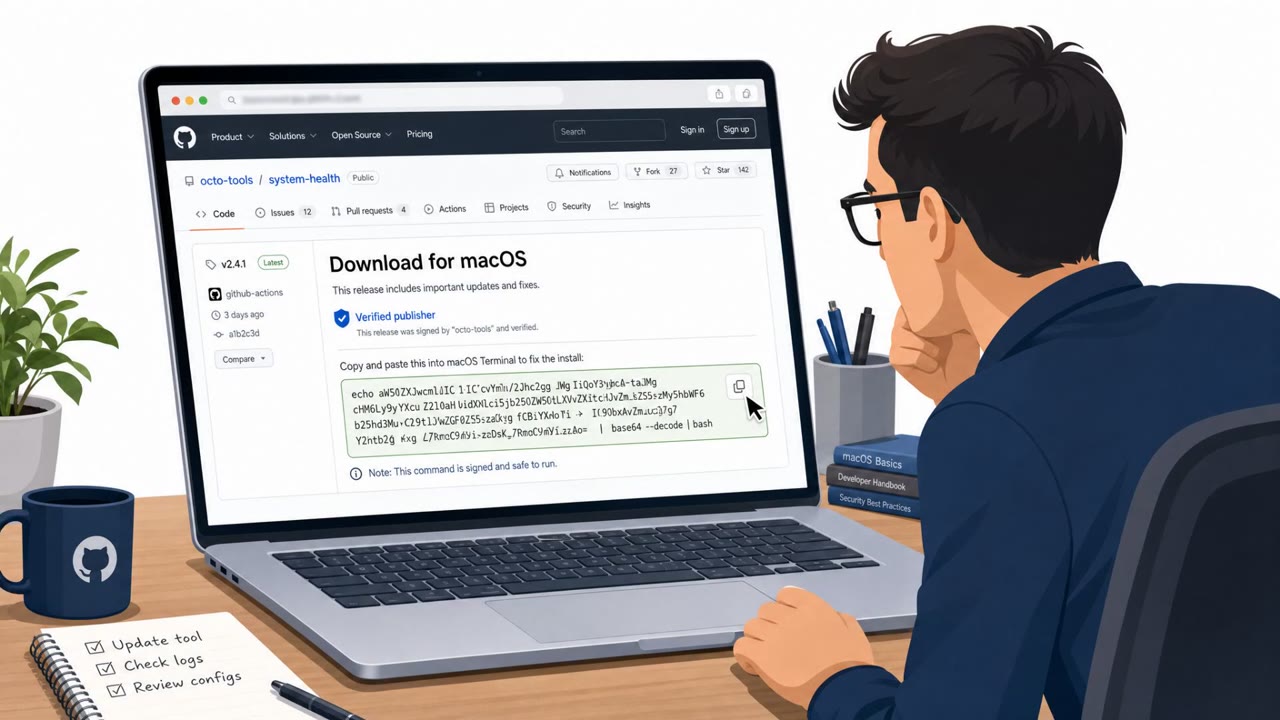
Researchers described AmnesiaStealer, a macOS info-stealer spread through a counterfeit “Download for macOS” page that tricks users into pasting a command into Terminal. The malware steals passwords and browser session data, and can even give an attacker live, hidden control of the victim’s browser…

August 17, 2026
Fake Job Tests Spread PolinRider Malware

Fake Job Tests Spread PolinRider Malware

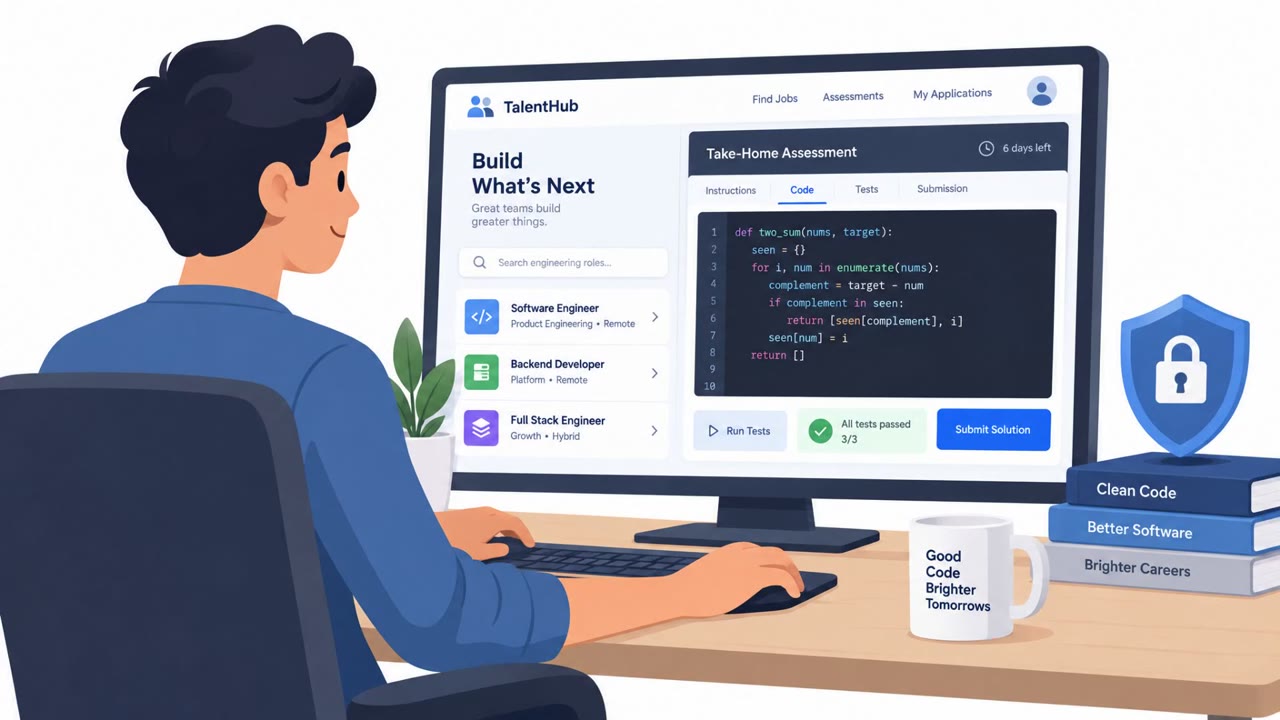
North Korea-linked PolinRider operators used fake recruitment sites and coding assessments to trick developers into running malware. The campaign also spread through compromised GitHub repositories, where hidden code could run when developers built a project or opened it in VS Code. The activity…

November 26, 2026
ColdRiver Uses Stolen Data as Phishing Bait

ColdRiver Uses Stolen Data as Phishing Bait

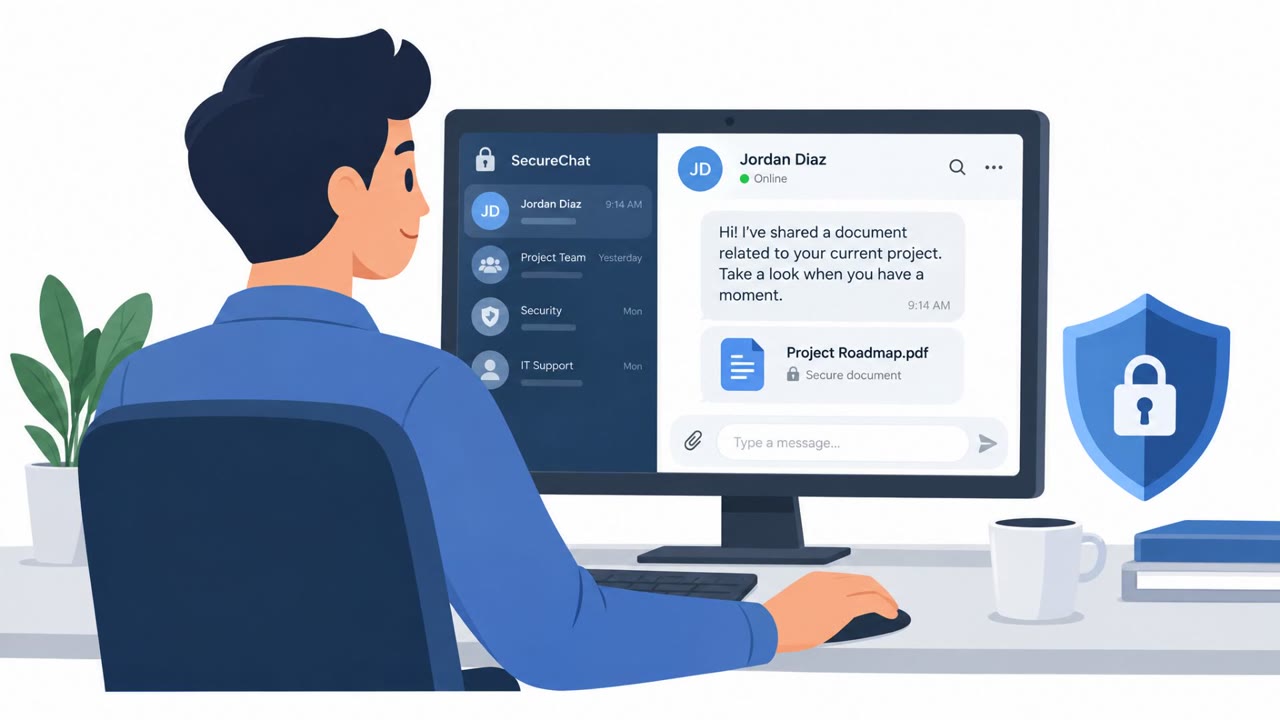
Google says the Russian-linked Cold Relic/ColdRiver group used files and employee information stolen from one organization to convincingly impersonate an employee at another. The attackers contacted a target through an encrypted messaging app and sent links to relevant-looking documents that stole…

November 19, 2026
GTA 6 Hype Fuels Account and Crypto Scams

GTA 6 Hype Fuels Account and Crypto Scams

Scammers are exploiting excitement around GTA 6 with fake free-game offers, code generators, cheap keys, maps, mobile apps, and crypto offers. The scams use fake Google sign-in pages, sponsored-offer funnels, payment traps, and wallet-connection requests to steal accounts, money, or cryptocurrency.…

November 18, 2026