Exploited Outlook Flaw Steals Login Hashes

Security Affairs · Medium sophistication
Last updated November 11, 2026

Microsoft patched an actively exploited Outlook flaw that lets an attacker send a crafted message file and persuade a user to open it. When opened, Outlook can connect to an attacker-controlled location without its normal warning and expose the user’s NTLMv2 authentication hash, which could enable impersonation.

Key findings

  • Microsoft identifies CVE-2026-124194, an Outlook spoofing flaw, as actively exploited.
  • The attack requires an attacker to send a crafted message or Office file and convince the recipient to open it.
  • Opening the file can make Outlook contact an attacker-controlled network location without the usual external-content warning.
  • The connection may disclose an NTLMv2 hash that could be used to impersonate the affected user.
  • The Outlook Preview Pane is not an attack path; user interaction is required.

Who’s being targeted

  • Commonly targeted roles: All Microsoft Outlook users, Executive assistants, Finance teams, Human resources, IT support, Employees who regularly receive external attachments.
  • Attack channels: email.
  • Impersonated: Not specified in the article.

Awareness takeaways

  • Treat unexpected Outlook message files and Office attachments as suspicious, even if the message appears routine; verify the sender and business purpose through a known contact method before opening them.
  • Do not assume that the absence of an Outlook external-content warning means an attachment is safe.
  • Prioritize installing Microsoft’s Outlook security updates, because this flaw is reported as under active attack.

Red flags to watch for

  • An unexpected or unsolicited message file or Office attachment.
  • Pressure or persuasion to open a file without an independently verified business reason.
  • A file that prompts Outlook to reach an external network location unexpectedly.
Try Mirage

Mirage safely runs attacks like this one against your own team, so you find out what happens before a real adversary does.

Get a demo
Read the video transcript

“Please open the attached message file.” That routine request can be the trap. With Outlook flaw CVE-2026-124194, opening a crafted message or Office file can quietly connect Outlook to someone else’s network location. Aha: no warning doesn’t mean no leak. That connection may expose your NTLMv2 login hash. Previewing isn’t the trigger; opening the file is. Unexpected Outlook attachment? Before opening it, confirm the business reason with the sender using a contact method you already know.

MITRE ATT&CK techniques

T1566.001 - Phishing: Spearphishing Attachment · PhishingT1204.002 - User Execution: Malicious File · User Execution

Similar attacks

Fake Certificate Fix Delivers China-Linked Backdoor

Fake Certificate Fix Delivers China-Linked Backdoor

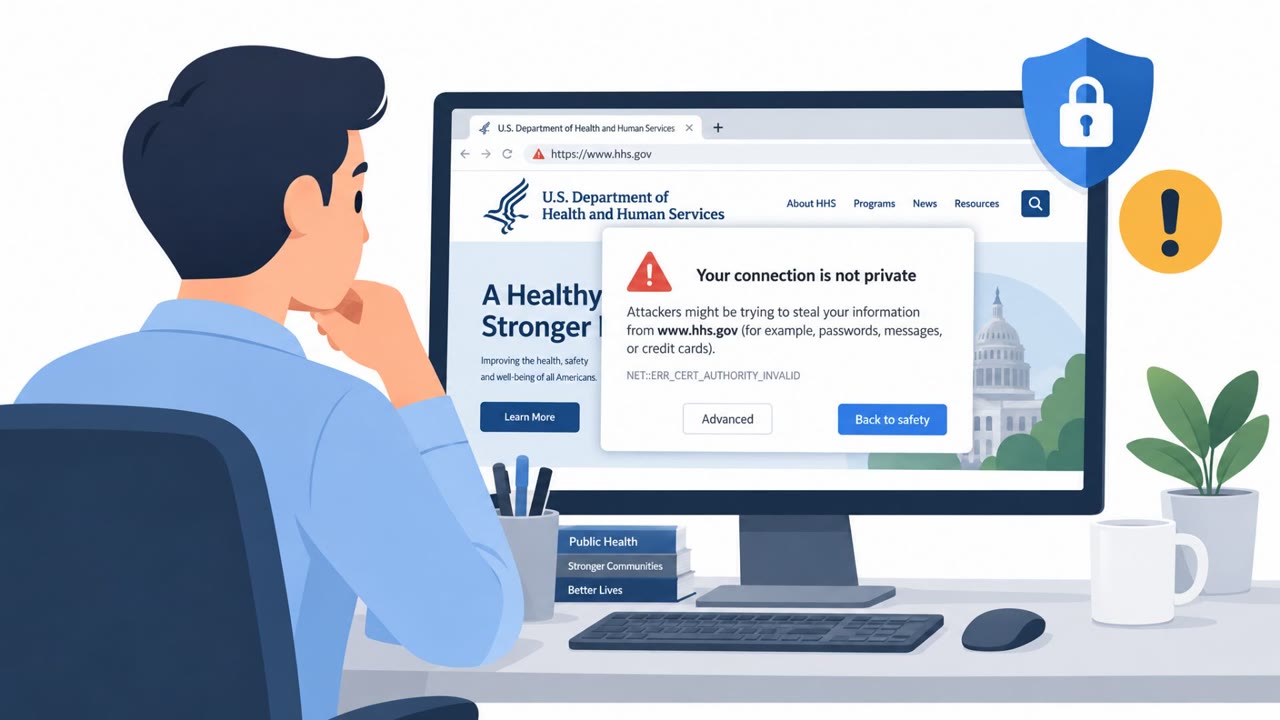
China-linked espionage campaigns used compromised websites to show selected visitors a fake Chrome certificate warning and persuade them to install a “Certificate Fix” utility. The same malware was also delivered to Indonesian organizations in phishing emails using a shortcut file disguised as a…

November 10, 2026
Salary Reviews and POs Fuel Phishing

Salary Reviews and POs Fuel Phishing

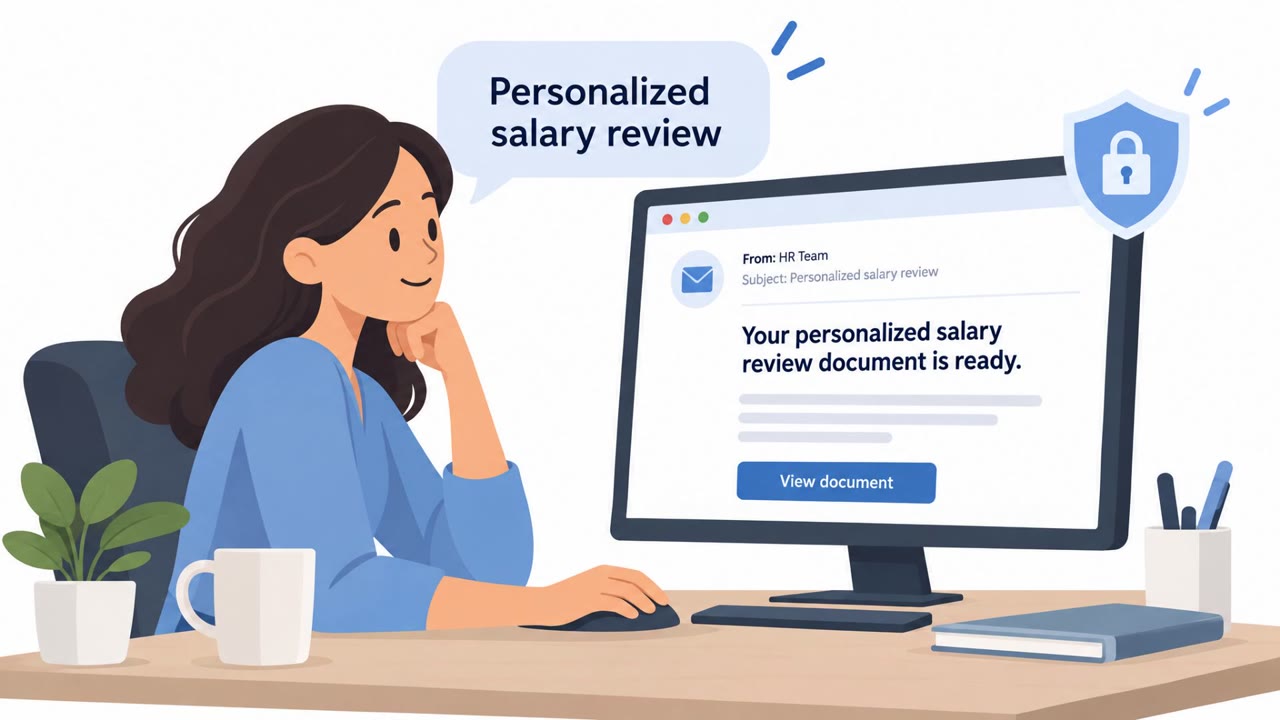
Microsoft observed real Q3 2026 phishing campaigns that used familiar workplace requests to steal credentials or deliver malware. One campaign targeted legal organizations with personalized salary-review documents containing QR codes, while another used purchase-order and payroll lures in disguised…

November 5, 2026
Five Active Phishing Lures Hit US Firms

Five Active Phishing Lures Hit US Firms

The article describes active campaigns that use familiar business documents, trusted file-sharing services, AI brands, and Microsoft sign-in flows to trick employees into granting account access. The most actionable patterns are phishing emails and document links that lead victims to Microsoft…

November 5, 2026
Fake Interview Opened Door to Binance Heist

Fake Interview Opened Door to Binance Heist

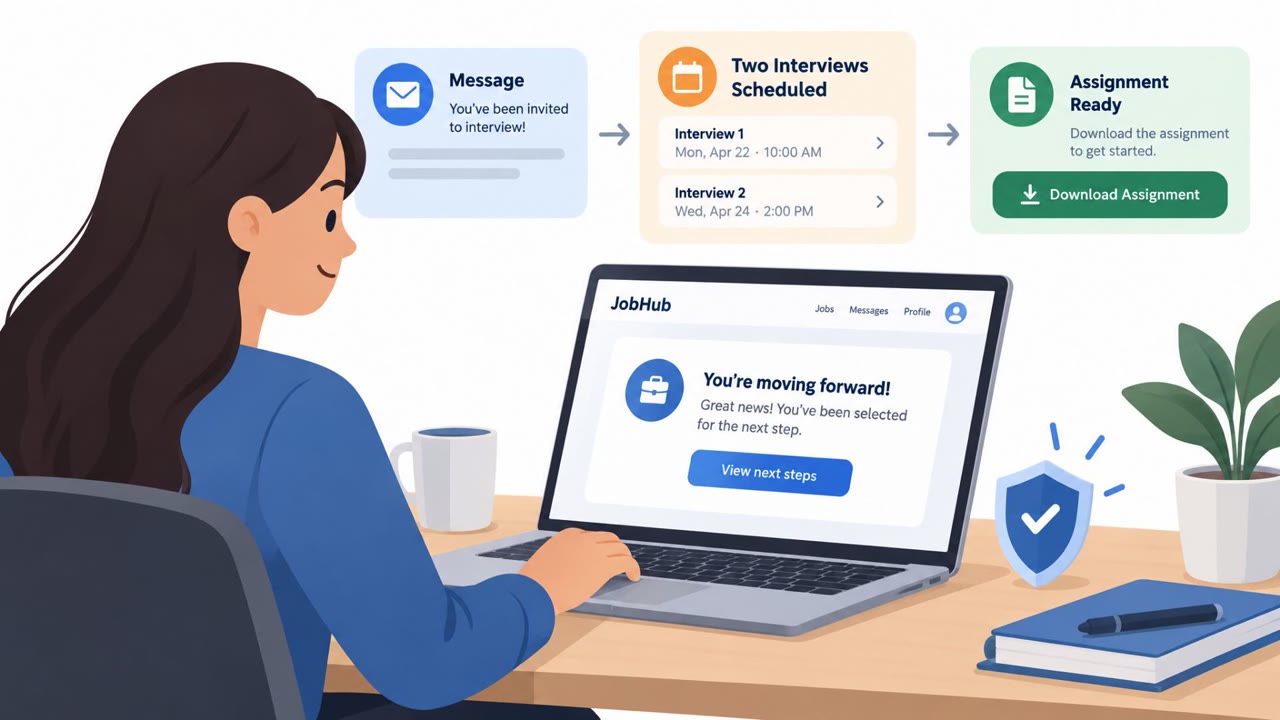
North Korean-linked attackers reportedly used a fake job opportunity, multiple interviews, and a malicious coding assignment to compromise a Binance engineer. The scheme built trust over weeks before asking the employee to download an interview file, giving attackers a foothold in the company’s…

November 3, 2026
Fake FedEx Tax Invoice Delivers Sirius Backdoor

Fake FedEx Tax Invoice Delivers Sirius Backdoor

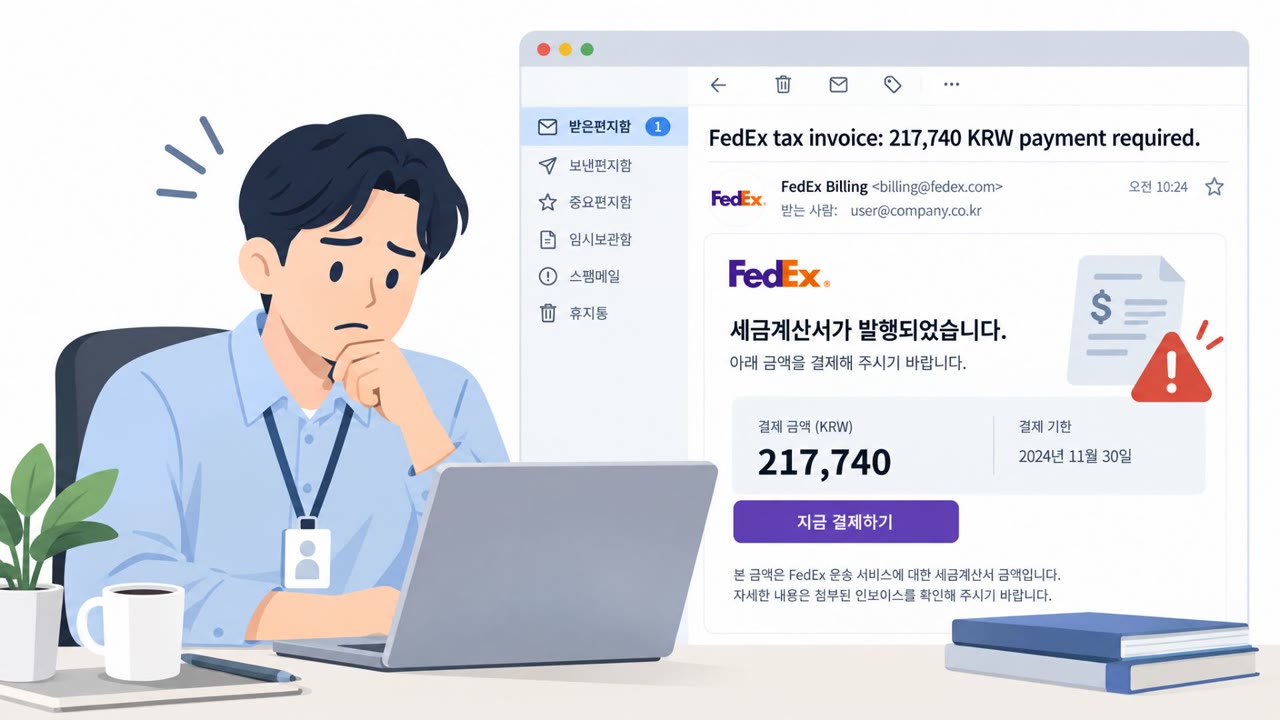
A Sirius backdoor campaign used Korean-language emails that impersonated FedEx billing notices and demanded payment of a fraudulent tax invoice. The email directed recipients to a ZIP file containing a weaponized PDF, which required the recipient to approve a PDF-reader security prompt before it…

October 27, 2026
Fake Calendar Invites Steal Microsoft Logins

Fake Calendar Invites Steal Microsoft Logins

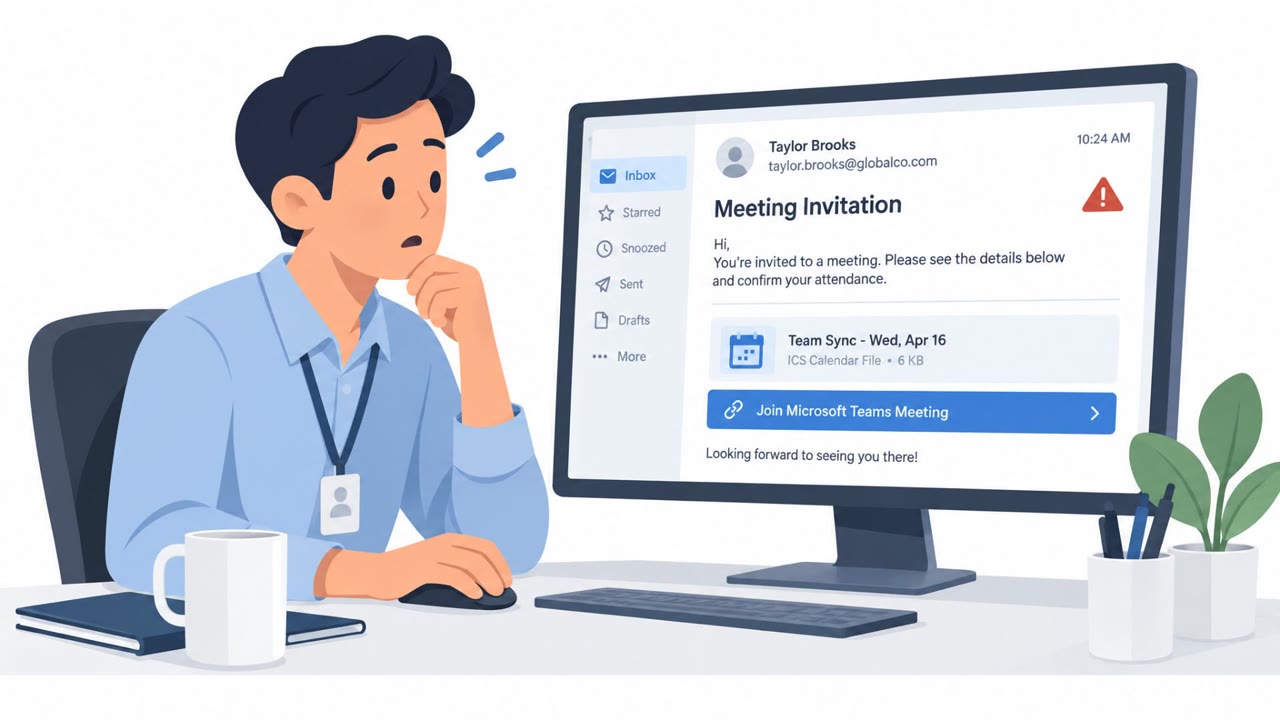
Check Point researchers identified a large credential-phishing campaign that used counterfeit calendar invitations to send people to fake Microsoft sign-in pages. The campaign used calendar attachments and deceptive meeting links, and targeted more than 40,000 organizations with over 302,000…

October 19, 2026