Microsoft observed real Q3 2026 phishing campaigns that used familiar workplace requests to steal credentials or deliver malware. One campaign targeted legal organizations with personalized salary-review documents containing QR codes, while another used purchase-order and payroll lures in disguised archives to deliver Agent Tesla. The report also shows that spoofed business-service messages can get through when broad security exceptions override protections.
How the attack worked
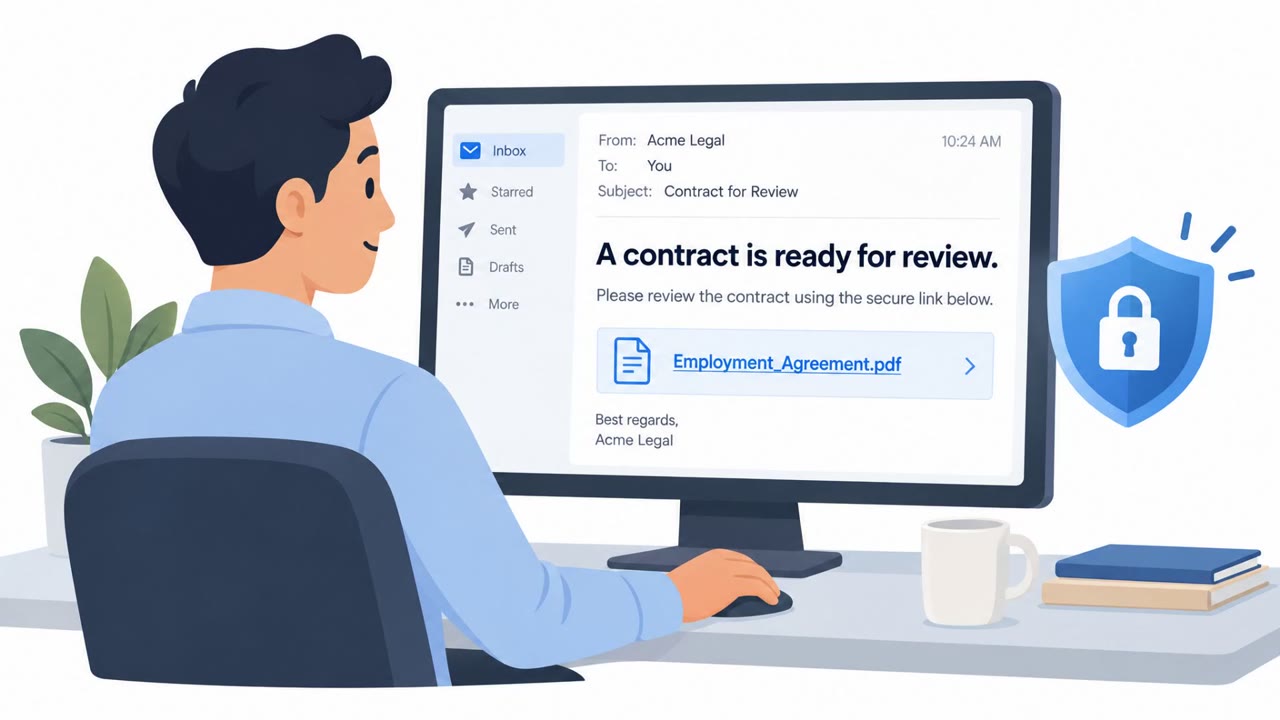
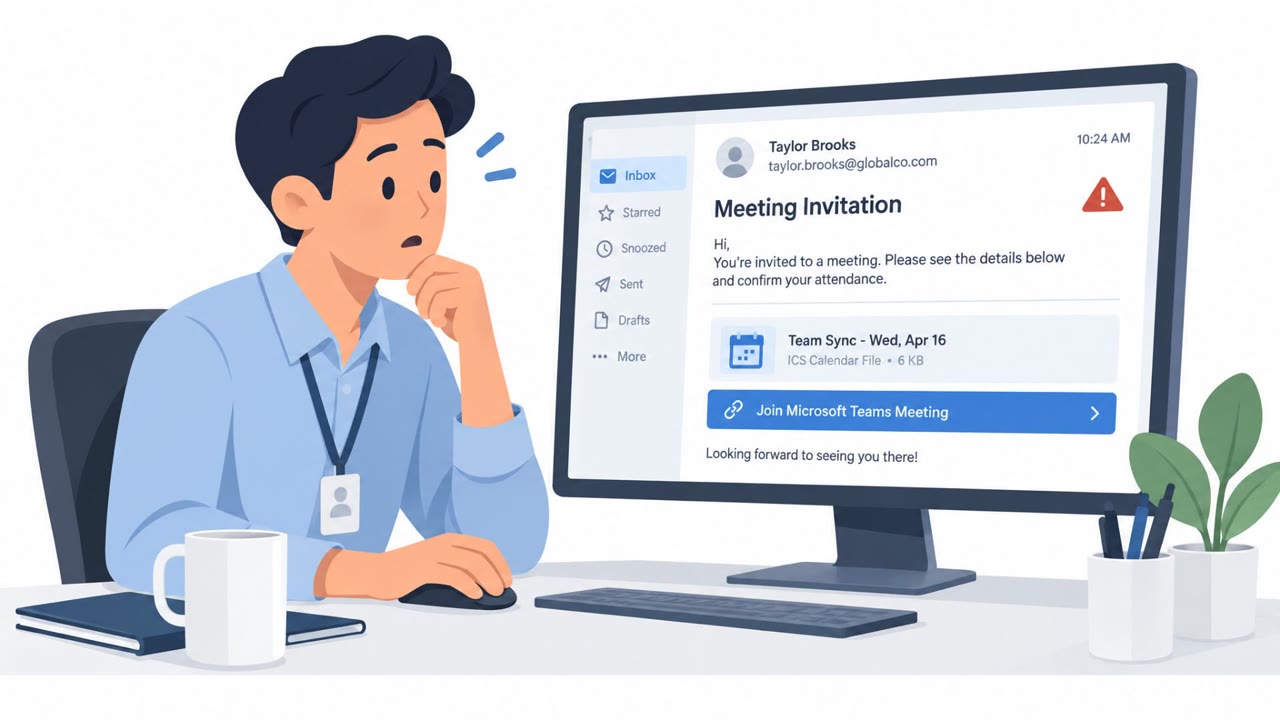
Microsoft's Q3 2026 email threat data describes two real campaigns that used familiar workplace requests as lures. In August, a campaign targeting legal organizations sent personalized salary-review documents containing QR codes. Scanning the code moved recipients into a device-code phishing workflow, shifting the interaction from a managed work device to a personal phone. In September, a separate campaign used purchase-order and payroll lures with disguised archive attachments to deliver Agent Tesla, a credential-stealing malware family, to procurement, accounts payable, and payroll staff.
Why it succeeded
Both campaigns relied on routine business processes rather than unusual requests. A salary review and a purchase order are the kind of documents employees expect to receive, which reduced suspicion. The report also notes that spoofed messages from business-service sender domains, roughly 129 million in Q3, were often delivered despite failing authentication checks because organization or user-level security exceptions overrode existing protections. Familiar branding alone did not indicate a legitimate, authenticated sender.
What to watch for
- Unexpected salary-review, purchase-order, or payroll documents, especially ones requesting action outside normal processes
- QR codes embedded in business documents that redirect from a work email to a personal phone
- Archive file attachments on routine procurement or payroll messages
- Sign-in prompts or device-code authorization steps that were not initiated by the recipient
- Messages from business-service brands that have not been separately verified through sender authentication
Building resistance
Microsoft's data shows credential theft, not malware installation, was the main objective of most payload-based attacks in Q3: approximately 94-96% directed recipients to a phishing site or a fraudulent sign-in page. This means an attachment does not need to execute code to put an account at risk. Organizations in legal services, finance, and payroll functions can reduce exposure by:
- Verifying unexpected document-review, purchase-order, or payroll requests through a known contact before opening attachments
- Treating QR codes in business documents as a potential phishing route rather than a convenience feature
- Reviewing and limiting broad security exceptions for business-service senders, since these can override authentication failures
- Training staff that familiar branding is not a substitute for a verified, authenticated sender
These two campaigns, built around a salary review and a purchase order, show that attackers continue to find success by mimicking ordinary business communication rather than relying on urgency or unusual requests. Recognizing these patterns is central to reducing the success rate of similar lures (T1566.001, T1566.002).
Key findings
- Microsoft detected approximately 7.3 billion email-based phishing threats between July and September 2026, including nearly 3 billion in September.
- An August campaign targeting legal organizations used personalized salary-review documents and QR codes to direct recipients into device-code phishing.
- A September campaign used purchase-order and payroll lures with disguised archives to deliver Agent Tesla, a credential-stealing malware family.
- Microsoft detected approximately 129 million malicious messages spoofing business-service sender domains in Q3; many were delivered because organization or user security exceptions overrode protections.
- Credential theft was the main objective of malicious attachments: approximately 94-96% of payload-based attacks sent recipients to phishing sites or displayed fraudulent sign-in pages.
- CAPTCHA-gated phishing rebounded in September, with SVG attachments serving as a major delivery format.
Who’s being targeted
- Commonly targeted roles: Legal professionals, Human resources, Payroll, Procurement, Accounts payable, Finance, All employees who receive document-sharing or business-service emails, Email security administrators.
- Affected industries: Legal services, Finance and payroll functions, Organizations using business document and survey services.
- Attack channels: email.
- Impersonated: Not specified in article; the message is presented as a salary-review communication., Not specified in article; the message is presented as a purchase-order or payroll communication..
Red flags to watch for
- An unexpected salary-review document or review process.
- A QR code asks the recipient to move from a work email to a phone.
- The QR code leads to a sign-in or device-code authorization step that was not initiated by the employee.
- An archive file is attached to a routine business request.
- The recipient was not expecting a purchase order or payroll document.
- The sender or attachment does not match established vendor and payroll processes.
Frequently asked questions
What was the salary-review phishing campaign targeting legal organizations?
In August, attackers sent personalized salary-review documents containing QR codes to employees at legal organizations, leading recipients into a device-code phishing workflow when scanned.
How did the purchase-order and payroll phishing campaign work?
In September, attackers used purchase-order and payroll lures with disguised archive attachments to deliver Agent Tesla, a credential-stealing malware family, to procurement, payroll, and finance staff.
Why did spoofed business-service emails get through security filters?
Microsoft found that many of the roughly 129 million malicious messages spoofing business-service sender domains in Q3 failed authentication checks but were still delivered because of tenant- or user-level security exceptions.
Do phishing attachments always need to install malware to be dangerous?
No. Microsoft found that approximately 94-96% of payload-based attacks in Q3 directed recipients to a phishing site or a fraudulent sign-in page rather than installing software, so credential theft remained the primary goal.
Read the video transcript
“Your personalized salary review document is ready.” Tempting, right? In a campaign targeting legal organizations, that document contained a QR code. Scan it, and your phone opens a device-code sign-in you never started. That's the trick: a work email moves the sign-in to your personal phone. Another lure says, “Please review the attached purchase order”, but its archive can deliver Agent Tesla malware. Unexpected salary review or purchase order? Before scanning or opening anything, confirm it with your known HR or vendor contact.