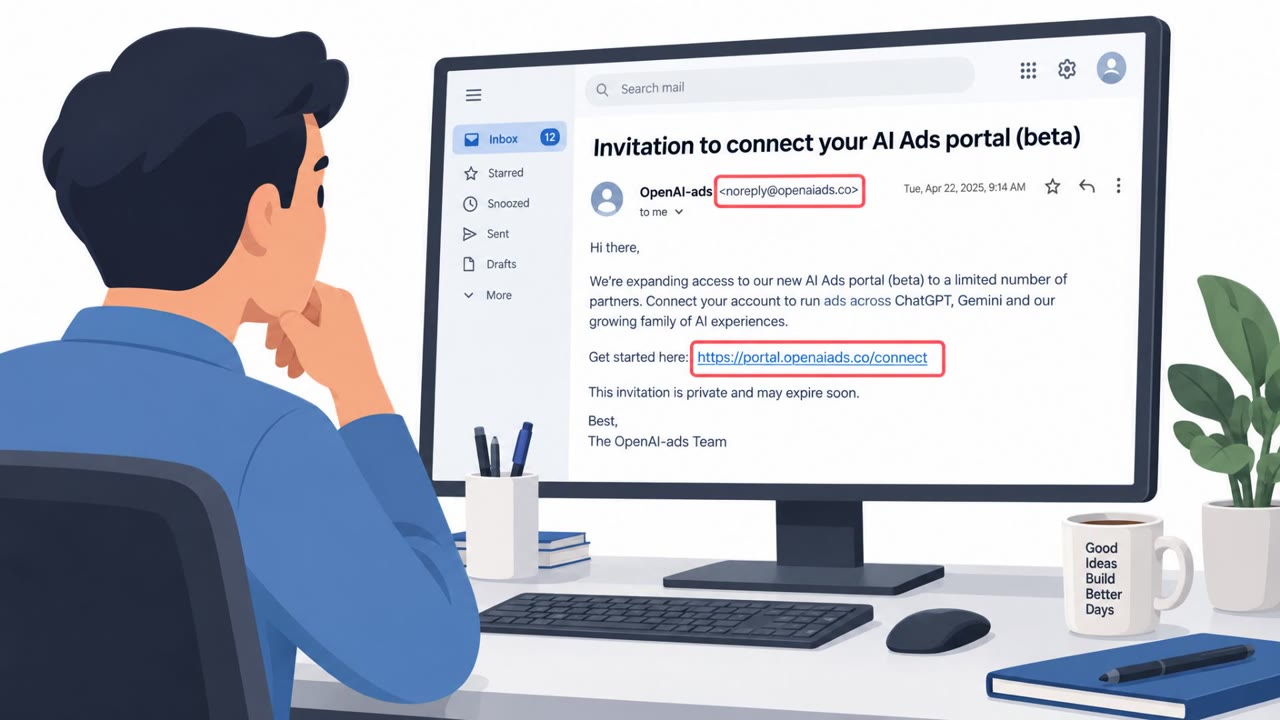
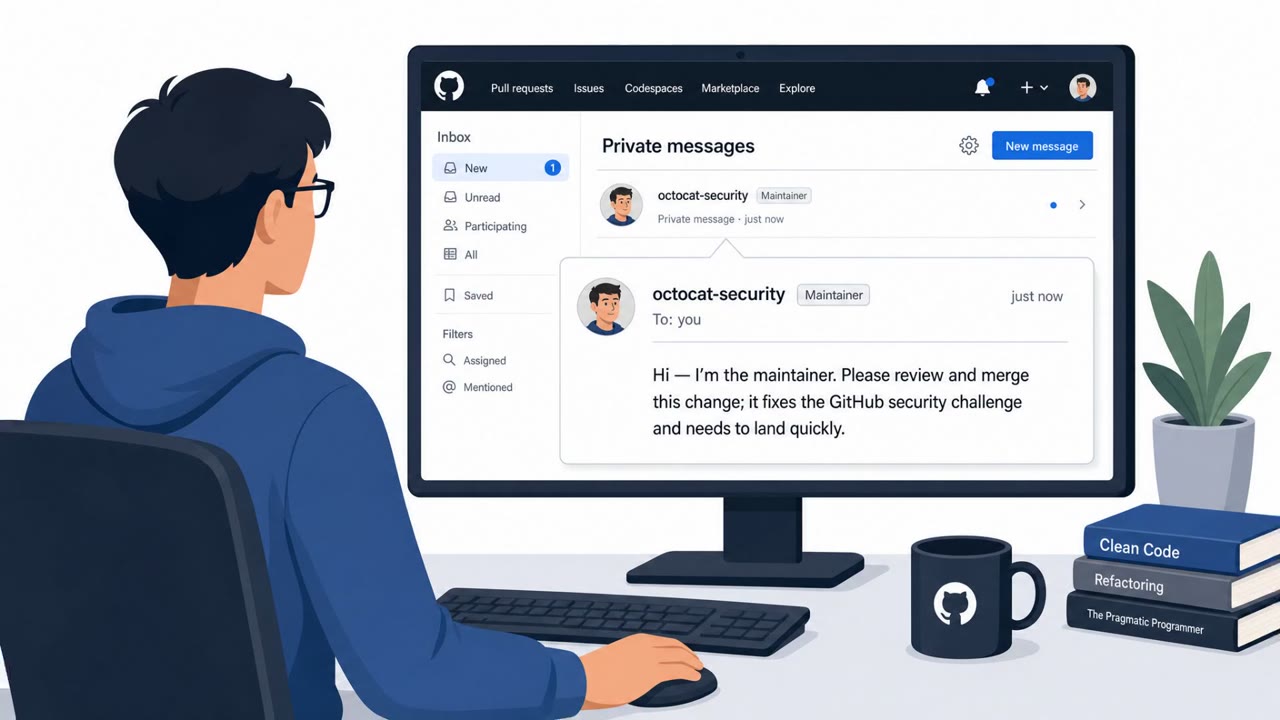
A threat actor impersonated about 32 AI bots, including ones claiming to represent OpenAI, Anthropic, Meta, and Perplexity, to probe enterprise web servers for exposed credentials and private keys. The scanner relied on easily forged bot identity labels and rapidly requested common secret-file locations rather than browsing normal web pages. No breach was reported, and nearly all observed requests were blocked or failed.
Key findings
- One threat actor rotated through roughly 32 claimed AI-bot identities while probing organizations across several industries.
- The scanner impersonated brands including OpenAI, Anthropic, Meta, and Perplexity, sometimes switching identities within seconds.
- Rather than crawl web content, it requested roughly 90 paths associated with .env files, cloud credentials, private SSH keys, and server environment data.
- The actor used more than 300 cloud addresses in one day, reducing the value of static IP blocklists alone.
- Cequence said nearly all observed scanner requests were blocked or failed and did not report a breach.
Who’s being targeted
- Commonly targeted roles: Web administrators, Cloud engineers, DevOps teams, Application security teams, Security operations center analysts, Identity and access management teams, IT leadership.
- Affected industries: Financial services, Retail, Telecommunications, Energy, Software.
- Attack channels: website.
- Impersonated: OpenAI, Anthropic, Meta, Perplexity, or another trusted AI bot identity.
Awareness takeaways
- Do not treat a bot name or User-Agent label as proof that an AI provider authorized the traffic; verify the identity through approved technical controls.
- Investigate and block automated requests for credential-related files immediately, especially .env files, cloud credentials, SSH keys, and server environment data.
- Train web, cloud, and security teams to recognize that rapidly changing claimed identities and high-volume bursts are signs of malicious automation, not normal AI crawling.
- Keep secrets out of web-accessible locations and replace long-lived local credentials with centrally managed secrets.
Red flags to watch for
- The bot requests .env files, cloud credential files, private SSH keys, or server environment data instead of normal web pages.
- The same source changes its claimed AI-bot identity within seconds.
- The traffic makes rapid bursts of 50 to 190 requests in about eight seconds.
Read the video transcript
An AI bot visits your website. Why is it asking for your .env file? One scanner claimed to be OpenAI, Anthropic, Meta, then Perplexity, switching names within seconds. It skipped web pages and tried about 90 paths for credentials, SSH keys, and server data. Here's the giveaway: a User-Agent is just a name the visitor types in. Bursts of 50 to 190 requests in eight seconds aren't normal crawling. Nearly all observed requests failed. If you see bots requesting secret files, flag that traffic to your security team immediately.