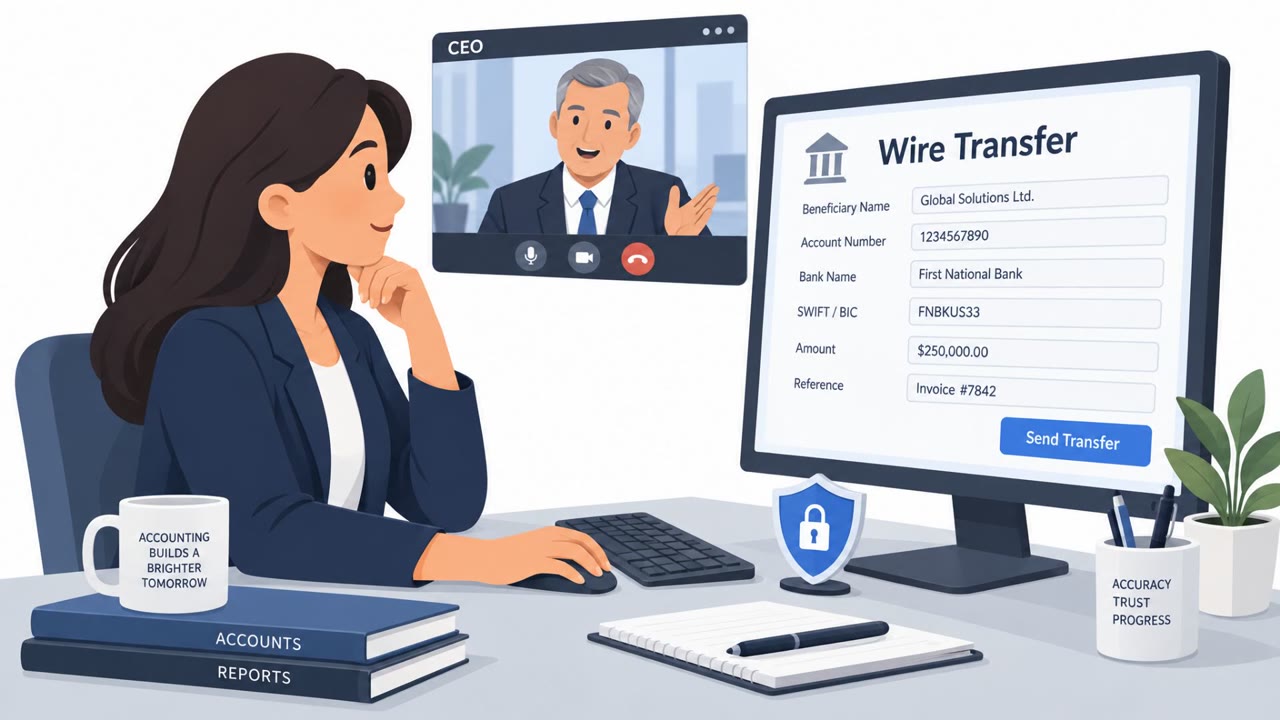
Fake Bank Calls Push Victims to ‘Safe’ Accounts

Heimdal Security · Medium sophistication
Last updated October 21, 2026

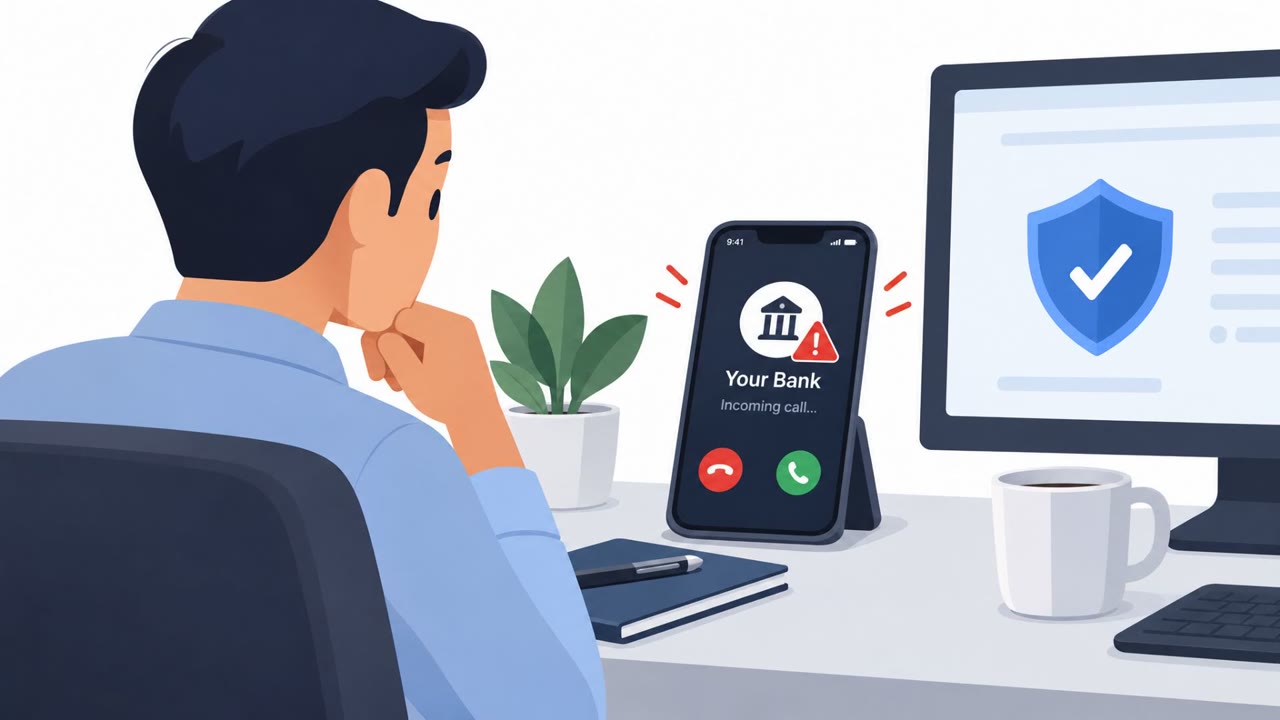
A UK survey found that many people targeted by scams do not report them, especially when they have not lost money. It also identifies a common phone scam: callers impersonate banks, police, or government bodies and pressure people to move money into a supposedly safe account.

Key findings

  • 42.7% of surveyed scam targets did not report the incident to their bank, police, or the platform involved.
  • Among people who did not report, 47.2% said they had lost nothing and did not think reporting mattered; only 7.2% cited embarrassment.
  • 60.5% of scam-targeted 18-to-24-year-olds reported receiving calls impersonating a bank, police, or government body.
  • The callers' reported objective was to persuade targets to move money to a supposedly safe account, including one in the victim's own name.
  • People aged 25 to 34 had the highest reported rate of financial loss, at 35.7% of those targeted by a scam.

Who’s being targeted

  • Commonly targeted roles: All employees, Finance and accounts-payable teams, Employees authorized to make payments or transfers, Customer-facing staff.
  • Affected industries: Banking, Financial services, Government, Law enforcement.
  • Attack channels: vishing.
  • Impersonated: A bank, the police, or the government.

Awareness takeaways

  • Treat unexpected calls about money as suspicious. Hang up and contact the bank through a trusted number rather than continuing the call.
  • Report scam attempts even if no money was lost, because reports can help authorities identify and disrupt repeat scams.
  • Do not let urgency override verification. Stop and independently check any request to pay or transfer money.
  • Report phishing emails and scam texts through the official reporting routes so the intelligence can be acted on.

Red flags to watch for

  • Unexpected call about money
  • Pressure to act immediately
  • Request to move funds to a 'safe account,' including an account in the target's own name
Try Mirage

Mirage safely runs attacks like this one against your own team, so you find out what happens before a real adversary does.

Get a demo
Read the video transcript

Your bank or the police will never ask you to move money to a ‘safe account.’ The caller says there’s a problem with your money. They claim to be your bank, the police, or the government, then push you to transfer it immediately, even to an account in your own name. That’s the trick: an account with your name on it can still be part of the scam. An unexpected call, a money emergency, and pressure to act now? Stop. Hang up. Then call 159 to reach your bank through a trusted route.

MITRE ATT&CK techniques

Similar attacks

AI Deepfakes Drive $129M CEO Fraud Scheme

AI Deepfakes Drive $129M CEO Fraud Scheme

Three men were indicted for allegedly using AI-generated video and voice impersonations of CEOs and law-firm attorneys to steal $129 million. They targeted employees authorized to make wire transfers, framed payments as confidential acquisitions, and pressured staff to keep the transactions secret.…

November 9, 2026
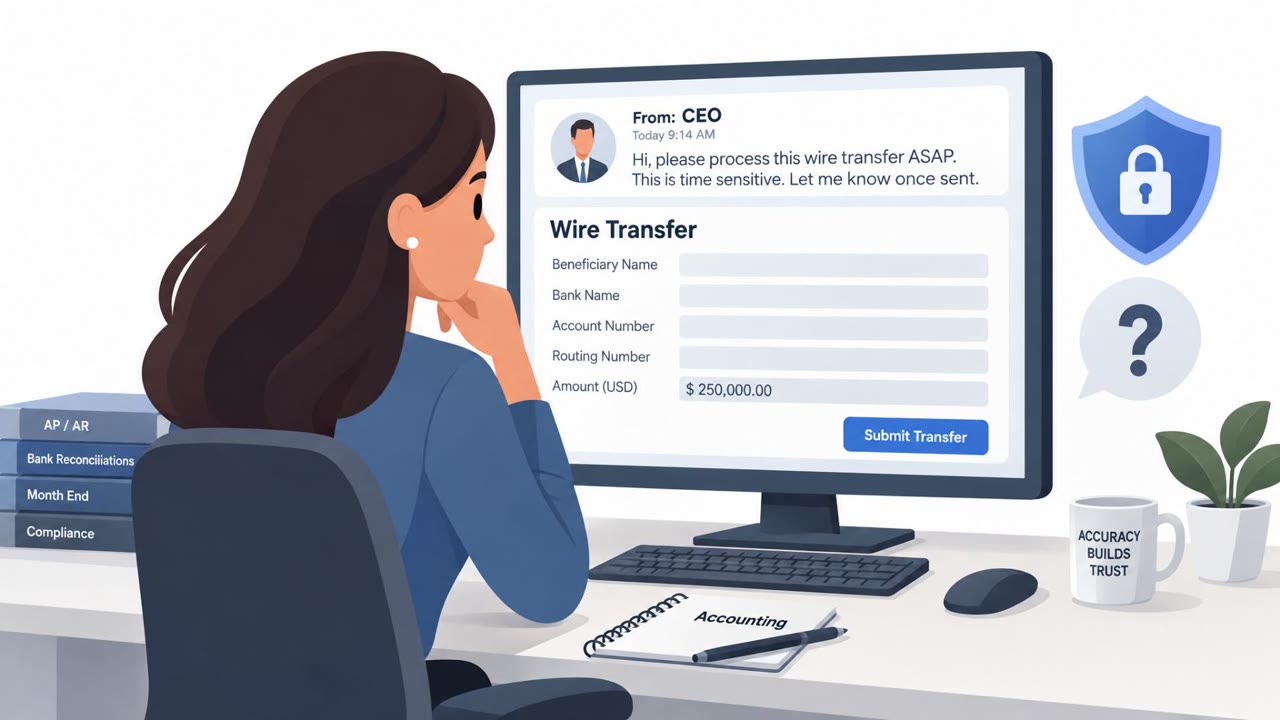
Deepfake CEO Scam Steals $129M

Deepfake CEO Scam Steals $129M

U.S. authorities allege that three men used AI-generated CEO and lawyer impersonations to steal at least $129 million from businesses. The scheme targeted accounting staff with a confidential-transaction storyline, used an e-signature message to obtain an NDA, and then used a fake attorney to make…

November 6, 2026
Ukraine Scam Centers Posed as Banks

Ukraine Scam Centers Posed as Banks

A Ukrainian corruption investigation uncovered a network accused of paying officials to protect fraudulent call centers. The centers allegedly targeted victims in Ukraine and abroad by posing as bank employees, law enforcement officers, or financial advisers, and by directing people to fake…

November 5, 2026
Fake IT Help Desk Calls Open Ransomware Door

Fake IT Help Desk Calls Open Ransomware Door

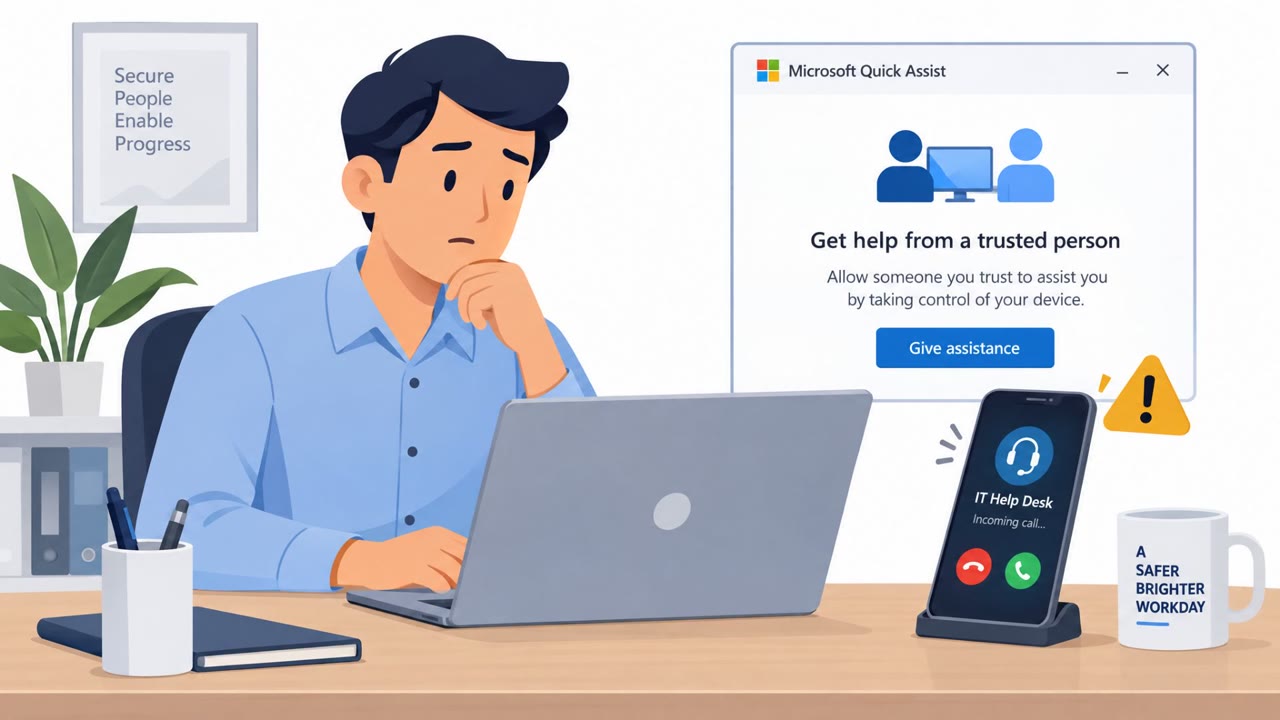
Cisco Talos investigated a VYPR ransomware incident in which an attacker used a voice-phishing call to trick a user into starting a Microsoft Quick Assist remote-support session. Talos also observed IT help desk impersonation in several other incidents, showing that a seemingly routine support call…

October 29, 2026
Vishers Posed as Bank Employee to Raid Help Desk

Vishers Posed as Bank Employee to Raid Help Desk

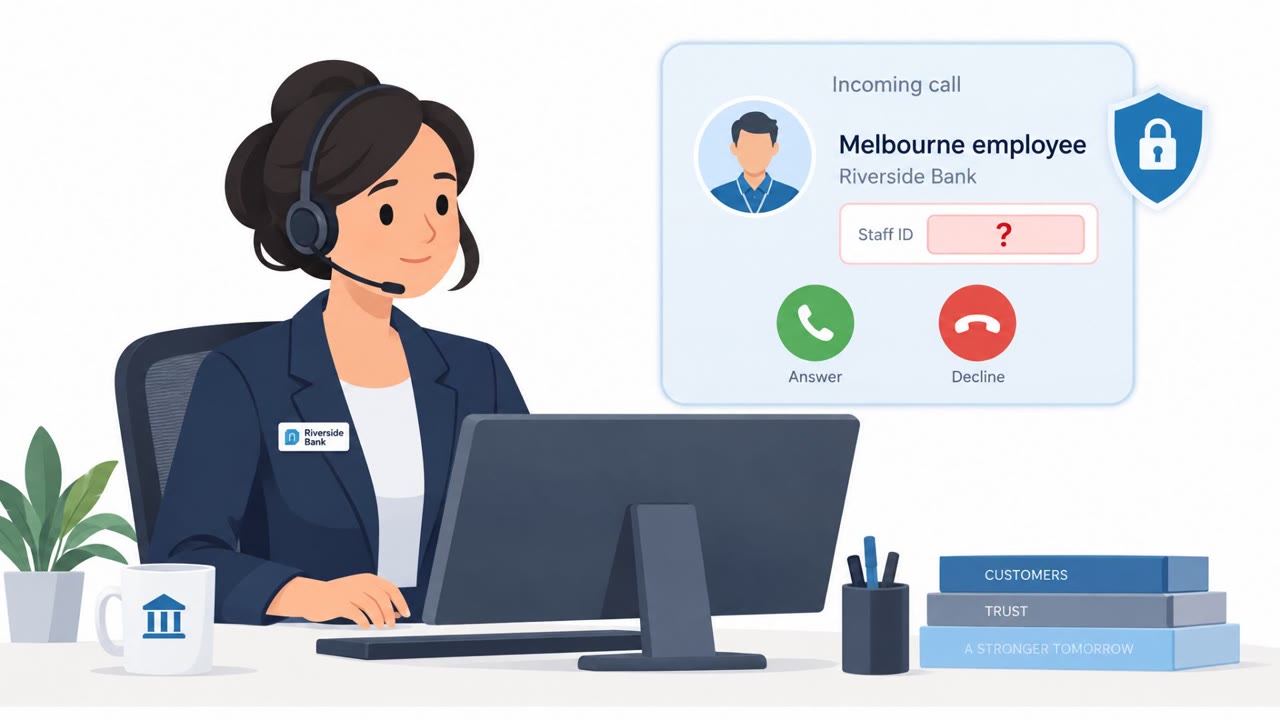
A bank reported an attempted voice-phishing attack in which callers impersonated a Melbourne employee and used that person’s staff ID to persuade the help desk to reveal internal employee details. The incident shows how criminals can combine a real employee identifier with aggressive phone tactics…

October 27, 2026
Wallet Leaks Fuel Support-Scam Calls

Wallet Leaks Fuel Support-Scam Calls

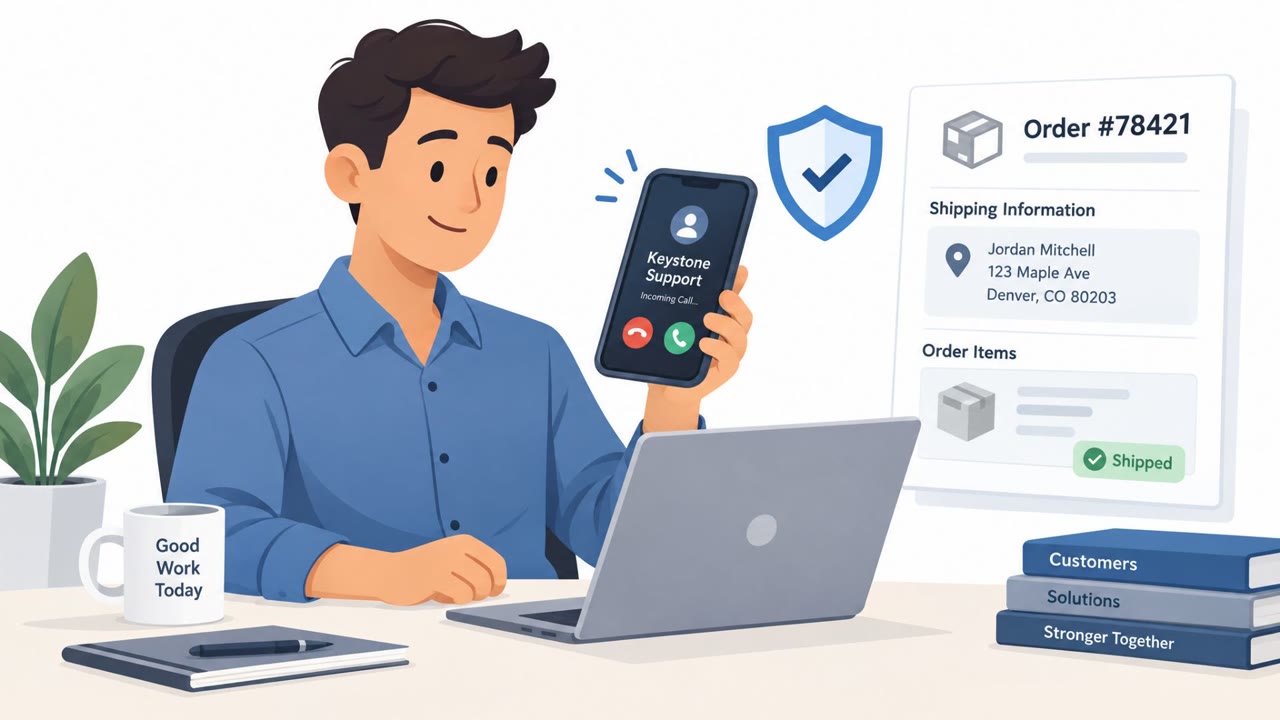
Keystone confirmed that an attacker accessed customer shipping and order information, and a customer reported a social-engineering phone call using those details. The exposed information can make fake support messages and calls about refunds, replacement devices, or order fixes sound credible.…

October 26, 2026