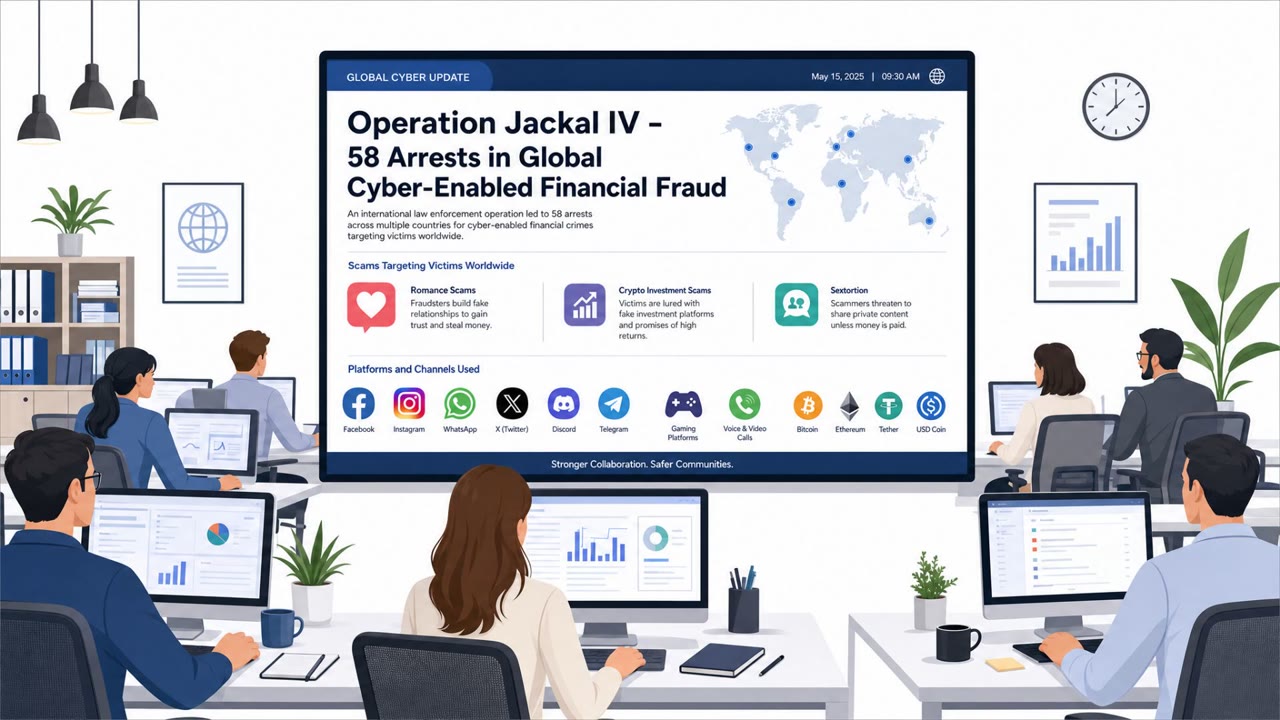
A DOJ-charged romance-scam ring allegedly posed as women on dating sites, built victims’ trust, and persuaded them to connect cryptocurrency wallets to fraudulent NFT investment sites. The article also describes phone-based scams in which criminals impersonate a bank or coach romance-scam victims through large transfers while telling them what to say to bank staff.
How the attack worked
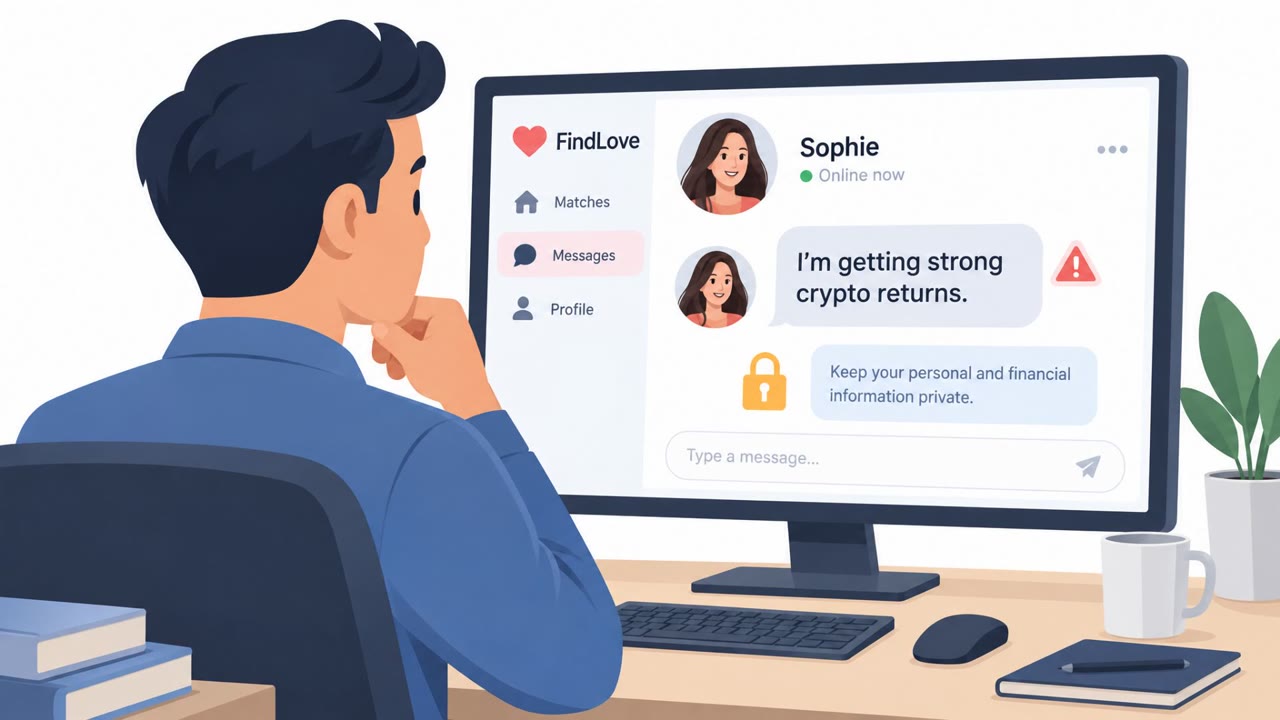
This breakdown covers two related romance-scam patterns. In the first, a scammer builds a relationship through a dating site, sometimes using paid videos and voice notes to make the connection feel real, then introduces a cryptocurrency investment opportunity. The victim is persuaded to connect a wallet to a fraudulent NFT site, after which funds are stolen. In a related pattern, prosecutors described a scheme in which men posed as women on dating sites and used this trust-building approach to steer victims toward fraudulent investment platforms, a scheme reportedly linked to about 800 victims.
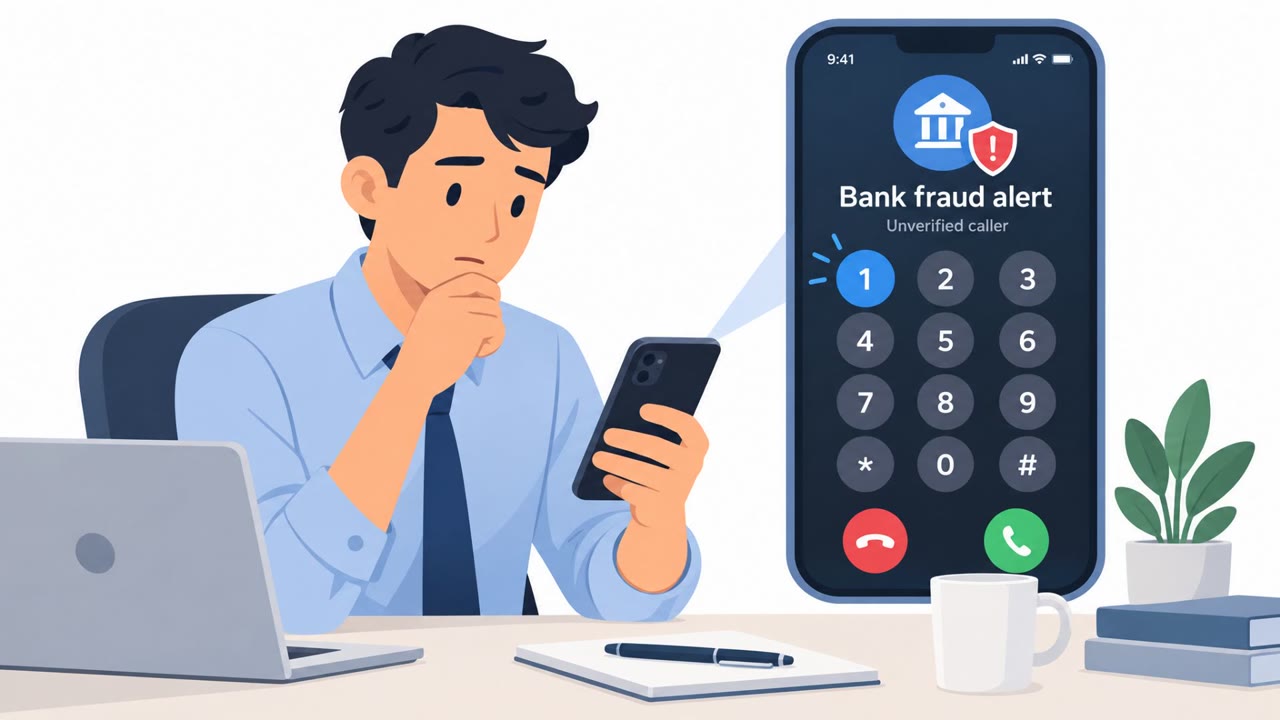
The second pattern involves a caller staying on the phone with the victim during an actual bank transfer. The caller gives step-by-step instructions for moving money through a mobile banking app and tells the victim what to say if bank staff ask questions, such as claiming the transfer is for a home renovation or a legitimate investment. Victims are also told that their own bank or family members will try to interfere, discouraging them from seeking a second opinion.
Why it succeeded
The effectiveness of these scams comes from sustained trust-building before any financial request is made. By the time money is discussed, the victim has an established emotional relationship with the scammer. Staying on the phone during the actual transfer adds pressure and prevents the victim from pausing to verify the request independently. Pre-scripted explanations for bank staff and warnings about family interference are designed to close off the normal checks that might otherwise stop the transaction.
What to watch for
- A new online romantic contact introduces an investment opportunity, especially one involving cryptocurrency wallets or unfamiliar websites.
- A caller remains on the line while a customer makes a transfer through a banking app.
- A customer is coached on what to tell bank staff about the purpose of a transfer.
- Claims that family members or the bank itself will try to block or interfere with the transaction.
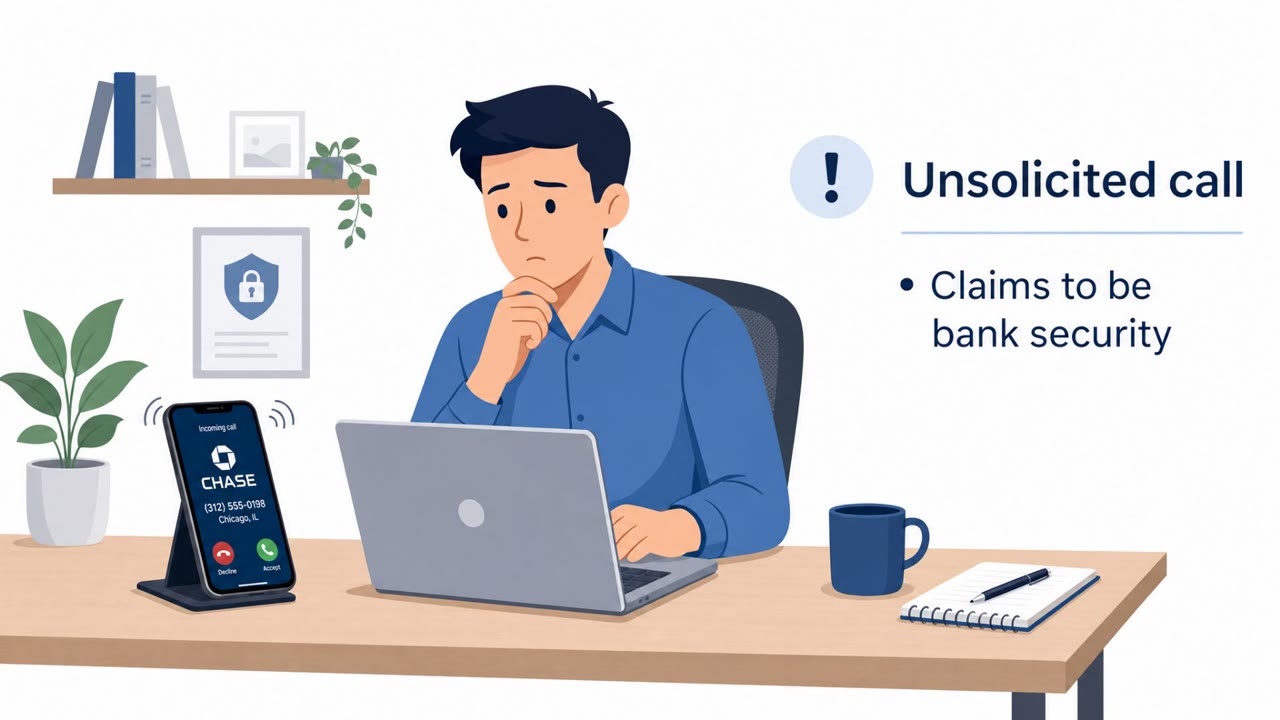
- An unsolicited call claiming to be from a bank's fraud department that asks a customer to move money into a new
Key findings
- The DOJ charged six men accused of posing as women on dating sites and steering victims to fraudulent NFT investment sites.
- Prosecutors linked the alleged romance-scam scheme to about 800 victims.
- The group reportedly used paid videos and voice notes to make the false relationships more convincing as they progressed.
- Scammers may remain on a live call while directing a victim through a mobile-banking transfer.
- Victims may be coached to tell bank staff that a transfer is for a home renovation or legitimate investment, and warned that relatives will try to interfere.
- A separate example involved a caller posing as a bank fraud employee who convinced a woman to wire $56,000 to a so-called protected account.
Who’s being targeted
- Commonly targeted roles: Bank customers, Credit-union customers, Bank branch staff, Fraud operations teams, Customer-service representatives, Online dating users, Cryptocurrency users.
- Affected industries: Banking, Credit unions, Cryptocurrency and digital-asset services, Online dating platforms.
- Attack channels: website, vishing.
- Impersonated: A woman met through a dating site, Romantic partner or online love interest, Victim's bank fraud department.
Red flags to watch for
- An online romantic contact quickly introduces an investment opportunity.
- The contact pushes the victim to connect a wallet to an unfamiliar investment site.
- Voice notes or calls are used to increase trust before a financial request.
- The caller remains on the line while the customer makes a transfer.
- The caller tells the customer what to say to bank employees.
- The caller claims family members will not understand or will sabotage the transaction.
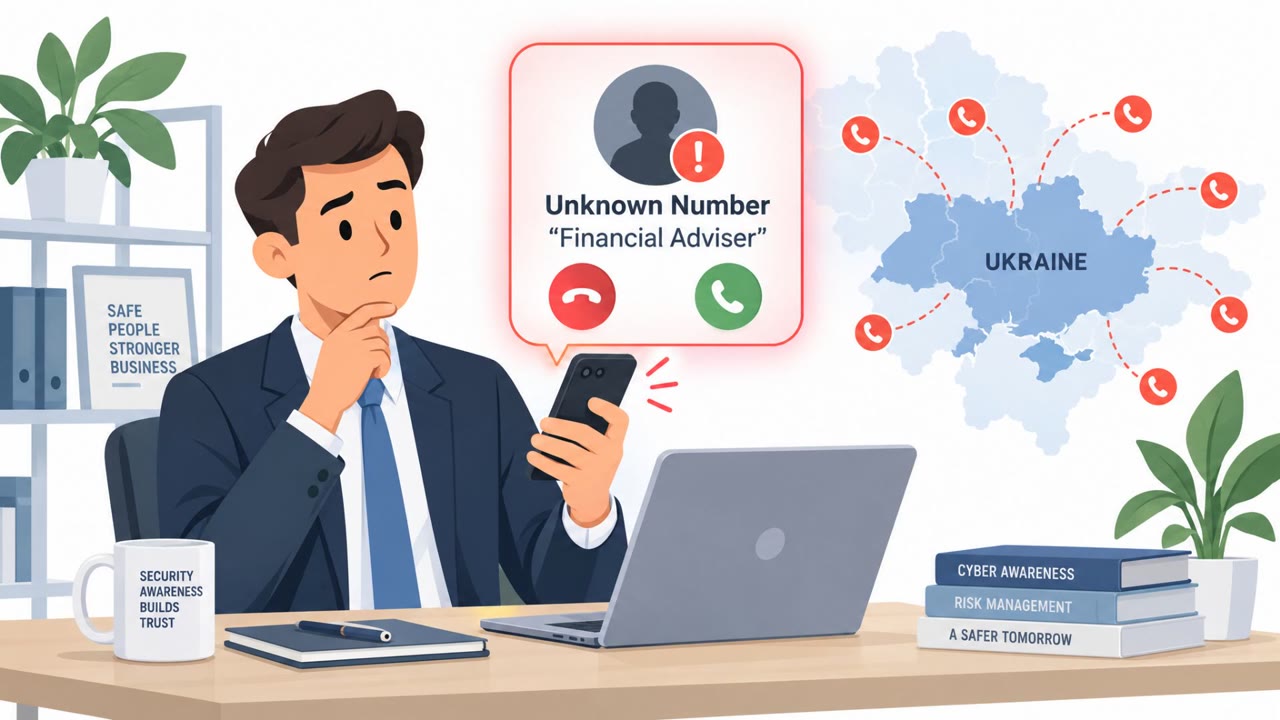
- An unsolicited caller claims to be from the bank fraud department.
- The caller asks the customer to transfer funds to a new “protected” account.
- The caller stays on the phone and directs the customer through a branch transaction.
Frequently asked questions
How do romance scammers get victims to send money?
They build trust over time through messages, calls, and even paid videos or voice notes, then introduce an investment opportunity or stay on the phone while coaching the victim through a bank transfer.
What is the cryptocurrency wallet tactic in these scams?
A scammer posing as a romantic interest on a dating site persuades the victim to connect their cryptocurrency wallet to a fraudulent NFT investment site, then steals the funds.
Why do victims lie to their bank about a transfer?
Scammers coach victims in advance to tell bank staff the transfer is for something legitimate, like a home renovation, and warn them that family members will try to interfere.
What should bank staff watch for with this attack pattern?
A customer remaining on a phone call while attempting a large transfer to a new payee is a signal that warrants closer, sensitive verification.
Read the video transcript
Your online date says they’ve found a great NFT investment. They send sweet voice notes, then a link to connect your crypto wallet. In one alleged scheme, that NFT site was fraudulent. Here’s the giveaway: they stay on the call during your transfer and script your answer to the bank: 'It’s for a home renovation.' If someone scripts your explanation, stop the transfer and call your bank using the number on your card.