AI Deepfakes Drive $129M CEO Fraud Scheme

Security Boulevard · High sophistication
Last updated November 9, 2026

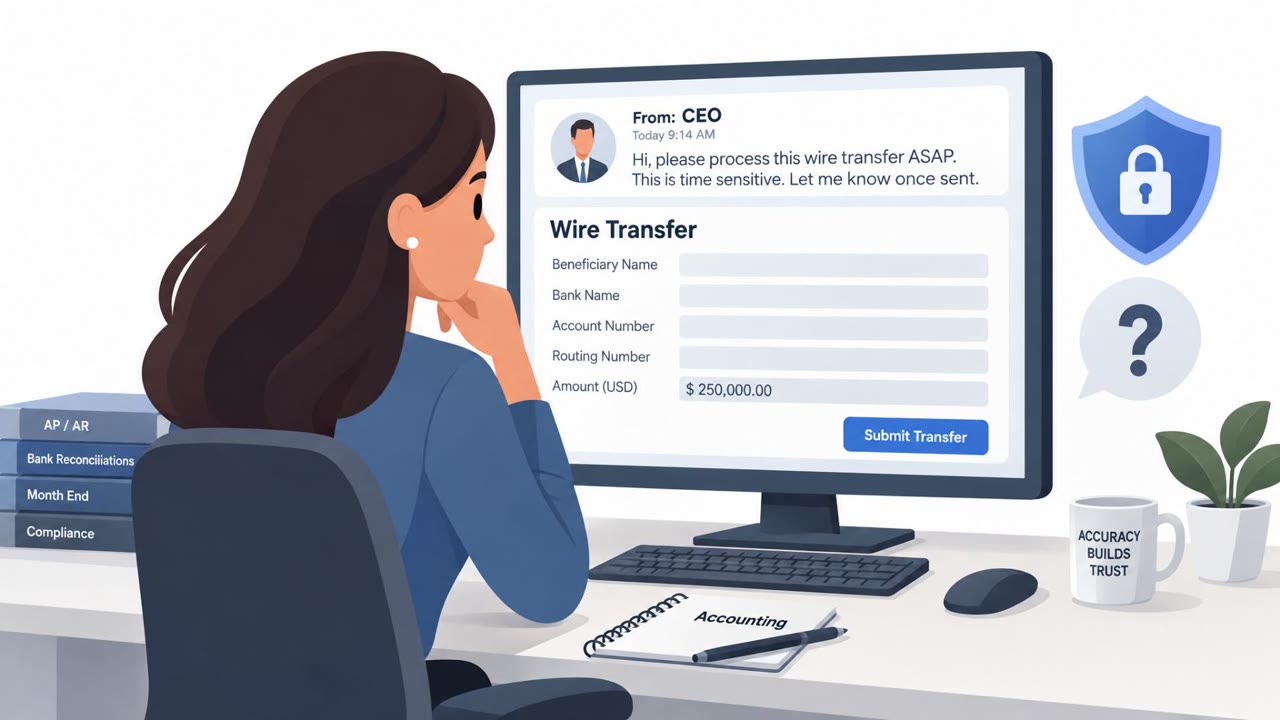
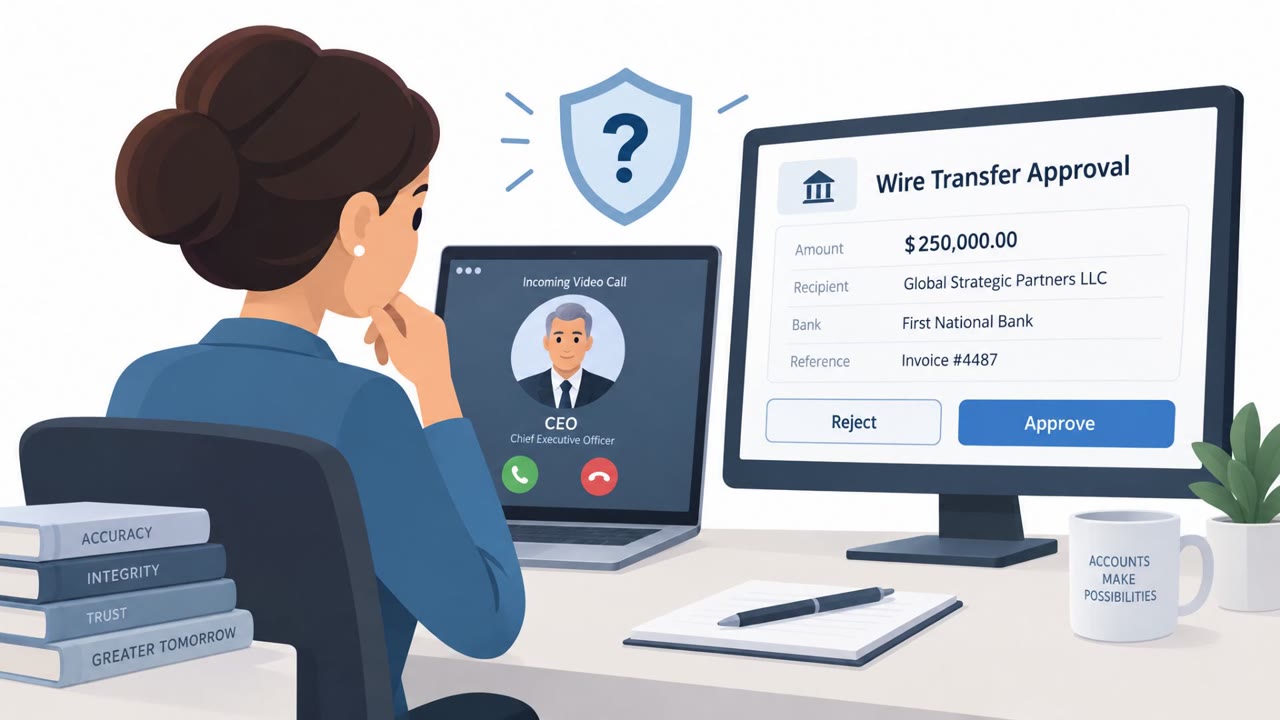
Three men were indicted for allegedly using AI-generated video and voice impersonations of CEOs and law-firm attorneys to steal $129 million. They targeted employees authorized to make wire transfers, framed payments as confidential acquisitions, and pressured staff to keep the transactions secret. The case shows why finance teams must independently verify unusual payment requests, even when a caller appears and sounds like an executive or lawyer.

Key findings

  • The alleged scheme ran from at least July 2024 through February and stole $129 million from victim companies.
  • Attackers selected accounting employees with authority to initiate large wire transfers.
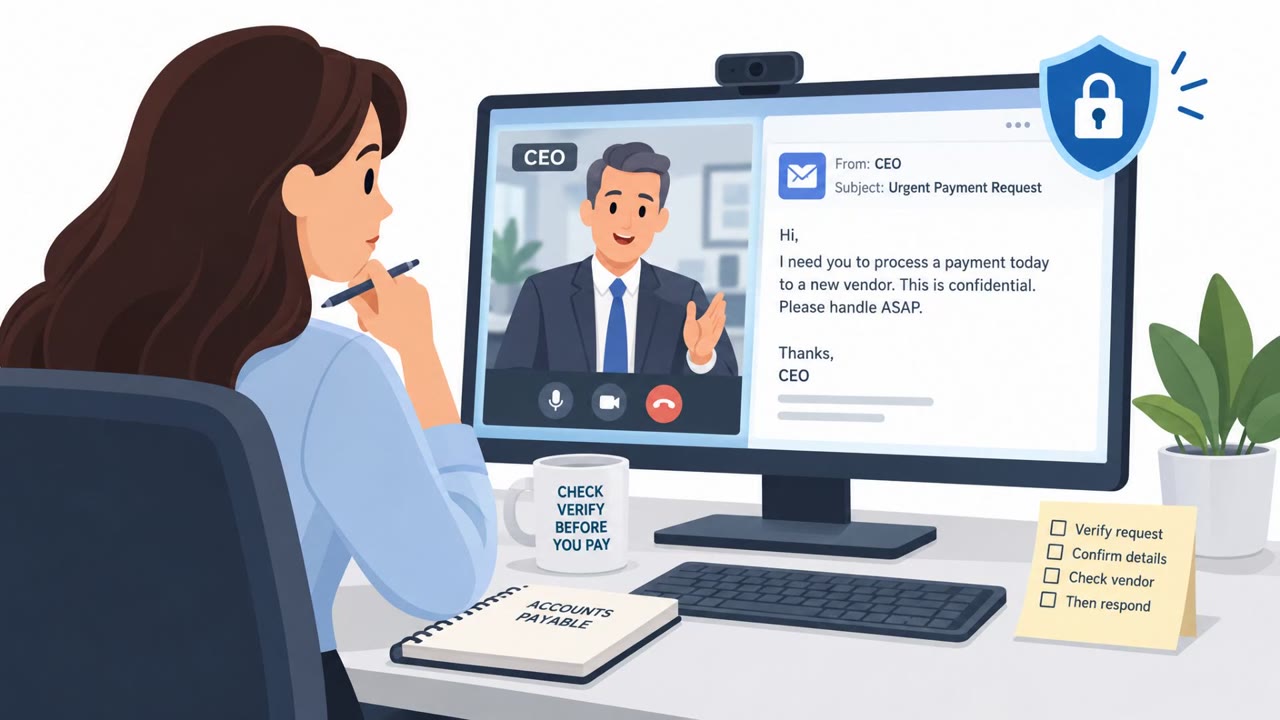
  • The first contact was an email sent through DocuSign or a similar service in the name of the company CEO, claiming a confidential financial transaction was underway.
  • In later interactions, the group allegedly used AI to mimic the CEO's voice and image, then impersonated attorneys at major law firms' European offices.
  • Victims were told that the payments supported an important business matter, often an acquisition, and that they must keep it secret from colleagues.
  • Named victims included mutual fund, hospital, banking, pet-food, and financial-technology organizations.

Who’s being targeted

  • Commonly targeted roles: Accounting, Finance, Treasury, Accounts Payable, Payroll, Executive Assistants, Senior Executives, Legal.
  • Affected industries: Finance and insurance, Healthcare, Banking, Food manufacturing, Financial technology.
  • Attack channels: email, vishing, website.
  • Impersonated: Company CEO followed by an attorney at a large international law firm's European office.

Awareness takeaways

  • Independently verify any unusual or high-value payment request through a known, pre-established contact method, not through contact details supplied in the request or call.

Red flags to watch for

  • An unexpected confidential deal requires bypassing normal payment approval processes.
  • The employee is told to keep the transaction secret from other staff.
  • A payment request relies on an unverified CEO or attorney identity, even if the person appears authentic on a call.
Try Mirage

Mirage safely runs attacks like this one against your own team, so you find out what happens before a real adversary does.

Get a demo
Read the video transcript

Your CEO appears on video and asks for a wire. Would you send it? In a $129 million scheme, it started with a DocuSign email: ‘We are working on a confidential financial transaction.’ Then came an AI-generated CEO voice and video. Next, a supposed lawyer at a major firm's European office guides the acquisition payment. The giveaway? ‘Keep it secret’, and skip normal approvals. A familiar face isn't verification. Before any unusual wire, call your CEO using the number already in your company directory.

Similar attacks

Deepfake CEOs Drive $129M Transfer Fraud

Deepfake CEOs Drive $129M Transfer Fraud

Federal prosecutors allege that a fraud ring used AI-generated CEO voices and video, along with stolen lawyer identities, to convince employees to approve fraudulent wire transfers. The attackers used familiar business workflows, confidential acquisitions, NDAs, executive calls, and outside…

November 9, 2026
AI CEO Deepfakes Drove $129M Fraud Scheme

AI CEO Deepfakes Drove $129M Fraud Scheme

U.S. prosecutors charged three people with allegedly using AI-generated CEO and attorney impersonations to steal about $129 million from companies worldwide. The group reportedly emailed accounting teams about confidential transactions, used AI voice and video calls to reinforce the request, and…

November 6, 2026
AI Impersonators Trick Bank Into $108M Transfers

AI Impersonators Trick Bank Into $108M Transfers

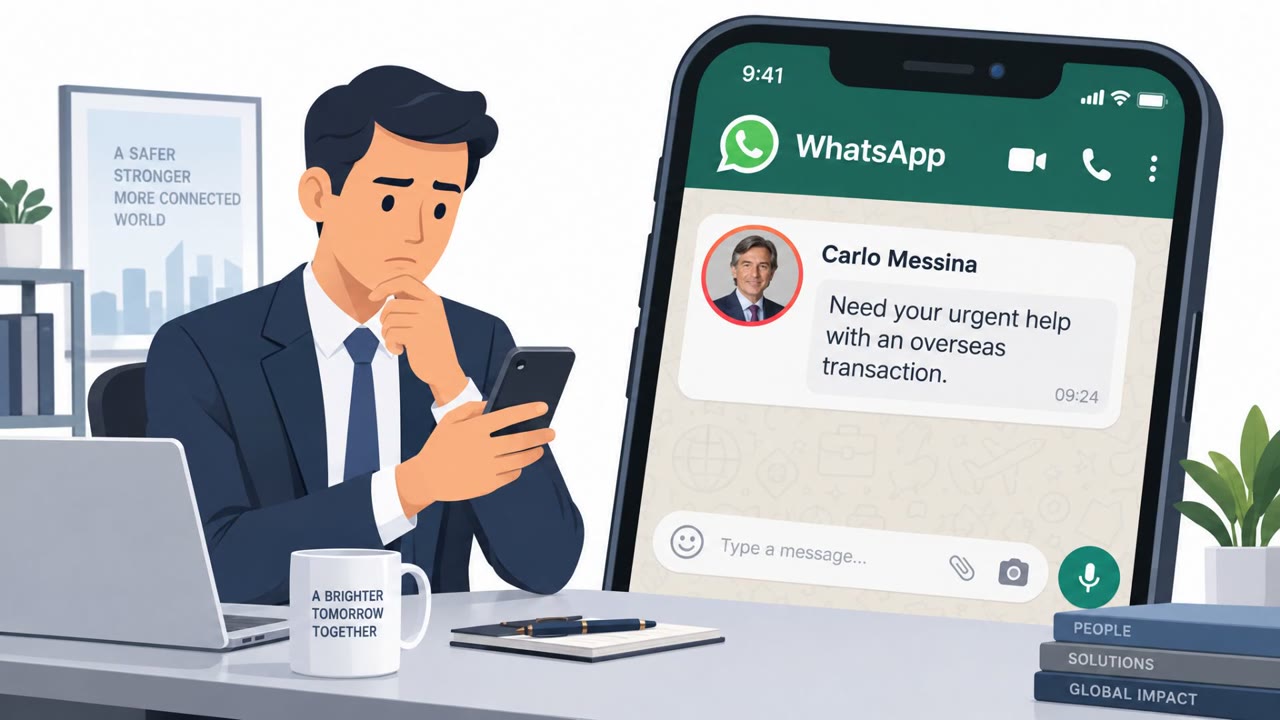
Fraudsters impersonated senior leaders at Intesa Sanpaolo using WhatsApp and an AI-cloned voice call to convince Fideuram’s chair to authorize urgent overseas transfers. The finance team then sent multiple payments to foreign accounts (mainly China and Hong Kong), and only part of the money has…

October 15, 2026
Teams Helpdesk Vishing Pushes Remote Control Tools

Teams Helpdesk Vishing Pushes Remote Control Tools

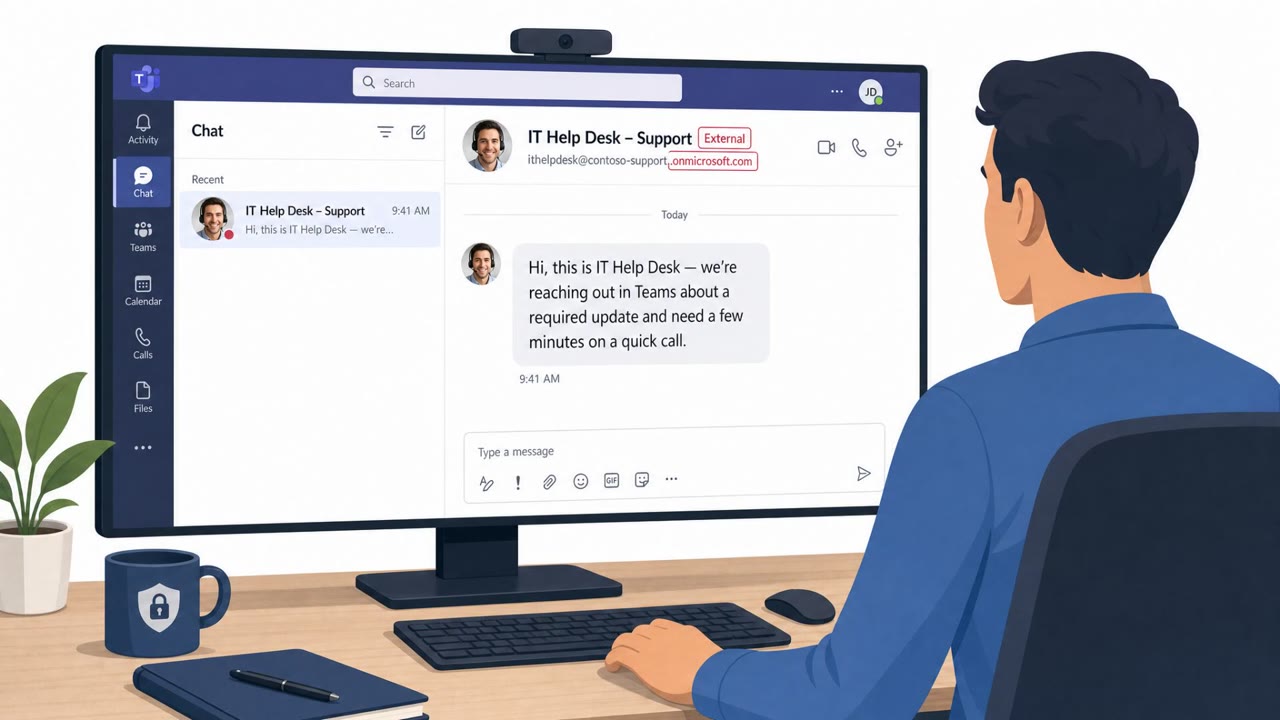
Researchers observed a coordinated social-engineering operation (“Spring Ring”) where attackers used external Microsoft Teams accounts to pose as internal IT help desk staff and start voice calls. Victims were pressured to install remote-control tools (like Quick Assist or other RMM software) or…

August 31, 2026
Deepfake CEO Scam Steals $129M

Deepfake CEO Scam Steals $129M

U.S. authorities allege that three men used AI-generated CEO and lawyer impersonations to steal at least $129 million from businesses. The scheme targeted accounting staff with a confidential-transaction storyline, used an e-signature message to obtain an NDA, and then used a fake attorney to make…

November 6, 2026
Fraudulent Gov Email and Passkey Lures Hit Orgs

Fraudulent Gov Email and Passkey Lures Hit Orgs

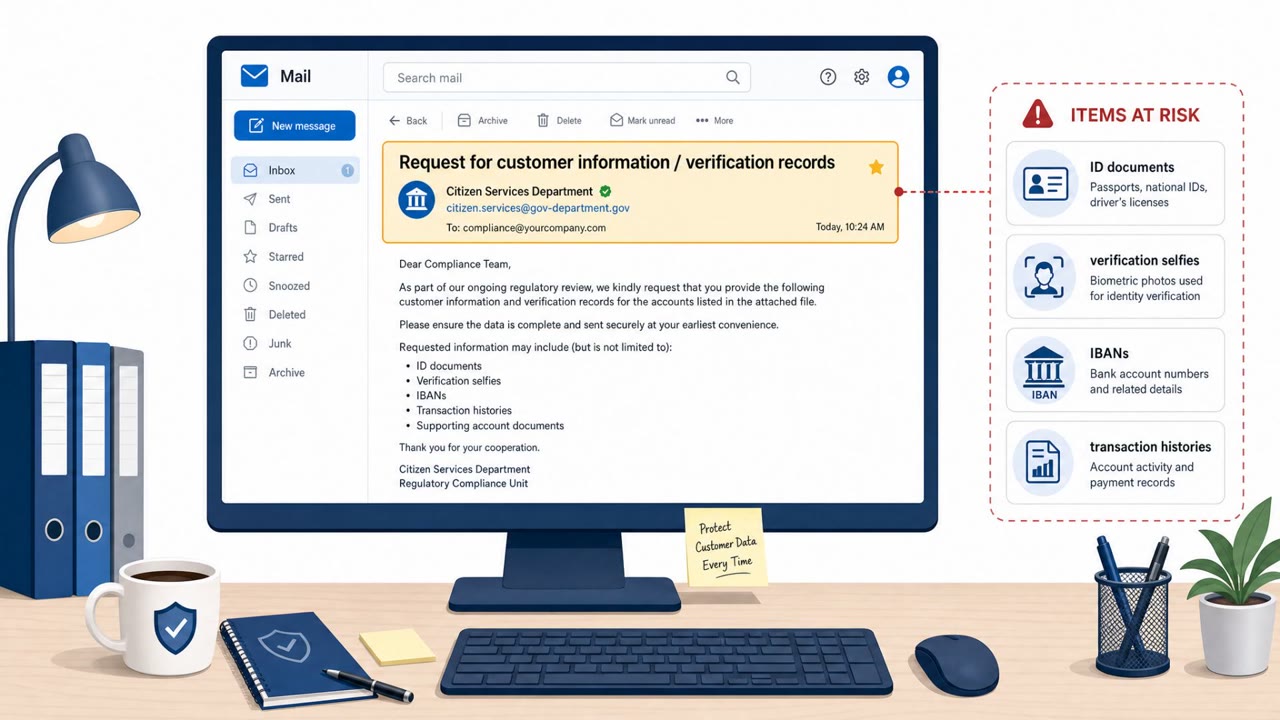
The bulletin describes real-world social engineering where staff were tricked into disclosing sensitive data or access. In one case, Revolut employees responded to fraudulent information requests sent from a real government-domain email account, exposing extensive customer records. Separately,…

September 14, 2026