Fake Colleague Email Triggers €23.8M Transfer

Security Incidents DE · Medium sophistication
Last updated November 3, 2026

A Banca Ifis manager received payment-request emails from someone posing as a colleague and approved transfers totaling about €23.8 million. The incident is a business email compromise (BEC) case: the attacker used a trusted internal identity and a routine payment workflow rather than a technical exploit.

Key findings

  • In May 2026, a Banca Ifis manager received payment-request emails from a person claiming to be a colleague.
  • The manager authorized payments totaling approximately €23.8 million.
  • The funds were routed through Spain as well as Singapore, Hong Kong, and Bahrain.
  • Authorities reportedly seized €20 million in Barcelona.

Who’s being targeted

  • Commonly targeted roles: Finance managers, Treasury teams, Accounts payable staff, Payment approvers, Banking operations staff, Executives with payment authority.
  • Affected industries: Banking, Financial services.
  • Attack channels: email.
  • Impersonated: A Banca Ifis colleague.

Awareness takeaways

  • Independently verify unusual or high-value payment requests, even when they appear to come from a colleague. Use a known phone number or an established internal approval channel, not contact details in the message.
  • Treat any emailed request to approve a transfer as high risk until it has passed the organization’s out-of-band verification and dual-approval process.
  • Escalate suspected payment fraud immediately; rapid reporting can improve the chance that transferred funds are frozen or recovered.

Red flags to watch for

  • The request relies on an unverified colleague identity.
  • The email asks the recipient to authorize a high-value payment.
  • The recipient is asked to rely on email alone for payment approval.
Try Mirage

Mirage safely runs attacks like this one against your own team, so you find out what happens before a real adversary does.

Get a demo
Read the video transcript

A colleague’s email. A €23.8 million mistake. In May 2026, a Banca Ifis manager got emails from someone posing as a colleague: ‘Hi, please urgently approve the attached payment request from your colleague.’ The payments were approved. Funds went through Spain, Singapore, Hong Kong, and Bahrain. That’s business email compromise: a familiar name isn’t proof. Before approving a payment, call your colleague on a number you already know.

MITRE ATT&CK techniques

Similar attacks

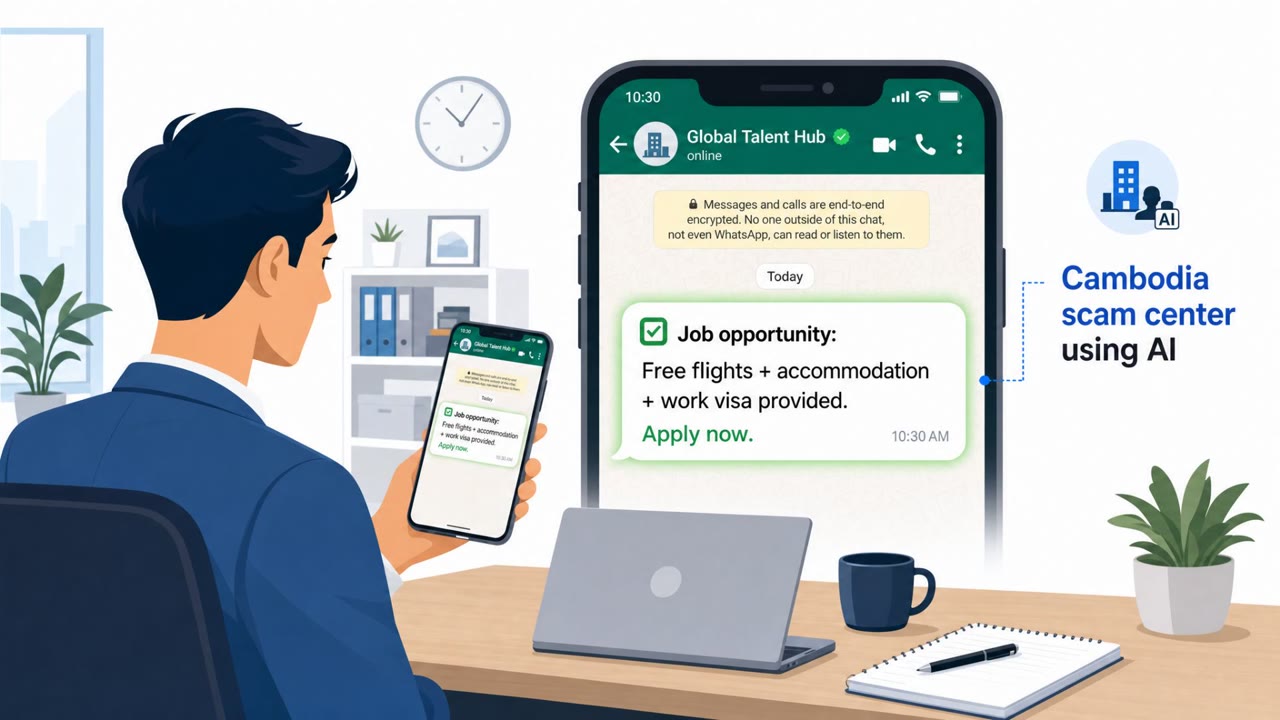
Cambodian Scam Centers Used ChatGPT for Fraud

Cambodian Scam Centers Used ChatGPT for Fraud

OpenAI says it disrupted a Cambodia-based scam network that used ChatGPT to run investment and romance scams, impersonate law enforcement, and recruit workers using fake job ads aimed at people in India. The group used the tool to create believable personas, translate scam messages, and generate…

August 4, 2026
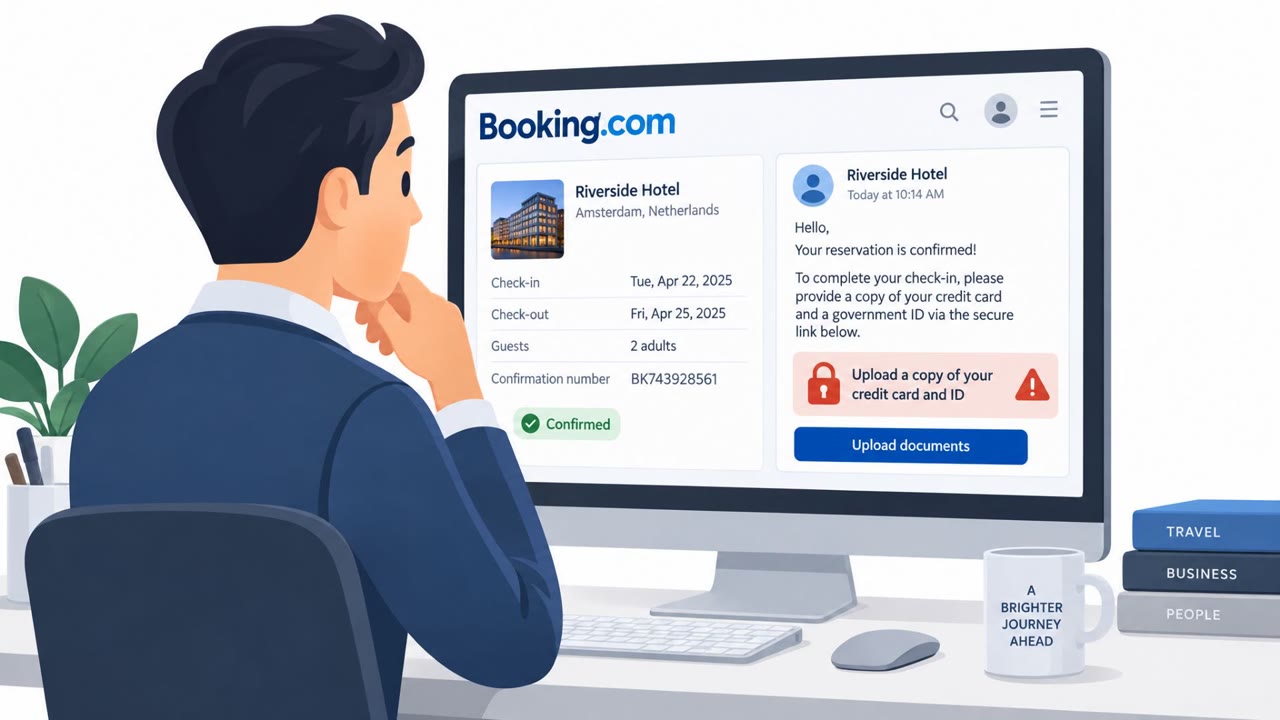
Booking.com Scams Put Travelers and Hotels at Risk

Booking.com Scams Put Travelers and Hotels at Risk

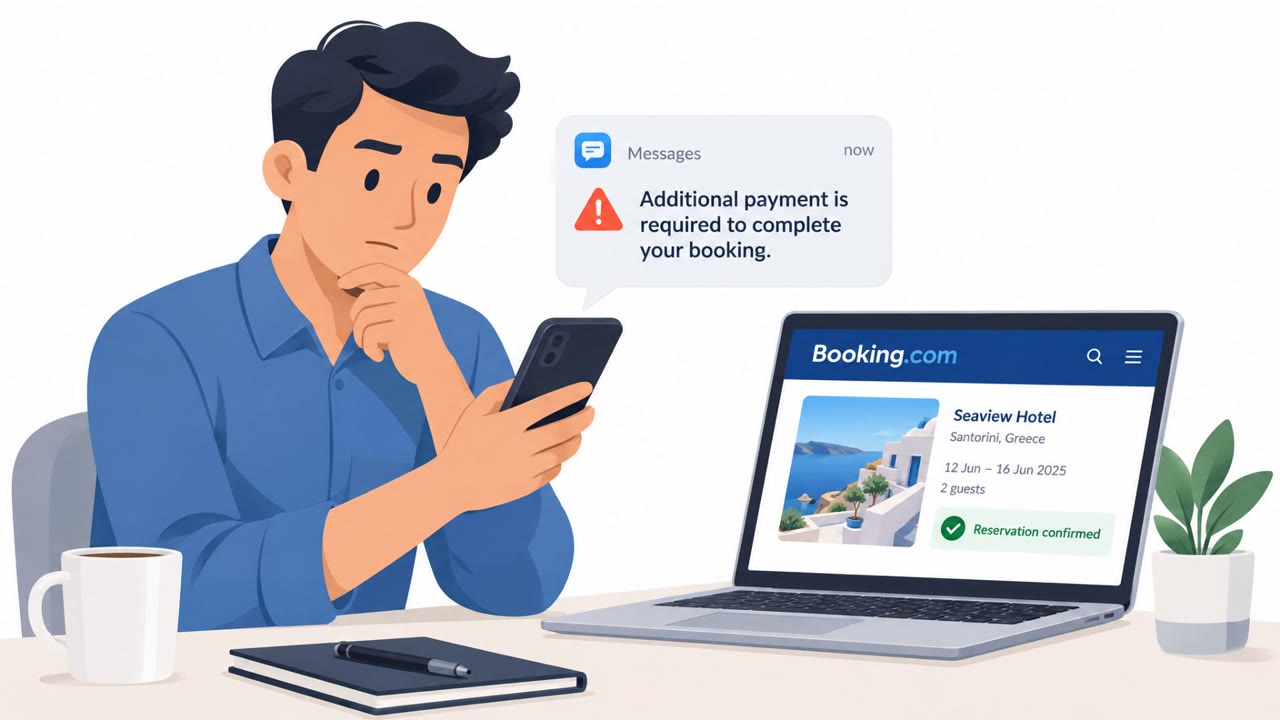
EU regulators are investigating Booking.com over phishing, fraudulent listings, and impersonation scams affecting travelers and accommodation partners. The article describes several real campaigns, including fake Booking.com messages that sought payment details from customers and complaint-themed…

October 22, 2026
Booking.com Scam Probe Targets Fake Stays

Booking.com Scam Probe Targets Fake Stays

EU regulators are investigating whether Booking.com has done enough to stop criminals from posting fake properties and taking over real property-owner accounts. The reported scam workflow involves attackers posing as accommodation owners and sending guests messages demanding additional payments,…

October 21, 2026
Deepfake Executive Call Triggers $25M Transfer

Deepfake Executive Call Triggers $25M Transfer

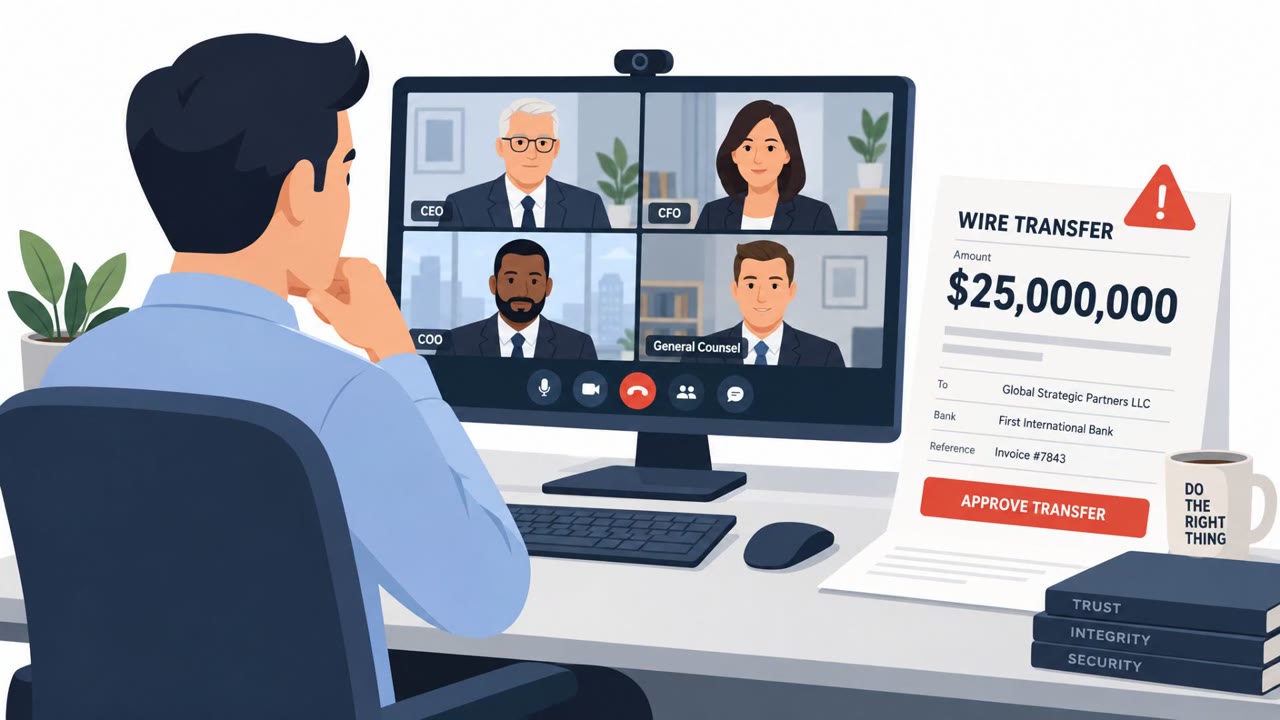
An Arup employee transferred $25 million to fraudulent accounts after joining a video call featuring deepfake impersonations of company executives. The case shows how realistic-looking executive impersonation can pressure employees into approving high-value payments, even when the request appears…

October 19, 2026
Poipet Scam Ring Used ChatGPT for Romance & Fines

Poipet Scam Ring Used ChatGPT for Romance & Fines

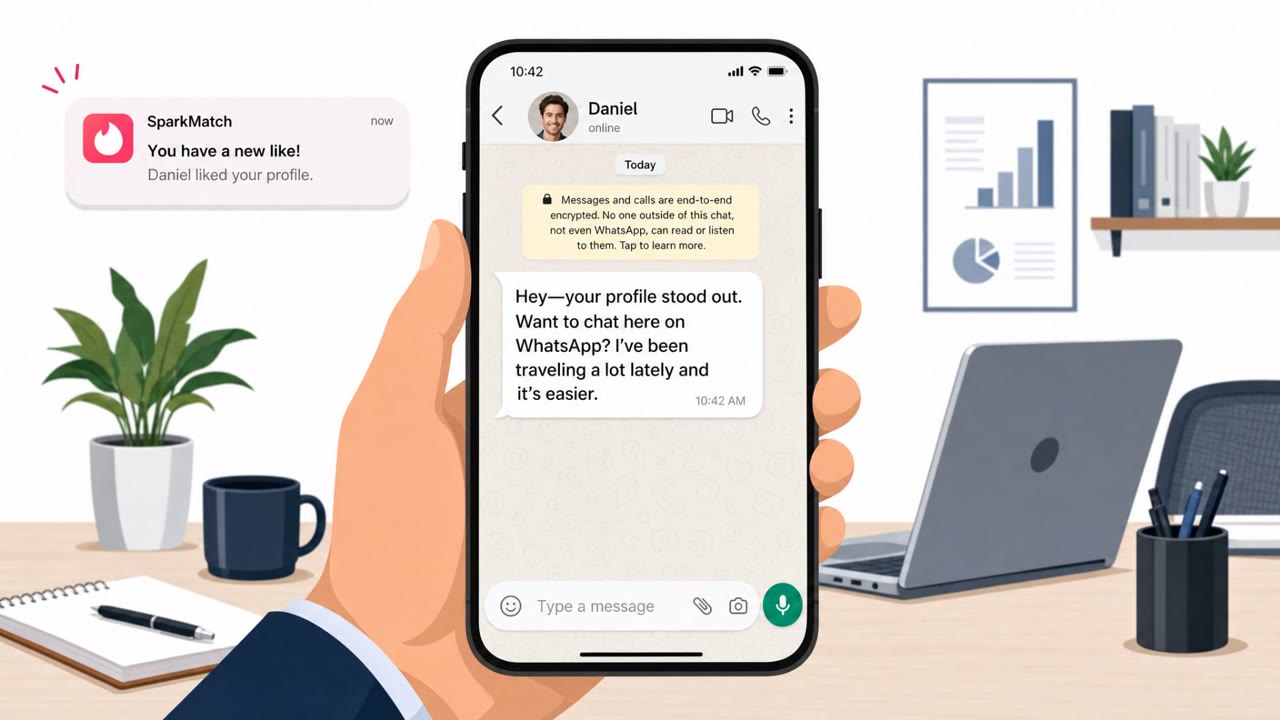
OpenAI says it disrupted a Cambodia-based scam network operating from Poipet that used ChatGPT to scale romance, investment, gambling, and law-enforcement impersonation scams. The group used messaging apps to build trust, then pressured victims to pay deposits, activation fees, or fake fines,…

August 5, 2026
Phishing Link Plants a Rogue ChatGPT “Insider”

Phishing Link Plants a Rogue ChatGPT “Insider”

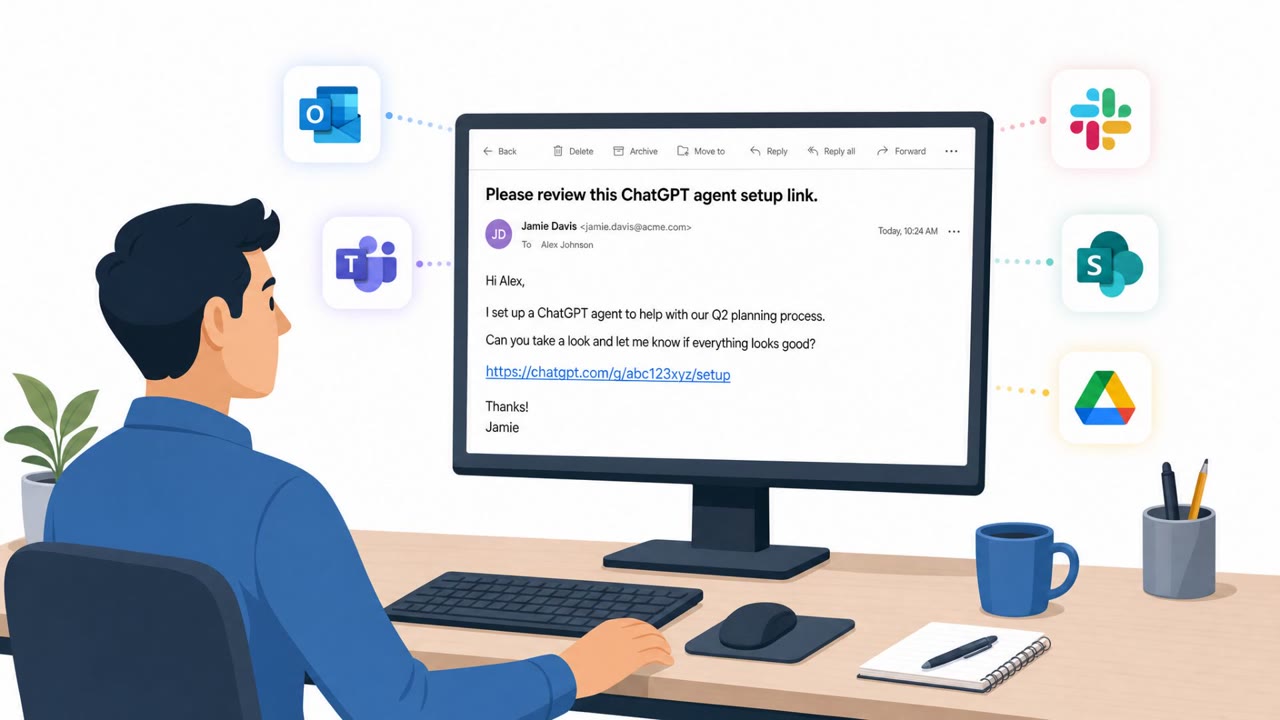
Researchers say a one-click phishing link could trick ChatGPT into creating a malicious AI “agent” inside a company’s ChatGPT workspace. The agent could act using the employee’s existing access (Outlook, Teams, Slack, Google Drive, etc.), run on a schedule, and take instructions from attacker…

July 23, 2026