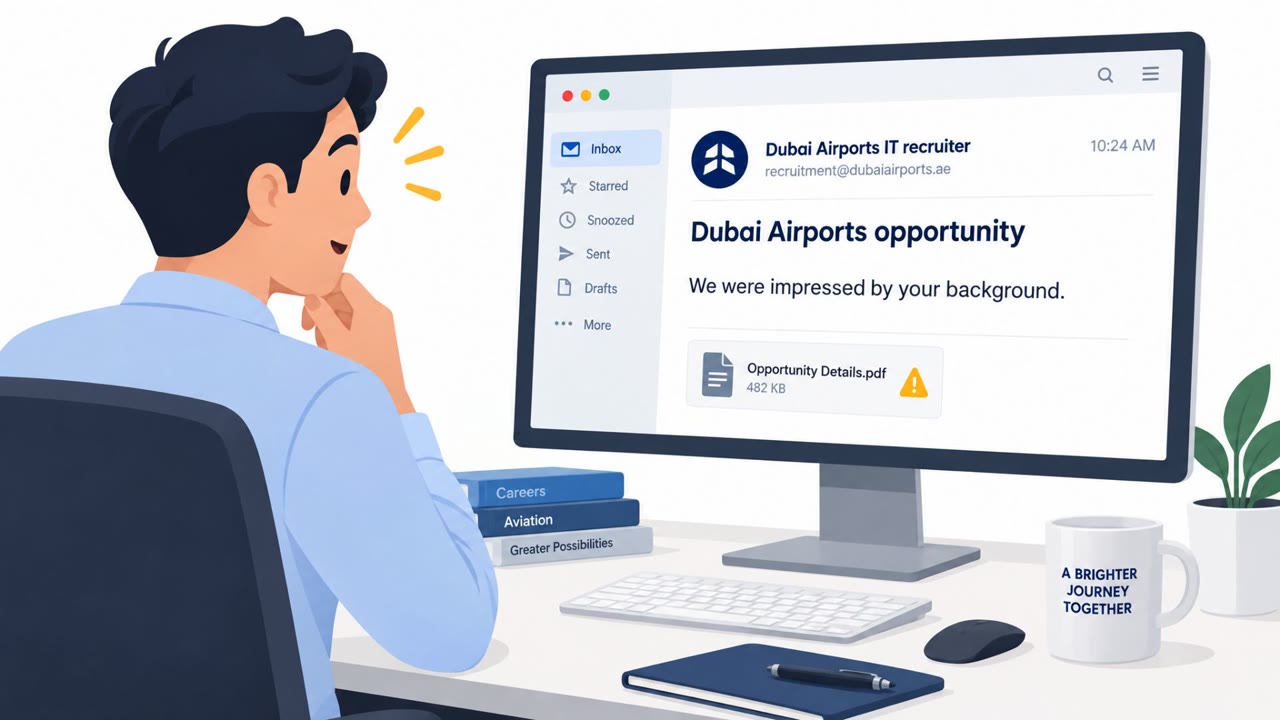
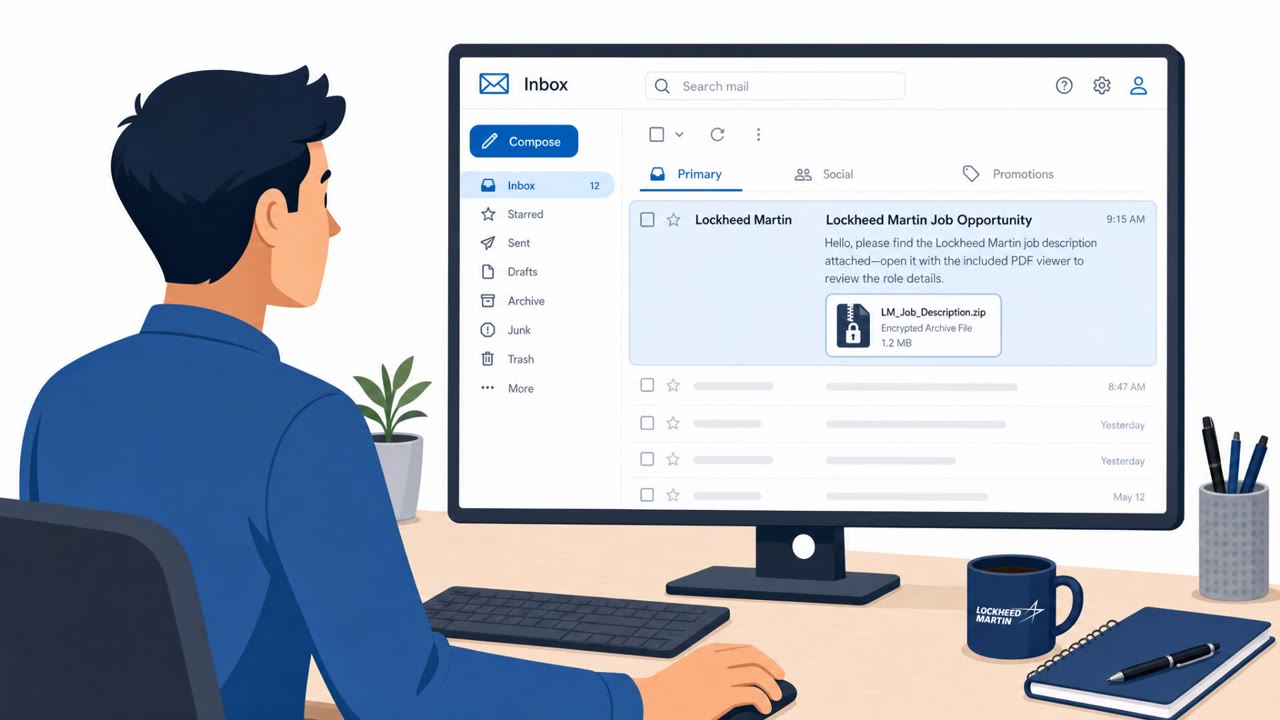
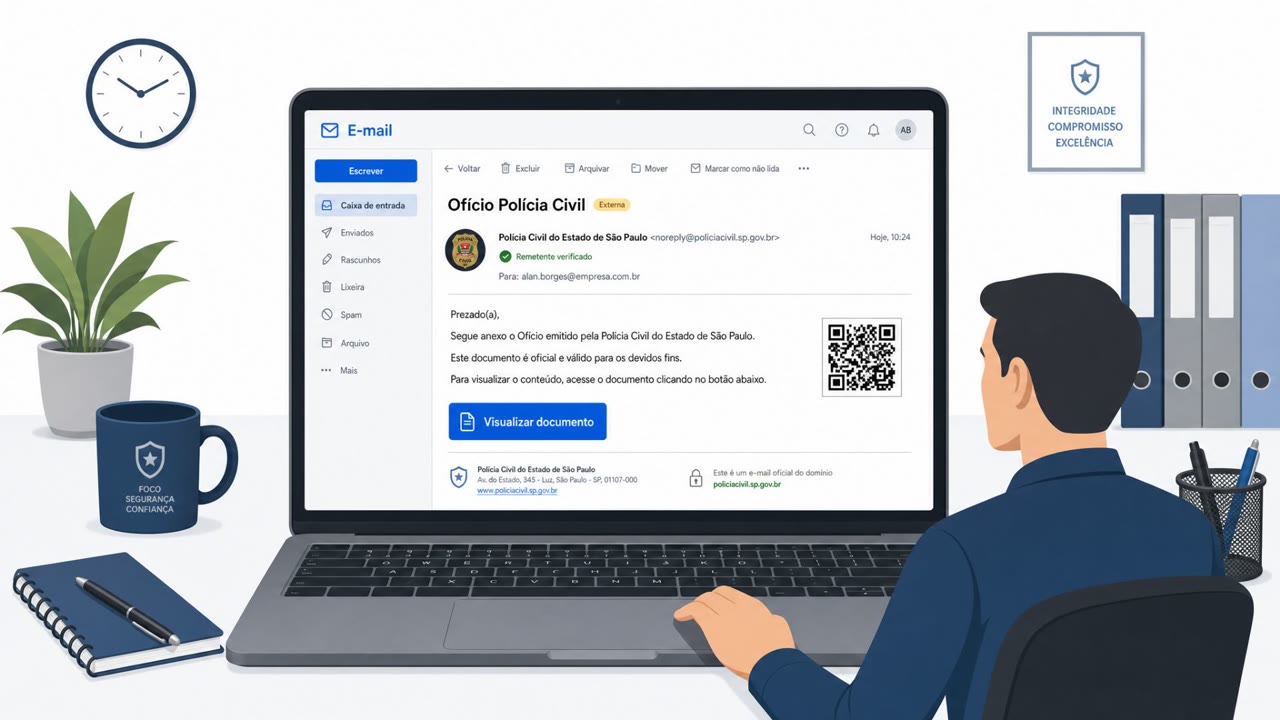
Pakistan-aligned hackers reportedly used convincing fake recruitment websites to lure Indian defense workers and military personnel into downloading spyware. The sites borrowed trusted defense-company branding and claimed their Google Play app was still under review, steering visitors to download an app directly instead.
Key findings
- The Pakistani-aligned group SpaceCobra, also known as Cosmic Leopard, was observed targeting Indian job seekers, defense contractors, and military personnel over the past 12 months.
- Attackers created detailed fake recruitment sites designed to persuade visitors to download GravityRAT spyware.
- The sites displayed logos of well-known defense companies to appear legitimate.
- At least one lure presented a Google Play download option, then claimed the app was under review and redirected victims to a direct download.
- GravityRAT can collect contacts, call logs, text messages, WhatsApp messages, and other data from infected devices.
Who’s being targeted
- Commonly targeted roles: Defense contractors, Military personnel, Defense-sector job seekers, Recruiting and HR teams, Employees who use work or personal mobile devices for job applications.
- Affected industries: Government and Defense, Defense Contractors, Military, Aerospace and Defense Manufacturing.
- Attack channels: website.
- Impersonated: A defense-industry recruiter using the branding of established defense firms..
Awareness takeaways
- Do not install a job, recruiting, or corporate app from a website merely because it claims its official app-store listing is pending. Verify the employer and app through independently obtained contact details or the official company website.
- Treat familiar customer logos on a recruitment website as marketing claims, not proof that the recruiter is legitimate.
- Defense personnel and contractors should be especially careful with unsolicited or unfamiliar job opportunities, because recruitment-themed lures can be used to gain access to sensitive personal and work-related data.
Red flags to watch for
- A job site asks applicants to install an app directly from its website.
- A claimed Google Play app is unavailable and users are redirected to an unverified download.
- Familiar defense-company logos are presented as proof of legitimacy without independent verification.
Read the video transcript
A defense job site looks convincing. Then it asks you to install an app. SpaceCobra’s fake recruiter sites displayed logos like Airbus and BAE Systems. Click Google Play, and a popup says: ‘Our app is under review, download it from here.’ That switch is the trap. The direct download can install GravityRAT spyware, which can read contacts, texts, call logs, and WhatsApp messages. Logos don’t verify a recruiter. Before installing any recruitment app, verify it through the employer’s official website, not the recruiter’s link.