Fake Google Ads Fueled Cloud Account Takeovers

The Hacker News · High sophistication
Last updated October 22, 2026

Alongside the Railway credential-exposure incident, the article describes a real phishing campaign that used sponsored Google Search ads to send people looking for Google Cloud services to a fake Google login page. The attackers stole account credentials and MFA codes, then used overly broad cloud permissions to attach attacker-controlled projects to victims' billing accounts and consume AI resources at the victims' expense.

Key findings

  • Railway reported that an unauthorized party may have accessed encrypted customer environment variables and, in some cases, their decrypted contents.
  • The article describes a separate real campaign in which sponsored Google Search ads redirected cloud users to a fake Google login page that harvested passwords and MFA codes.
  • After obtaining cloud access, the attackers reportedly abused excessive account privileges and connected attacker-controlled GCP projects to a victim's billing account.
  • Railway urged customers to rotate environment variables, API keys, and private registry credentials, and to review service logs for unusual activity.

Who’s being targeted

  • Commonly targeted roles: Cloud administrators, Developers, DevOps engineers, IT administrators, Security teams, Finance and cloud-billing administrators, Employees who use Google Cloud.
  • Affected industries: Cloud service providers, Technology and software companies, Organizations using Google Cloud Platform, Artificial intelligence service providers, Cryptocurrency holders.
  • Attack channels: website.
  • Impersonated: Google Cloud.

Awareness takeaways

  • Do not trust sponsored search results for cloud sign-in pages; use a saved bookmark or type the known official address yourself.
  • Treat unexpected MFA prompts or requests for MFA codes as possible phishing, especially after reaching a login page through an advertisement or redirect.
  • Limit cloud-account permissions and closely control who can add external accounts or projects to billing accounts.
  • If secrets were stored in an affected cloud platform, rotate API keys and credentials promptly and check logs for unusual activity.

Red flags to watch for

  • The user arrived through a sponsored search advertisement rather than a known bookmark or the official portal.
  • The destination is a fake Google login page reached through a Google Sites redirect.
  • The page asks for account credentials and an MFA code after a search-driven redirect.
Try Mirage

Mirage safely runs attacks like this one against your own team, so you find out what happens before a real adversary does.

Get a demo
Read the video transcript

Searching for Google Cloud? The first result could be a trap. That sponsored ad sends you through Google Sites to a lookalike Google login. Enter your password and MFA code, and both are stolen. The giveaway? Your cloud login began with an ad, not your usual portal. With access, they can attach outside projects to your billing account and run up AI charges. Need Google Cloud? Skip the ad. Open your saved Google Cloud bookmark to sign in.

Similar attacks

Phished npm Maintainer Led to Debug/Chalk Hijack

Phished npm Maintainer Led to Debug/Chalk Hijack

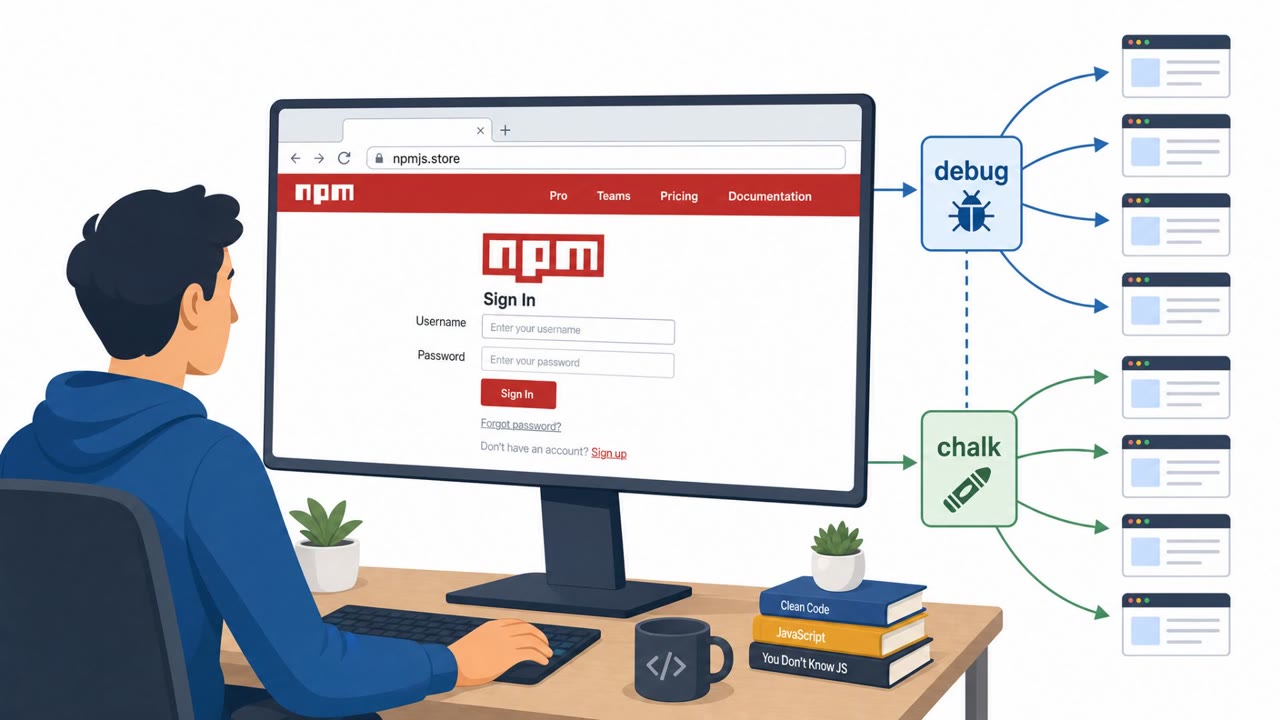
Amazon says North Korea-linked actors compromised widely used npm packages (including debug and chalk) by tricking a trusted maintainer into signing in through a lookalike npm domain. After gaining that trusted access, the attackers published malicious updates that altered crypto wallet…

July 30, 2026
Fake GitHub Lure Tricks macOS Users Into Stealer

Fake GitHub Lure Tricks macOS Users Into Stealer

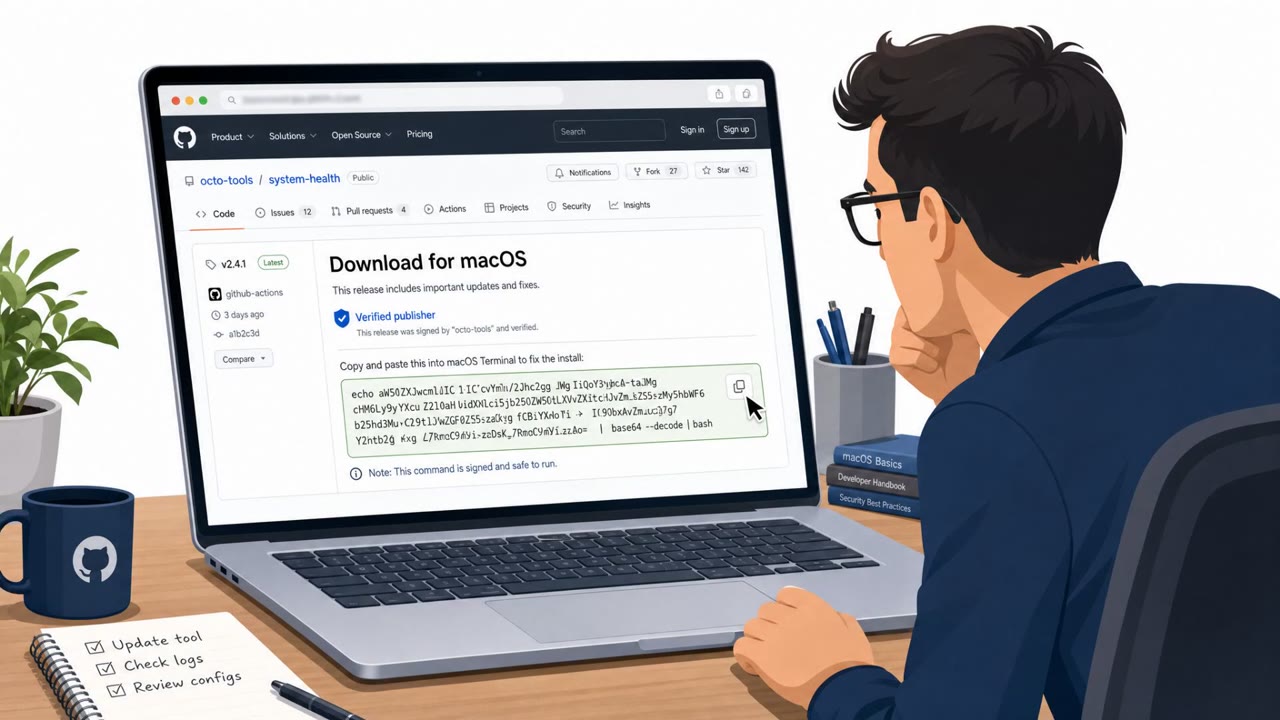
Researchers described AmnesiaStealer, a macOS info-stealer spread through a counterfeit “Download for macOS” page that tricks users into pasting a command into Terminal. The malware steals passwords and browser session data, and can even give an attacker live, hidden control of the victim’s browser…

August 17, 2026
Fake Amazon Music Deal Steals Creator Logins

Fake Amazon Music Deal Steals Creator Logins

A phishing campaign targets YouTube creators with a fake, invite-only Amazon Music advertising deal. The fraudulent site uses each creator’s real public channel statistics to appear legitimate, then places a fake Google sign-in screen over the page to capture Google passwords and multi-factor…

October 21, 2026
GhostAction Phishes Developers With Fake GitHub Alert

GhostAction Phishes Developers With Fake GitHub Alert

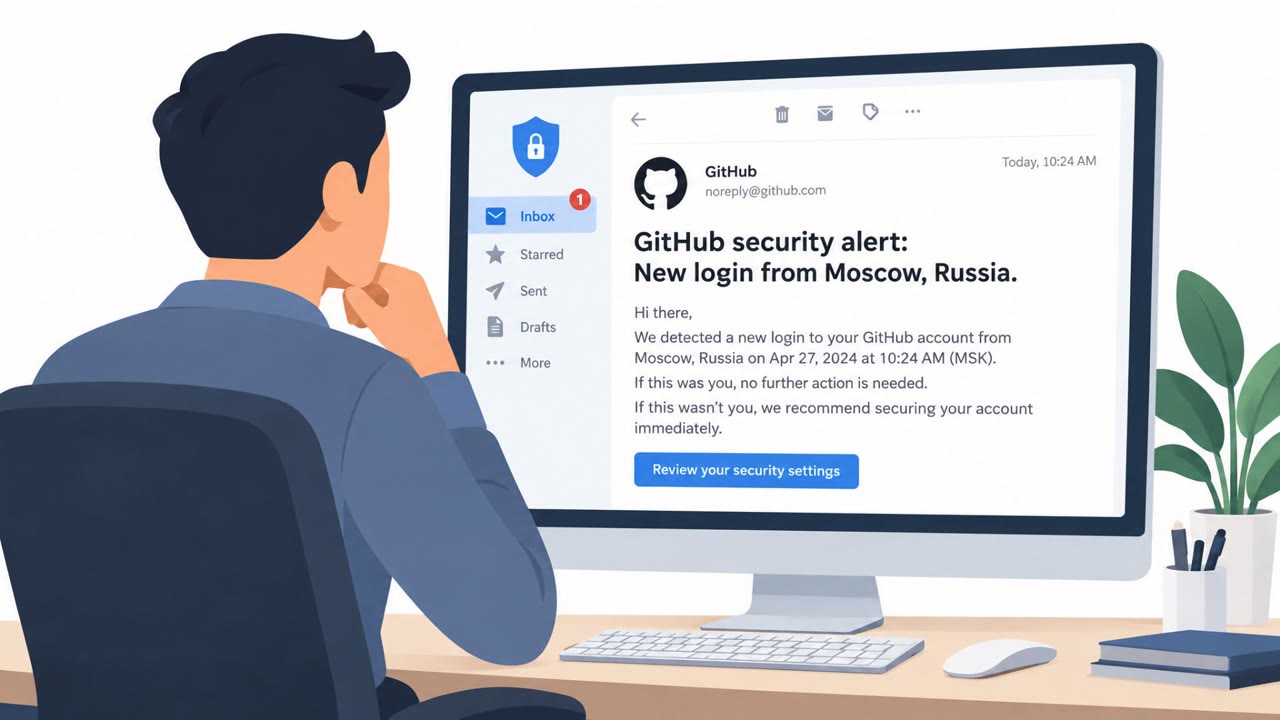
GhostAction attackers sent a fake GitHub security alert to an open-source maintainer, claiming a login from Moscow and directing the victim to secure their account. The fake site stole the victim’s password and two-factor code, then silently approved a powerful GitHub OAuth connection that let the…

October 19, 2026
Fake Claude Payments and Updates Target Users

Fake Claude Payments and Updates Target Users

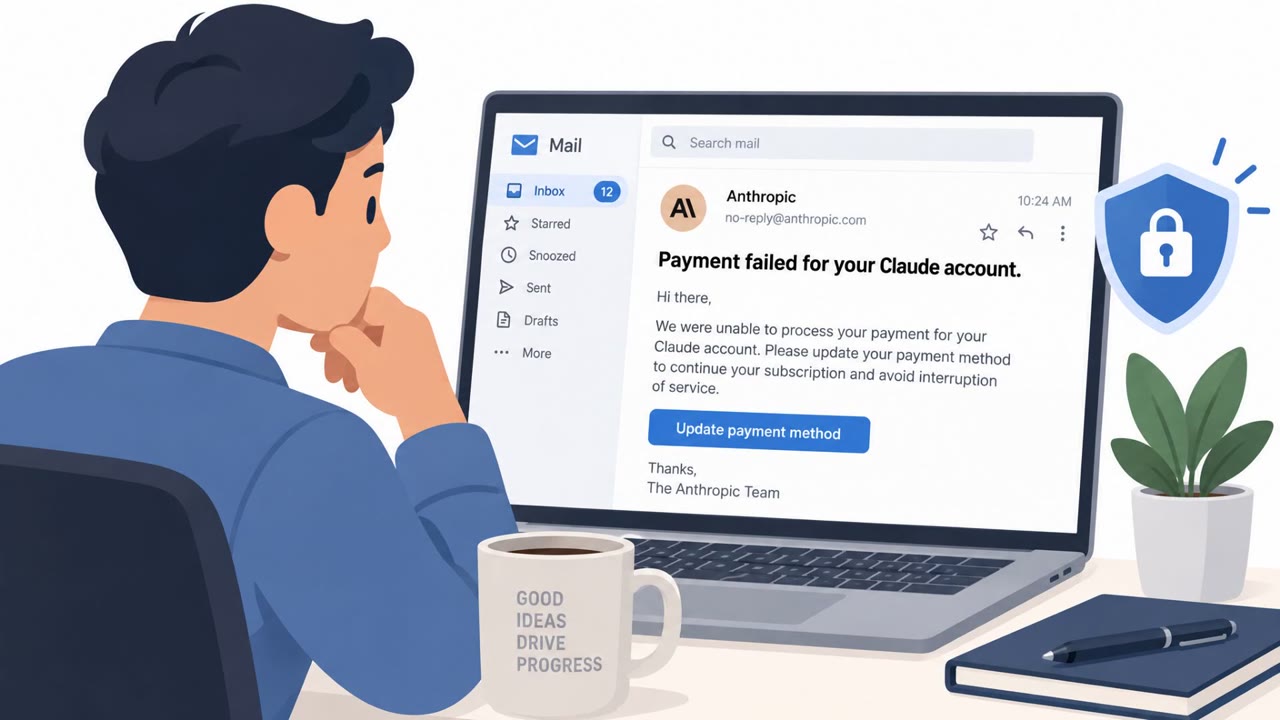
Cybercriminals impersonated well-known technology brands including Claude, Google, Apple, and Docusign to steal credentials, payment details, or gain access to devices. The lures used urgent payment failures, software-update prompts, and promised device-performance improvements to persuade people…

October 19, 2026
Microsoft Disrupts 3 Massive Phishing Platforms

Microsoft Disrupts 3 Massive Phishing Platforms

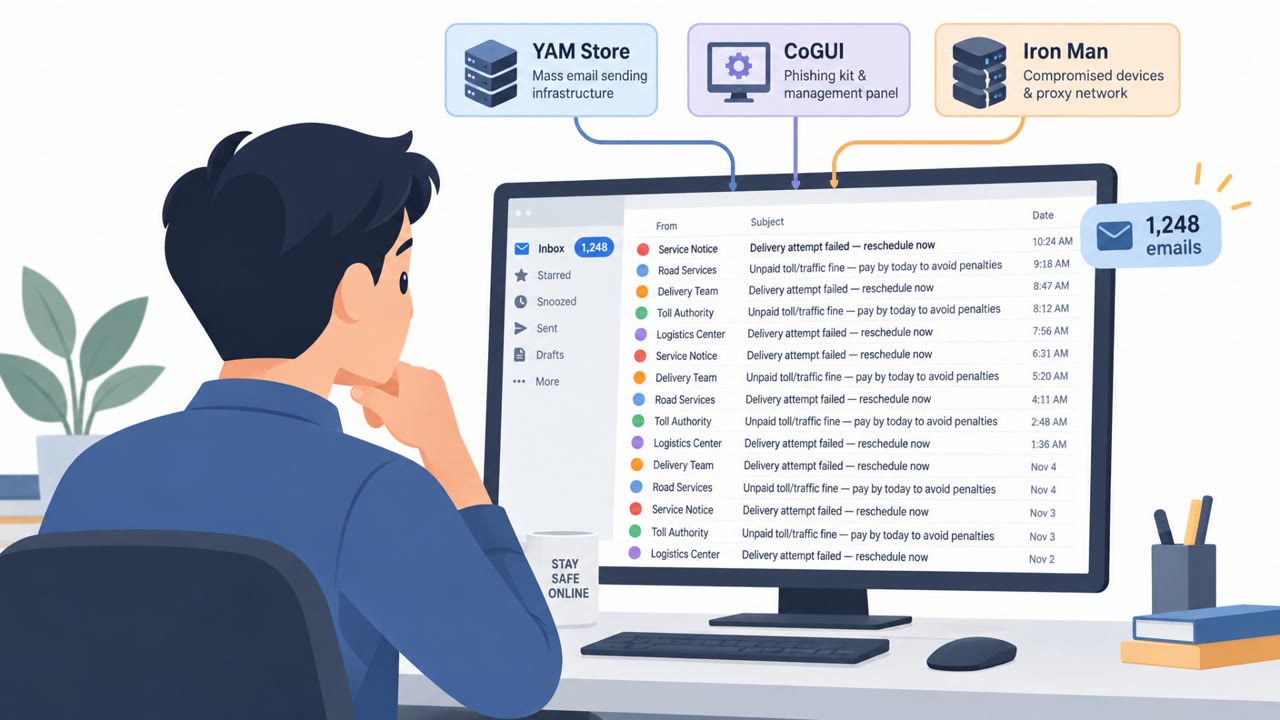
Microsoft says it used a U.S. court order to seize and redirect domains tied to three Chinese-run phishing platforms that helped send hundreds of millions of scam messages worldwide. The platforms provided ready-made fake pages and messages impersonating trusted organizations, mainly to steal…

October 14, 2026