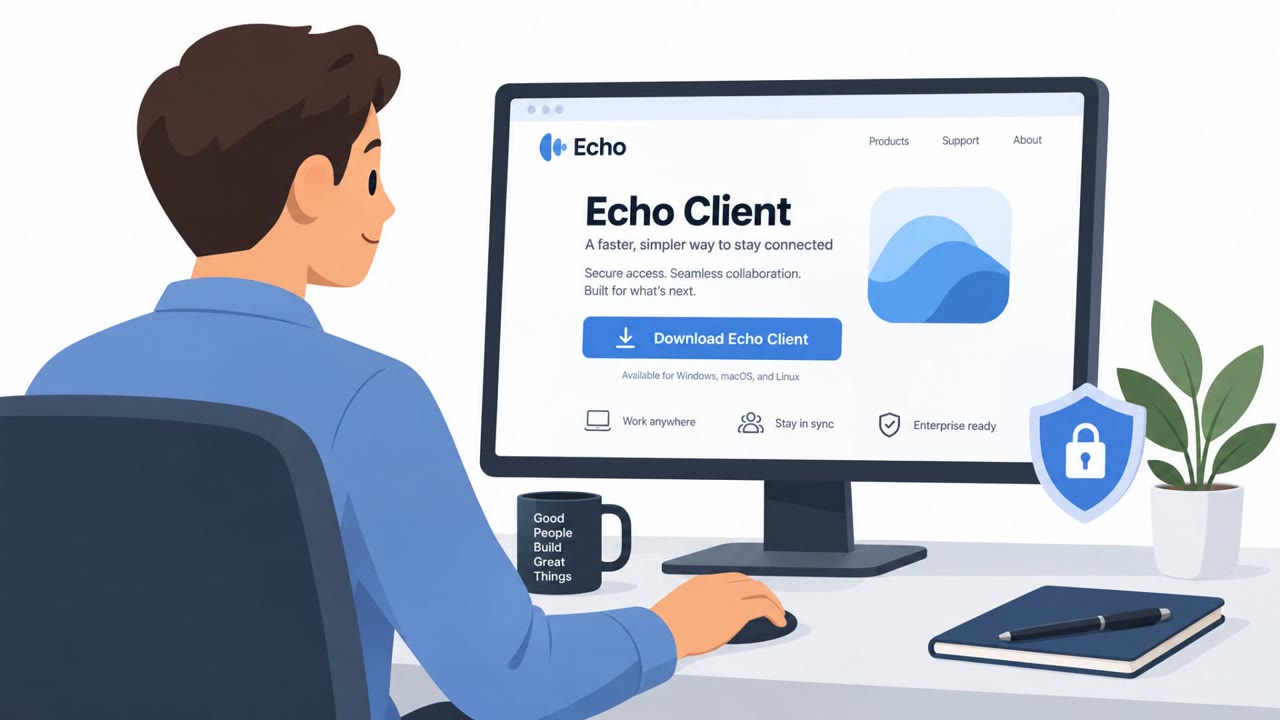
Fake Installers Turn PCs Into Profit Machines

CSO Online · Medium sophistication
Last updated November 4, 2026

Microsoft observed a real campaign using fake download pages and trojanized installers promoted as cracked software, games, plugins, and utilities. Victims who run the downloads can unknowingly install proxy software, distributed-computing tools, and adware-style monetization components that consume company bandwidth and computing power.

Key findings

  • The campaign uses fake download pages and Inno Setup-style installers that deliver several payloads in one installation session.
  • Lures include cracked commercial software, free games, activators, plugins, and unofficial utilities, including products presented as Navicat Premium and FabFilter audio plugins.
  • One payload branch installs WorldProxyPool proxyware, allowing third-party internet traffic to pass through the victim's device.
  • Other branches install CharityEngine, BOINC, and VirtualBox for distributed computing, or utility-style software associated with advertising and affiliate monetization.
  • Microsoft identified suspicious temporary installer files, outbound HTTP parameters including "d=inno" and "r=offer_execution", and unexpected scheduled tasks or installations as investigation indicators.

Who’s being targeted

  • Commonly targeted roles: All employees using Windows devices, Creative and media teams, Developers and technical staff, IT support, Desktop administrators, Security operations teams.
  • Affected industries: All industries using Windows devices, Organizations with employees permitted to install unapproved software.
  • Attack channels: website.
  • Impersonated: A software download site offering Navicat Premium or FabFilter audio plugins, An unofficial software distributor.

Awareness takeaways

  • Only download software from approved vendor or organization-managed sources; never use cracked software, key generators, activators, or unofficial installers on work devices.
  • Treat an installer that adds unrelated programs or makes unexpected offers as suspicious, and stop the installation rather than clicking through.
  • Report unexpected software installations or unexplained performance and bandwidth problems, especially if proxyware or distributed-computing tools appear.
  • Security teams should investigate installers launched from temporary directories and correlate them with suspicious outbound requests or new scheduled tasks.

Red flags to watch for

  • The software is advertised as cracked, activated, or unofficial.
  • The download is from an untrusted source rather than the vendor's official site.
  • The installer offers or installs multiple unrelated applications.
  • The offer involves a key generator, activator, or cracked application.
  • Unexpected software such as WorldProxyPool, CharityEngine, BOINC, or VirtualBox appears after installation.
  • The device shows unexplained bandwidth or CPU use after an unofficial download.
Try Mirage

Mirage safely runs attacks like this one against your own team, so you find out what happens before a real adversary does.

Get a demo
Read the video transcript

Free Navicat Premium for your work PC? That download has a price. Fake pages also offer FabFilter plugins and free games. Run their Inno Setup-style installer, and it can install several unrelated programs in one session. Here's the catch: WorldProxyPool can route strangers' internet traffic through your PC. CharityEngine or BOINC can use its computing power. That 'free' download spends company resources. Before you download Navicat or a plugin, use your company's approved software source, not a cracked-download page.

MITRE ATT&CK techniques

T1036 - MasqueradingT1204.002 - User Execution: Malicious File · User ExecutionT1053.005 - Scheduled Task/Job: Scheduled Task · Scheduled Task/JobT1656 - Impersonation

Categories

Similar attacks

Fake Downloads Bundle Proxyware and Compute Tools

Fake Downloads Bundle Proxyware and Compute Tools

Microsoft identified a real campaign that tricks people into downloading cracked software, free games, activators, and unofficial utilities. The fake installers silently add multiple unwanted programs that can use the victim’s internet connection, computing power, or device for advertising-related…

November 3, 2026
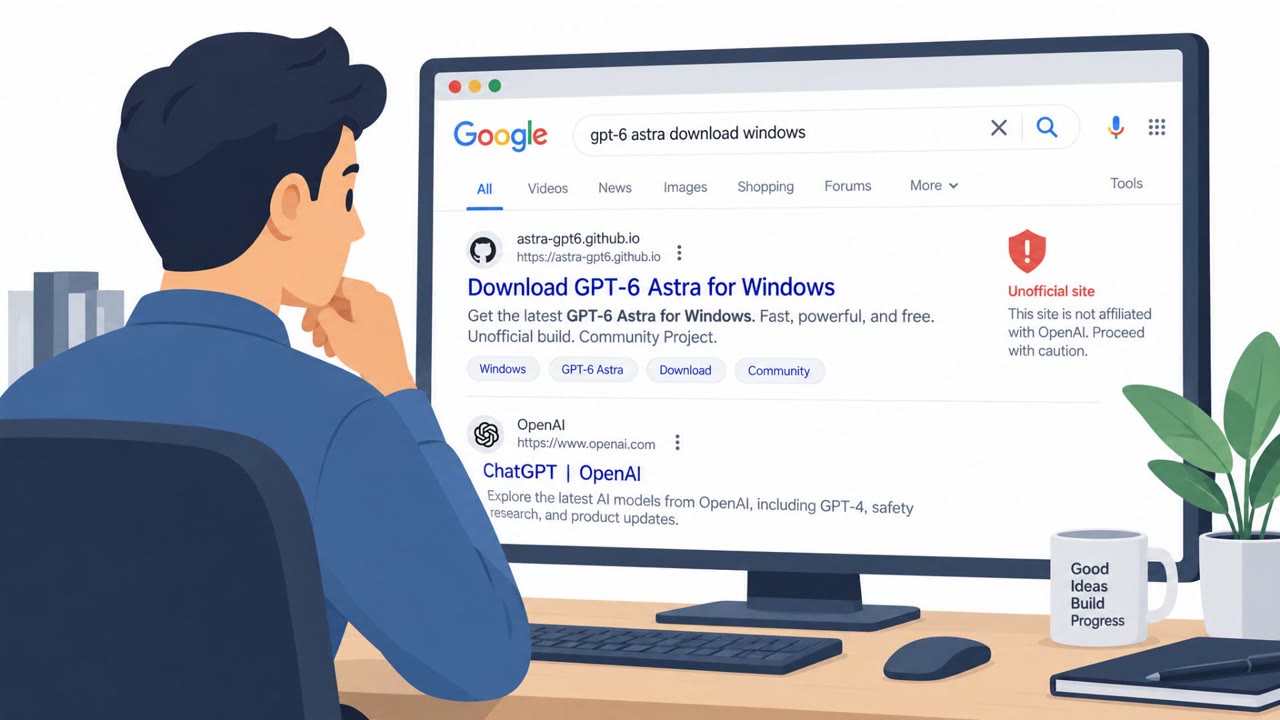
Fake ChatGPT Downloads Hide Yoba Malware

Fake ChatGPT Downloads Hide Yoba Malware

Attackers used GitHub and search results to promote counterfeit ChatGPT and Claude desktop downloads. The ZIP files bundled real signed OpenAI or Anthropic executables with malicious files, tricking Windows users into launching malware that can persist on the device and install a cryptocurrency…

October 29, 2026
Fake AI Apps Hide Yoba Crypto Miner

Fake AI Apps Hide Yoba Crypto Miner

A real campaign called Yoba used fake GitHub projects for supposed ChatGPT and Claude desktop applications to lure people into downloading malicious ZIP installers. The installers included legitimate signed OpenAI or Anthropic programs alongside malicious files, ultimately installing a…

October 30, 2026
Amatera Uses Fake AI Tools to Steal Data

Amatera Uses Fake AI Tools to Steal Data

Amatera is a subscription-based information stealer that affiliates distribute through fake AI-tool download pages, compromised websites, paid search ads, phishing, and deceptive ClickFix prompts. The scams convince people to copy and run a command to supposedly fix a CAPTCHA, browser error, or…

October 30, 2026
Rogue AI Relays Reroute Enterprise Prompts

Rogue AI Relays Reroute Enterprise Prompts

A gray-market service persuaded employees to install genuine OpenAI Codex and Anthropic Claude Code tools, then run a follow-up setup command that redirected the tools through relay servers it controlled. The configuration changes could expose every prompt, file, and login token sent through the…

October 30, 2026
Salary Reviews and POs Fuel Phishing

Salary Reviews and POs Fuel Phishing

Microsoft observed real Q3 2026 phishing campaigns that used familiar workplace requests to steal credentials or deliver malware. One campaign targeted legal organizations with personalized salary-review documents containing QR codes, while another used purchase-order and payroll lures in disguised…

November 5, 2026