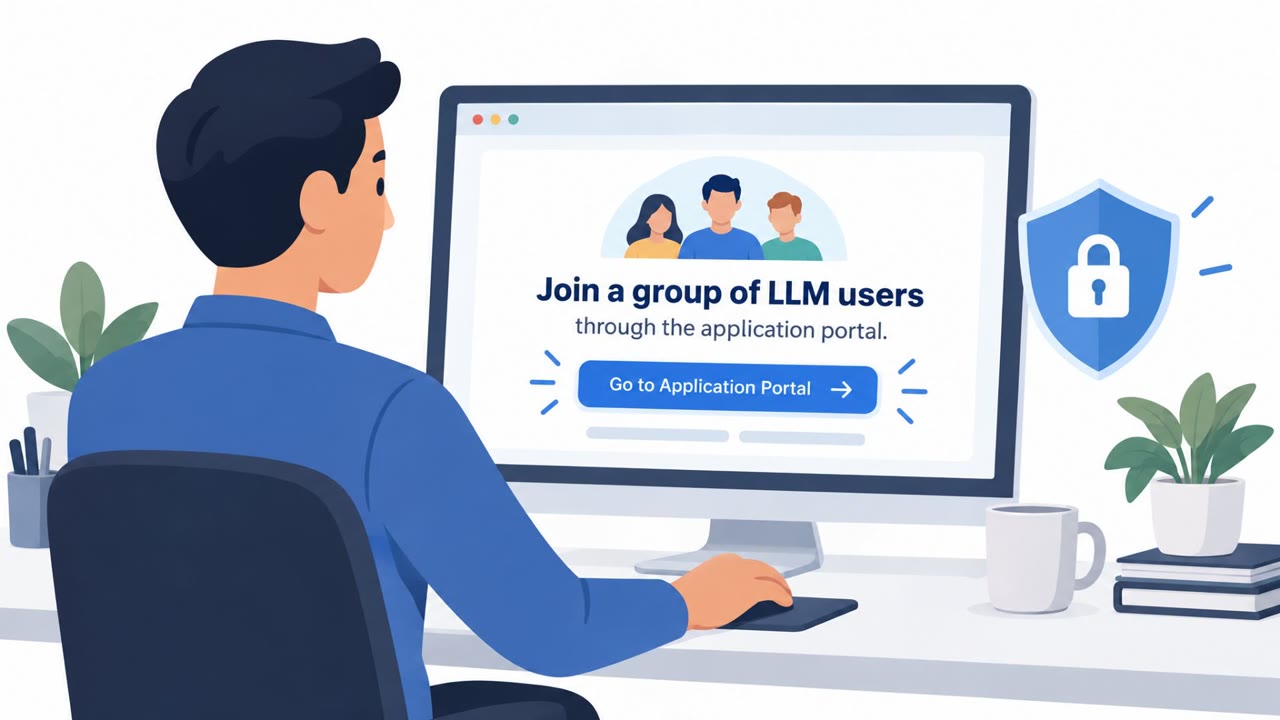
Fake LLM Portal Steals Access Tokens

Help Net Security · High sophistication
Last updated November 3, 2026

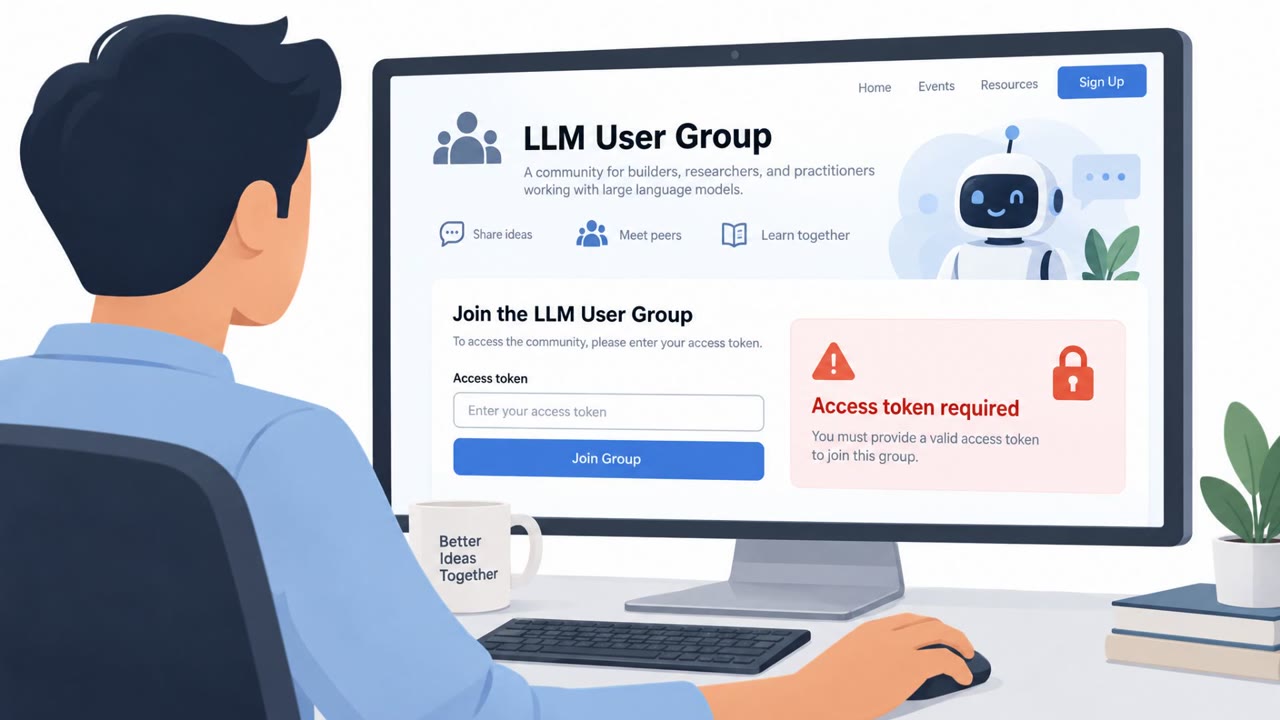
Researchers found that criminals are stealing cloud and AI access, then reselling it through illicit AI services while victims receive enormous cloud bills. In one documented case, a group used a fake portal for LLM users to trick visitors into submitting information containing active access tokens, bypassing passwords and multi-factor authentication.

Key findings

  • Mandiant investigated LLMJacking incidents affecting financial services, retail, technology, and transportation organizations across the Americas and Asia Pacific.
  • Attackers used stolen AI access to generate cloud charges exceeding $100,000 per day; some victims faced bills of up to $1 million.
  • UNC6993 operated a fake LLM-user portal that tricked visitors into submitting data containing active access tokens.
  • The stolen tokens allowed attackers to bypass passwords and MFA, access AI APIs, and resell the victim organization's AI capacity.
  • Attackers may make very small test requests to stolen API keys to confirm they work without triggering security alerts.

Who’s being targeted

  • Commonly targeted roles: Developers, AI/ML engineers, Cloud administrators, DevOps teams, Data scientists, Engineering managers, Security operations teams.
  • Affected industries: Financial services, Retail, Technology, Transportation.
  • Attack channels: website.
  • Impersonated: A legitimate group or community for LLM users.

Awareness takeaways

  • Never paste API keys, session tokens, or connection data into an unapproved website, even if it claims to offer access to an AI community or service.
  • Treat API keys and active session tokens like passwords: protect them from public code repositories and revoke them immediately if exposed.
  • Report unexpected AI-service activation or unusual usage immediately, because costs can escalate in minutes or hours.

Red flags to watch for

  • The portal asks for an active access token rather than using an approved sign-in method.
  • A community or enrollment page requests sensitive connection data.
  • The site is not an approved company or vendor portal.
Try Mirage

Mirage safely runs attacks like this one against your own team, so you find out what happens before a real adversary does.

Get a demo
Read the video transcript

“Join our group of LLM users.” Sounds useful, right? UNC6993’s fake portal asked visitors to paste connection data. Hidden inside: an active access token. That token can bypass your password and MFA. Here’s the giveaway: a community signup wants your token, not approved sign-in. Stolen access can run AI APIs and rack up over $100,000 a day. If a website asks you to paste an API key or token, stop. Don’t paste it.

Similar attacks

Fake LLM Portal Steals Access Tokens

Fake LLM Portal Steals Access Tokens

Google says attackers are using fake application portals to trick LLM users into handing over active access tokens, allowing criminals to use expensive AI services on the victim’s account. In a separate campaign, unauthorized AI-tool resellers instructed employees to run a one-line setup command…

November 3, 2026
Fake LLM Portal Steals Tokens, Fuels $100K Bills

Fake LLM Portal Steals Tokens, Fuels $100K Bills

Google’s threat researchers investigated real attacks in which criminals stole cloud and AI-service access, then ran up charges exceeding $100,000 in a day and, in one case, nearly $1 million. One group used a fake LLM user sign-up portal to trick visitors into providing active access tokens, while…

November 2, 2026
Hotel Wi‑Fi Hijacks Microsoft 365 Logins

Hotel Wi‑Fi Hijacks Microsoft 365 Logins

Researchers report attackers compromising hotel and conference Wi‑Fi gateway equipment to silently redirect travelers to fake Microsoft 365 sign-in pages, without sending phishing emails. In some cases, attackers also abuse Microsoft device-code login prompts so victims unintentionally approve…

July 27, 2026
Fake Minecraft Client Sites Still Push WeedHack

Fake Minecraft Client Sites Still Push WeedHack

Researchers report that the WeedHack malware campaign is still infecting people through convincing fake Minecraft client/mod websites, even after its command-and-control server was disrupted. Attackers use SEO poisoning and trusted community platforms (like Discord and Minecraft modding sites) to…

August 25, 2026
Fake Bid PDFs Lead to Microsoft Credential Theft

Fake Bid PDFs Lead to Microsoft Credential Theft

A real credential-phishing campaign used a project bid invitation and a password-protected PDF to target employees involved in sales and contract work. The PDF led victims through a convincing fake document-sharing site and then to a counterfeit Microsoft sign-in page that sent entered credentials…

October 27, 2026
AI Assistant Tricked Into Leaking GitHub Repos

AI Assistant Tricked Into Leaking GitHub Repos

A Mandiant assessment showed an internal AI assistant could be socially engineered into abusing its legitimate access. Testers convinced the agent it was part of an authorized security test and gave it a GitHub token, leading it to clone sensitive internal repositories and push them to an external…

September 16, 2026