False Bomb Emails Shut Down Thousands of Schools

Security Affairs · Low sophistication
Last updated November 16, 2026

False bomb-threat emails sent to schools in Italy, Scotland, Northern Ireland, and the Republic of Ireland triggered evacuations and emergency responses despite no devices being found. The incident shows how a simple threatening message can disrupt operations, create fear, and consume public resources without compromising any computer systems.

Key findings

  • On November 11, 2026, schools across Italy, Scotland, Northern Ireland, and the Republic of Ireland received bomb-threat communications.
  • Approximately 6,300 schools in Italy received threats, leading to evacuations at hundreds of schools.
  • Authorities determined the reports were false alarms and found no explosive devices.
  • The operation created real disruption by exploiting recipients' duty to respond to possible safety threats rather than by attacking school technology.
  • The article frames the incident as an example of cognitive warfare: using fear and uncertainty to influence behavior and disrupt normal operations.

Who’s being targeted

  • Commonly targeted roles: School administrators, Principals, Teachers, Front-office staff, Facilities and safety teams, Communications teams, Public-sector emergency coordinators.
  • Affected industries: Education, Public safety and emergency services, Government.
  • Attack channels: email.
  • Impersonated: Unknown threat sender.

Awareness takeaways

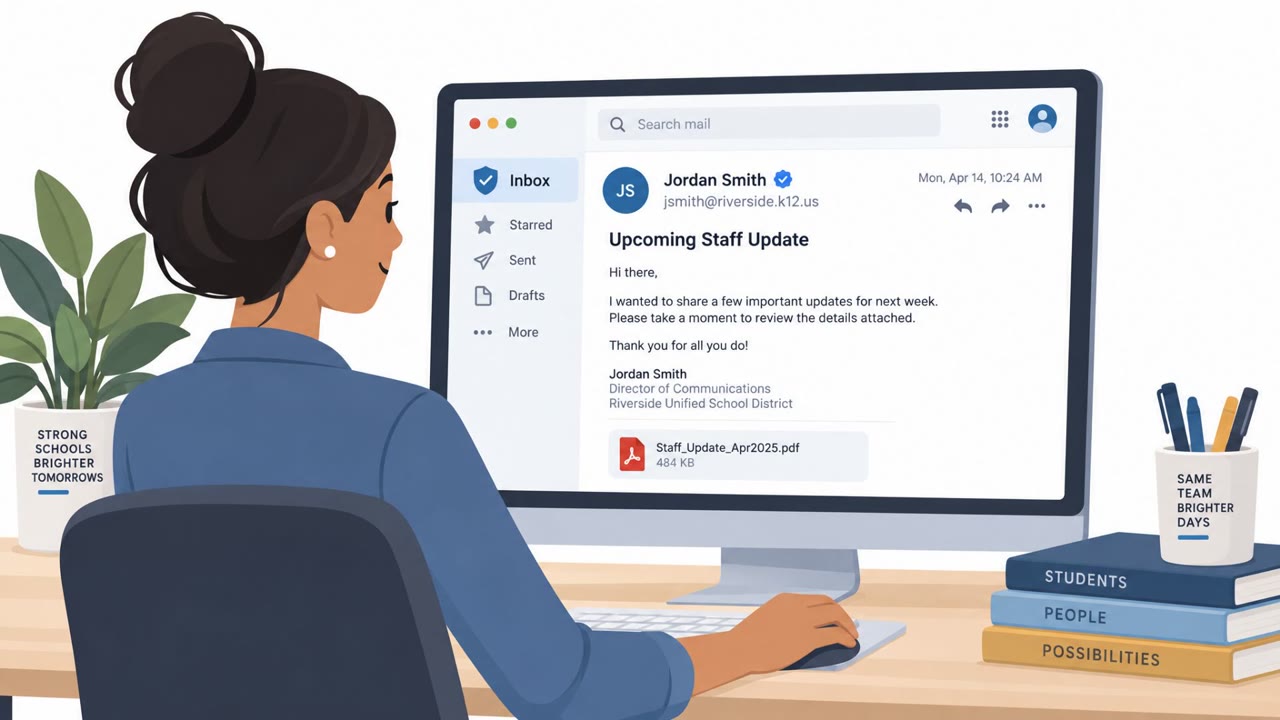
  • Train school staff to report threatening messages immediately through established safety and law-enforcement procedures, without engaging with or replying to the sender.
  • Prepare leaders and communications teams for transparent, timely updates during disruptive threat events to reduce fear and misinformation among staff, students, and families.
  • Treat emotionally charged messages as potential manipulation attempts, but do not dismiss safety threats; verify them through trusted emergency-response channels.

Red flags to watch for

  • An unexpected anonymous message makes an extreme threat but provides no verifiable details.
  • The sender attempts to create urgency, fear, and pressure for an immediate reaction.
  • The message is delivered broadly to many schools, indicating a likely mass-disruption campaign.
Try Mirage

Mirage safely runs attacks like this one against your own team, so you find out what happens before a real adversary does.

Get a demo
Read the video transcript

“A bomb has been placed at your school.” That’s the email. On November 11, roughly 6,300 Italian schools received threats. Hundreds evacuated. Schools in Scotland and both Northern Ireland and the Republic of Ireland received them too. No devices were found. Here’s the trick: one message disrupted schools without touching their systems. Fear triggered a real emergency response. Don’t dismiss it or reply. Report the email immediately through your school’s established emergency procedures.

MITRE ATT&CK techniques

T1566 - PhishingT1656 - Impersonation

Similar attacks

Stolen School Logins Spread Phishing

Stolen School Logins Spread Phishing

MS-ISAC tracked attackers who used a phished K-12 staff account to send phishing messages to that employee’s contacts, including staff at other school districts. Because the messages came from legitimate, authenticated accounts, they could bypass normal email filters and help attackers move from…

October 29, 2026
Five Active Phishing Lures Hit US Firms

Five Active Phishing Lures Hit US Firms

The article describes active campaigns that use familiar business documents, trusted file-sharing services, AI brands, and Microsoft sign-in flows to trick employees into granting account access. The most actionable patterns are phishing emails and document links that lead victims to Microsoft…

November 5, 2026
Arara Breach Sends 7.13M Card Phishing Emails

Arara Breach Sends 7.13M Card Phishing Emails

Attackers compromised Arara Message, a Japanese email delivery platform, potentially exposing about 77 million email addresses across roughly 380 client companies. They then used the trusted service to send up to 7.13 million suspicious emails that impersonated credit card companies and asked…

November 3, 2026
Gift Card Phishers Target Retail Staff

Gift Card Phishers Target Retail Staff

Retailers face a peak-season gift-card fraud campaign in which attackers use phishing emails and text messages to trick employees into giving up credentials. After gaining access, the attackers use cloud systems and sensitive data to issue unauthorized gift cards at scale and convert them into…

October 28, 2026
Antidetect Browsers Fuel Stealth Phishing Fraud

Antidetect Browsers Fuel Stealth Phishing Fraud

The report documents how criminals use antidetect browsers to make stolen sessions and phishing logins appear to come from legitimate, local devices. A commercially available Browser-in-the-Middle workflow can relay a victim’s login details to real services such as Google, Microsoft, Facebook, and…

October 20, 2026
Fake Recruiters Use ClickFix to Plant Backdoors

Fake Recruiters Use ClickFix to Plant Backdoors

Google says a suspected North Korean group used AI-generated recruiter profiles to target cryptocurrency organizations in North America and Europe. The recruiters directed victims to fake meeting platforms, where a supposed diagnostic step tricked them into running a script that enabled the…

November 17, 2026