Fake Recruiters Use ClickFix to Plant Backdoors

Help Net Security · High sophistication
Last updated November 17, 2026

Google says a suspected North Korean group used AI-generated recruiter profiles to target cryptocurrency organizations in North America and Europe. The recruiters directed victims to fake meeting platforms, where a supposed diagnostic step tricked them into running a script that enabled the attackers to install a backdoor and access internal code repositories.

Key findings

  • A suspected North Korean cluster, MIDNIGHT NEPTUNE, targeted cryptocurrency organizations in North America and Europe.
  • Attackers used fraudulent recruiter profiles with AI-generated photos to appear legitimate.
  • The fake recruiters sent targets to bogus meeting platforms that used ClickFix-style diagnostic prompts to persuade users to run scripts.
  • After gaining access, the attackers altered Claude Code settings so launching the tool downloaded the SOMBERMEME backdoor.
  • The group attempted to blend into development environments by naming GitHub Personal Access Tokens after Microsoft Copilot.

Who’s being targeted

  • Commonly targeted roles: Software developers, Engineering leaders, Cryptocurrency and financial-services employees, Recruiting and HR teams, Job candidates, IT and security teams.
  • Affected industries: Cryptocurrency, Financial services, Technology, Media, Entertainment, Education.
  • Attack channels: linkedin, website.
  • Impersonated: Recruiter for a job opportunity.

Awareness takeaways

  • Treat unexpected recruiter outreach and invitations to unfamiliar meeting platforms as suspicious, especially when the contact cannot be verified through a known company channel.
  • Never run a command, script, or downloaded diagnostic tool to join a meeting or fix an access issue; contact internal IT or the recruiter through independently verified contact details instead.

Red flags to watch for

  • The recruiter profile uses a newly created or difficult-to-verify identity.
  • The meeting is hosted on an unfamiliar platform rather than a known corporate service.
  • A recruiter or meeting site asks the user to run a diagnostic script before joining a call.
Try Mirage

Mirage safely runs attacks like this one against your own team, so you find out what happens before a real adversary does.

Get a demo
Read the video transcript

A LinkedIn recruiter offers a crypto job, and sends a meeting link. The profile photo may be AI-generated. The link opens an unfamiliar meeting site. It claims access is broken and offers a ‘diagnostic’ script. That’s ClickFix: the fix is the trap. Google tracked this as MIDNIGHT NEPTUNE. After someone ran the script, the group changed .claude/settings.json so launching Claude Code downloaded the SOMBERMEME backdoor. Even GitHub tokens were named after Microsoft Copilot. A meeting should never require a script. If one does, don’t run it, contact IT.

MITRE ATT&CK techniques

T1656 - ImpersonationT1566.002 - Phishing: Spearphishing Link · PhishingT1204.002 - User Execution: Malicious File · User ExecutionT1059 - Command and Scripting Interpreter

Similar attacks

Five Active Phishing Lures Hit US Firms

Five Active Phishing Lures Hit US Firms

The article describes active campaigns that use familiar business documents, trusted file-sharing services, AI brands, and Microsoft sign-in flows to trick employees into granting account access. The most actionable patterns are phishing emails and document links that lead victims to Microsoft…

November 5, 2026
Salary Reviews and POs Fuel Phishing

Salary Reviews and POs Fuel Phishing

Microsoft observed real Q3 2026 phishing campaigns that used familiar workplace requests to steal credentials or deliver malware. One campaign targeted legal organizations with personalized salary-review documents containing QR codes, while another used purchase-order and payroll lures in disguised…

November 5, 2026
Amatera Uses Fake AI Tools to Steal Data

Amatera Uses Fake AI Tools to Steal Data

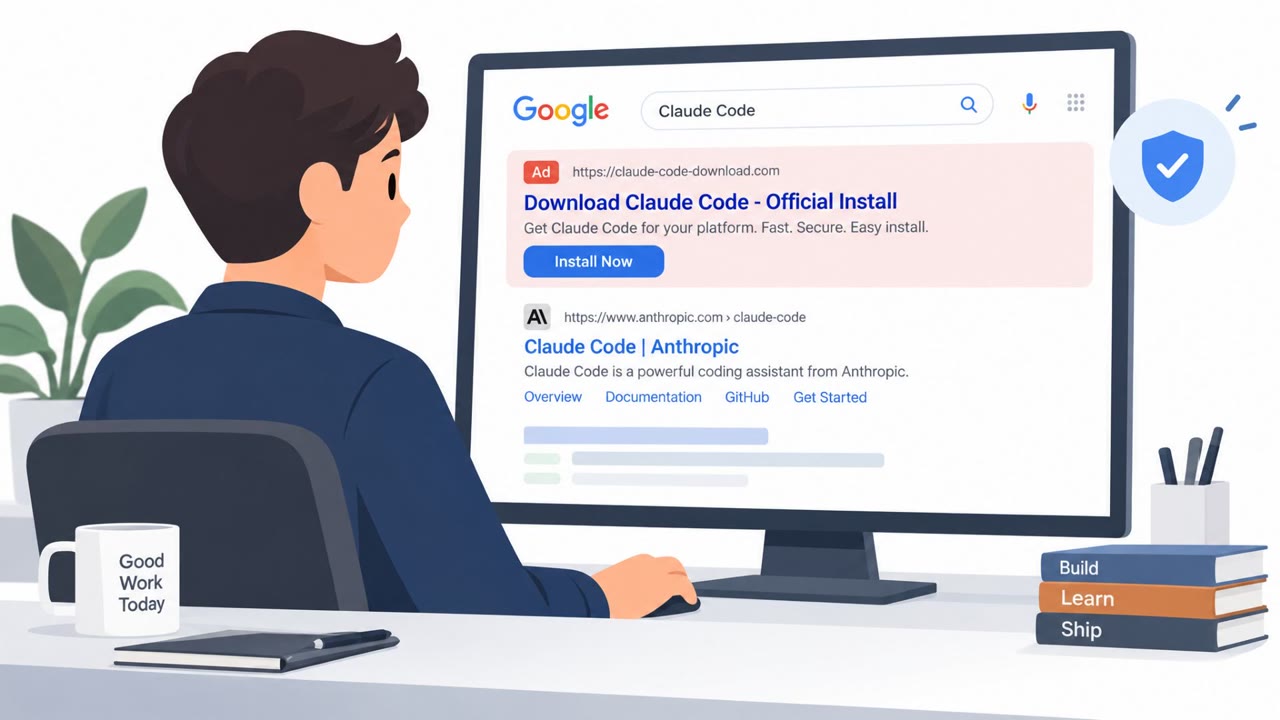
Amatera is a subscription-based information stealer that affiliates distribute through fake AI-tool download pages, compromised websites, paid search ads, phishing, and deceptive ClickFix prompts. The scams convince people to copy and run a command to supposedly fix a CAPTCHA, browser error, or…

October 30, 2026
Fake Interview Opened Door to Binance Heist

Fake Interview Opened Door to Binance Heist

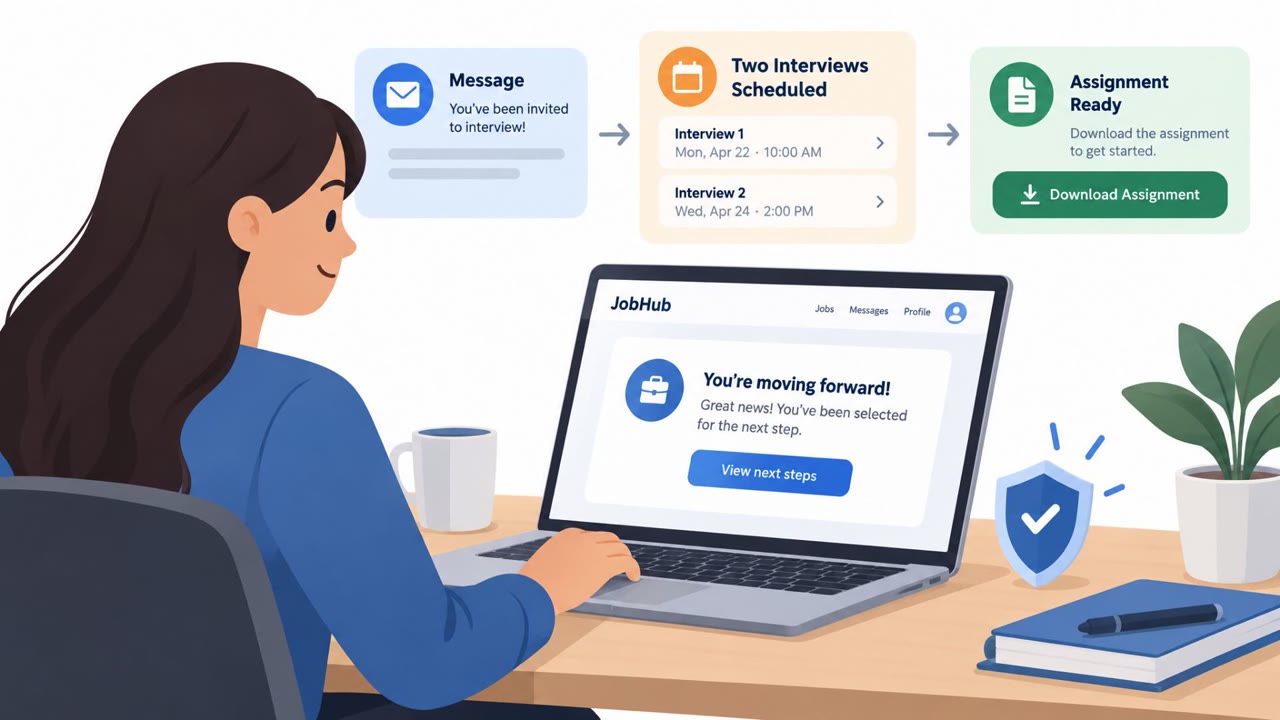
North Korean-linked attackers reportedly used a fake job opportunity, multiple interviews, and a malicious coding assignment to compromise a Binance engineer. The scheme built trust over weeks before asking the employee to download an interview file, giving attackers a foothold in the company’s…

November 3, 2026
Fake PS5 Emulator Repos Infect Gamers

Fake PS5 Emulator Repos Infect Gamers

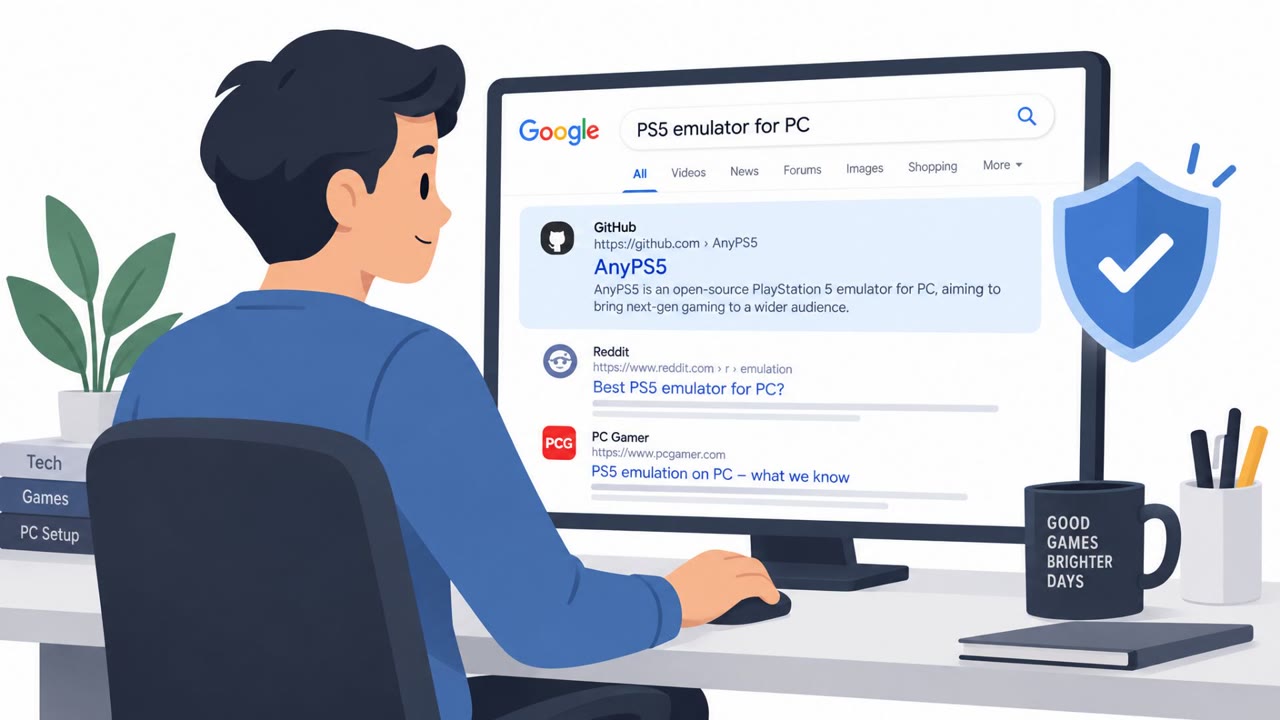
Attackers created fake GitHub repositories that copied the names of PS5 emulator projects, luring gamers searching for ways to play PS5 games on a PC. The ZIP downloads did not contain working emulators; they launched malware that evaded analysis, attempted to weaken Microsoft Defender protections,…

October 30, 2026
Fake Google Update Targets AI-Editor Users

Fake Google Update Targets AI-Editor Users

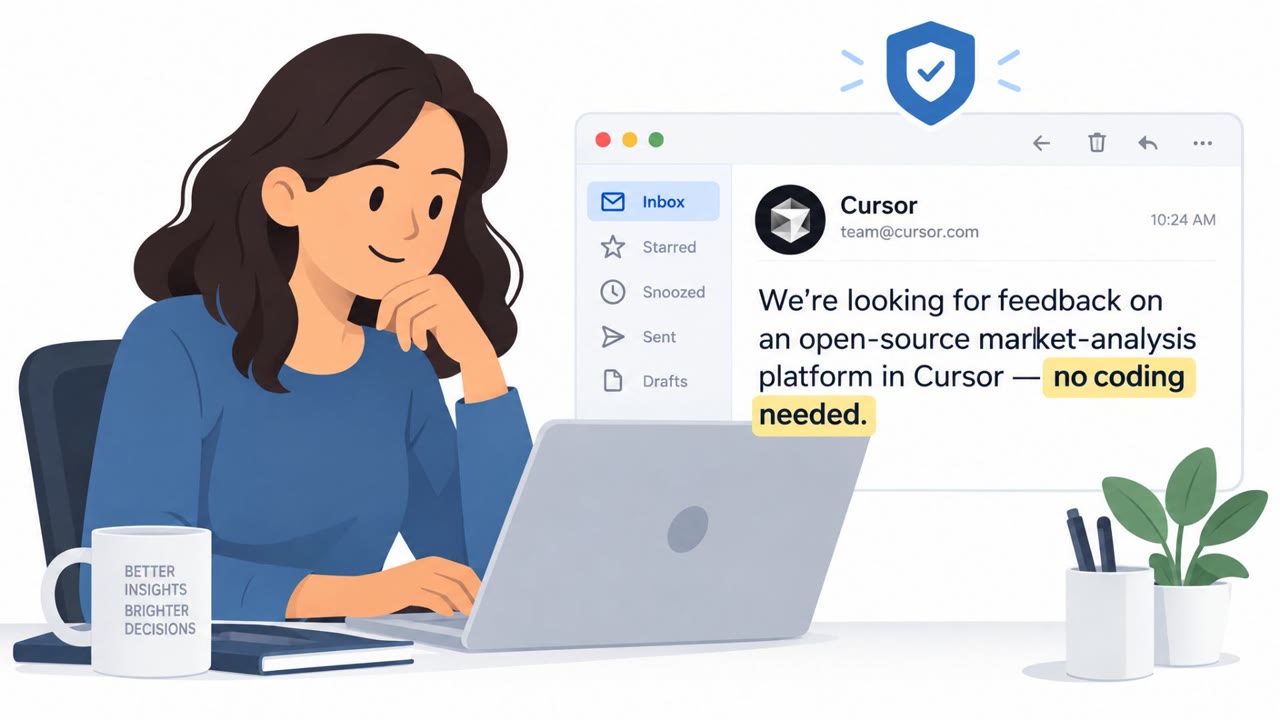
A real developer-targeted campaign used a fake “Google Update Support” extension hidden in weaponized code repositories. Victims were lured with a paid, no-coding-needed request to review a project in Cursor; opening the repository could trigger installation of an extension that collected browser,…

November 5, 2026