Cofense reports that attackers target finance teams with phishing emails designed to look like normal invoices, contracts, and payment notices, not urgent “act now” scams. These “boringly normal” messages blend into everyday finance workflows, which can lead staff to click links or open attachments before verifying the sender. The goal is often credential theft via embedded malicious URLs.
How the Attack Worked
This attack breakdown centers on finance-themed phishing that avoids the classic urgency-based approach. Instead of "act now" pressure, attackers send emails that resemble legitimate business correspondence: procurement notices, supplier registration requests, contract negotiation follow-ups, and payment or remittance advice. Because these messages mirror routine finance workflows, recipients in procurement, accounts payable, legal, and shared services process them quickly, often before verifying the sender or the context.
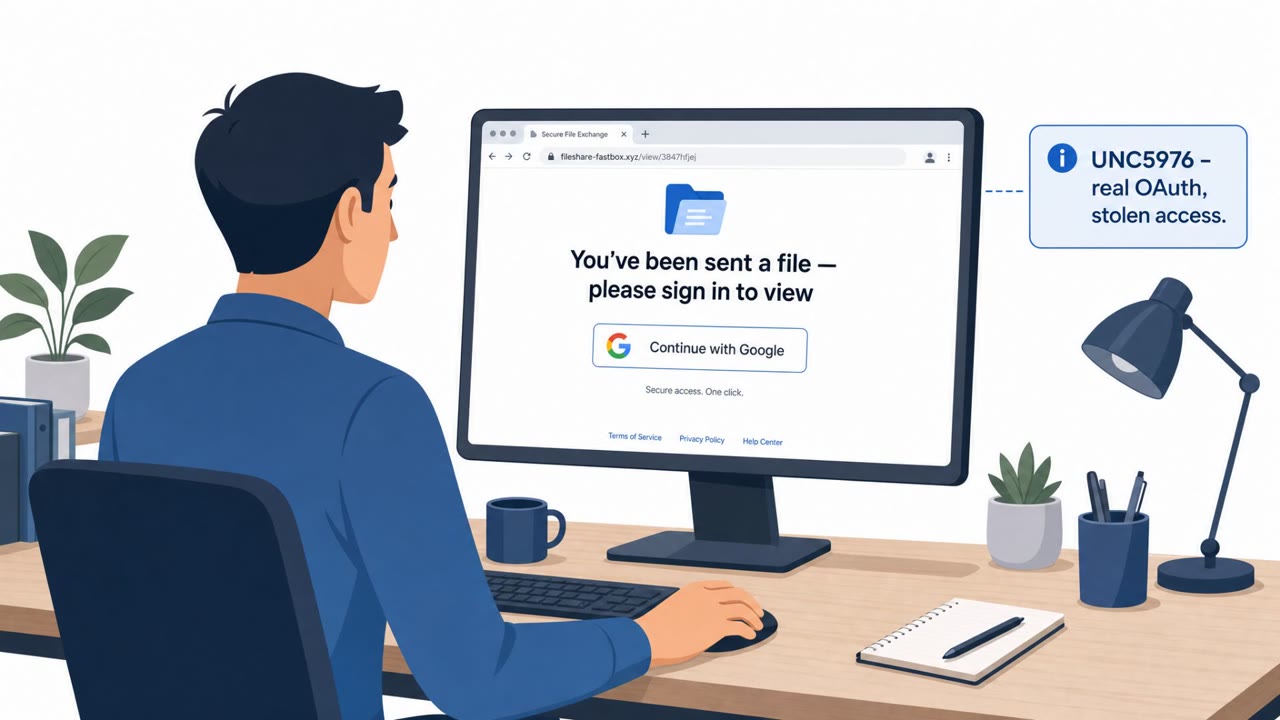
One documented example involves finance-themed credential phishing that uses an embedded malicious URL. The link leads to a page designed to capture login credentials, giving attackers a foothold without needing to deliver malware or trigger obvious alarms.
Why It Succeeded
Each pretext exploits a specific workflow expectation:
- Procurement and tender invitations work because unsolicited commercial outreach is normal in finance and procurement, so recipients don't question unfamiliar senders.
- Contract negotiation follow-ups create a false sense of continuity by presenting the email as part of an existing exchange, making recipients less likely to question legitimacy before opening attachments or links.
- Payment and remittance notices carry what the reporting calls "built-in legitimacy" in financial operations, reducing scrutiny even when the message is unexpected.
The common thread is that these lures look boringly normal. That is precisely the point: routine-looking emails don't trigger the same skepticism that urgent or threatening messages do.
What to Watch For
Defenders and finance staff should treat the following as warning signs:
- An unfamiliar sender or domain attached to a "procurement notice" or tender invitation
- Limited context paired with a request to open an external attachment or link
- An email that implies an existing conversation or thread you don't actually recognize
- A payment or remittance message that pushes you toward an embedded link instead of a known payment system
- Any request to enter credentials after clicking a link from an email, rather than navigating directly to a trusted portal
Building Resistance
Organizations can reduce exposure by reinforcing that routine-looking finance emails deserve the same scrutiny as obviously suspicious ones. Practical steps include verifying new vendor or procurement contacts through known channels before opening attachments, confirming with colleagues when an email references a thread that doesn't ring a bell, and never entering login credentials through a link embedded in a payment or remittance email. Since payment language and contract continuity are being used specifically to lower guard, training that highlights these exact patterns, rather than only generic urgency cues, is likely to be more effective for finance, accounts payable, procurement, and legal teams.
Key findings
- Attackers target finance workflows with emails that resemble legitimate business correspondence rather than urgency-based lures.
- Finance-themed campaigns are described as the highest-volume phishing category, often using operational subject lines that match routine business processes.
- Common lures include procurement/tender invitations, supplier registration requests, contract-in-progress threads, and payment/remittance notices.
- The article notes an example of credential phishing using an embedded malicious URL.
Who’s being targeted
- Commonly targeted roles: Finance, Accounts Payable, Procurement, Legal, Shared Services.
- Affected industries: Financial services, Corporate finance departments, Procurement, Accounts payable.
- Attack channels: email.
- Impersonated: External supplier or procurement portal, External counterparty (vendor/customer) in a contract negotiation, Payments team / bank / remittance sender.
Red flags to watch for
- Unfamiliar sender/domain for a “procurement notice”
- Limited context but asks you to open an external attachment or link
- Looks routine and administrative, making it easy to process without verification
- Email implies an existing conversation you don’t recognize (a “forgotten thread”)
- Partial/incomplete documentation that nudges you to open files to “catch up”
- You’re asked to act before confirming the thread is legitimate with colleagues
- Payment-themed message uses “built-in legitimacy” to reduce scrutiny
- Embedded URL that leads to a sign-in prompt or unexpected login page
- Message is routine/administrative, encouraging fast processing
Frequently asked questions
Why do finance teams fall for phishing that looks routine?
Because the emails mimic everyday business correspondence like invoices, tenders, and payment notices rather than using urgency-based lures, staff process them without extra scrutiny.
What are common finance phishing pretexts?
Reported lures include procurement or tender invitations, supplier registration requests, contract-in-progress threads, and payment or remittance notices.
What is the end goal of these finance-themed phishing emails?
The reporting notes an example of credential theft carried out through an embedded malicious URL that leads to a fake sign-in page.
How can finance staff reduce risk from these emails?
Verify senders through trusted channels, avoid clicking embedded links in payment or contract emails, and confirm unfamiliar threads with colleagues before acting.
Read the video transcript
In finance, the most dangerous phishing email isn’t screaming URGENT, it looks like another routine invoice or tender invite. Attackers send fake procurement and contract emails, ‘Request for proposal – supplier registration required’ or ‘Following up on the contract draft’, with a link that quietly steals your credentials. The trick is they feel boringly normal: a tender invite from an unknown domain, or a contract follow-up on a thread you don’t remember. That’s when people click before thinking. Your move: any finance email with a link or attachment that feels routine but comes from an unfamiliar domain, stop and verify the sender through a trusted channel before you open anything.