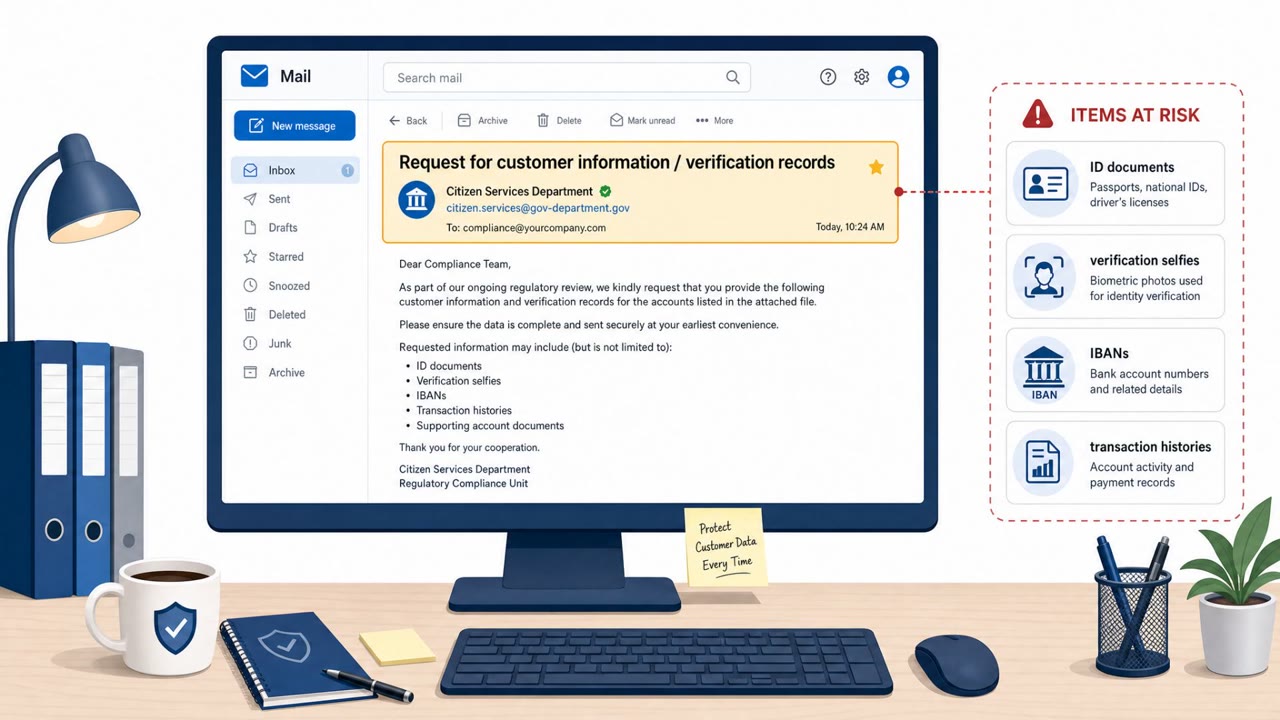
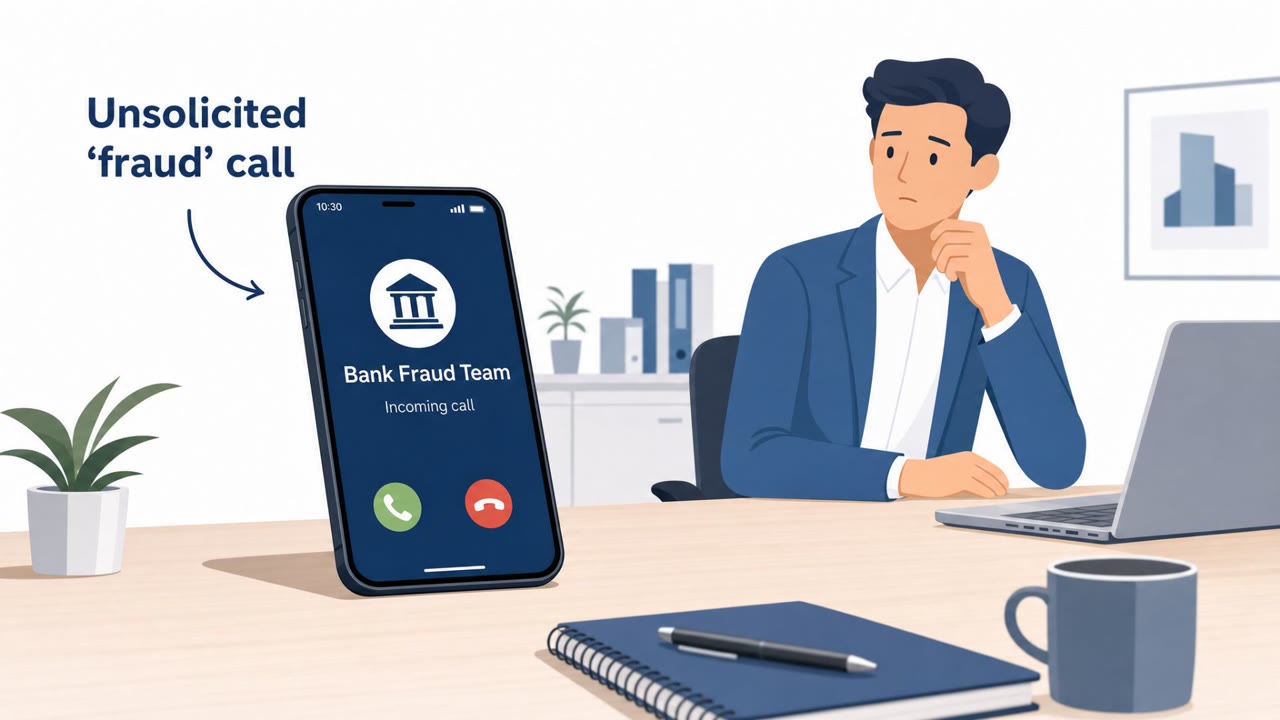
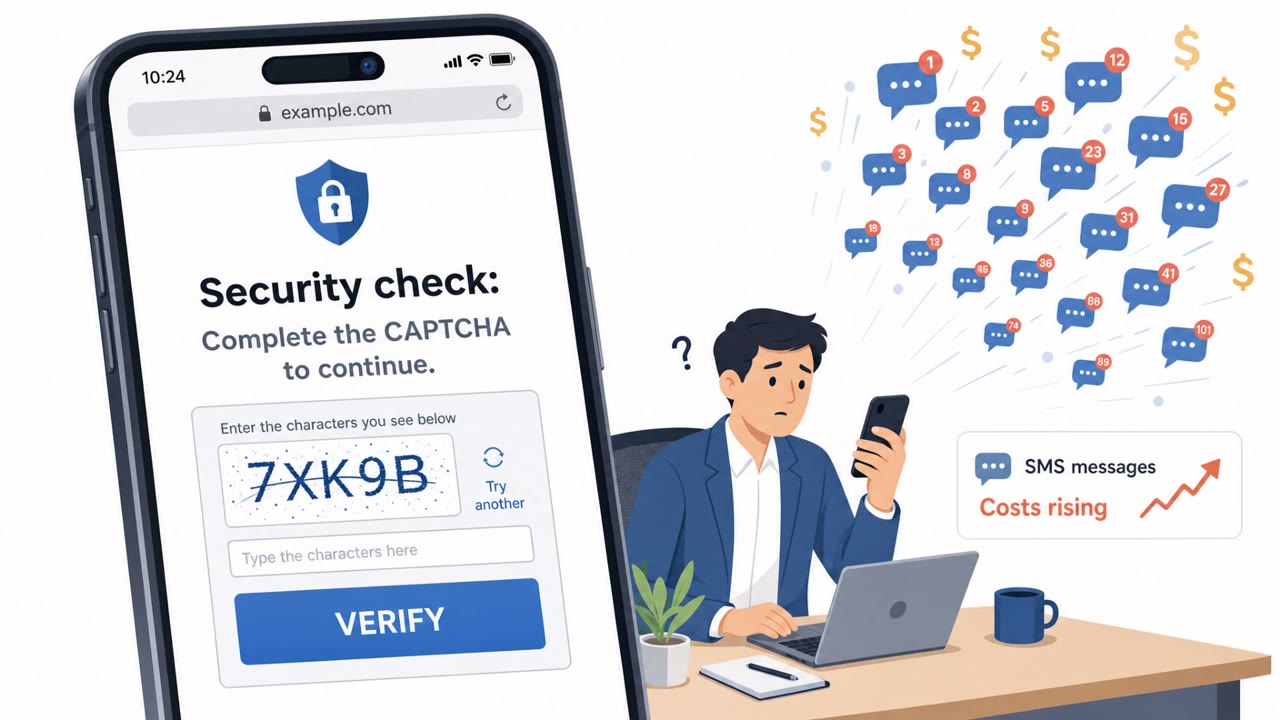
Researchers described two cybercrime operations. While one campaign focused on breaking into websites and infrastructure, a second operation (“Operation Master”) ran an automated invoice-fraud system that sent millions of messages with personalized invoice links designed to trick victims into paying via Brazil’s Pix system.
How the Campaign Worked
Researchers described an operation known as Operation Master, which ran an automated invoice-fraud platform. Rather than targeting a single organization, the platform generated over 2.4 million messages across email, SMS, and WhatsApp. Each message included one of over 622,666 personalized invoice links, designed to make the request look tailored to the recipient. The ultimate goal was to trick people into completing payments through Brazil's Pix instant payment system.
The campaign reached both individual consumers and corporations, showing that the platform was built to operate at scale across different audiences rather than focusing narrowly on one sector. Activity tied to this platform has been linked to an actor using the alias masterblack on cybercrime forums.
Why It Succeeded
The scale and personalization of this campaign are what made it effective. Automating invoice generation and distribution across three channels, email, SMS, and WhatsApp, let the operators cast a wide net while still presenting each message as if it were specifically addressed to the recipient. Personalized invoice links can look legitimate at a glance, especially when they arrive through channels people already associate with routine notifications and receipts.
The reported interaction numbers illustrate the impact of this approach: out of the messages sent, the platform recorded 169,906 target interactions, with a cumulative invoice value across tracked short links reaching R$150.4 million.
What to Watch For
- Unexpected invoice messages arriving via SMS or WhatsApp rather than established billing channels
- Pressure to complete payment by clicking a link instead of using a known billing portal
- Short or tracked URLs standing in for a recognizable vendor domain
- Personalized-looking invoices that still request payment through an unfamiliar link
Building Resistance
Organizations should treat any unexpected invoice link, particularly one delivered through SMS or WhatsApp, as a prompt to verify through a separate, trusted channel before paying. Personalization alone should never be treated as proof of legitimacy, since automated platforms like this one can generate tailored-looking links at massive scale.
Finance, accounts payable, procurement, and billing teams benefit most from targeted training on invoice fraud patterns: unexpected invoices, link-based payment flows, and urgency-driven requests. Because this type of fraud also reaches general consumers, broader anti-phishing and messaging-safety awareness across all employees adds another layer of protection against campaigns built to exploit routine billing interactions.
Key findings
- Operation Master ran an automated invoice-fraud platform that generated over 2.4 million messages across email, SMS, and WhatsApp.
- The fraud campaign used “personalized invoice links” and aimed to trick victims into making Pix payments.
- SOCRadar tied Operation Master activity to an actor using the alias “masterblack” on cybercrime forums.
- Separately, SOCRadar reported CyberXero’s AI-augmented intrusion activity targeting WordPress/e-commerce and Ukrainian critical infrastructure.
Who’s being targeted
- Commonly targeted roles: Finance, Accounts Payable, Procurement/Vendor Management, Customer Support/Billing, All employees (anti-phishing and messaging safety).
- Affected industries: Consumers (general public), Corporate finance/accounts payable, E-commerce, Utilities/Energy, Information Technology (web platforms/WordPress hosting).
- Attack channels: email, smishing, whatsapp.
- Impersonated: Billing department / invoice sender (unspecified vendor).
Red flags to watch for
- Unexpected invoice message sent via SMS/WhatsApp instead of normal billing channels
- Pressure to pay using a link rather than a known billing portal
- Link is a short/tracked URL and not a known vendor domain
Frequently asked questions
What was Operation Master?
Operation Master was an automated, multi-tenant invoice-fraud platform that generated over 2.4 million messages across email, SMS, and WhatsApp, aiming to trick victims into making Pix payments.
How did the invoice-fraud messages reach victims?
The campaign used email, SMS, and WhatsApp to deliver personalized invoice links, with over 622,666 of these links created to target Brazilian consumers and corporations.
Who should be most alert to this type of fraud?
Accounts payable, finance, procurement, and billing teams are key targets, but the campaign also reached general consumers, so any employee who handles payments should be cautious.
What red flags indicate a fraudulent invoice message?
Warning signs include unexpected invoices sent via SMS or WhatsApp instead of normal billing channels, pressure to pay through a link rather than a known portal, and short or tracked URLs instead of a recognized vendor domain.
Read the video transcript
You get an SMS: “You have a pending invoice. Use the personalized invoice link to complete a Pix payment.” Looks legit, right? Behind that message could be Operation Master, an invoice-fraud engine that blasted 2.4 million emails, SMS, and WhatsApp messages with 622,000 personalized Pix invoice links, all designed to drain real money. Here’s the trap: the invoice page is personalized, professional, and pushes you to pay via Pix using that link. But the URL is a short or unknown domain, and the invoice came by SMS or WhatsApp instead of your normal billing channel. If you get an invoice link like this, stop. Don’t pay from the message. Open your usual billing portal or call the vendor using a known number and confirm it first.