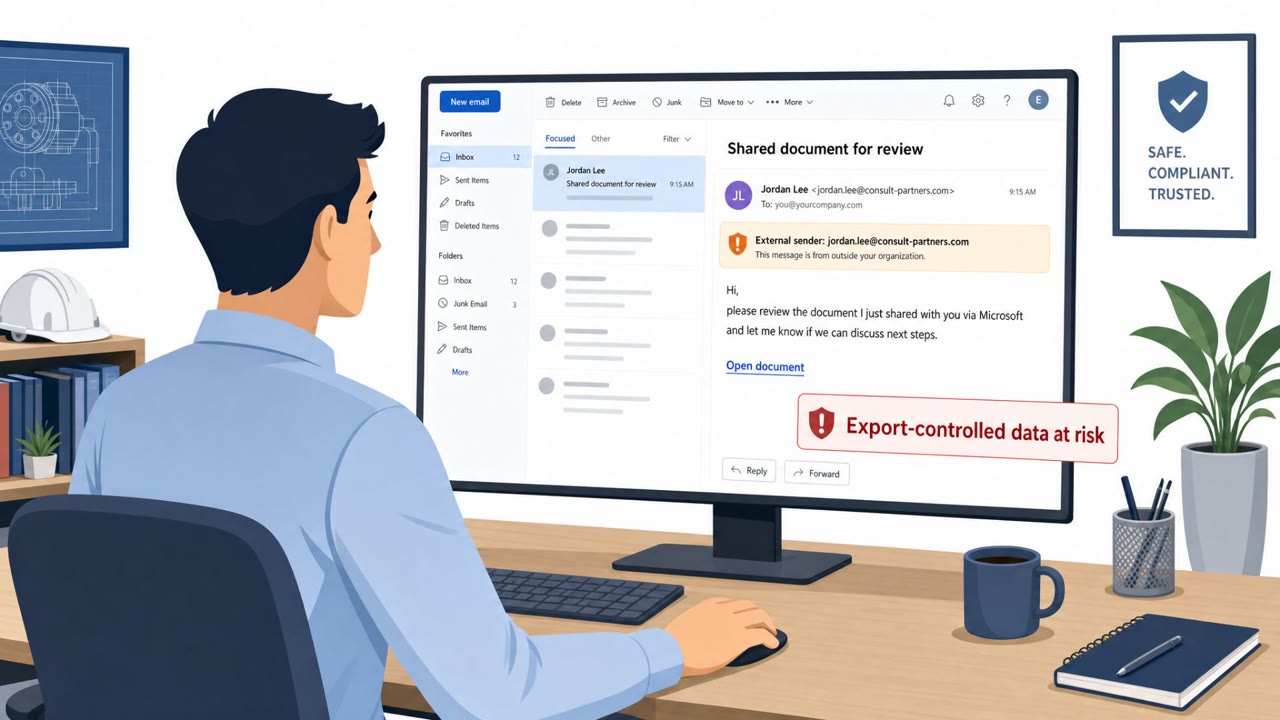
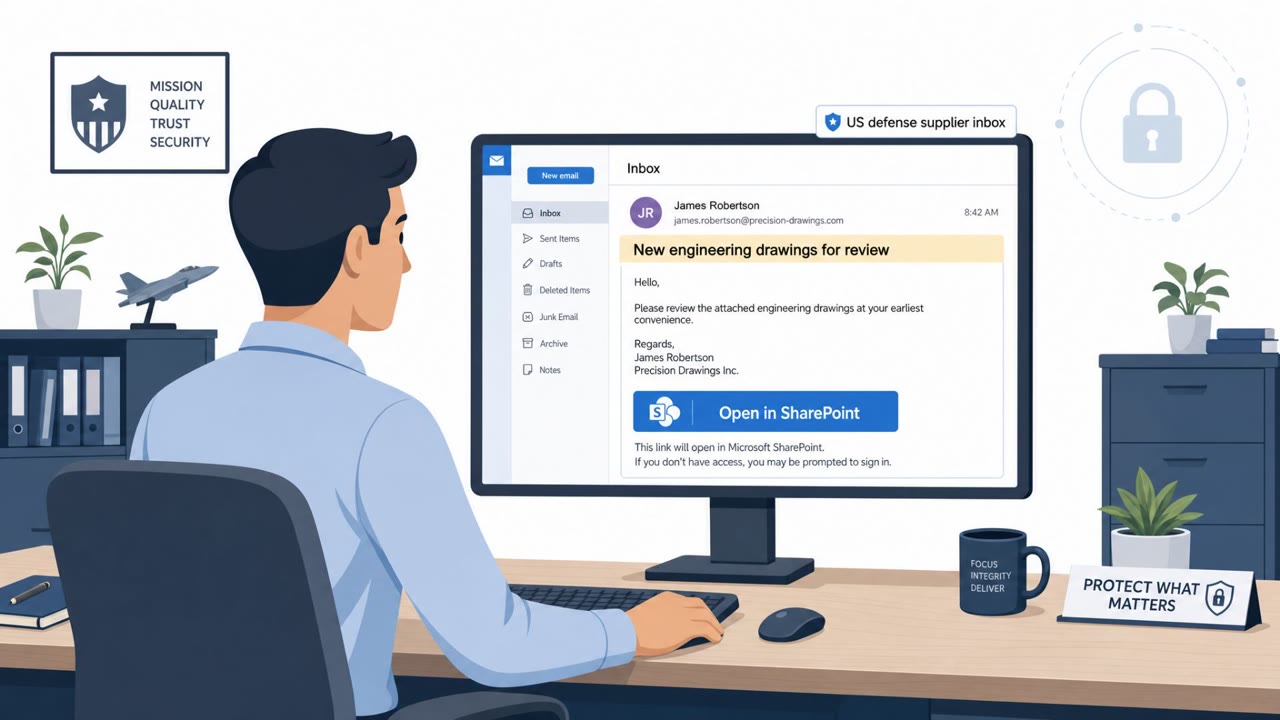
Law enforcement dismantled the infrastructure behind Kratos, a widely used phishing kit that helped criminals steal Microsoft 365 credentials and, in some cases, capture session cookies to bypass MFA. The article describes a real, observed campaign using tax-themed W-2 QR-code emails that led victims to a fake Microsoft 365 login page. It also includes concrete technical “tells” (file names and collection endpoints) defenders can use to identify Kratos-style phishing pages.
How the attack worked
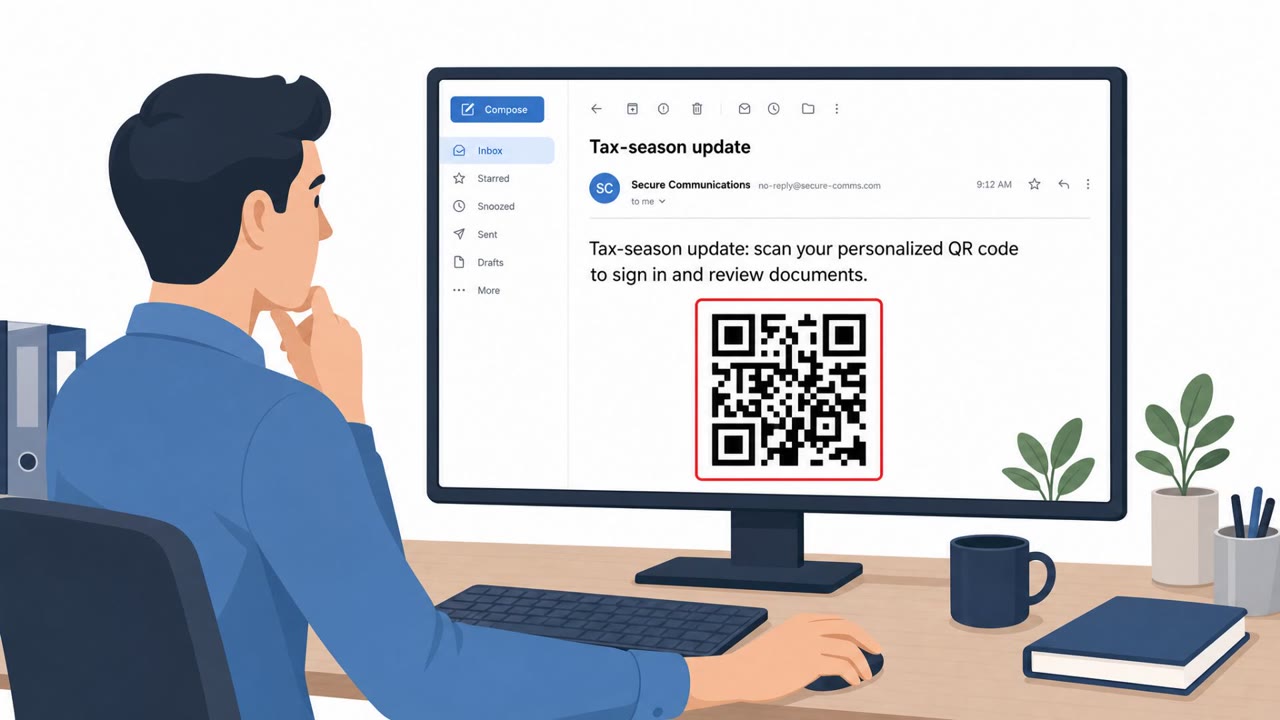
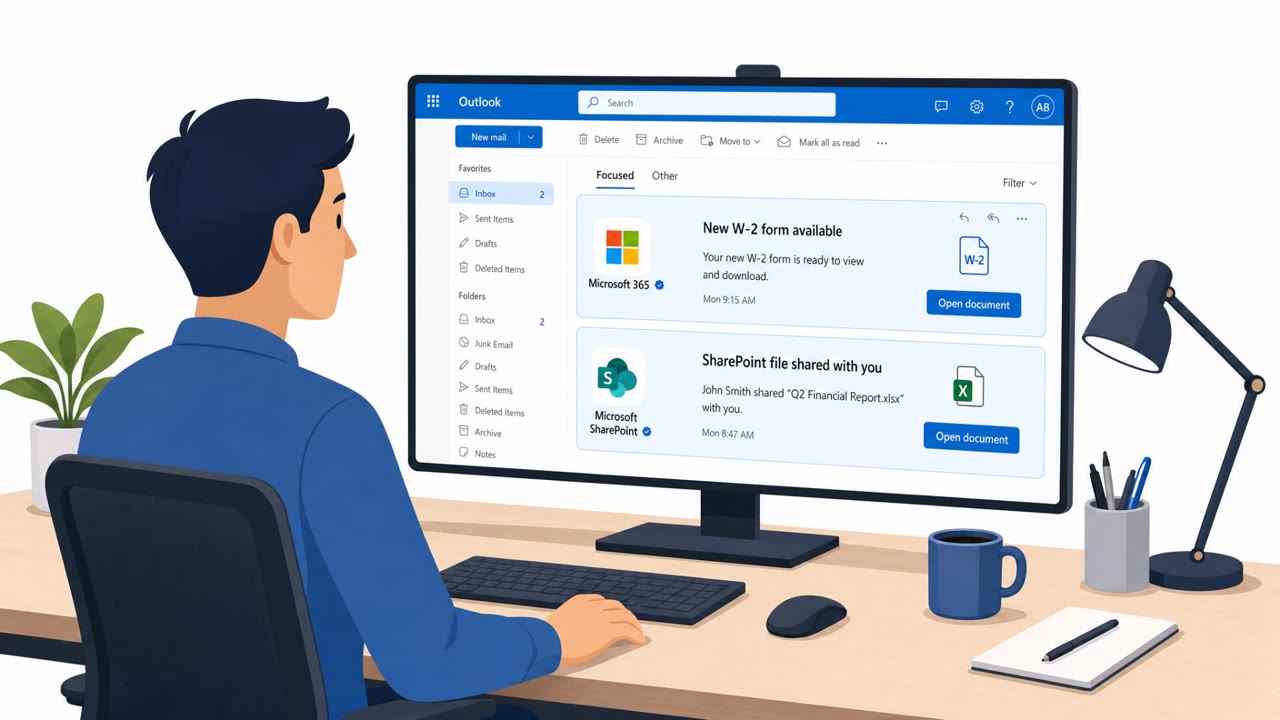
The Kratos phishing kit, also tracked as SneakyLog, powered a large-scale credential theft operation before law enforcement took down its core infrastructure. In one documented campaign, operators sent tax-themed emails to about 100 organizations, each carrying a W-2 document with a QR code personalized to the recipient. Scanning the code led victims to a fake Microsoft 365 login page. Because the lure arrived as a document rather than a direct link, it slipped past habits people use to spot suspicious emails, such as hovering over links.
Why it succeeded
Kratos supported two collection modes. One was a simple credentials-only page. The other was a Node.js reverse proxy designed to relay the login to Microsoft in real time and capture the resulting session. This adversary-in-the-middle setup meant the kit was not just harvesting typed passwords, it was intercepting a live, authenticated session. That cookie is enough to walk past two-factor authentication into the account as the user, which explains why MFA alone did not stop account takeover in these cases. The kit's scale, reportedly used by roughly 1,800 paying customers to run about 15,000 phishing campaigns a month, also made lookalike pages common and hard to fully block through denylisting alone.
What to watch for
- Unexpected tax season or payroll messages, especially W-2 documents, that were not initiated by HR or payroll
- A QR code used as the primary way to reach a form or login page instead of a normal link or bookmark
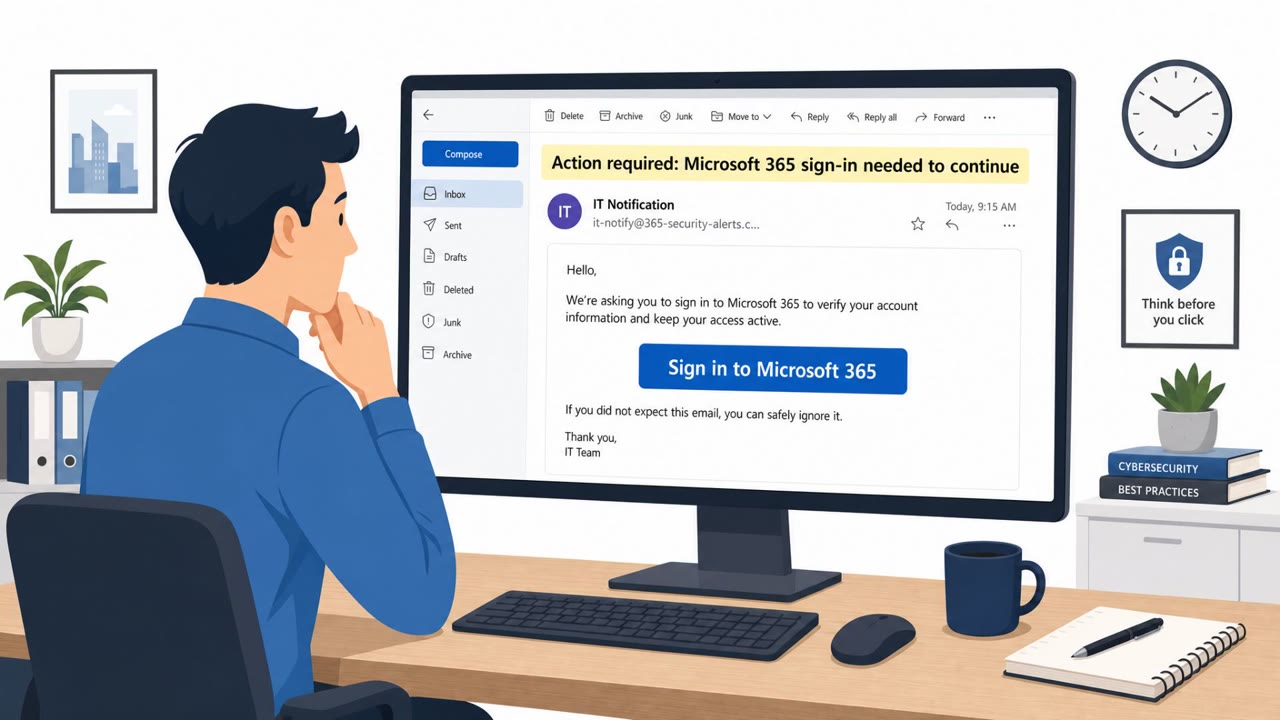
- A Microsoft 365 sign-in page reached through an email or QR code rather than a known company portal
- Sign-in flows that feel slightly off, since a relayed login through a proxy can behave differently from a normal Microsoft sign-in
Defenders can also look for known technical tells associated with these pages: login pages almost always load the paired assets barr.svg and lg.svg, then POST stolen credentials to endpoints like next.php or save.php.
How to build resistance
Organizations should treat any W-2 or payroll-themed message pushing a QR code or login as high risk and encourage verification with HR or payroll before acting. Because a stolen session can survive a password reset, incident response for suspected credential theft should include revoking active sessions, not just changing passwords. Security teams benefit from actively hunting for the identified asset names and collection endpoints to spot and shut down lookalike Microsoft 365 pages faster, complementing user awareness with technical detection tied to techniques like T1566.002 (spearphishing via attachment/QR-style lures) and T1656 (impersonation).
Key findings
- German and U.S. law enforcement took down Kratos core infrastructure; German authorities said they pulled “more than 200 servers offline.”
- Investigators estimate “roughly 1,800 paying customers used Kratos to run about 15,000 phishing campaigns a month.”
- Kratos could steal Microsoft 365 session cookies so attackers could “walk past two-factor authentication into the account as the user.”
- ANY.RUN described two modes: a credentials-only PHP page, or a Node.js reverse proxy that relays logins in real time and captures the session (adversary-in-the-middle).
- A real campaign on Feb 10 used “tax-themed emails” with a “W-2 document with a QR code personalized to the recipient” leading to a “fake Microsoft 365 login.”
- ANY.RUN identified a recognizable page pattern: assets “barr.svg and lg.svg,” with credentials POSTed to endpoints like “next.php or save.php.”
Who’s being targeted
- Commonly targeted roles: All employees, Finance, HR, Payroll, Executives, IT helpdesk / IAM team.
- Affected industries: Manufacturing, Retail, Healthcare.
- Attack channels: email, website.
- Impersonated: Microsoft 365 login (fake sign-in page), Microsoft (real-time relayed login).
Red flags to watch for
- Unexpected tax/W-2 message not initiated by HR or payroll
- QR code in a document used as the primary way to access a form
- Microsoft 365 login page reached from an email/QR code rather than a known bookmark or company portal
- Login page is hosted on an untrusted or unusual domain (not the company’s normal Microsoft sign-in flow)
- Sign-in experience behaves oddly because it is being relayed through a proxy
- Even after a password reset, the attacker may remain signed in if the session is not revoked
Frequently asked questions
How did the Kratos phishing kit trick victims?
Operators sent tax-themed emails carrying a W-2 document with a QR code personalized to the recipient, which led to a fake Microsoft 365 login page.
Can this attack bypass multi-factor authentication?
Yes. The kit used a Node.js reverse proxy to relay the login to Microsoft in real time and capture the resulting session cookie, which is enough to walk past two-factor authentication into the account as the user.
Is resetting a password enough after this kind of phishing?
No. Because the stolen session can survive a password reset, the session itself has to be revoked, not just the password changed.
What technical indicators point to a Kratos-style phishing page?
Analysts found that these login pages almost always load the paired assets barr.svg and lg.svg, then POST stolen credentials to endpoints like next.php or save.php.
Read the video transcript
It’s tax season, you get a W‑2 email with a QR code that says, “Sign in with Microsoft 365 to view your form.” Looks normal, right? Behind that QR is the Kratos phishing kit. It opens a fake Microsoft 365 login that can steal your password and the session cookie, so someone can walk past two-factor and into your account as you. In one real attack, operators sent W‑2 QR emails to about 100 organizations. Scan the code, and you land on a Microsoft 365 sign-in that lives on some random domain, quietly posting your credentials to files named next.php or save.php and loading assets like barr.svg and lg.svg. Your move: if a W‑2 email or QR sends you to Microsoft 365, stop and don’t sign in there, go to our usual Microsoft 365 portal or bookmark instead, and only open tax docs from HR or payroll you recognize.