Lazarus Uses Fake Résumé Sites to Spread Malware

About DFIR · High sophistication
Last updated October 28, 2026

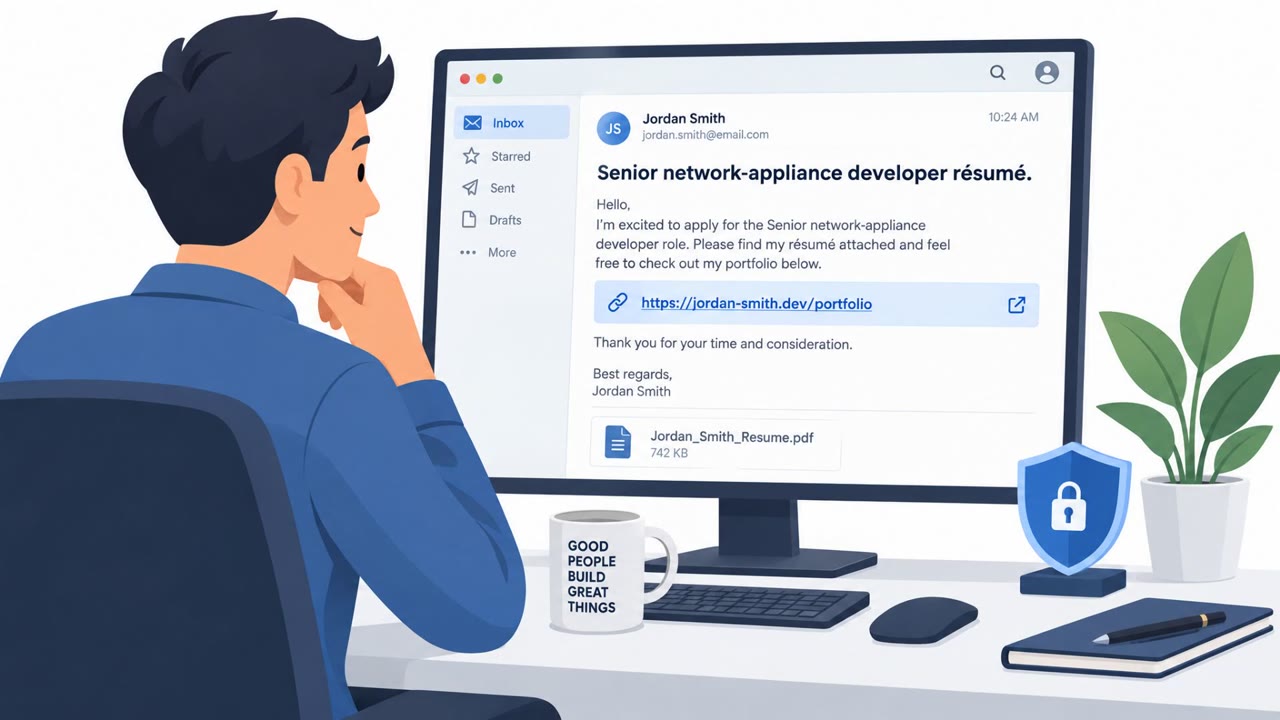
North Korea-linked Lazarus targeted South Korean organizations with tailored phishing links leading to fake résumé and portfolio websites. The links started a malware infection chain by abusing widely used South Korean financial security software, showing how a convincing job-related lure can lead to a serious compromise.

Key findings

  • Kaspersky attributed Operation FlashHole to the North Korea-linked Lazarus Group.
  • The campaign targeted at least three South Korean organizations in construction, software, and telecom equipment manufacturing.
  • Attackers used tailored spear-phishing links that led victims to fake résumé and portfolio websites.
  • The infection chain abused INISAFE CrossWeb EX, financial security software used in South Korea, and deployed malware in memory.
  • Lazarus used post-quantum ML-KEM-1024 encryption to protect command-and-control traffic.

Who’s being targeted

  • Commonly targeted roles: Hiring managers, Recruiters, Human resources, Construction-sector employees, Software-sector employees, Telecom equipment manufacturing employees, IT and security teams.
  • Affected industries: Construction, Software, Telecom equipment manufacturing.
  • Attack channels: email, website.
  • Impersonated: A job applicant or professional candidate.

Awareness takeaways

  • Treat unexpected résumé and portfolio links as untrusted, even when they appear tailored to a real business need. Verify candidates through the organization’s established recruiting process before opening external links.
  • Do not install, update, or approve software from a website reached through an unsolicited message; contact IT through known internal channels if a security component appears necessary.
  • Give extra phishing training to employees in targeted industries and to staff who handle recruiting, because attackers can customize job-related messages for their intended victims.

Red flags to watch for

  • An unexpected applicant link is sent instead of an attached résumé or an application through the normal recruiting system.
  • The website asks to install, update, or run security software before showing the portfolio.
  • The message is unusually tailored to the recipient or organization but arrives through an unverified channel.
Try Mirage

Mirage safely runs attacks like this one against your own team, so you find out what happens before a real adversary does.

Get a demo
Read the video transcript

“Please review my résumé and portfolio at the link below.” Sound routine? In Operation FlashHole, Lazarus sent tailored links to fake résumé sites. The page could prompt you to run INISAFE CrossWeb EX, then start a malware infection in memory. Here’s the tell: an unexpected applicant skips your recruiting system, then their portfolio asks for security software. That’s not a résumé requirement. Before opening any unexpected résumé link, check the candidate in your recruiting system.

Similar attacks

Lazarus Uses Fake Résumés to Target Korea

Lazarus Uses Fake Résumés to Target Korea

North Korea-linked Lazarus targeted South Korean organizations with tailored phishing emails that directed recipients to fake portfolio and résumé websites. The sites, including GitHub Pages hosting a purported senior network-appliance developer résumé, abused vulnerable financial-security software…

October 27, 2026
Spear-Phishing Link Triggers Chrome-Windows Exploit

Spear-Phishing Link Triggers Chrome-Windows Exploit

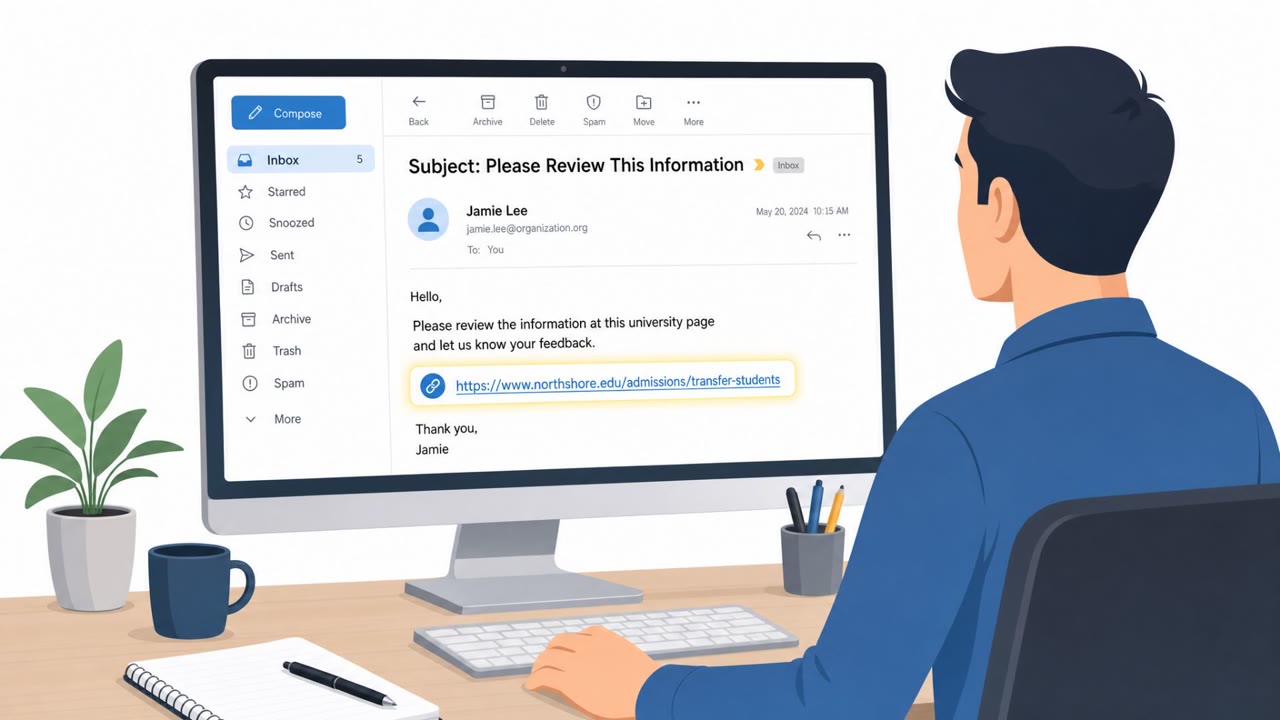
China-linked attackers targeted NGOs with spear-phishing emails that urged recipients to click a link to a legitimate U.S. university website. The link path abused a website flaw to silently redirect victims to attacker infrastructure, which then exploited Chrome and Windows to install malware…

September 15, 2026
Fake Recruiter Lure Drops NodeRabbit RAT

Fake Recruiter Lure Drops NodeRabbit RAT

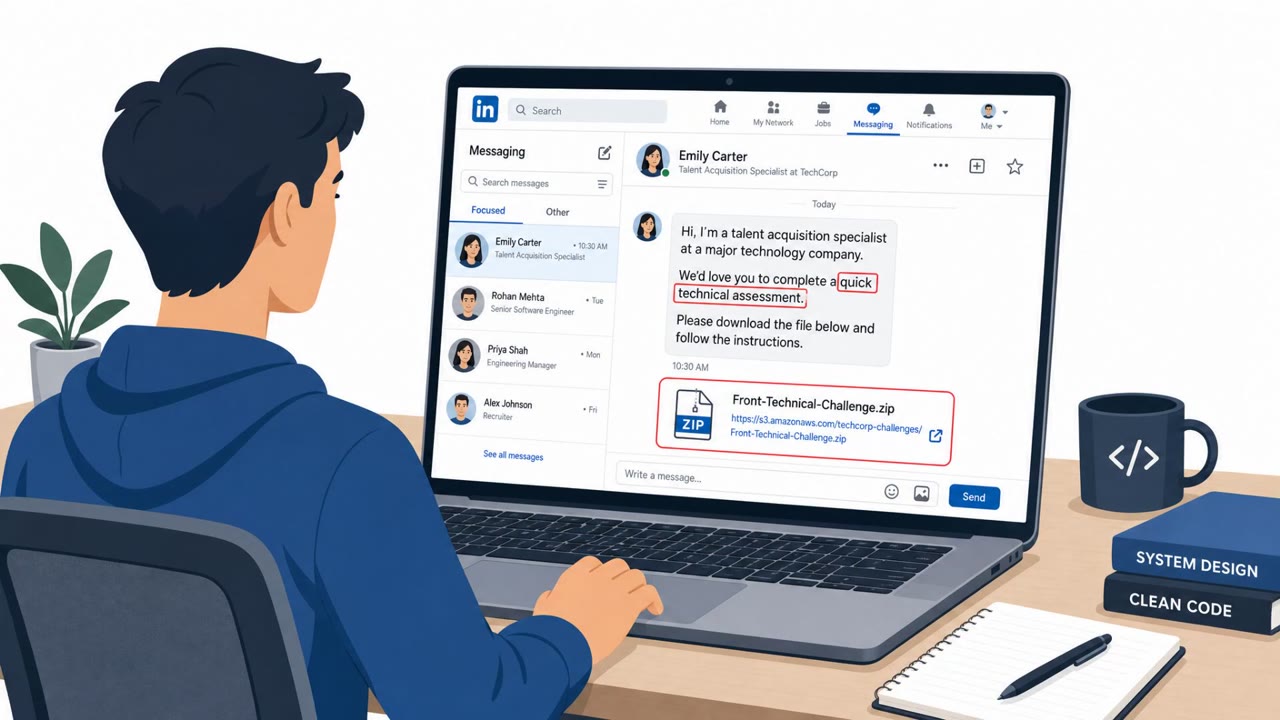
Researchers tied Mirage Kitten to a job-recruiting scam that targets developers via LinkedIn and job platforms. Victims are sent a “technical assessment” ZIP file hosted on legitimate cloud storage; running the project silently installs a remote-access trojan (NodeRabbit) that lets attackers…

September 1, 2026
Fake Install Guides and Helpdesk Calls Drive Attacks

Fake Install Guides and Helpdesk Calls Drive Attacks

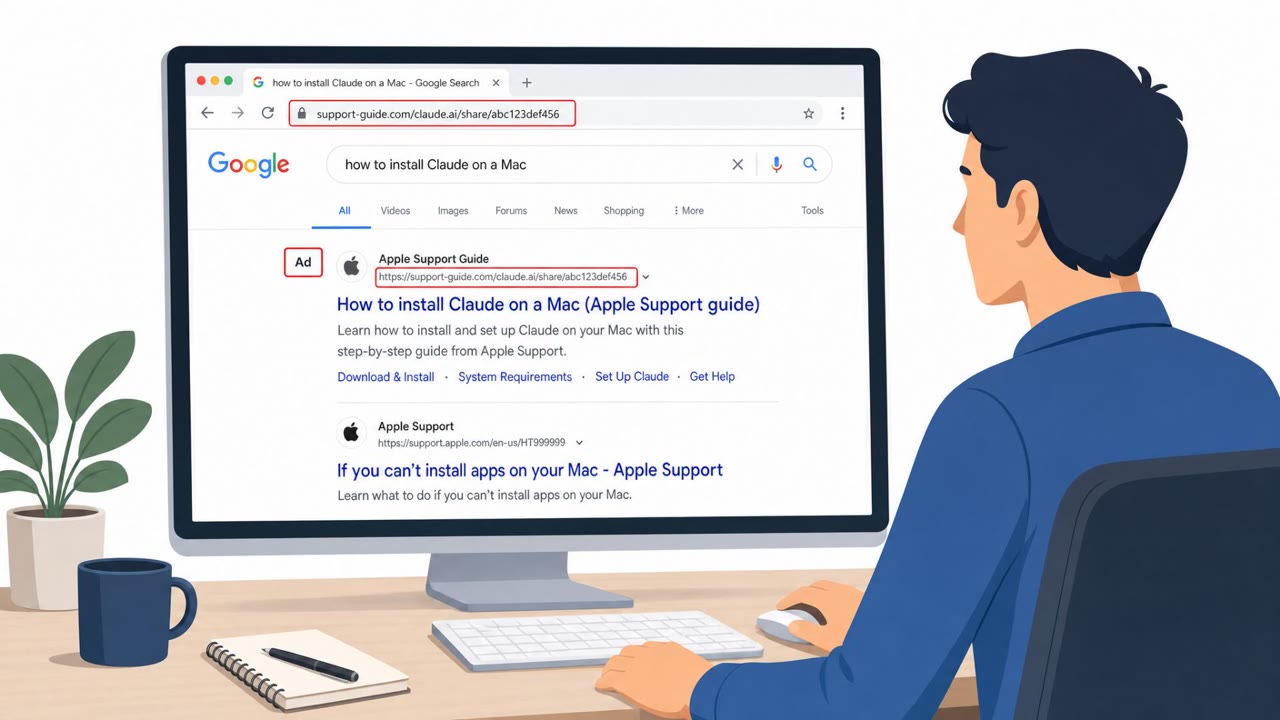
This bulletin describes multiple real-world social engineering campaigns where attackers trick people into trusting a familiar screen, like a search result “install guide,” a recruiter outreach, or a helpdesk phone call. The lures push victims to paste commands, install fake software, or reset MFA,…

July 30, 2026
Fake Payment Offers and AI Bank Calls Hit Users

Fake Payment Offers and AI Bank Calls Hit Users

This weekly roundup describes several real social-engineering campaigns, including fake government-payment posts that compromised thousands of Bluesky accounts and mobile scams disguised as community activities. It also documents AI-generated bank-helpdesk calls that persuaded victims to install an…

October 22, 2026
Fake Calendar Invites Fuel Phishing Surge

Fake Calendar Invites Fuel Phishing Surge

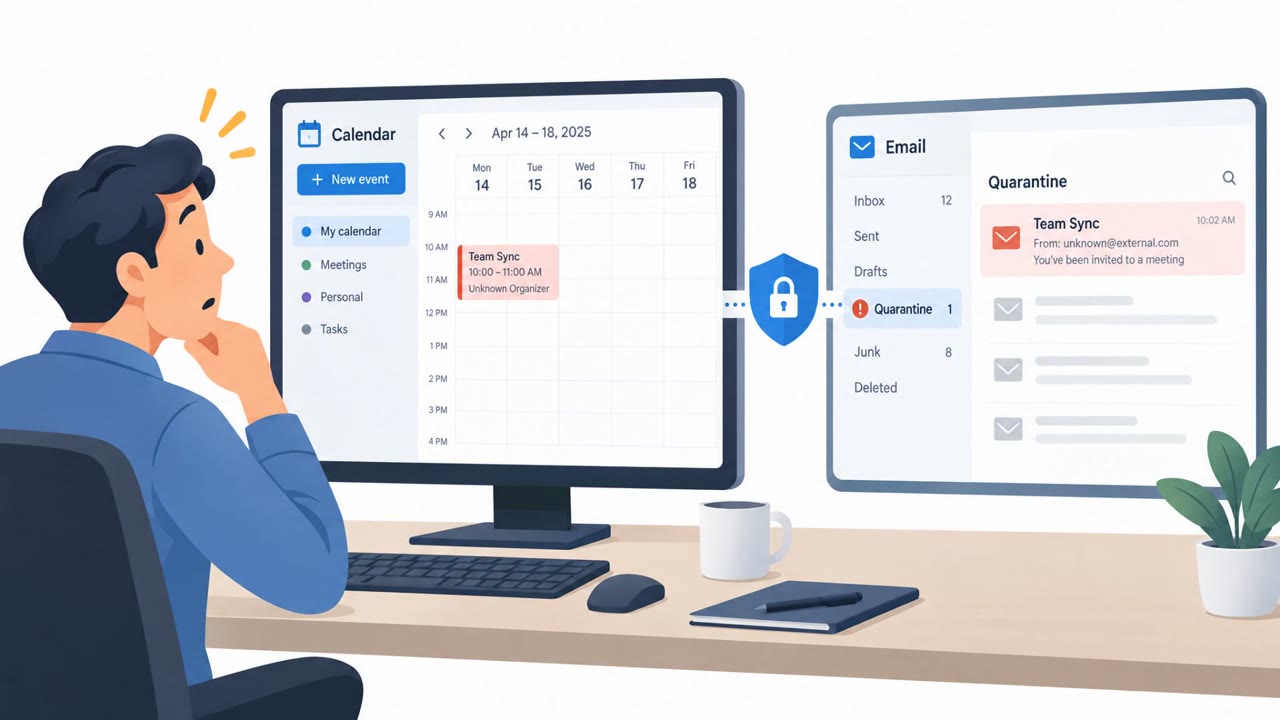
Attackers are using fake calendar invitations to bypass normal email defenses and lure people into credential theft or malware downloads. The invites may appear in a user’s calendar even when the related phishing email is quarantined, making unexpected meeting entries a new route for account and…

October 20, 2026