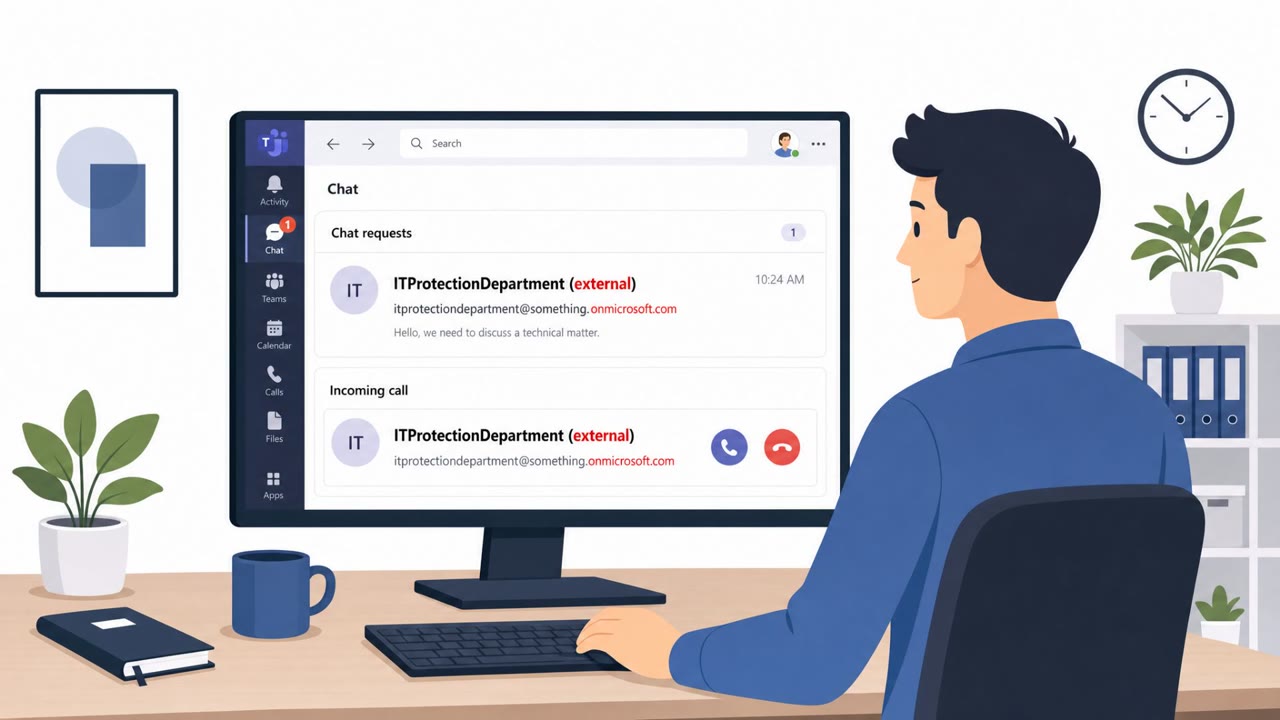
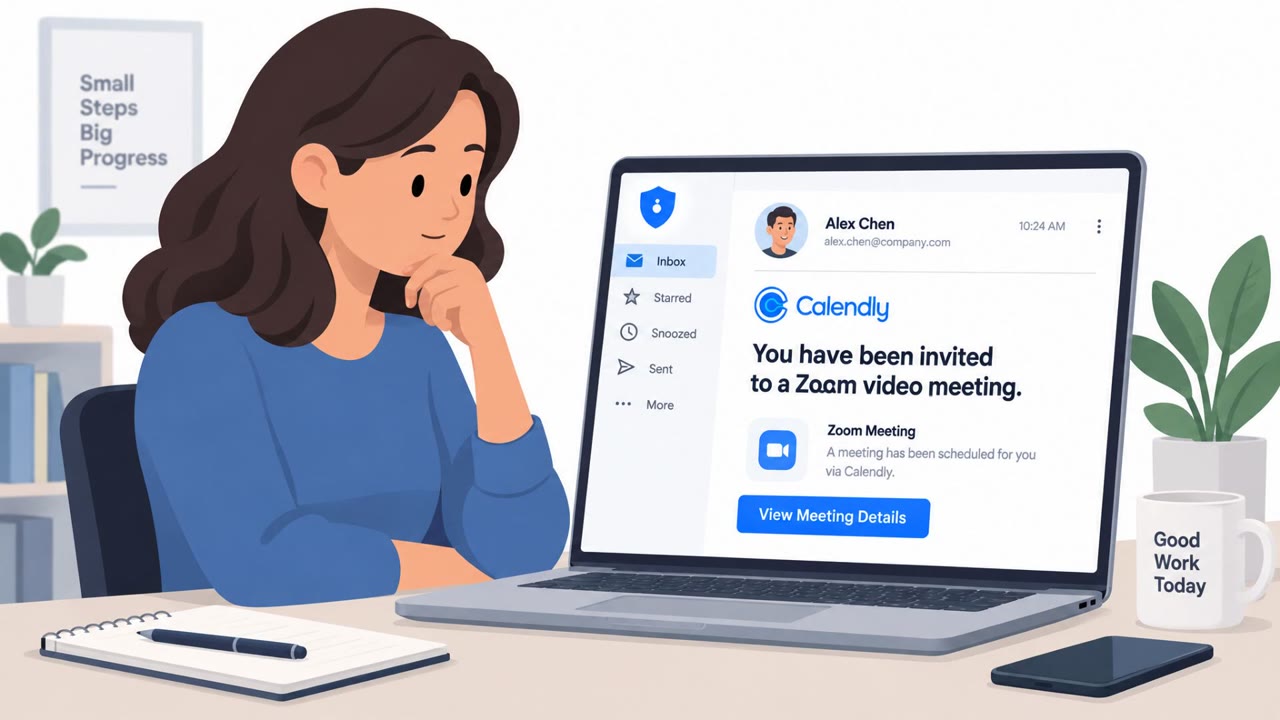
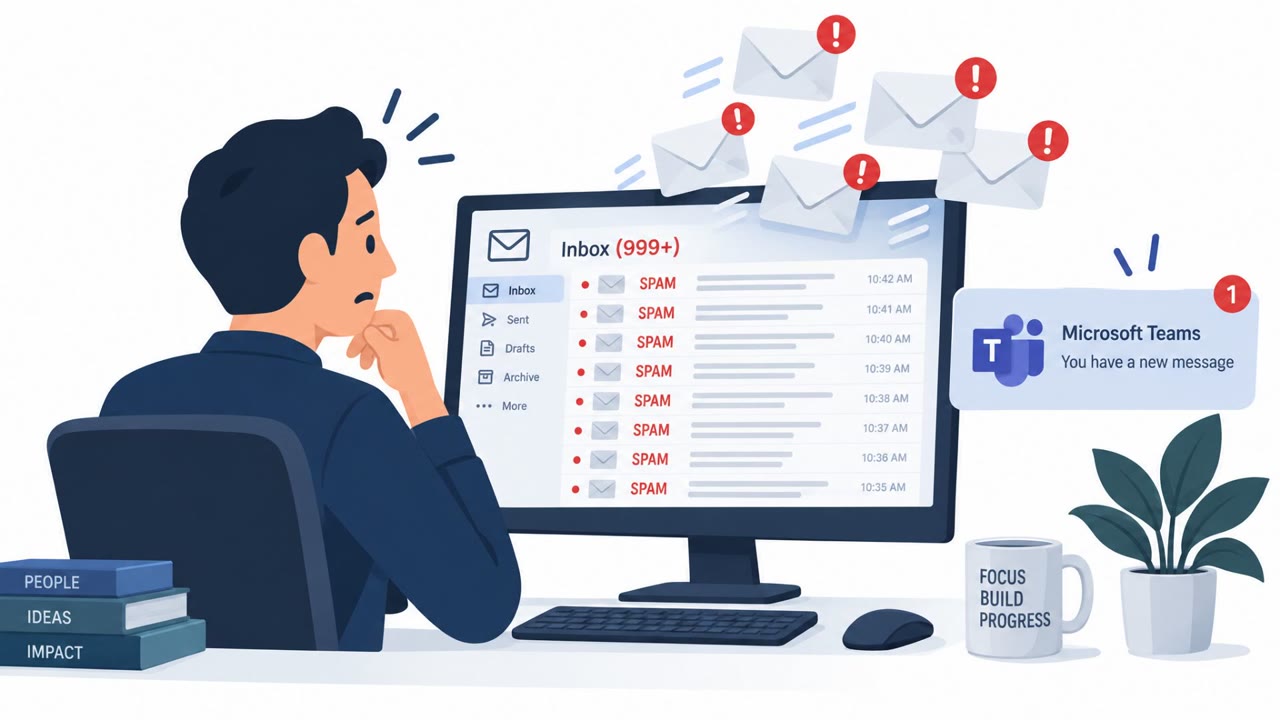
Attackers are flooding employee inboxes with thousands of legitimate-looking subscription emails, then posing as internal IT staff to offer help. The flood creates confusion and hides important alerts, while the follow-up Teams call is used to try to compromise the employee’s account or device.
How the attack worked
This technique combines two stages. First, attackers submit a target's email address to large numbers of newsletter, registration, and signup forms across unrelated websites. This creates a flood of legitimate looking subscription emails, with campaigns observed peaking at roughly 10,000 messages per active campaign, or around 1,000 emails per day. Second, once the inbox is overwhelmed, the attacker follows up with a Teams voice call, claiming to be a representative from Internal IT, and offers both verbal and email instructions that supposedly stop the flood.
The real goal of the call is not to help the employee. It is to get the target to follow instructions that compromise their account, their system, or both. The disruption caused by the email flood gives the caller a built-in pretext and a sense of urgency that makes the request feel reasonable.
Why it succeeded
The individual subscription emails look entirely normal and often contain no malicious links, which makes the flood itself hard to flag as an attack. Because the inbox is in disarray, account alerts, payment notifications, and other messages that need attention can get buried. When an unsolicited call arrives offering a fix, employees under pressure to restore order are more likely to comply without verifying the caller's identity through a separate channel.
What to watch for
- An unsolicited Teams call arriving immediately after an unusual volume of email
- A caller claiming to be Internal IT who creates urgency around the flood
- Verbal or email instructions that ask you to take account related or device related actions
- Phishing attempts hidden among the wave of otherwise legitimate subscription emails
How to build resistance
Organizations and employees can reduce the risk of this technique with a few consistent habits:
- Treat any unexpected IT support call during an inbox disruption as suspicious, end the call, and contact the helpdesk through a known internal number or support portal
- Report a sudden flood of subscription emails promptly rather than assuming it is harmless noise
- Avoid following instructions delivered by phone or email that claim to stop a flood, especially if they request account changes or software installation
- Remind customer service, finance, and accounts-payable staff that account alerts and payment notifications can be deliberately obscured during these campaigns
This technique maps to MITRE ATT&CK T1566.003 (phishing via service) and T1656 (impersonation), and reflects a medium-sophistication social engineering approach that relies on disruption and impersonation rather than technical exploitation.
Key findings
- Attackers submit a victim's email address to many newsletter, registration, and signup forms, creating a large volume of subscription messages.
- Fortra observed campaigns peaking at roughly 10,000 messages per active campaign, or around 1,000 emails per day.
- The email flood can disrupt normal business communications and obscure account alerts or payment notifications.
- Attackers follow the flood with Teams-based voice calls impersonating Internal IT and offering instructions that supposedly stop the emails.
- Fortra did not attribute the activity to a specific threat group.
Who’s being targeted
- Commonly targeted roles: All employees, IT helpdesk and service desk personnel, Customer service teams, Finance and accounts-payable staff, Security operations teams.
- Affected industries: Cross-industry.
- Attack channels: email, teams.
- Impersonated: Internal IT.
Red flags to watch for
- An unsolicited Teams call arrives immediately after an unusual volume of email.
- The caller uses the inbox disruption to create urgency.
- The caller asks the employee to follow unverified instructions rather than using an established IT support channel.
Frequently asked questions
What is mail bombing in this attack?
Attackers submit a victim's email address to many newsletter, registration, and signup forms, flooding the inbox with thousands of legitimate-looking subscription messages. Fortra observed campaigns peaking at roughly 10,000 messages per active campaign.
Why does the email flood matter if the messages are harmless?
The flood can disrupt normal business communications and obscure account alerts or payment notifications, making it harder for the employee to notice anything genuinely important or suspicious.
How does the follow-up call work?
After the flood, attackers contact the victim through a Teams voice call, impersonating Internal IT and offering instructions that supposedly stop the emails, but are actually intended to compromise the user's account or system.
Who is at risk from this technique?
The targeting is broad and cross-industry, including all employees, IT helpdesk and service desk personnel, customer service teams, finance and accounts-payable staff, and security operations teams.
Read the video transcript
Your inbox suddenly fills with subscription emails. Then Teams rings. That's mail bombing: someone signs your address up across unrelated sites. The flood can bury account alerts. Then a caller says, 'We're Internal IT. We can stop it.' Here's the trick: the flood creates the problem; the unsolicited Teams call sells the fix. Their voice and email instructions could compromise your account or device. If that call comes, hang up and contact the helpdesk through your known internal portal.